Switched On – Cristian Vogel: NEL Adventures (EPM Music)

by Ben Hogwood

What’s the story?

This is a compilation of more recent EPs recorded by Cristian Vogel under his NEL alias. The eleven tracks cover four separate releases, and as a bonus add two new tracks.

The NEL alias has a reputation for enabling the Chilean producer to explore a side looking at tougher rhythmic profiles, largely using modular synthesizers and improvised material.

What’s the music like?

The live approach pays dividends for Vogel on this compilation. Each of the tracks on NEL Adventures teems with life, packed to the gills with plenty of melodic and percussive ideas.

Vogel is very clever with his use of rhythm, not for art’s sake but generating positive energy as the percussive motifs ricochet across the stereo picture. The pinball percussion of Mirabelle is a case in point, the rhythms gradually giving way to a bell-like figure, while The Misty Quay sounds like a much older ‘90s piece of techno, its jagged riffing given counter melodies in a modular extravaganza.

Complementing the bright invention are darker tracks like Shadowgraphs, which explores deeper waters with dark keyboards, and Orchid, which presents a thoughtful exterior in spite of its solid beat. Understory cuts deep with its sharp synth riff and uncompromising beat.

The new tracks make a strong impact. Gullane nips along with constructive mechanical ideas, the ideas bubbling up to the top while the clipped rhythm chugs along behind. Earthsea is full of energetic crossrhythms, initially delicate but developing into bright block chords.

Fortuna is arguably the pick of the lot, its liquid ideas given a strong drum beat and clever sonics that bounce around as though the listener is in a gigantic pipe. Tyrkisk Peber runs it close, a shimmering mass of keyboards that generate even more momentum when the drums arrive.

Does it all work?

Yes. Vogel explores a wide range of colours in his work, though you might find some of the more dizzying cuts – such as The Insight – a bit too ‘heady’ at earlier hours in the day!

Is it recommended?

It certainly is. Vogel has built up an extremely sound reputation in techno circles, but this essential addition to the catalogue shows he is in no way resting on his laurels. His music is still packed full of ideas and invention, with wit and humour round the edges too. There is a whole load to enjoy here!

For fans of… Joey Beltram, Etienne de Crecy, Richie Hawtin

Listen & Buy

Published post no.2,107 – Monday 4 March 2024

Switched On – Eric Hilton: Sound Vagabond (Montserrat House)

by Ben Hogwood

What’s the story?

Eric Hilton, a founder member of the much-loved Thievery Corporation duo with Rob Garza, has continued to mine a rich vein of musical inspiration in his solo work.

The Thievery tradition has been retained, using largely down tempo beats as backing for music sourced from around the world, while simultaneously looking back through the decades. For Sound Vagabond Hilton used a public domain sample library, removing the problems of copyright clearance at one fell swoop, but in tandem with that he took inspiration from his travels.

The album, then, becomes what its creator describes as a ‘sonic travelogue’.

What’s the music like?

If the verdict is that it sounds like Thievery Corporation, then that is meant as a compliment for Eric Hilton’s music. The preparation is meticulous, and yet there is plenty of room for manoeuvre, a chance for the listener to enjoy all the sounds and sights of their destination.

Inspiration for the work runs far and wide – Cerro Allegre, for instance, was inspired by time in Valparaíso in Chile, while Mumbai Hustle takes a pinch of that city and blends it in with Detroit, upping the pace as it does so. Hilton orchestrates his source material so beautifully, with the harp that laces Endless Affair and Lumi a beautifully poised instrument, and the strings that dress Nico delivered with typical grace.

Midnight Milan is a suave nocturnal affair, the harp again forward in the mix, while the shuffling beat to The Violet Hour sits behind an exotic cast of strings, keys and languid guitar. The title track takes influences from North Africa, and you can feel the heat in its lazy woodwind and spacious keyboards. Similarly The Mirror Inside, a sultry number with a typically persuasive beat.

Does it all work?

It does. Hilton knows exactly what buttons to press, a skill he has honed over time, but that doesn’t make the music formulaic in every way. Each scene is exquisitely prepared.

Is it recommended?

It is. This is music to dress any cocktail bar, softly lit lounge or lazy poolside. Eric Hilton delivers a beauty.

For fans of… Thievery Corporation, Kruder & Dorfmeister, Nightmares On Wax, FC Kahuna

Listen & Buy

Published post no.2,103 – Thursday 29 February 2024

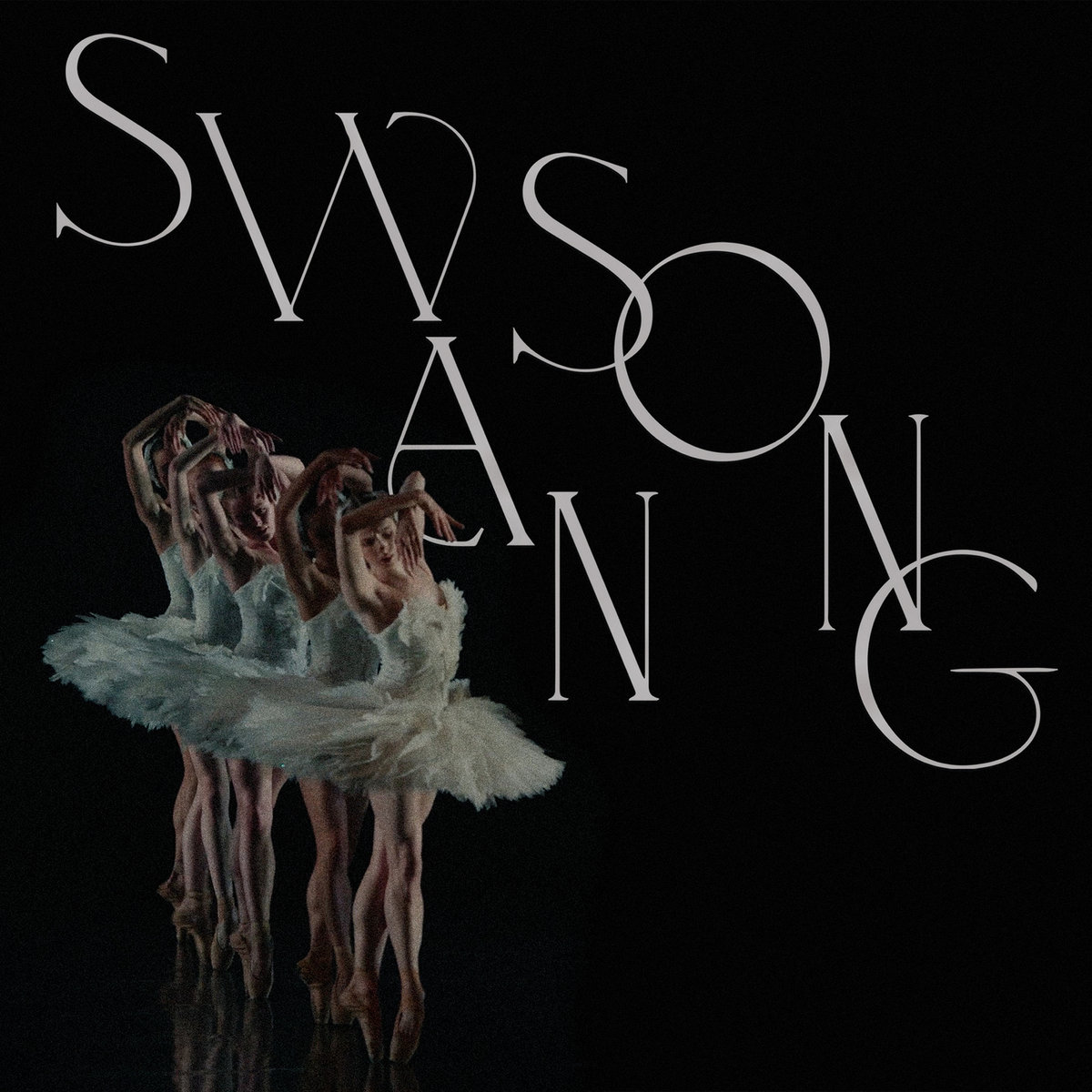
Switched On – Austra: Swan Song (Original Score) (Domino)

by Ben Hogwood

What’s the story?

It comes as no surprise to learn that Katie ‘Austra’ Stelmanis had her first experience performing in the orchestra pit for Tchaikovsky’s The Nutcracker, performed by the National Ballet of Canada in 1990.

Since then her distinctive voice has been one of the standout elements in the music of her band, Austra, who have made a name for their distinctive electronica, a satisfying mix of pop and 80s-inspired electronica.

Now, though, she turns her attention to solo concerns with a lo-fi set-up. Tasked with setting the musical scene to Swan Song, a feature documentary immersing viewers inside The National Ballet of Canada in its new production of Tchaikovsky’s Swan Lake, she decided to use a single synth, a mellotron and – of course – her voice.

What’s the music like?

‘Ethereal’ is an overused word in writing about music, but it really does apply to Katie Stelmanis and her voice, which she uses to great effect here. It floats on the air in the opening Karen’s Theme, accompanied by the graceful synth lines, responding to the ebb and flow of the dancers. The themes are beautifully characterised, and Stelmanis often uses softly voiced arpeggios on the synth (a Juno-106) to depict the rise and fall of the dancers.

Genevieve’s Theme and Shae’s Theme are relatively muffled but attractively scored, while Siphe’s Theme has a lovely mottled presentation. Robart gives contrast, with gurgling electronics, as do Move To The Theatre and Curtain Call, each dressed with a beautiful vocalise.

The mellotron comes into its own for Corps de Ballet, and with its twisting line gives a good representation of a dancer maintaining their poise. The main number is Bow, whose minimal ideas and probing motif are subtly moving.

Stelmanis’ use of the Tchaikovsky themes is subtle and very clever, leaving an original score whose inspiration sits beneath the surface but has a lasting impact.

Does it all work?

It does. By their nature these soundtracks can be quite fragmented but the sequence here is very satisfying, with some lovely sounds and colours.

Is it recommended?

It is. If you like Austra as a band you won’t need any persuading, though you might be surprised at the extent to which Katie Stelmanis allows her imagination to blossom in what is a striking piece of work.

For fans of… Gazelle Twin, Julia Holter, Laurel Halo

Listen & Buy

Published post no.2,103 – Thursday 29 February 2024
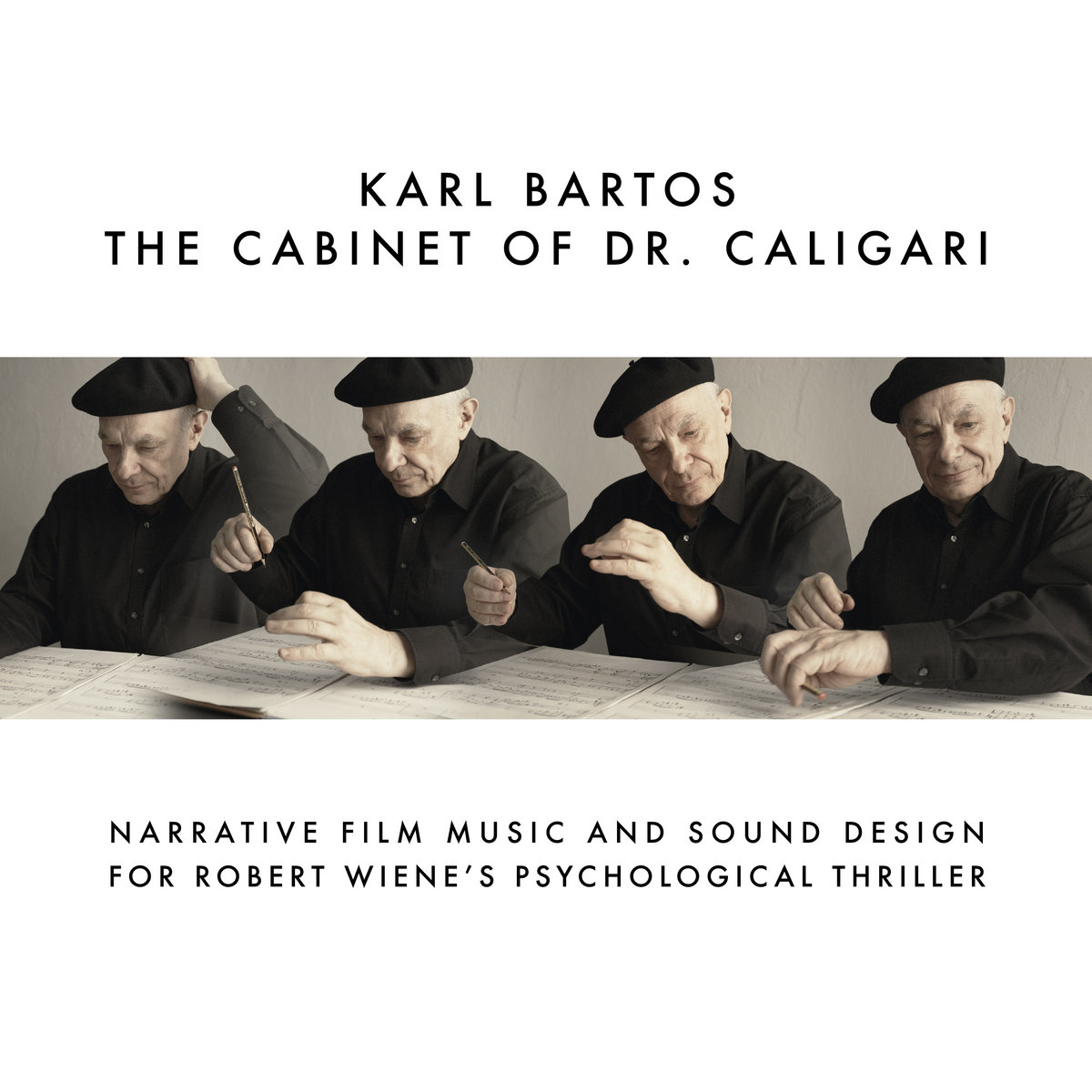
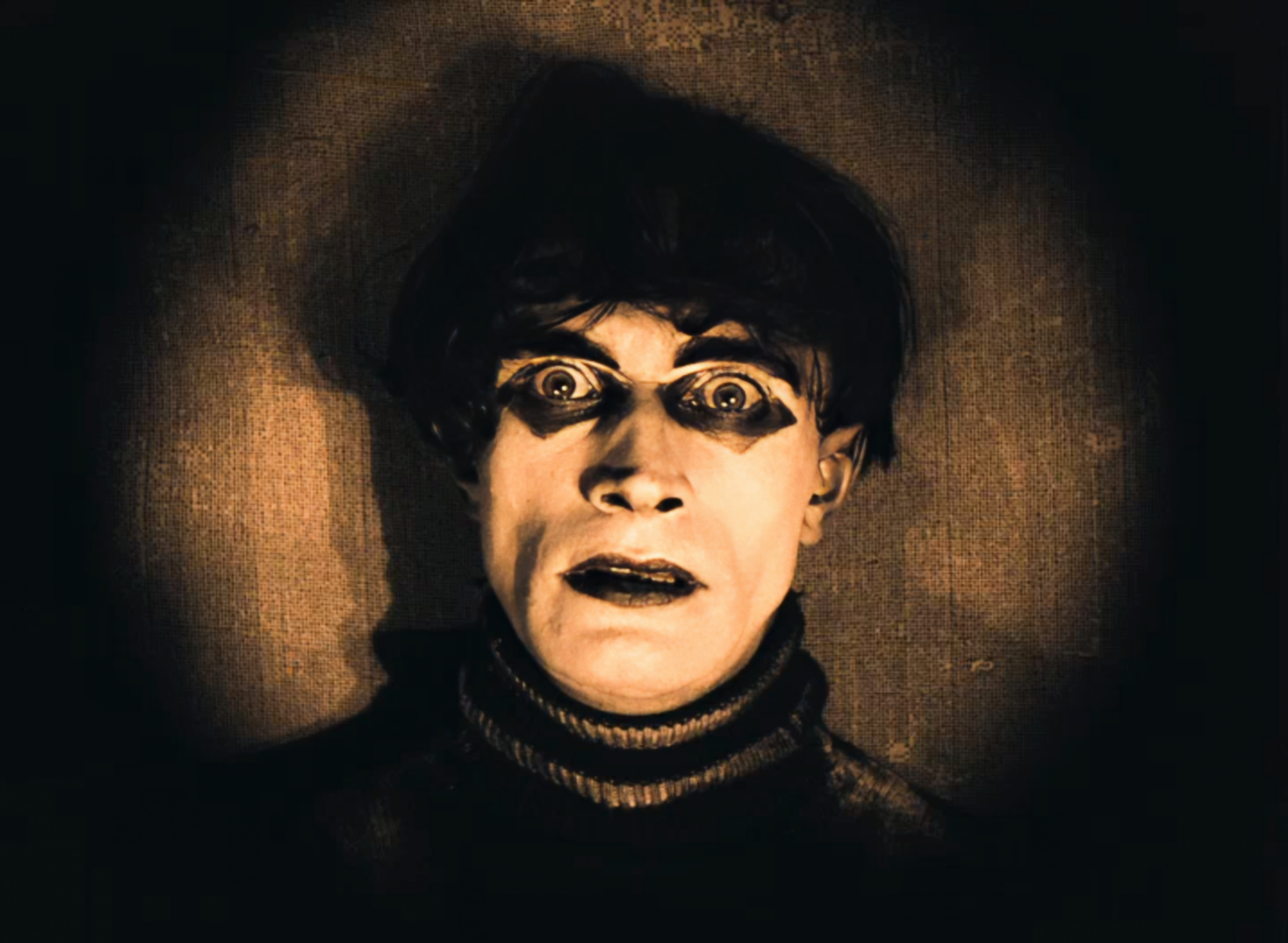
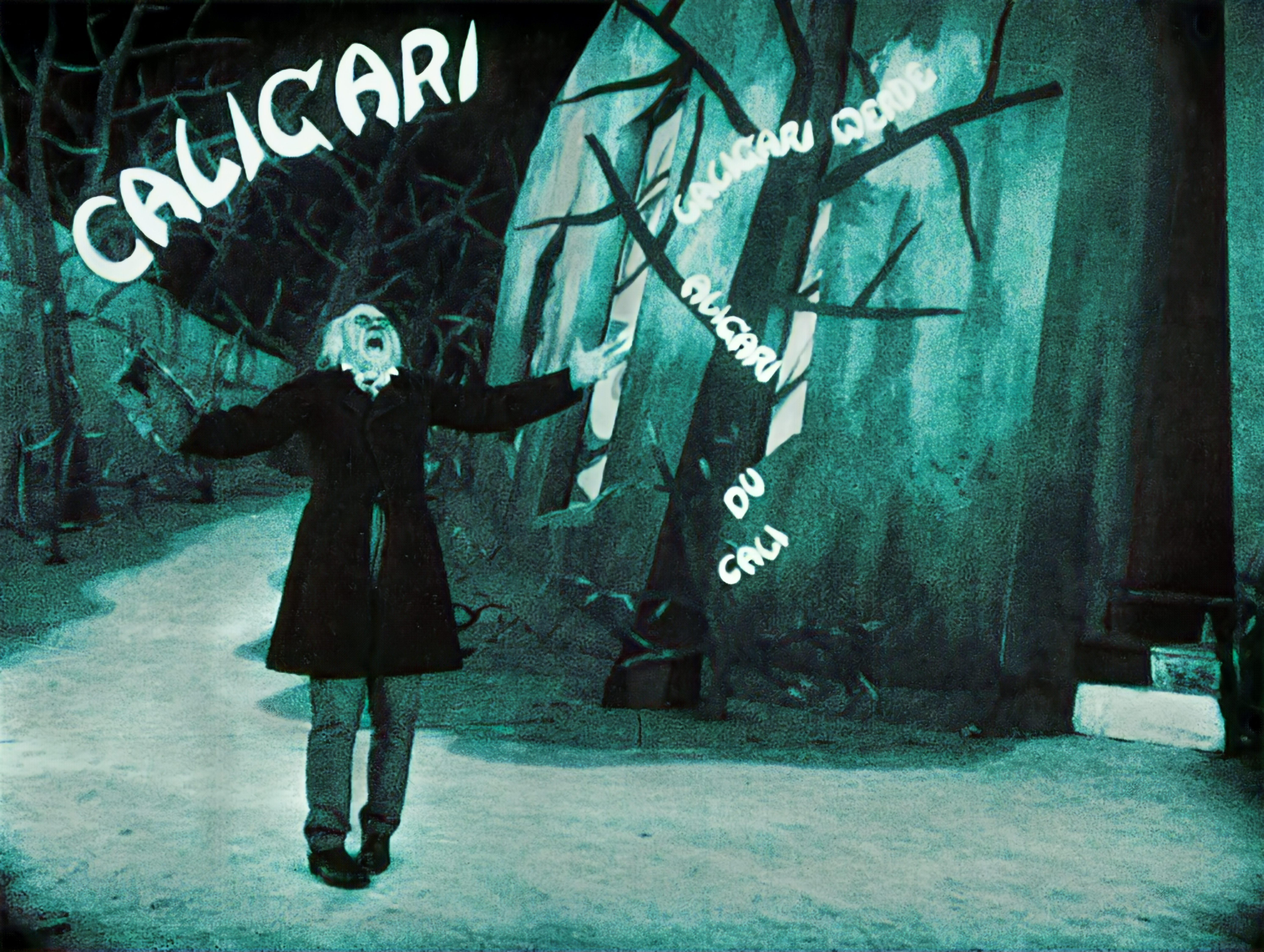
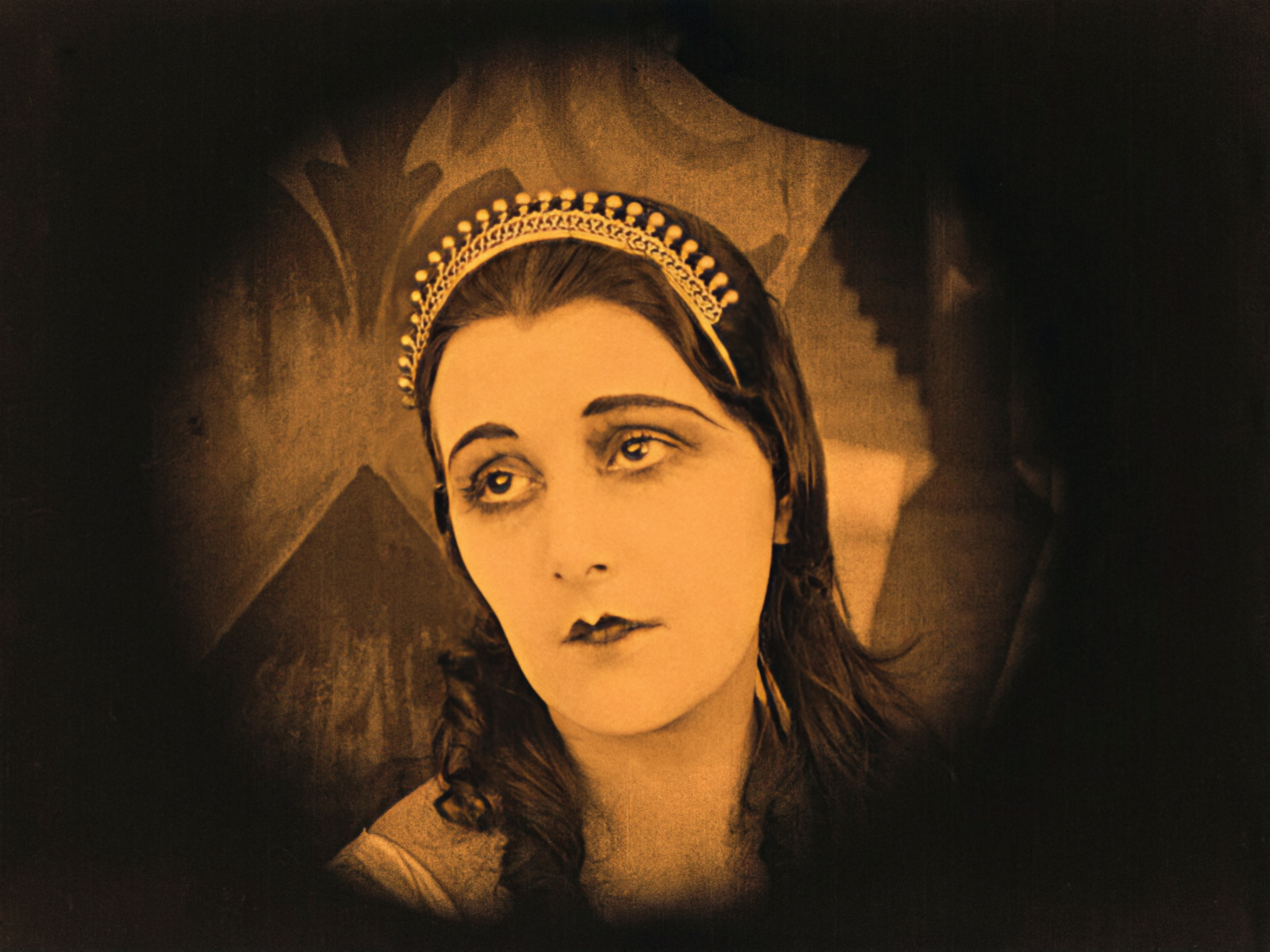
Switched On – Karl Bartos: The Cabinet Of Dr. Caligari (Bureau B)

by Ben Hogwood

What’s the story?

This is described as ‘narrative film music and sound design for Robert Wiene’s classic 1920s psychological thriller’.

It is, in effect, Karl Bartos retracing some of his steps back to when he was in Kraftwerk. Then, he helped to create Metropolis, inspired by Fritz Lang’s 1927 film, but now he goes several steps further to create a whole new soundtrack for Wiene’s picture.

To do it he pulled together a wide array of material from his musical archive, finding snippets that range from classical and Baroque to atonal and musique concrete – in short, creating a musical melting pot to bring the film to life in a musical sense.

What’s the music like?

Enormously entertaining and full of character. Bartos’s love of the film is immediately clear, and no stone is left unturned as he seizes the opportunity to create a fun and colourful score, one that portrays the characters and events in great detail.

There is a dizzying range of colour and styles, showing just how many areas of music Bartos has covered in his musical education and what a grasp he still holds on classical as well as more recent electronic work. The imposing organ of the Prologue sets the tone for scenes that are full of colour and imagination. As we move through the scenes Bartos brings amusement, dread, wittiness, and a macabre madness that gives his jagged motifs a refreshing unpredictability. Sometimes the music sounds like a barrel organ, as on the brilliant scene At The Funfair, which is brilliantly done.

Jane’s Theme introduces a much more tender mood, in contrast to the playful Caligari’s Theme 2 or the brittle piano theme used to depict Caligari’s Deception.

Bartos uses the waltz to really good effect in his portrayal of the different scenes, and the dances of the 1920s are always close at hand. Lunatic Asylum is suitably edgy, the music hanging on the edge, but In Search Of The Truth is the big number where everything comes to a head, Bartos marshalling his forces brilliantly.

Does it all work?

Not always as a listening experience, for some of the scenes are very short and would obviously benefit from the visuals. This is in no way the fault of Bartos, though, who delivers a masterclass of scene setting throughout.

Is it recommended?

Wholeheartedly. It would be interesting now to see if Karl Bartos feels inclined to take his clear aptitude for modern classical music any further, or if he wants to go down more electronic avenues. Either way he has made a colourful, vibrant soundtrack to accompany The Cabinet of Dr. Caligari, and can be proud of the extent to which he brings the mood and characters of the 1920s to life.

For fans of… Kraftwerk, Kurt Weill, Eisler,

Listen & Buy

Published post no.2,098 – Saturday 24 February 2024

Let’s Dance – Various Artists: Africa Gets Physical Vol. 5 – Thandi Draai (Get Physical)

by Ben Hogwood

What’s the story?

Thandi Draai has built a strong reputation as a DJ bringing some of the best Afro house music to the dancefloor, and her contribution to the last in Get Physical’s compilation series continued the good momentum the label have built up.

This fifth volume was actually released in December, but with the nights still long and dark in this part of the world it is a compilation Arcana didn’t want to let slip away.

What’s the music like?

The reason this collection should be praised is of course the music, well chosen and executed, with a number of standout new productions.

Among the best are Draai’s own cuts, headed by the superb Letha with DJ Beekay and the excellent collaboration The Clique, made with Candy Man, Cuebur feat. DJ Clock & Kitty Amor. Draai also turns her hand to one of Get Physical’s biggest hits, Samim’s Heater, in a distinctive remix. BlaQRhythm offers the slightly woozy (in a good way) Insimbi Yamabutho, while Dylan-S & Ed Ward offer the propulsive Phantom, with a fine breakdown.

McK & Nana Atta’s Lungisa is spacey, with an unusual loping break beat that works well, while in contrast Foozak & D.O.A. head for the trancier side of things with Uhula Kweeri, offering some great vocals. Josi Chave & TorQue MuziQ’s Inzangoma, featuring Khokho Madlala, is a powerhouse of a track, but topping these is Africa Get Physical from Suffocate SA and Roland Clark, who delivers a fantastic vocal in praise of the continent and its values. The sentiments – “Let’s all come together so we never have to dance alone” – are spot on.

Does it all work?

It does – Draai’s sequencing is pretty much spot on, and there is rich stylistic variety. Not surprisingly, the rhythmic elements are all on point.

Is it recommended?

Yes – the fifth in an increasingly vital series that is doing a great deal of good for house music. This one has plenty of highs!

For fans of…

Listen & Buy

Published post no.2,095 – Thursday 22 February 2024