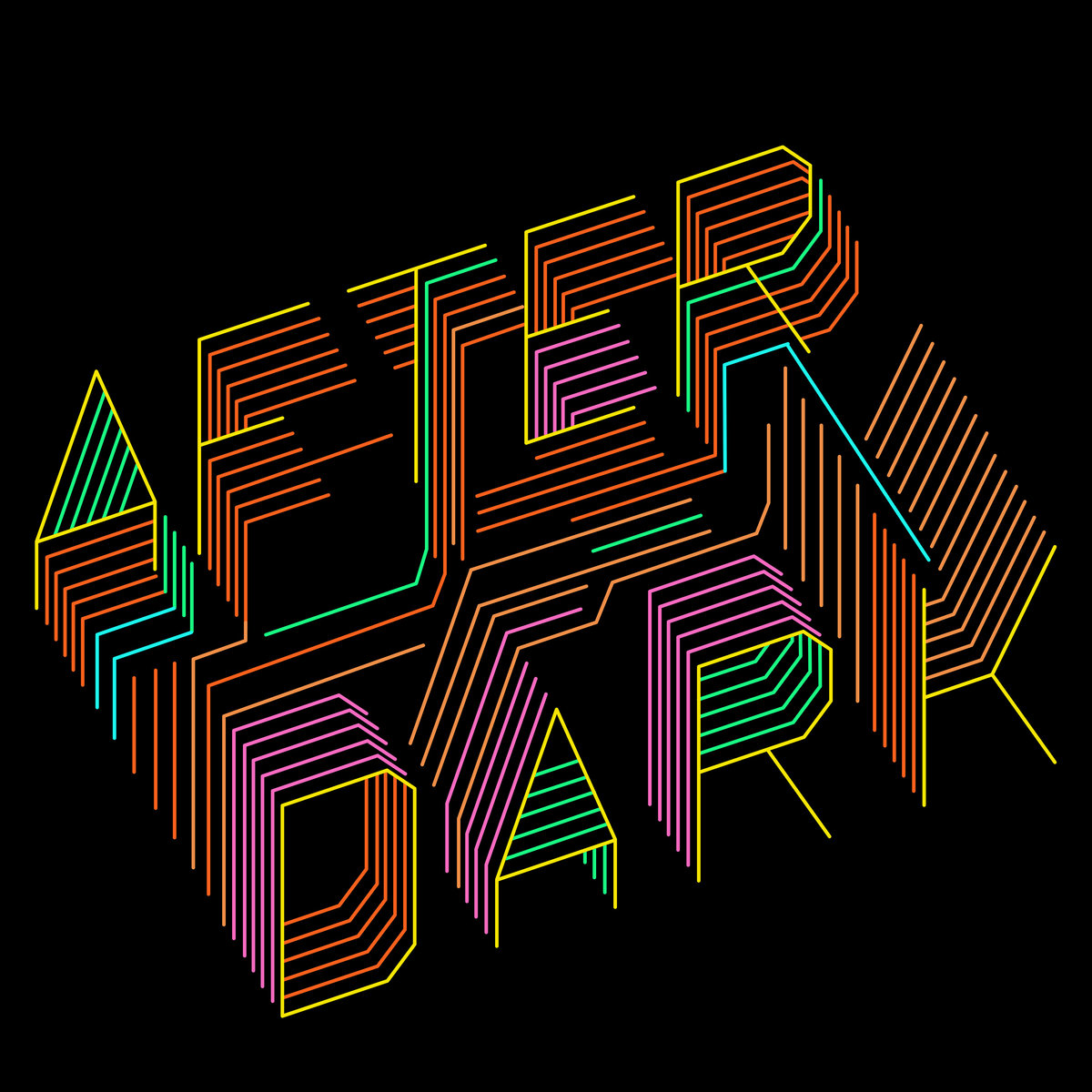
Switched On: Various Artists – Late Night Tales presents After Dark: Vespertine compiled by Bill Brewster

by Ben Hogwood

What’s the story?

Bill Brewster returns to the decks for a new instalment in his After Dark series for Late Night Tales. Firmly entrenched as dance music royalty, Brewster has an encyclopedic knowledge of house, funk and disco, writing and co-writing a number of books and endlessly fascinating booklet notes. This love transfers effortlessly to his DJ sets and the music itself.

As before he has come up with an inventive selection of tracks old and new, plucking a number of rarities from behind the sofa, always with an eye on the overarching whole. Tracks are either brand new or digitally available for the first time.

Brewster describes his selection as “a basement, a red light and a sound system. Or, as the Beasties once rapped, slow and low, that is the tempo”.

What’s the music like?

Not surprisingly, slow and low – and very smooth with it. Brewster, whose modesty is commendable given all the tunes he knows, has come up with a set that casts its net far and wide musically. It’s a selection where the listener will find plenty to satisfy their curiosity.

Brewster’s own work in the studio shines through, joining Alex Tepper for the Hotel Motel remake of Jeb Loy NicholsDon’t Drop Me, the singer professing his love for ‘a little bit of dirt’. Nichols makes an excellent vocalist in this context, though it could be argued that Brewster’s work with Raj Gupta, as Mang Dynasty, is even finer. The pair lend a chunky groove to Khruangbin‘s So We Won’t Forget.

Where Brewster really scores is in the joyful unpredictability of his selections, which turn out to sound great next to each other. A great example begins with the persuasive rhythms of Jana Koubkova’s Nijána, which give way to the Hacienda-tinged vocals of Dan Wainwright and the excellent Come Home.

Island Band‘s Idle Hours is openly joyful, with its choruses of voices and saxophones. Meanwhile Gus Paterson, Fernando and IPG V Hot Toddy all present winsome summer grooves. The former’s Archipelago has a Balearic feel, while IPG’s Open Space explores a classy pool party vibe.

Wrapping things up are a nice bit of electro funk from Rheinzand, the Scorpio Twins remix of Kills And Kisses, and a very smooth, languid groove from Chaz Jankel, Manon Manon.

Does it all work?

It does indeed. The music here is gloriously unhurried, and with each track able to play out there is plenty of space around the notes.

Is it recommended?

Certainly – a great complement to previous releases in the series. Bill Brewster certainly understands what makes a dancefloor tick.

Listen

Buy

Switched On: SareemOne – Olivine Window (VLSI)

by Ben Hogwood

What’s the story?

Olivine Window is no ordinary album. Its origins lie in the Soviet spy satellite Cаяём1 (which translates roughly into English as ‘We speak as one’). This craft, launched in 1983, went missing and was thought to have ditched into the Laptev Sea – though no evidence was found to reinforce this claim.

The details were kept secret until the fall of the Soviet Union in 1988, at which point amateur radio enthusiasts started picking up a new transmission whose frequency was compromising that of other similar, high frequency stations.

This pioneering release collects recordings attributed to the station renamed Sareem1, then SareemOne. They have been restored, corrected and prepared for digital release by Mach V and Andy Gillham, of Echaskech, who have assigned each track a name from the ENIGMA logs where most of the recordings can be found.

The recordings are available digitally, or on cassette – while you can read the full story of the project here:

What’s the music like?

Compelling – and almost entirely weightless. The six compositions have no percussion or meaningful bass, meaning they exist as the original transmissions did – in mid-air. The melodies are extended to the point where each progression has a slow inevitability about it, slow enough to operate as a deep, ambient melody.

The wide-open panorama is established with Losing Nils, which has an air of melancholy, while The BCDE looks upwards to a more fragmented, heavily synthesized melody played over the top.

As the album progresses so the pieces become more substantial, with each maintaining a similar textural blueprint while varying in style. 3TIGHTGAPS has a slide guitar feel, its white noise and slow vibrato both uplifting and incredibly calming. There are hints of percussion in a slightly bassier interference, which also makes itself known in the thrumming introduction to Sol’s Goodbye. This flickers like a flame against broad background strokes, high in the treble range and carefully marshalled.

Between them the last two tracks last over 26 minutes, yet remain compelling to the close listener. Olivine Window itself has hints of the human voice and a diverse range of timbres, though its watery textures remain as a support throughout. Mastaba looks wider still, its textures akin to a massive intro for a shoegaze song, guitar-like sounds rippling over sustained notes. Rich chords and sonorous white noise combine to make the audio equivalent of cotton wool.

Does it all work?

It does. This is very deep ambient music, ideally produced and matching its cover art, which is the striking, immersive Day of Radiance Quilt by Susannah Eisenbraun

Is it recommended?

Yes, without hesitation. The fascinating back story demands to be read, and is more than matched by a soundtrack that does wonders for the mind.

Listen

Buy

Switched On: Mr Scruff – Trouser Jazz (Ninja Tune)

by Ben Hogwood

What’s the story?

To celebrate the 20th anniversary of Mr Scruff’s second album, Ninja Tune are making it available as a 2LP reissue. This is excellent news for DJs and vinyl consumers, for as anyone will know the appeal of Mr Scruff lies not just in the music but in the accompanying art and package. To that end, the LPs are in blue and red vinyl, with artwork from Mr Scruff & Airside with – brilliantly – an ‘infinity peelable trouser sticker on the cover to reveal silver and gold foiled 20th anniversary trousers’.

What’s the music like?

The great thing about this reissue is that it lies wholly in the spirit of the album. Trouser Jazz was a breath of fresh air when it was released in 2002 and it remains the same today. Few tracks bring more cheer than the breezy Sweetsmoke, especially if you experience it via the video:

The vocal guests on Trouser Jazz are extremely well chosen, too – from the beautifully floated delivery of Seaming To, who graces Beyond and Valley Of The Sausages (!), to the fun rapping of Braintax on Vibrate.

There is also a winsome sense of humour running through the album. The well-chosen samples and original riffs brim with optimism, and have a brilliant sense of mischief about them. Listen to Shrimp, as its loose funk and jazzy overtones skate between the beats, or Ug, which has a bass line that is just plain weird. Shelf Wobbler is excellent, with its abundance of percussion and lithe hip hop beat, as is the vibrant sax on Champion Nibble. Scruff always gives good rhythm, but his music often carries a whiff of nostalgia, too. Come Alive wears a light melancholy, looking back towards the Style Council in its bass.

Does it all work?

It sounds as good now as it did in 2002!

Is it recommended?

If you didn’t buy it originally, what are you waiting for?

Listen

Buy

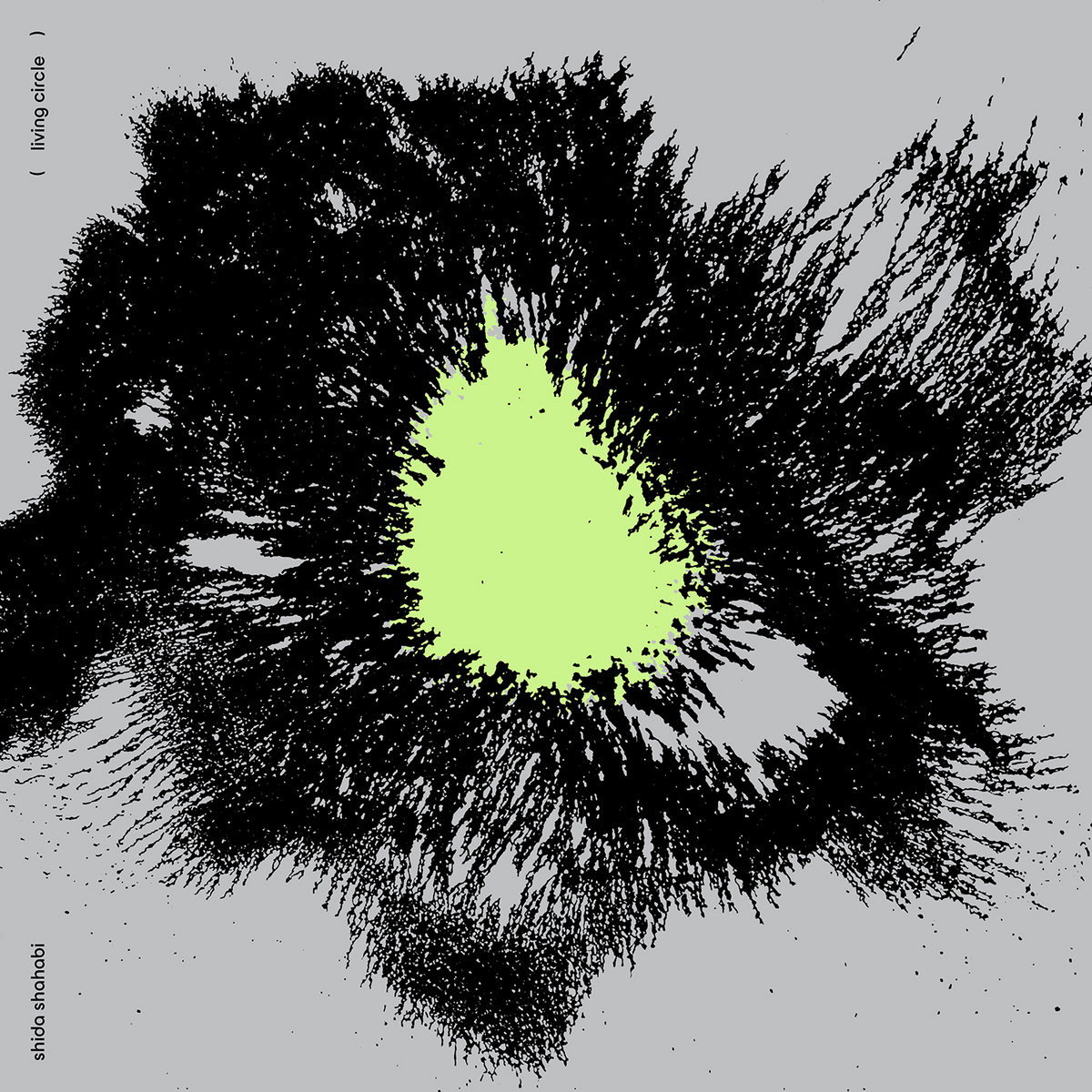
Switched On: Shida Shahabi – Living Circle (130701)

by Ben Hogwood

What’s the story?

For her second album, the Swedish-Iranian composer Shida Shahabi reaches beyond the intimacy of the piano, looking for bigger surrounds. Homes, her first album in 2018, drew acclaim for its intimacy and storytelling from the solo instrument, but this time the unhurried music has a bigger stage from which to make itself known.

What’s the music like?

Deep and meaningful. This time Shahabi operates within larger structures – two tracks push ten minutes, while two are just shy of seven. With that said, the seven tracks are effectively movements of the same suite.

Living Circle begins in meditative mood. Over a low drone, featuring scrunched up double bass parts for Gus Loxbo, a lone cello (Linnea Olsson) intones a chant of deep resonance for Kinsei. This opens out beautifully into the wide-open textures of Deep Violet Of Gold. The cello is present here too, in its rawest form, but the melodic lines reach for higher points to a backdrop of soft, cloudy textures. Gradually the backdrop cracks under the weight of white noise, and the track becomes a great whoosh of sound through which the low cello can still be heard, before reaching a remarkably powerful coda. The title track brings in softly tolling piano, over which the cello lines soar as though on the wind. The music takes slow twists and turns, telling a deeply spiritual tale.

After these two substantial tracks the music pulls back for a thoughtful meditation, beautifully managed in Aestus, which, like Deep Violet Of Gold, features the pure tones of vocalists Julia Ringdahl and Nina Kinert. Tecum is more of a portrait, shaded by electronics and a cloudy backdrop taking Shahabi’s music closer to the world of science fiction. The increasingly serrated bass tones suggest a threatening presence.

Remain is a calming response, initially with lightly brushed solo piano but with the gradual introduction of touching strings from the back to the front. To close, Tree Mountain is rich with thick ambience, one of those drones the listener can dive into, while the solitary cello intones again, recreating the atmosphere if not the same music as the start.

Does it all work?

It does – but for maximum impact listening to the whole album is recommended. An immersive listening experience is also more rewarding, either on headphones or a surround sound system, allowing Shahabi’s manipulations of perspective to cast their full spell.

Is it recommended?

Yes. Living Circle is an absorbing, compelling album that shows just how far Shida Shahabi is developing as a composer. Her music makes a lasting impression.

Listen

Buy

Switched On: Amongst The Pigeons – Embrace The Point Of No Return (Peace & Feathers)

by Ben Hogwood

What’s the story?

Two years on from Silence Will Be Assumed as Acceptance, Daniel Parsons dons the feathers once more for his fifth album under the pseudonym Amongst The Pigeons. While the excellent 2021 opus railed against the pandemic and its accompanying politics in the UK, this one charts a more personal journey.

Daniel has always been refreshingly open about the anxiety with which he has to battle on a regular basis, and armed with a weighty production arsenal he has come out all guns blazing to take it on. Alongside the writing of this album his discovery of the benefits of running means Embrace The Point Of No Return – its title inspired by a Disclosure song – has a distinctive and regular spring in its step.

What’s the music like?

This is an album that fizzes with kinetic energy, moving with purpose but enjoying the scenery on its journey too. Parsons’ knowledge of electronica past and present informs his musical moves, but that doesn’t mean his writing is derivative in any way – merely that it is economical with its abundance of inspiration. For this is a set of tracks packed with melodic content, busy rhythms and uplifting chord progressions.

Among the many highlights are Nightshade, where an excellent, slightly slower number is spiced up with Caribbean flavouring. Swipe For Latex has a cheery disposition, bright colours and distinctive earworms. The title of This Is More Than I Signed Up For suggests the point in any run where the runner is questioning why they’ve gone out in the wind and the rain, but again it is characteristically shot through with upbeat musical motifs. By contrast Who Do You Have To Go Home For? has a slightly softer centre as it answers the question.

Elswhere tracks like And Then We Dance Again and Shatter To Mend head for the middle of the floor, happy to lose themselves in musical bliss. Trespass, meanwhile, makes a successful and nippy getaway run.

As with previous albums Parsons doesn’t hang around, meaning each track, developed in his garden shed, is finished through economical means while throwing in some nice touches of humour.

Does it all work?

It certainly does. This is a wholly instrumental album, meaning the observations of Acceptance are not so immediate – but if you listen closely Embrace The Point Of No Return still has a lot to say.

Is it recommended?

Enthusiastically. Amongst The Pigeons has proved a consistently rewarding source of beat-driven music, and it delivers in spades again here. If, like Parsons, you want to counteract anxiety or if you are a keen runner, get this as part of your soundtrack. It is a very giving companion!

Listen

Buy