Switched On – Sunroof: Electronic Music Improvisations Vol. 2 (The Parallel Series / Mute)

by Ben Hogwood

What’s the story?

Daniel Miller and Gareth Jones are the electronic music equivalent of London buses. After spending the best part of four decades on their first collaborative album of improvisations, released under the Sunroof umbrella in 2021, they have knocked up the second round of musical trades in a matter of months. The instinctive musical understanding the pair have is brought together in a series of eight improvisations. This time they opted for more space, and allowed their ideas to either knock against each other or to get carried along with the flow.

What’s the music like?

Always intriguing, and with a spirit that carries the listener right back to those first collaborations in 1982. Miller and Jones find that the instinctive approach bears fruit, as does the decision to give their ideas more space.

At times their music evokes a busy beehive, or semi-repetitive industrial processes. The feeling is that of constant development, the pair able to bring forward interesting motifs, rhythms and textures in a spirit that recalls early electronic invention from the likes of Cabaret Voltaire.

January #2 concentrates on small fragments, moving together or against each other like tiny life forms squeezed into a small space. These are set against a longer drone, before shrill sounds from a triangle-like percussion begin to dominate. The music of July #2 suggests a series of codes, with voice-like fragments and bleeps put into the mix. November is a broader canvas, initially darker with more acidic sounds before panning out to reveal a more industrial landscape.

July #3 buzzes only briefly in comparison to July #1, which is a hive of activity and incident, its voice given a disconcerting Dalek edge. Meanwhile October brings in the most obvious rhythm, reminiscent of a game of ping pong but with accompanying synth arpeggios that bubble with activity. January #1 explores bell-like sonorities and acidic timbres, expanding to cavernous reverb in the process.

Does it all work?

It does, though sometimes the feeling is that Sunroof could have gone even further with their ideas, for their imagination is certainly fertile enough.

Is it recommended?

Very much so – a compelling set of improvisations that offers a ready complement to the first volume. Hopefully Miller and Jones are just getting into their stride, and we will hear the fruits of more Sunroof collaborations in the near future.

Listen

Buy

Switched On – Optometry: After-Image (Palette Recordings)

by Ben Hogwood

What’s the story?

Optometry is a new collaboration between John Tejada, known as a quality source of largely instrumental techno, and March Adstrum, a guitarist and vocalist of intriguing musical stock – her parents played baroque violin and she toured backstage with a number of their ensembles.

The press release describes how the band focus on themes of life, love and loss, weaving seductively melancholic textures together with synths, drum machines, guitars and bass.

What’s the music like?

The reason for quoting the press release above is that it presents a wholly accurate description of what has the potential to become a very strong musical outfit. Optometry make intriguing and subtly unpredictable music, cool to the touch but with more than a little emotion bubbling beneath the surface.

When it starts, After-Image sets out its stall to become a quality source of sharp edged electronic pop, but as it unfolds there is actually more to it, as Tejada and Adstrum make room for some experimentation and a number original thoughts.

Chameleon struts out confidently, with a strong beat and a vocal of glassy clarity. Technicolor is bathed in bright harmonies, but the experimentation bears fruit in Falling, featuring Mason Bee, which adds an intriguing bit of bossa flavour with sighing strings. Bee reappears on Larger Than Me, a vulnerable song that asks repeatedly, “do you still think about me?” By contrast the closing Cathedral is worth noting, too, a short sound poem that paints an impressionistic picture of sound, with plenty of echo and refraction that brings snatches of vocal and great, wide spaces to the listener’s ears.

Does it all work?

Pretty much. The only criticism to level at Optometry is that on occasion it feels like their ideas could be more fully developed, especially Cathedral which hints at a haunting ambience it would be great to hear more of.

Is it recommended?

Yes. An interesting listen, and evidence of the musical versatility that John Tejada and March Adstrum hold. It’s a grower, too.

Listen

Buy

Switched On – Blank Gloss: Cornered (Kompakt)

by Ben Hogwood

What’s the story?

This is the third album from Sacramento duo Blank Gloss, following up their Melt debut from February 2021 – which made a strong impression on Arcana around its release.

For this record, Morgan Fox (piano and synthesizers) and Patrick Hills (guitar) united for just two days at the studio in Sacramento in December 2020. During the sessions the music came together quickly, Hills benefiting from the use of a MIDI pick-up on his guitar that gave it a darker sound.

What’s the music like?

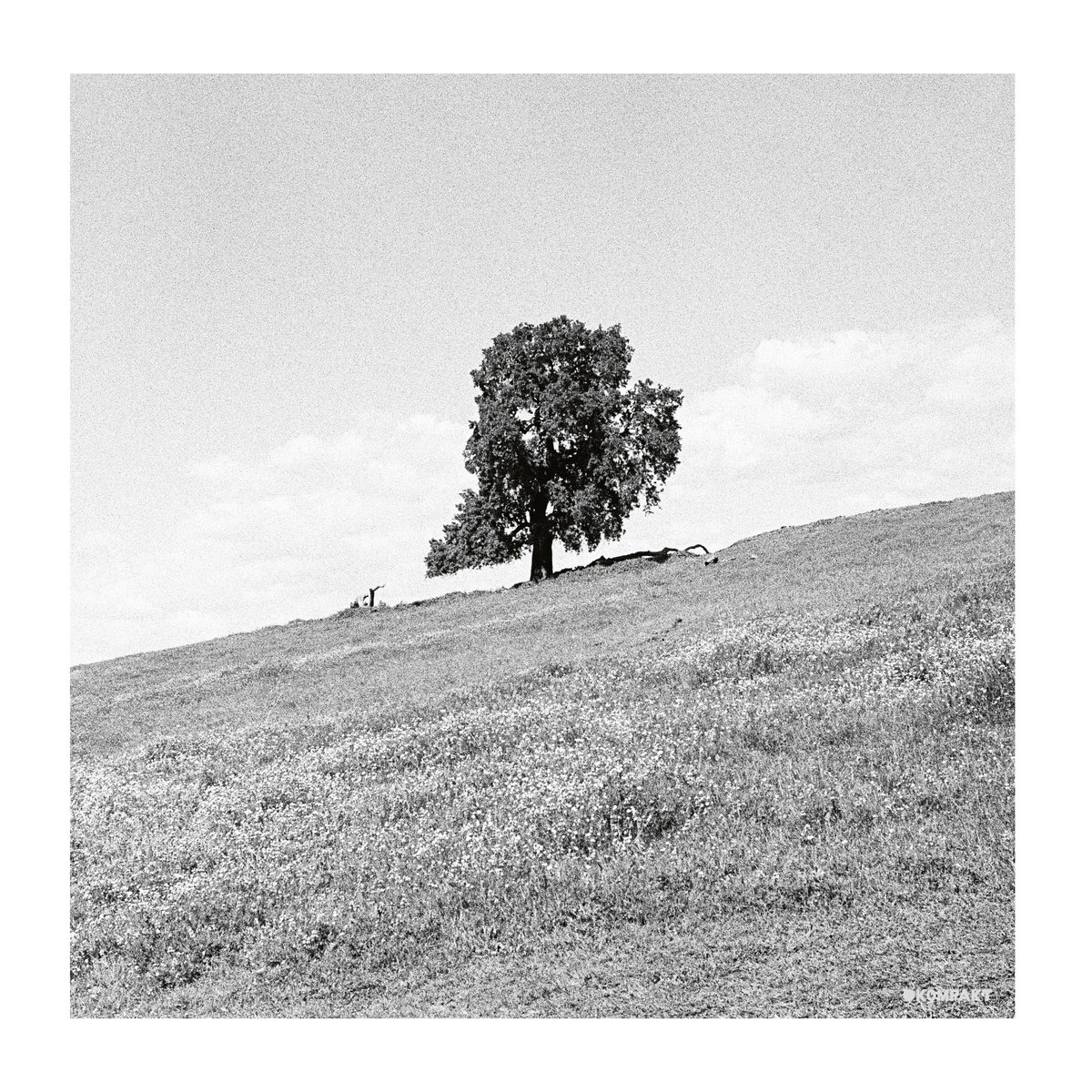
There is a sparseness to the music of Blank Gloss this time, stripping their music back to the bare elements while looking to still paint pictures of the great outdoors. In many respects the cover encapsulates this approach, replacing the dusky orange cloud of Melt with a black and white image, a single tree in a field. The tree represents some of the inner detail Fox and Hills bring to their music, while the listener can almost feel the wind in the long grass around.

To start with, the duo take their listeners and place them once again in a huge space under a starry sky, the reverberant guitar track of Sender replicating the ‘ambient Americana’ of the previous album. Yet this time there is a sense of unease, perhaps reflecting the lockdown conditions under which the recording may well have taken place. The piano for Dusted has a distracted thought pattern, reflecting nagging pulses and signals from outer sources.

By contrast the extended No Appetite, though reserved in mood, has a soothing and sustained set of chords in which the listener can float, and Salt is similarly static. On The Ground pans right out to take in solemn piano threads and ambient outdoor noises, while Soda Lake bubbles under the surface, its positive energy just held in check.

Dressed Alike finishes the album with a warm glow.

Does it all work?

Yes. The less is more approach works really well, giving opportunity for the listener to place their thoughts. The colours given to the piano and guitar are carefully managed and beautifully achieved, with a damper often applied to the keyboard to soften the attack.

Is it recommended?

Yes – a strong complement to Melt, but a sign that Blank Gloss are moving on in their thought patterns and musical phrasing. Cornered feels like a wholly appropriate response to the troubles of the world, and while sombre in mood it offers ample consolation for darker times.

Listen

Buy

Switched On – Maps: Counter Melodies (Mute)

by Ben Hogwood

What’s the story?

James Chapman is breaking new ground with his fifth long player under the Maps pseudonym.

Whereas we have previously admired his crafting of richly coloured soundscapes and winsome melodies, Chapman has gone for broke this time and made a number of concessions in the direction of 1990s dance music.

This brings a whole new element to his style of compositions, and an album that began to form in the wake of his 2019 opus Colours. Reflect. Time. Loss. now has its own platform. In addition, Counter Melodies is structured as a DJ set might be.

What’s the music like?

In a word, euphoric. James Chapman has been sitting on this natural instinct for a while, and right from the dazzling salvo of synths starting Witchy Feel it is clear that he knows exactly how to make people dance.

As Counter Melodies progresses, the energy levels remain turned up to the max. Windows Open is upfront and brightly coloured, while a plethora of rave references and rhythm patterns lead to euphoric breakdowns, best experienced in the likes of Lack Of Sleep – which was indeed inspired by insomnia, a time of worry put to good use.

Heya Yaha demonstrates a rhythmic versatility we haven’t seen before from Chapman, with a really good rhythm, given a more jagged profile. Thru Lights is lent an exotic colour with what sounds like a cimbalom, typical of this album’s willingness to throw expectations out of the window.

Does it all work?

It does – colourful, energetic and pleasingly rough around the edges.

Is it recommended?

Very much so. A surprise for Maps fans, which may take a little bit of getting used to – but James Chapman has succeeded in bringing the living, breathing, sweating dancefloor right to the middle of your living room.

Listen

Buy

Switched On – Henrik Lindstrand: Klangland (One Little Independent)

by Ben Hogwood

What’s the story?

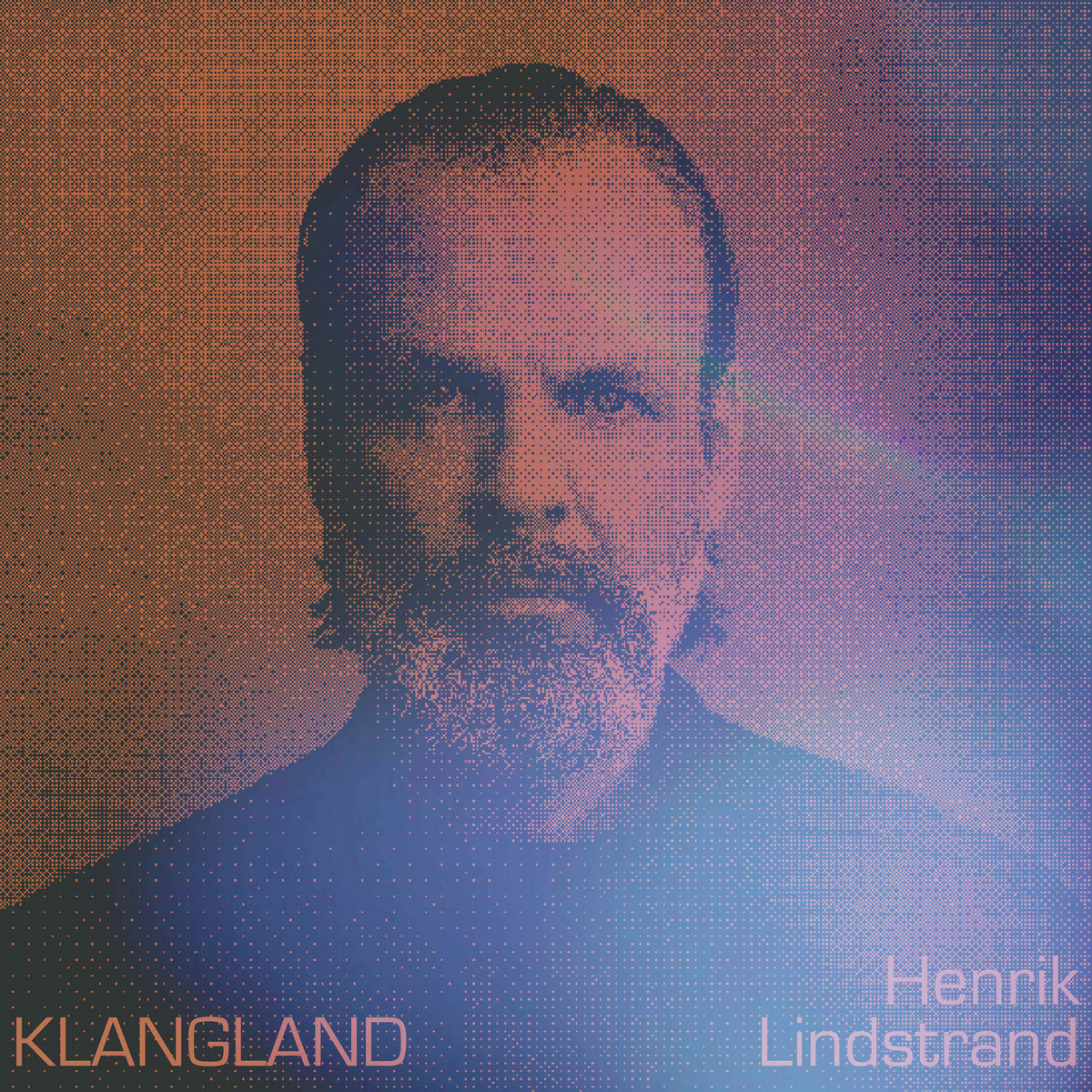
Having completed a solo piano trilogy, Henrik Lindstrand felt the need to expand his musical horizons. He chose a 16-piece string ensemble, who recorded the material for Klangland in Berlin under the direction of conductor Robert Ames and engineer Francesco Donadello.

Lindstrand’s aim in this music is to work with compressed musical ideas but communicate them in a powerful emotional manner. The title of the album, Klangland (translating as Soundland) suggests this will be done in a series of sonic portraits.

What’s the music like?

Both simple and effective. The ‘simple’ observation is not meant as a sleight, rather an observation that Lindstrand is able to work minimal material into something deeply meaningful. You only have to listen to the first piece, Jord, to see the immediate impact this music can make. The string sound is malleable, the strings often playing without vibrato to secure a sound of glassy clarity. This particular track takes in an airy panorama, with silvery violas, slightly gritty cellos and serene violins – and the timely addition of a piano at the end.

Throughout, Lindstrand’s use of strings is a cut above the ‘standard’ usage, using them economically and effectively. Post finds them almost stock still, using harmonics with no vibrato, before warmer thoughts emerge lower in the range, a solo viola added to the mix. The phrasing in pieces such as Tumlare takes the music deeper, with swooping figures towards the end imitating birds on the wing, having helped contribute to a spacious backdrop with rippling piano.

The piano prompts the internal musings of Gammafly and Tuvstarr, the textures crisp and cold, and with the free thoughts of the cello added to the latter. Cellos are key to the success of Millimeter, where the composer explores a more urgent series of melodic lines, spreading out to the wider extremes of the instruments.

Lindstrand’s cinematic abilities are frequently seen, in the opening out of Leva’s melody, or the instrumental doubling and subtle brush work on the drums that help paint such a vivid picture for CPH-ARN. Klangland itself is the crowning glory, rich in colour and enjoying a modal melody from the piano.

Does it all work?

It does. Lindstrand’s concentrated approach means the subtle intensity of his writing never lets up, and closer listening reveals the attention to detail in the orchestration. You can even here the pedals of the piano in closing track Hvid, for instance!

Is it recommended?

It is. In a crowded field, Henrik Lindstrand has a distinctive voice and music of subtle yet deep meaning.

Listen & Buy