Here is a bookmark for your diary – the next release from celebrated ‘archive band’ Public Service Broadcasting will be an official vehicle for their centenary tribute to the BBC, first heard at the 2022 BBC Proms.
This New Noise will be released on 8 September, a celebration of the power of radio led by the band but with a key role for the corporation’s flagship ensemble, the BBC Symphony Orchestra. They appear under the guise of arranger and conductor Jules Buckley, their Creative Artist in Association. He has an impeccable record for bringing orchestras into contact with other genres in a totally natural way, as seen in the Pete Tong Ibiza Proms and a number of excellent soul collaborations.
Here is a taster for the release, the elegant and rather moving Broadcasting House:
The enigmatic title of this EP hints at a thoughtful period in Tristan Arp’s musical output. Currently based in Mexico City, he has produced this set of five tracks that, in the words of his press release, ‘hints at timelines, lifecycles, and the shifting perspectives that come with zooming out from a human lens.’
What’sthemusiclike?
Rich in colour and detail – and almost entirely percussive. Every sound at the start of the title track originates from something being struck, either delicately – as in the hi hats – or with strong expression, as in the bongos, tuned percussion and bass. Gradually wordless voices come into view towards the end, bringing much to reward the exploratory ear.
Arp continues with his intricate, syncopated rhythm tracks, the percussion making their own melodies above fragments from elsewhere. Branching Streams definitely suggests a more watery picture,
Panspecies Rights is a busy track, a really evocative vision of ‘every life form rising up in protest’ with its urgent percussion lines. A Livable Earth works as a response, panning out for a more spacious look at things but still with the forensic, insect-like detail in the foreground.
Finally, The Language Change suggests a new language for non-human communication and does so initially with a series of short phrases and clipped sounds, before sweeping cello-like phrases suggest more expressive thoughts.
Does it all work?
It does, though you need the right environment to get the most out of Arp’s music. Make sure you are somewhere that can cover all the frequencies.
Is it recommended?
It is, as an imaginative concept and set of tunes. Once again Tristan Arp has made electronic music with both eyes on the future.
Fredfades is the name under which the versatile and well-travelled Norwegian producer Fredrik Øverlie records. With hip hop and rap on his CV, Øverlie – also an accomplished DJ – is using this album as a way of documenting his travels and some of the many musical styles he has encountered, showing off his versatility at the same time.
Caviar is his second Fredfades album, following six years after the release of Warmth. It features a number of guest vocalists.
What’sthemusiclike?
Caviar is a really strong album, packed with durable riffs, feelgood vibes and strong beats, knitted together to make a strong album that has the ideal ebb and flow.
The title track gets us underway, an accomplished poolside jam that sets the scene for a record that proves willing to look back as much as it looks forward. That much is clear in the rolling ‘90s beat of Winner, one of Øverlie’s finest moments, with its catchy vocal snippet giving it the ideal club vibe. Well, Well, Well does brilliantly in this respect too, using a riff on the glockenspiel that really stays put!
The vocal tracks are on point, too. Bendik HK brings the heat to Summer Of Love in tandem with a peak time piano riff, while Kristian Hamilton lends smokey tones to My Heart Is On The Edge. Tenerife 1994 goes deeper, Krushed Ice joining for a well-worked tribute to Pharoah Sanders that would please the likes of Kevin Yost – while the Balearic vibe is strong on Intuition, where MoRuf’s ‘you are one of a kind’ vocal makes a strong impact.
Does it all work?
It does – the proportions of each track are just right, meaning the album flows really well.
Is it recommended?
Definitely. This is an album to keep close to your ears as the summer warms up!
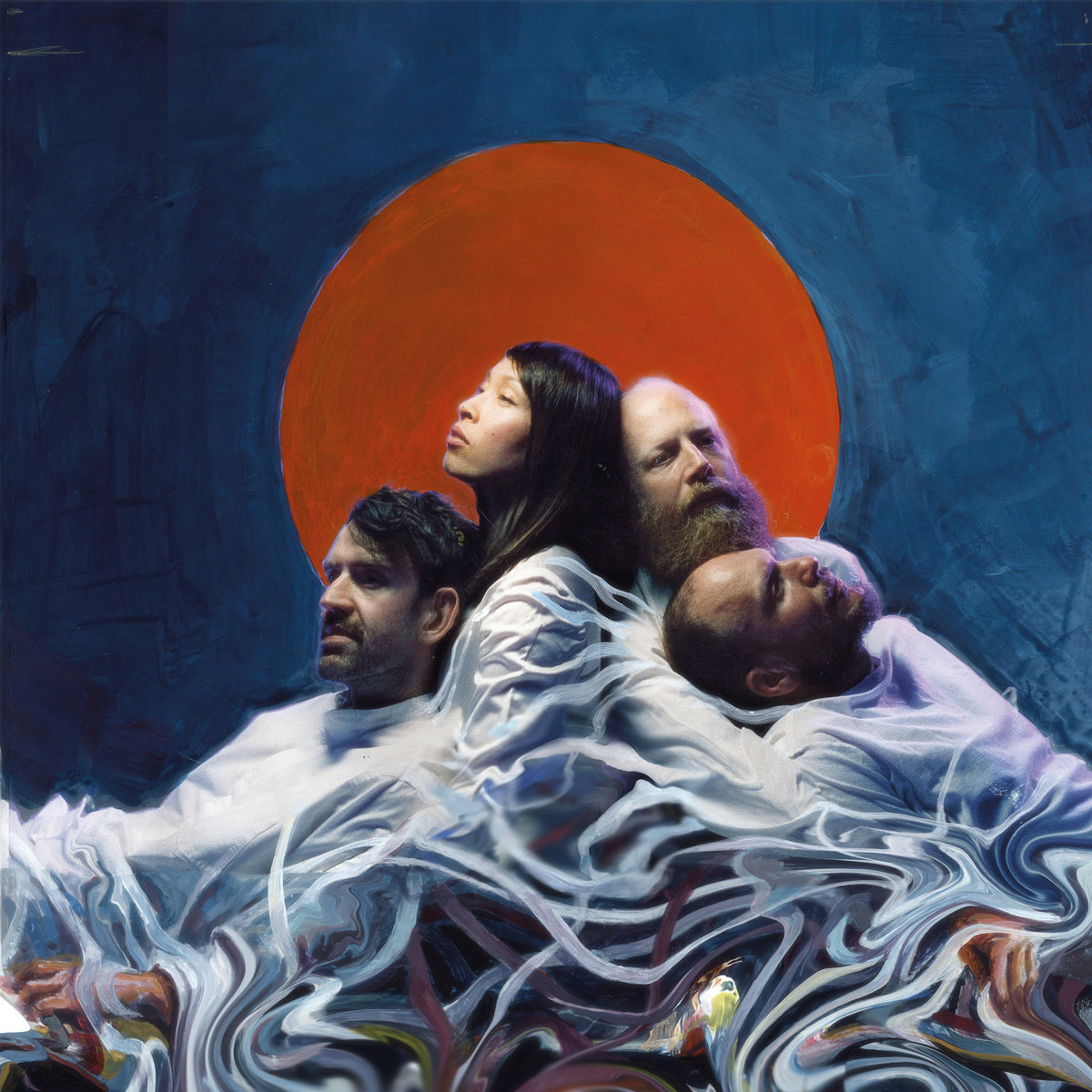
Gothenburg band Little Dragon have reached their seventh album, which is an extraordinary statement to make about a band who still feel so new. It only feels five minutes since their songs Twice and Test were marking them out as the next band to watch, but those songs are now fifteen years old.
Slugs Of Love finds the band in a good place, however, with Yukimi Nagano leading them in a clutch of assured new songs.
What’sthemusiclike?
There are some excellent songs on this album – some of the band’s finest, in fact. The title track finds Nagano on playful form but also shows how distinctive the band have remained in their fifteen years. Contrasting this is Glow, a profound utterance with guest Damon Albarn, a longer song that works really well and hits the emotional depths.
The band hit the heights through a number of songs. The influence of Price comes through on Frisco and Disco Dangerous, while Gold leans heavily on Whitney Houston’s Million Dollar Bill for its material. Meanwhile Kenneth is an airy yet poignant tribute to a childhood friend.
Does it all work?
Yes, thanks to consistent and inventive songwriting and music making. This is Little Dragon making excellent, left of centre pop music that knits together really well.
Is it recommended?
It is – album number seven being one of the band’s best to date.
Tiny Leaves is the name under which mult-instrumentalist and composer Joel Pike operates. Having toured the US recently with Julianna Barwick, he has worked closely with nature, writing music for the RSPB compilation Simmerdim: Curlew Sounds.
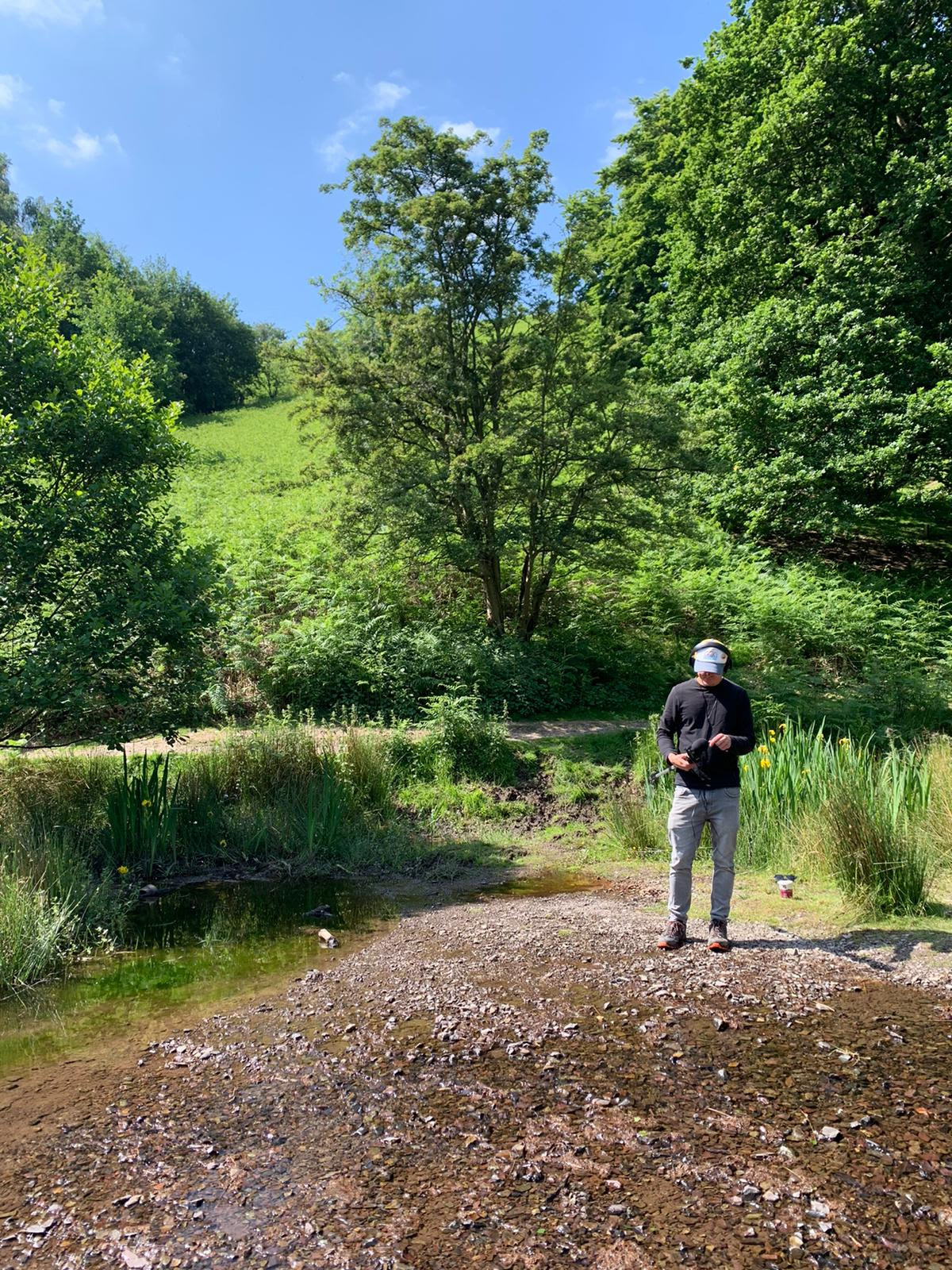
Mynd is his fifth album, and is intended as a portrait of the Shropshire hills and valleys near his home. While strings and piano are used, arguably the most important instruments are those of the field recordings Pike has sourced from his residency with the National Trust at The Long Mynd, an Area of Outstanding Natural Beauty.
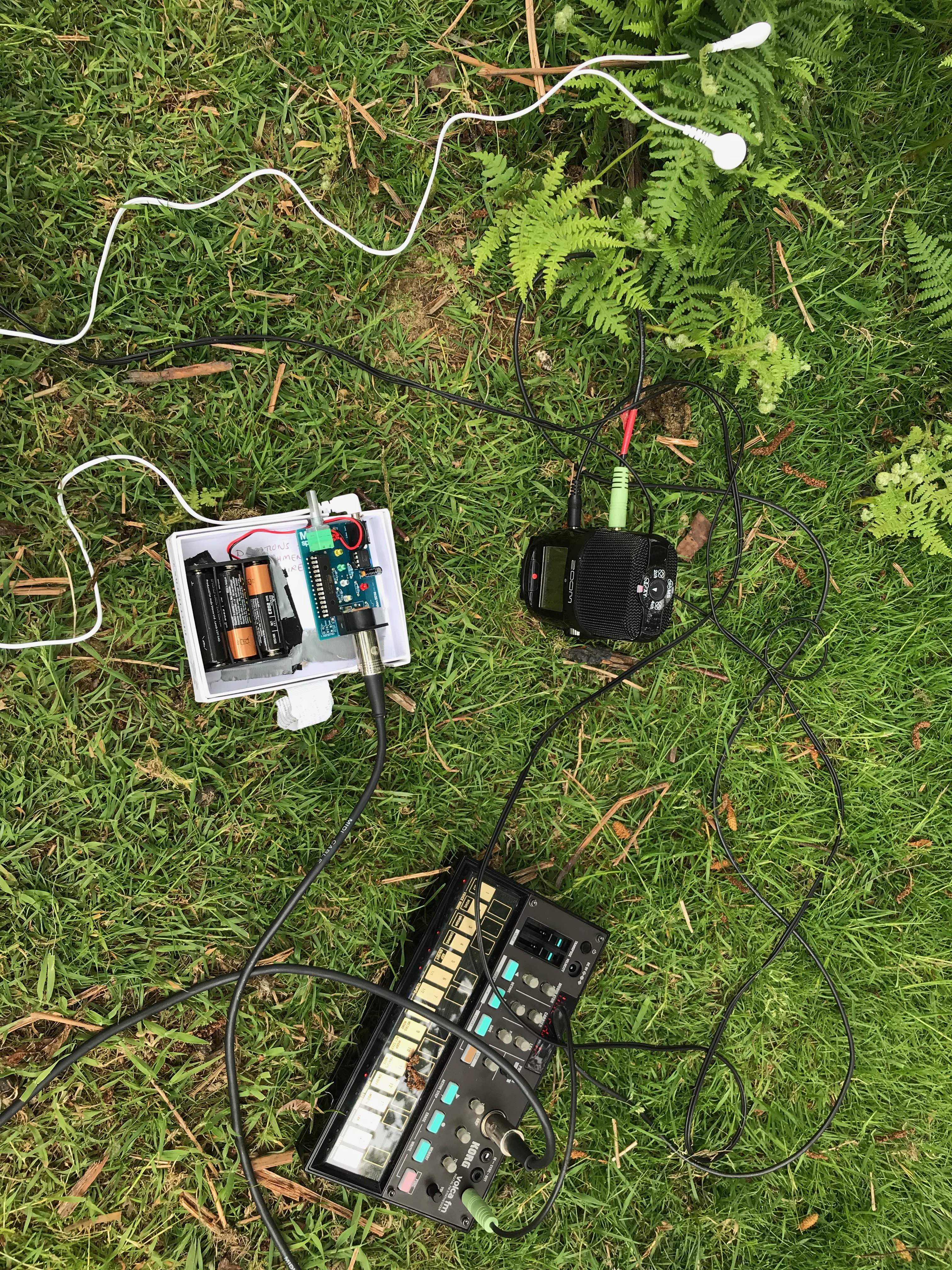
With that area very much in mind, Pike looks to reflect its beauty in sound. In this he is mindful of the pandemic, which brought home the fragility of nature but also the sounds it makes when you listen closely. Yet Pike has been listening more closely than anybody, using a biodata kit to sample the pulses of trees, by way of electrodes attached to their leaves.
What’sthemusiclike?
To get the full benefit of Mynd, an immersive approach is best. Sit in a still room and listen through headphones or in the middle of a stereo picture, and you will get a full sense of the perspective and beauty of The Long Mynd. This is because Pike makes nature the soloist, but dresses it with music of attractive, verdant colouring and consonant harmonic and melodic cells that speak of growth and flourishing life.
This is of course in contrast to what we know of the environmental problems through the world, but it is so heartening to have a celebration of nature’s resolve in this way. Lower Valley, while it pipes through the chatter of people in the middle distance, is taken over by a burrowing violin line and silvery harmonics (beautifully played by Faith Brackenbury) with distant birdsong.
Pike makes rather beautiful use of mottled piano lines, acting as the basis for more fluttery sounds up top from violin in Portway and With The Hollow At My Feet. By contrast Long Mynd Snow carries the chill of winter in held string harmonics and cold chimes from the piano.
The close inspection of tree sounds are fascinating. Song Of The Trees – CMV 2 has violin drones and slightly mysterious, plucked motifs along with rich morning birdsong, which move straight into the watery Ascent From New Pool Hollow. Meanwhile, Together, Alder is about the discovery that Alder trees communicate through their roots through a frequency corresponding to A3 on the piano. Naturally this appears in Pike’s mysterious response.
The unmistakeable sound of the curlew comes through in Pike’s RSPB contribution, Runner, Messenger ii, the bird’s call complemented by guitar and rounded piano chords. while Pike evokes harebells in the fluttering piano of Campanula Rotundifolia.
Does it all work?
Yes – this is an album best experienced as a whole, with the sections linking beautifully. Pike has an instinct for large-scale composition, the result being that this is really a single suite of 11 movements.
Is it recommended?
Very much so. Mynd is a beautiful antidote to our busy, technology-dominated lives, reminding us of the complex beauty of nature in a deceptively simple way. You will emerge from your encounter with this album as a calmer, lighter soul – and that’s guaranteed!