Switched On – Stereolab: Pulse of the Early Brain (Switched On, Vol. 5) (Warp Records)

Reviewed by Ben Hogwood

What’s the story?

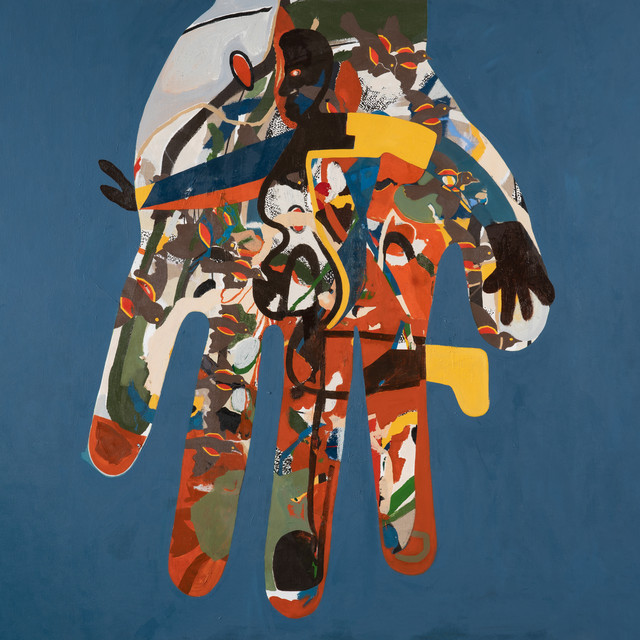
The latest – and possibly last – in Stereolab’s Switched On compilation series brings together a range of projects from the 1990s and 2000s, tying up a number of odds and ends.

Two of the tracks (Robot Riot and Unity Purity Occasional) were written for sculptures made by Charles Long. The song for the latter, to quote the band, ‘is channeled through three tubes that simultaneously blow the visitors’ hands dry with warm jets of air’.

Other titbits and rarities include the limited edition Symbolic Logic Of Now!, XXXOOO from 1992, and a track for a Peter Thomas Sound Orchestra compilation album (Blaue Milch).

The biggest feature of the album, however, is the double collaboration between Stereolab and Nurse With Wound from 1997. Lasting 40 minutes, these two longform works were released on coloured vinyl.

What’s the music like?

This is a really enjoyable set of miscellaneous musical treasures, for as we have learned in the previous releases there is barely such a thing as a Stereolab cast-off that isn’t worth listening to.

The extended Nurse With Wound collaborations are especially rewarding. Simple Headphone Mind trips along nicely with enjoyable squiggles, and leads into Trippin’ With The Birds, adopting the same key but utilising an even more experimental approach. There is lots of electronic trickery, the birds making themselves known in a variety of different and imaginative ways.

The collection is well-sequenced, moving backwards and forwards between the earliest material of 1992 and the more dense offerings of later years. The Low Fi EP is a lot of fun, varoom! starting with a driving beat and typically sonorous vocal from Laetitia Sadier and disappearing in white noise. Laisser-faire has a more communal vocal, set back in the mix from the big beats, while Elektro [he held the world in his iron grip] gets some wonderfully woozy electronics together.

ABC feels especially low-fi, with a grubby riff, while Robot Riot is excellent. We don’t hear so much on the vocal front from Laetitia Sadier in particular on this compilation, but we have never heard her voice in the way it appears after Autechre have finished with it. Their remix of Refractions In The Plastic Pulse is an out of body experience, a dislocated vocal married to some particularly busy beats.

Does it all work?

It does, though this collection does now feel like a set of assortments given that these are seemingly the last remaining rarities to be hovered up and collected in the corner together.

Is it recommended?

It is – certainly to completists of the band. Those new to the treasures of Stereolab might want to pick up earlier on in the series, but are advised that this is still an extremely worthwhile addition to the collection.

Listen and Buy

Switched On – Ströme: Nr. 2 (Compost)

Reviewed by Ben Hogwood

What’s the story?

Ströme, the Munich-based duo of Mario Schönhofer and Tobias Weber, have put together a heavily loaded debut album for Michael Reinboth’s renowned Compost Records, closing in on 30 years of existence. Much of the album is instrumental, but for three songs they have been joined on several tracks by Franz Ferdinand founder member Nick McCarthy, who grew up in the region.

The instrumental work is loaded with analogue synths, most notably the Moog IIIp modular model that a certain Giorgio Moroder used on Donna Summer’s I Feel Love – and yes, it’s the exact same instrument!

What’s the music like?

Really enjoyable, and nicely worked between dance-driven workouts and chilled out horizontal tracks. Among the highlights are the nicely pointed Niki, with chunky bass and a nice, floaty treble line, and Panta Rhei, which has a string cosmic disco vibe that would certainly appeal to fans of Todd Terje. Trang & Flinky has similar vibes, utilising sharper analogue tones. Wasser is one of the most successful downtempo tracks, finding warmth and space.

The Nick McCarthy collaborations work really well. Das Modul is especially good, with a great vocal hook and lyrics that could easily come from the work of Philip K. Dick. The extended Stadlberg has a wistful tone, with a driven beat borne of Krautrock and a lovely set of sonorous long notes up top.

Does it all work?

It does. Overall the album is on the long side, but Ströme show good structural awareness with the variety of styles and speeds they feed into their music.

Is it recommended?

Yes – anyone familiar with the Compost label will recognise Ströme as an excellent musical fit, and anyone loving a bit of classic synthesizer action will be well advised to stop by and indulge.

Listen and Buy

Let’s Dance – Yamagucci: Baba Yoga (Maccabi House)

Reviewed by Ben Hogwood

What’s the story?

Baba Yoga is the first album from Israeli-Japanese producer Yamagucci, who has been making a name for himself through associations with the Diynamic, Disco Halal and Maccabi House labels. It is on the latter that his new long player is released, though given the circumstances around which it was made it is something of a miracle that it was completed at all.

Yamagucci began work on the album in Tel Aviv in 2020, but sustained severe injuries in a bike accident that meant he had to move back to his parents, all during the pandemic. Music and yoga were his coping mechanisms (hence the inspired album title!), and soon both were channelled into a creative vision, which Yamagucci calls ‘a recovery process for my body and soul’.

What’s the music like?

Omer Relex, the first track, is a sultry blend of soothing vocals, very deep beats and warm textures, within which fragments of melody operate. The mood is laid back but the beats bring energy too, establishing a springboard from which Manali Kofta benefits, Yamagucci upping the funk quotient. Adam Ten guests on his own label as part of Desert Fantasy, an atmospheric cut,

Pandemic whips up more energy, as though getting rid of a build up of angst with some noticeably quicker and more energetic beats. By contrast, Jim Jim, with Dor Danino, is stripped back, a disco-house beat given minimal scraps of bass and clips of noise but still creating a heat-soaked atmosphere nonetheless.

On occasion a smoky, dusty feel makes its way into the productions. Make Revolution, with its twisted robotic vocal, is a gritty example, blending deep house with more urban persuasions in a way similar to Lil Louis. Loco has a similar profile, with chunkier beats, while Follow The Hihat, with the vocals of Millero, goes lower still, playing with perspective rather effectively.

Does it all work?

Pretty much. The beats may be of the solid four-to-the-floor variety, but Yamagucci is always at work within, creating interesting cross-rhythms and collections of mini hooks.

Is it recommended?

It is – a strong 8-track collection that hangs together really well and creates evocative pictures. The darker the club and the warmer the climate, the more suited they are for Yamagucci’s productions. Recommended especially for deep house heads.

Listen

Buy

You can hear clips from the album and purchase from the Traxsource website

Switched On – Hot Chip: Freakout/Release (Domino)

Reviewed by Ben Hogwood

What’s the story?

When Hot Chip reassembled after the enforced lockdowns of the Coronavirus pandemic, they found a rich vein of creativity. Much of the inspiration for this came from their live cover of Beastie Boys’ Sabotage, a setlist favourite that explores the idea of being out of control in dance music.

With guitarist Al Doyle putting together a new studio in East London for the band to use, they set about losing control together and making their next album. The idea of losing control, however, extends to human emotions and specifically those that were on the edge in those dark years. That means while some of the music on this album is slower, its lyrical content and resolve is deeper too.

What’s the music like?

Multilayered. Hot Chip are masters at making pop music that works brilliantly on its own terms out front, but which has a number of different messages when you delve deeper into it.

Freakout/Release is no exception, addressing issues such as confidence within ageing, the changing habits of consumption in music and emotional fragility.

The album struts confidently onto the floor with Down, immediately showing the double meaning potential, but giving a tonic to the album which is immediately reinforced with the warm-hearted Eleanor. By this point the music has a feel reminiscent of a returning old friend, but soon the tone changes.

The title track has much more anguish about it, and a darker tone. “Music used to be a love, now people leave it or take it” is the pointed observation. The clever wordplay on Hard To Be Funky, featuring Lou Hayter, reveals a vulnerable centre. “Ain’t it hard to be funky, when you’re not feeling sexy?”, go the words, then immediately, “And it’s hard to feel sexy when you’re not very funky”.

Not Alone draws on the band’s softer side, a warm blanket of a song. “Anxiety can only kill a man if he always turns away the helping hand”, sings Alexis Taylor, “I still long for your voice”. After this the album takes an assured, soulful voice towards the finish. A particular highlight is The Evil That Men Do, where Cadence Weapon offers a great complement to Taylor’s vocal.

Does it all work?

Yes, it does – bringing the realisation that Hot Chip always secure more emotional depth than your average ‘dance’ album. The band knit together beautifully, with warm soulful flourishes making this a safe place to explore emotions, fears and – ultimately – togetherness.

Is it recommended?

Unhesitatingly. It’s great to have Hot Chip back, and with every album they become a more complete outfit, both musically and lyrically. The dancefloor is still the centre of their attention, but the recognition and ultimate acceptance of the problems life can bring around it is beautifully realised.

Listen

Buy

You can explore purchase options for Freakout/Release at the Piccadilly Records website

On Record – SRSQ: Ever Crashing (Dais)

by Ben Hogwood

What’s the story?

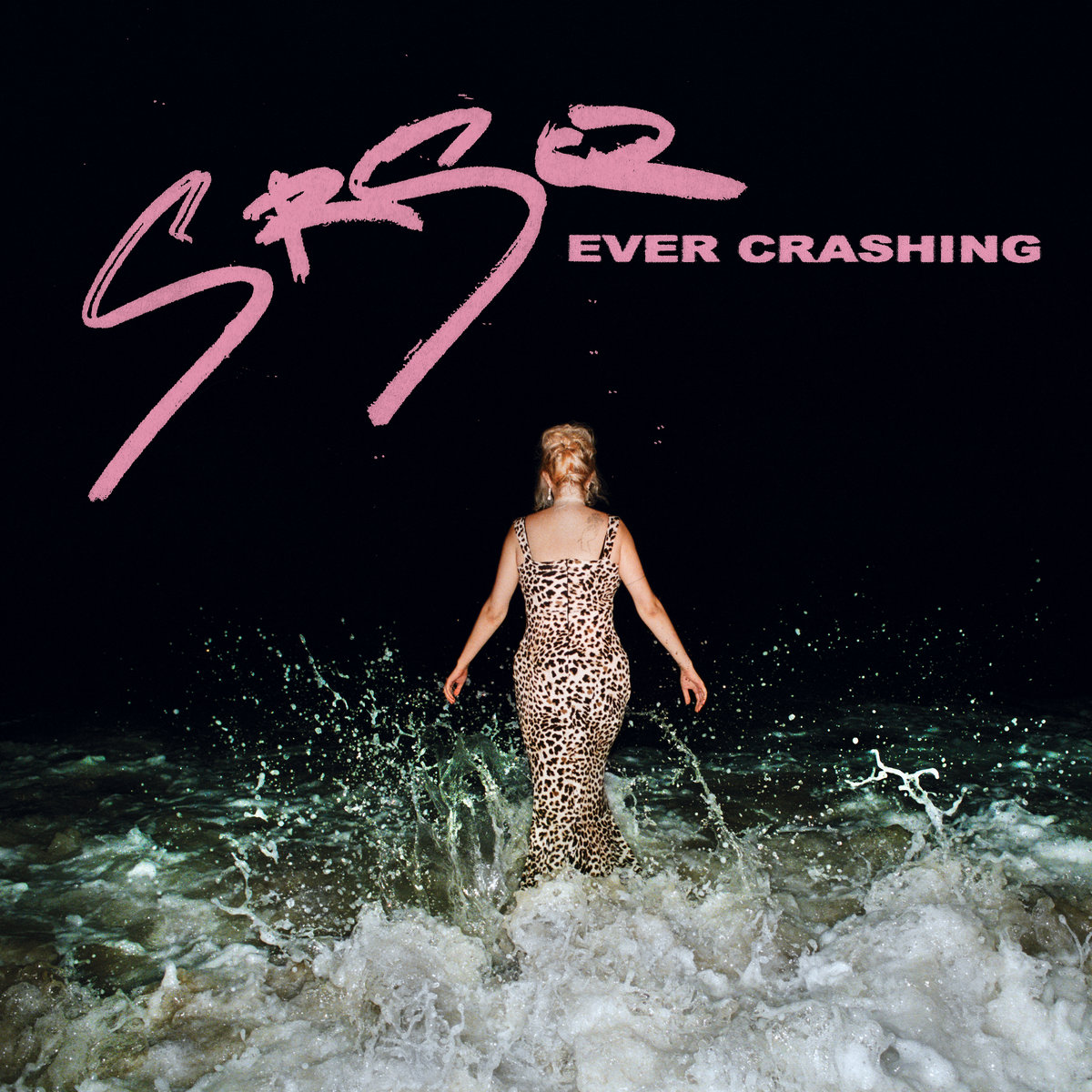
This is the second album from singer-songwriter Kennedy Ashlyn, who goes by the artistic name of SRSQ (pronounced ‘seer-skew’).

It was three years in the making, though when you get a hint of Ashlyn’s story the importance of this record falls into place. Her debut album, after all, was a response to the tragic death of her one time bandmate Cath Askew in Oakland – and Ever Crashing was an expression at the news of her diagnosis with ADHD and bipolar disorder. Music became a necessity, the primary means of expression.

The Ever Crashing title is pertinent, to quote from the press release documenting ‘Ashlyn’s recurring sensation of being trapped in the crest of a wave, turned and churned in the surf, mirroring the cycles of self-flagellation and surrender that she battles being bipolar’.

What’s the music like?

Even without the backstory in mind, Ever Crashing is a powerful experience. Ashlyn’s voice is the primary reason for this, a most impressive instrument capable of holding its own above a wall of guitars but never straining, always relatable, and always clear in its lyrical delivery (an underrated quality!)

It Always Rains gives us a slow and powerful beginning, showing off influences that run from Cocteau Twins and All About Eve to The Cure and School of Seven Bells perhaps – all names speculation because the music fits in next to theirs. Yet the result is that SRSQ does have a distinct identity, Ashlyn’s compelling presence piercing the clouds.

Saved For Summer throws open the windows with a rush of guitars, as does the standout Dead Loss, a really strong pop song with a winning hook. The title track packs a punch, too, as does Élan Vital, which finds the singer noting how ‘winter twists and turns, when the days are cold and sparse’. Later on she asks, “What is it about the cold that makes me sad?”

The closing Someday I Will Bask In The Sun offers a way out. “In my own time I will christen this prison of my own design, I am risen, forgiven,” sings Ashlyn over a fidgety breakbeat.

Does it all work?

Much of it does, especially vocally. The tracks do tend to be quite long, which on the plus side means they have plenty of time to establish the mood but also that they can overrun.

Is it recommended?

It is. There is much to commend this record, its stand against adversity, and its musical assertiveness in the face of the storm. As a listener you will emerge suitably inspired.

Listen

Buy