
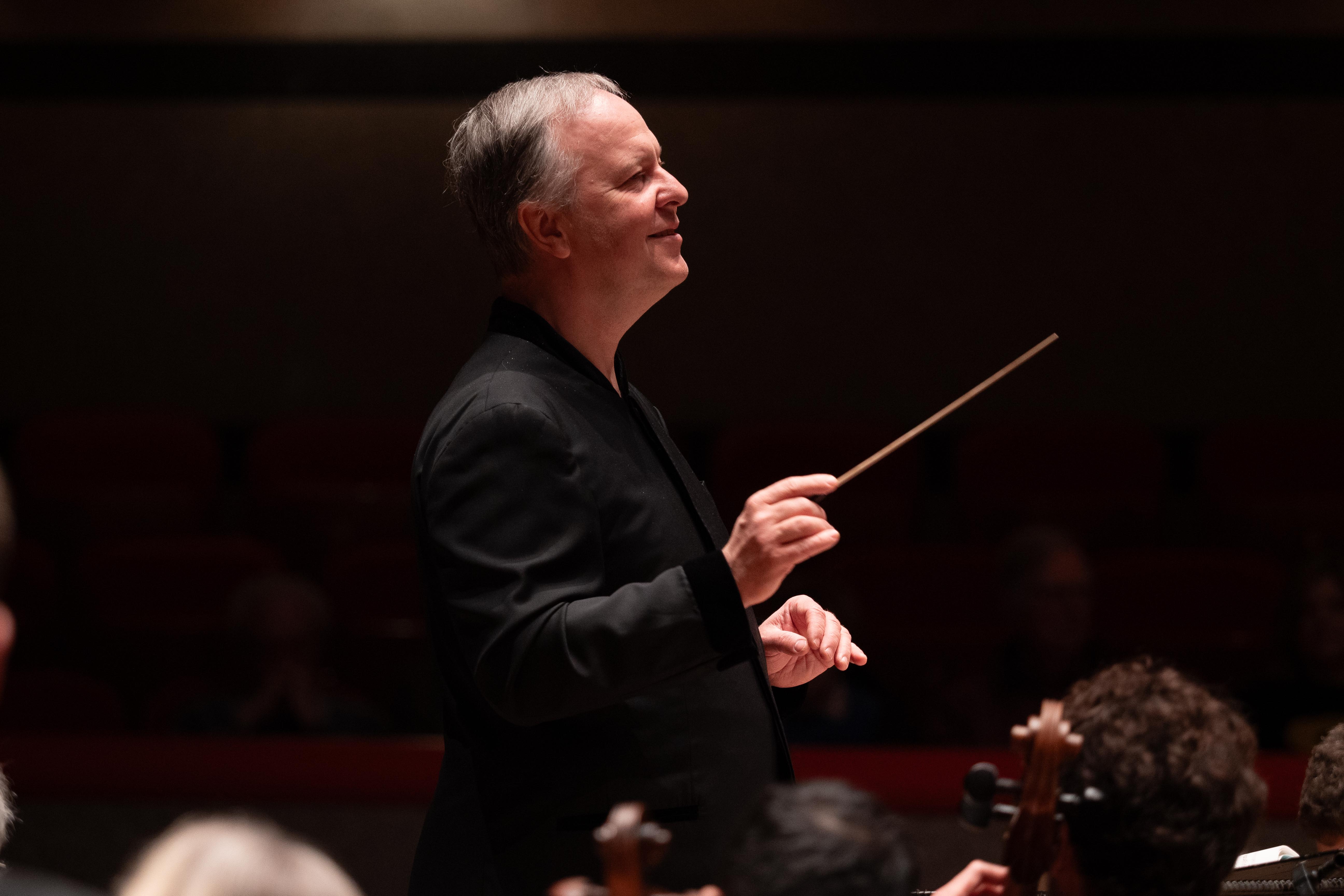
Anu Komsi (soprano), City of Birmingham Symphony Orchestra / Sakari Oramo (above)
Sibelius The Tempest (1925-6) – Suite no.1 Op.109/ 2
Richard Strauss Vier letzte Lieder, AV150 (1948)
Merikanto Ekho (1922)
Sibelius Symphony no.7 in C major Op. 105 (1923-4)
Symphony Hall, Birmingham
Wednesday 28 February 2024
Reviewed by Richard Whitehouse Pictures (c) Hannah Blake-Fathers
Could it really be 15 years since Sakari Oramo last conducted the orchestra of which he was music director for a decade? Time has passed, but his rapport with the City of Birmingham Symphony Orchestra was evident throughout what proved a well-planned and finely executed concert.
Sibelius featured prominently during Oramo’s tenure, with recorded and live cycles of the symphonies, so it was natural his music frame this programme. His music for The Tempest is the most diverse of his theatre works – the First Suite drawn from this lavish score opening with a searing evocation of The Oak Tree, before heading into a characterful Humoreske then Caliban’s Song with its telling bizarrerie. The Harvesters reminded of Sibelius’s gift for ‘light music’, as too the animated Canon and insinuating Scene, to which the plangent Berceuse then ominous Interlude made for startling contrast. A truncated version of The Tempest music that provided the prelude followed on with due seamlessness – its teetering on the metaphorical edge brought up abruptly if convincingly in this gripping performance.
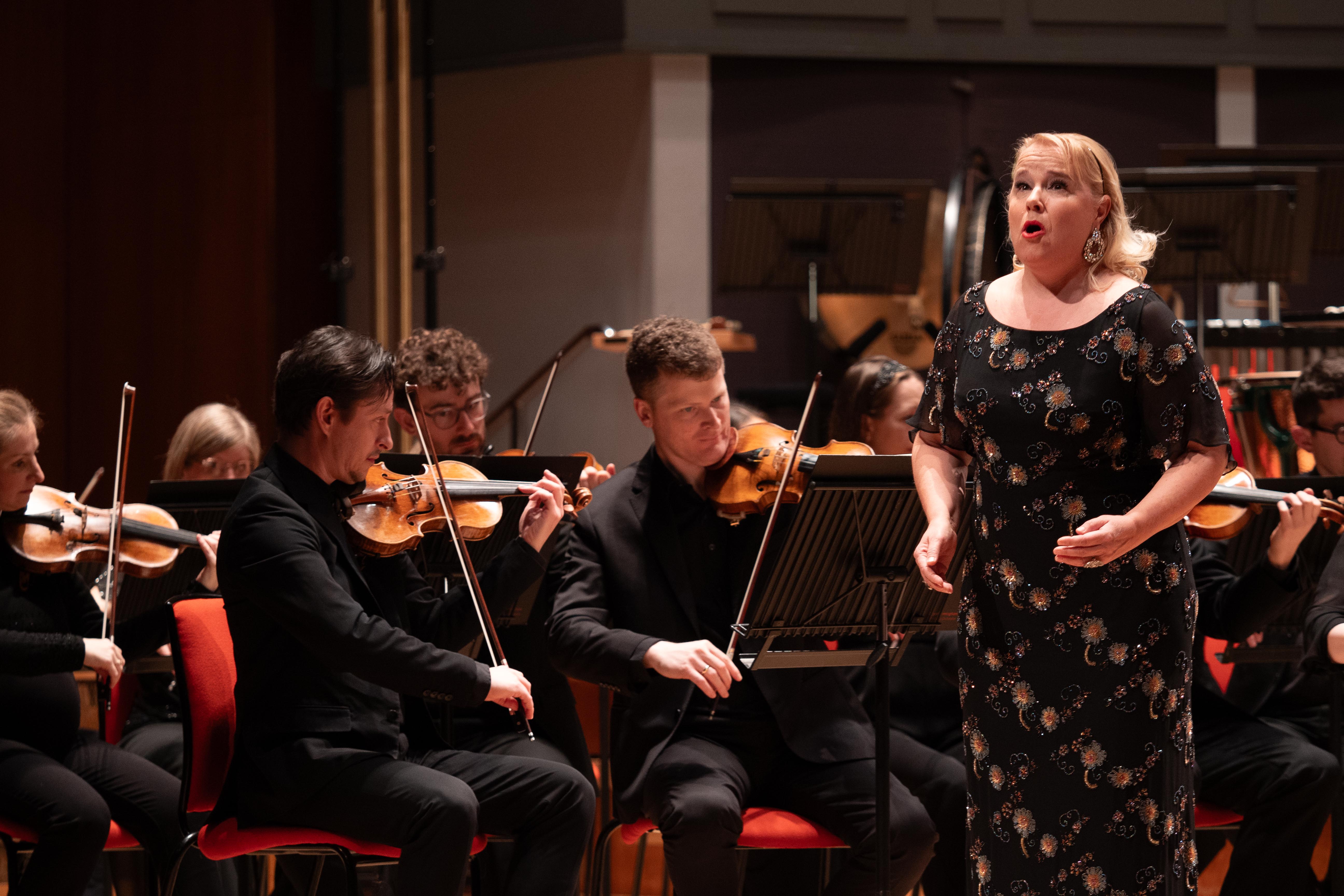
Anu Komsi (above) then joined the orchestra for Richard Strauss’s Four Last Songs – a sequence which often gains emotional gravitas as it proceeds, though a slight edginess in Frühling gave it greater expressive ambivalence prior to the fatalism of September – the most perfectly realized of these songs. The growing rapture of Beim Schlafengehen featured a poised violin solo from Eugene Tzikindelean, then Komsi gave of her eloquent best in Im Abendrot – its euphonious postlude accorded suitably spacious treatment by Oramo as this evanesces towards eternity.
Komsi returned after the interval with what must have been a first hearing in Birmingham for Ekho, a short but arresting scena by Finnish composer Aarre Merikanto. Written just after his opera Juha, at the start of his most innovative period, this draws on the example of Sibelius’s Luonnotar along with the post-Impressionism of Koechlin and Roussel. Its intricately detailed textures complement a vocal line as virtuosic technically as it is audacious expressively, one with which Komsi was in her element as this music heads almost intuitively to a furtive close.
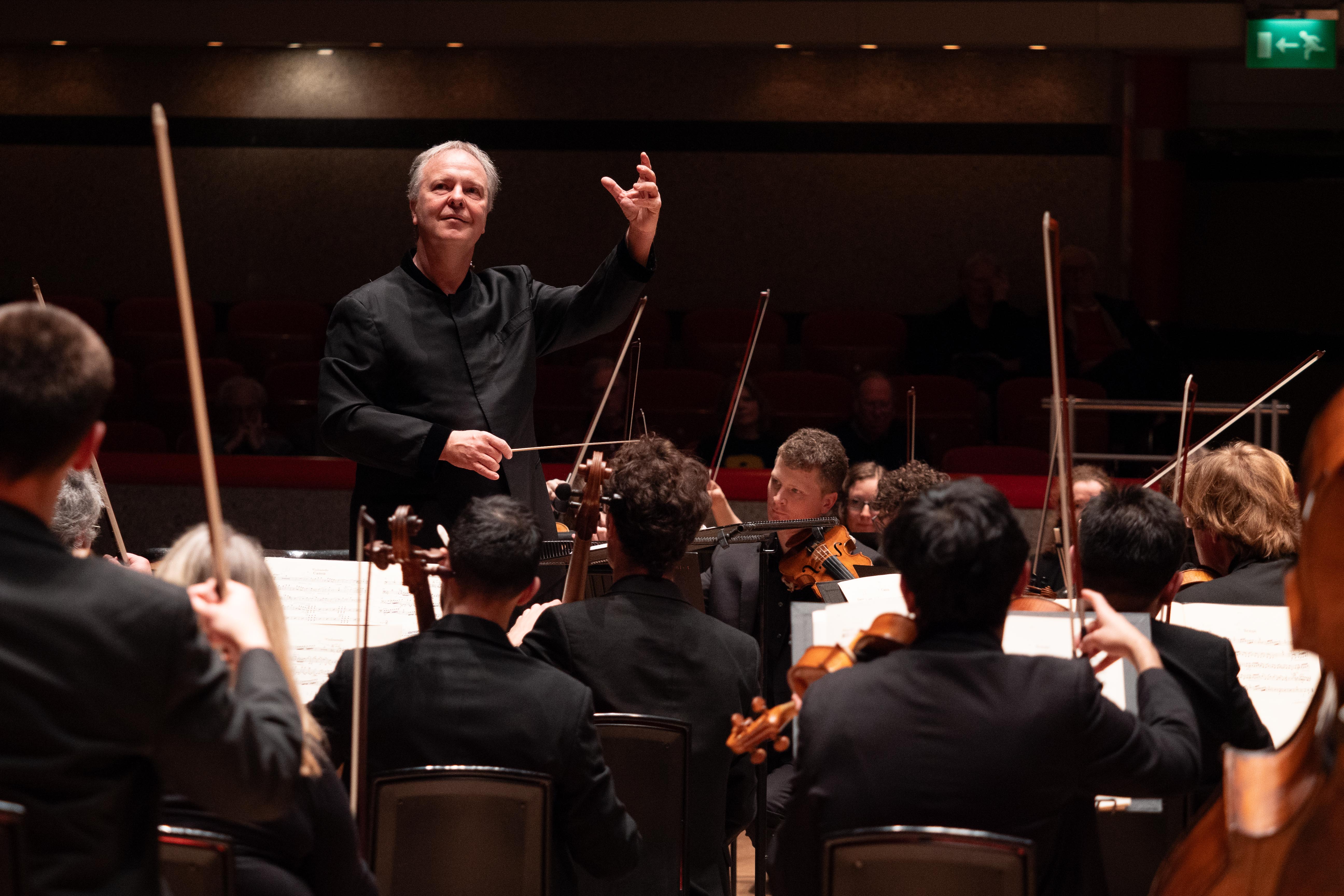
Fascinating to recall while Merikanto was pursuing so fractured a musical discourse, Sibelius was working towards his most integrated statement. Oramo has given many performances of the Seventh Symphony, but the present one felt exceptional in the ease and inevitability of its formal follow-through. The eliding from one section to the next was realized with a rightness which, as with the motivic constituents from which this work emerges, never drew attention to itself other than during moments of greatest expressive focus – notably those appearances of the trombone theme which ensure unity, even when the music retreats from its emotional apex into a coda not so much final as immovable. Nor was this achieved through conscious interpretation, Oramo setting a course that allowed the musicians simply to play the music.
This impressive performance rounded off a no less impressive evening. Before the last work, Oramo spoke about the significance his CBSO tenure had for his conducting and his regret this ‘reunion’ had taken so long. Hopefully his next appearance will not be so long in coming.
Click on the link to read more on the current CBSO concert season, and on the names for more on soprano Anu Komsi and conductor Sakari Oramo.
Published post no.2,106 – Sunday 3 March 2024
 Arcana.fm