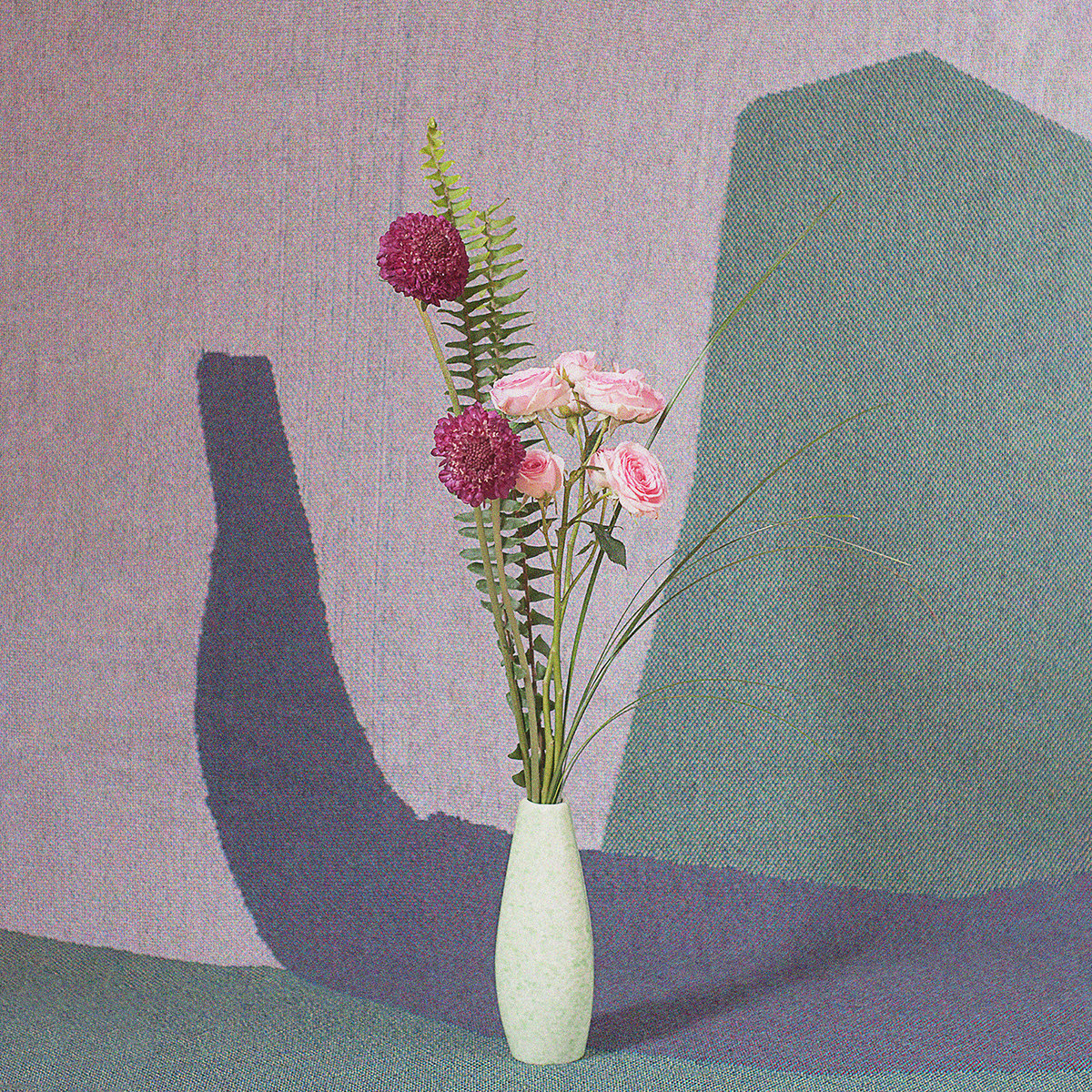
On Record – Nick Schofield: Ambient Ensemble (Backward Music)

by Ben Hogwood

What’s the story?

In which Nick Schofield spreads his wings, expanding from solo synth performance to include an ensemble that keeps keyboards front and centre but leans on piano, adding bass, voice, clarinet and violin.

What’s the music like?

Colourful and bursting with growth, the sort of music you might expect to hear with the advent of spring. The track titles are indicative of the music we hear – from the short Meadows to the more substantial Resonant World, these are character pieces that paint their surroundings in rather lovely technicolour.

With tracks like On Air, Schofield is most definitely operating with his mind outside of the studio, as the clarinet burbles, the violins swell and reverberant piano is caught ‘on the wing’. evoking big spaces and wide-open textures. Generally the piano is at the centre of the arguments, which are – as Schofield’s Bandcamp commentary states – convivial.

Fine Tune has deep colours, rich blues and purples perhaps, while Joy Cry builds up whole consonant harmonies with prayerful violin loops. Morning Doves uses mottled piano chords with playful clarinet and violins evoke the birds, and while Resonant World employs similar tactics the piano loop is reminiscent of Stravinsky. Heartfelt has a whiff of Acker Bilk about the clarinet work, in a good way!

Does it all work?

It does. There may not be immediately obvious melodies in Schofield’s work here but after a few listens the fragments and loops prove very hummable. The textures are extremely restful, and credit should go to the musicians – Philippe Charbonneau (fretless and double bass), Yolande Laroche (clarinet and voice) and violinist Mika Posen.

Is it recommended?

It is – and Ambient Ensemble has some very attractive colours to share as its tableaus unfold.

For fans of… Group Listening, Cinematic Orchestra, Bonobo

Listen & Buy

Ambient Ensemble will be released on Friday 9 February – a listening link will appear here then.

Published post no.2,080 – Wednesday 7 February 2024
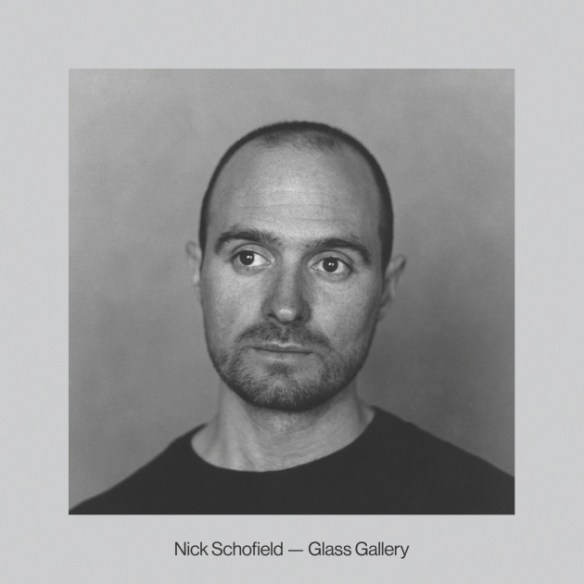
On Record: Nick Schofield: Glass Gallery (Backward Music)

reviewed by Ben Hogwood

What’s the story?

This is the second album from Montreal-based musician Nick Schofield, who has taken two very specific points of reference for Glass Gallery.

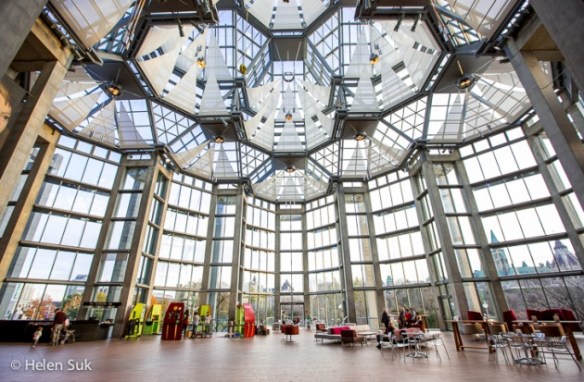
The first is a building – the National Gallery of Canada in Ottawa, to be precise. Schofield draws on its glass atrium for inspiration, depicting in musical form the play of light through its transparent windows.

The second is an instrument, specifically the vintage Prophet-600 synthesizer, on which the whole album was composed. Schofield uses it to paint the different images he has seen through the gallery’s atrium, but also refers to artist Guido Molinari, whose paintings can be seen in the gallery.

What’s the music like?

With so many points of inspiration, it is perhaps inevitable that there is plenty for the ear to hone in on in this album, but like a good art exhibition it also leaves you in a very settled state of mind.

Schofield’s textures with the synth are like the falling of powdery snow – unhurried, never straight, sometimes going up before they come down again, always subtly moving. The melodic cells are beautifully worked, often dovetailing with each other, and the whole album is put together with the assurance that runs through the best ambient music – where a little goes a long way.

Central Atrium sets the scene with its soft oscillations, while Mirror Image has a hint of Eastern promise in its undulating figure, Schofield showing the possibilities of orchestration with just the one instrument. The musical emphasis tends towards the treble, evoking the clear and bright view up through the gallery’s transparent roof.

Molinarism is the standout composition, with pinpricks of musical light against a darker background, like shooting stars – and uncannily portraying the style of the pictures Schofield is evoking. The lightness of touch continues here and throughout, with a lasting elegance and poise to the music, like a flexible slow dancer.

Does it all work?

It does, provided you listen to the whole of Glass Gallery – for again, to use the exhibition parallel, you don’t get the full benefit from just concentrating on highlights. Having listened to it in the middle of softly falling snow, I can confidently say it is the ideal environment for this music.

Is it recommended?

It is. Schofield has made a lovely cold weather album, but one with a warm heart too.

Stream & Buy