

Various venues in Oxford, Sunday 10 October. Artists as listed below
Written by Ben Hogwood from online streams
“There is no better way to get to know Stenhammar than the songs”, says pianist and scholar of the composer Martin Sturfält. With around half of the composer’s output delivered on this third day of the Oxford Lieder Festival, it was the ideal opportunity to get to know the Swedish composer, 150 years on from his birth. Arcana dipped its toe in four of the online events.
Celebrating Stenhammar, placed second in the substantial quintet of concerts, seemed the best place when approaching this series online. Taking the form of a seminar with musical examples, it doubled as the ideal introduction to the composer and an extremely useful and interesting top-up for those with working knowledge.

Beginning, naturally, with two songs, we were able to enjoy the clear voice of soprano Agnes Auer, giving with Sturfält a radiant account of I Skogen (In The Forest), which they countered with the distracted Adagio.
A panel of Sturfält, Daniel Grimley and Leah Broad then proceeded to give valuable historical context to Stenhammar’s work, brimming over with enthusiasm for the increased exposure his music has enjoyed of late. Broad explained the composer’s continued resolve to compose accessible tonal music in the wave of modernism sweeping Europe, renouncing Schoenberg and Strauss but striking out instead for a clarity of expression. This could be seen in helpful parallels drawn with Swedish art and politics of the time.
Auer illustrated why the fuss is justified, with a special account of Klockan (The Bell), one of Stenhammar’s finest songs stopping time as she sang. Later on Lutad Mot Gärdet (Leaning On The Fence) was a lovely illustration of how the composer’s relative simplicity could fuel profound feelings, especially through the clear tones of this singer.
In between Sturfält played the rather lovely Sensommarnätter (Late Summer Nights) Op.33. This suite captured both the clear light and furtive movements of nature at that time of year, but also found a metaphor for the late summer of life. Though written in 1914 the suite had been in Stenhammar’s mind for some time, and the performance here caught the essence of the five pieces, a tantalising combination of certainty amid darker thoughts and feelings.
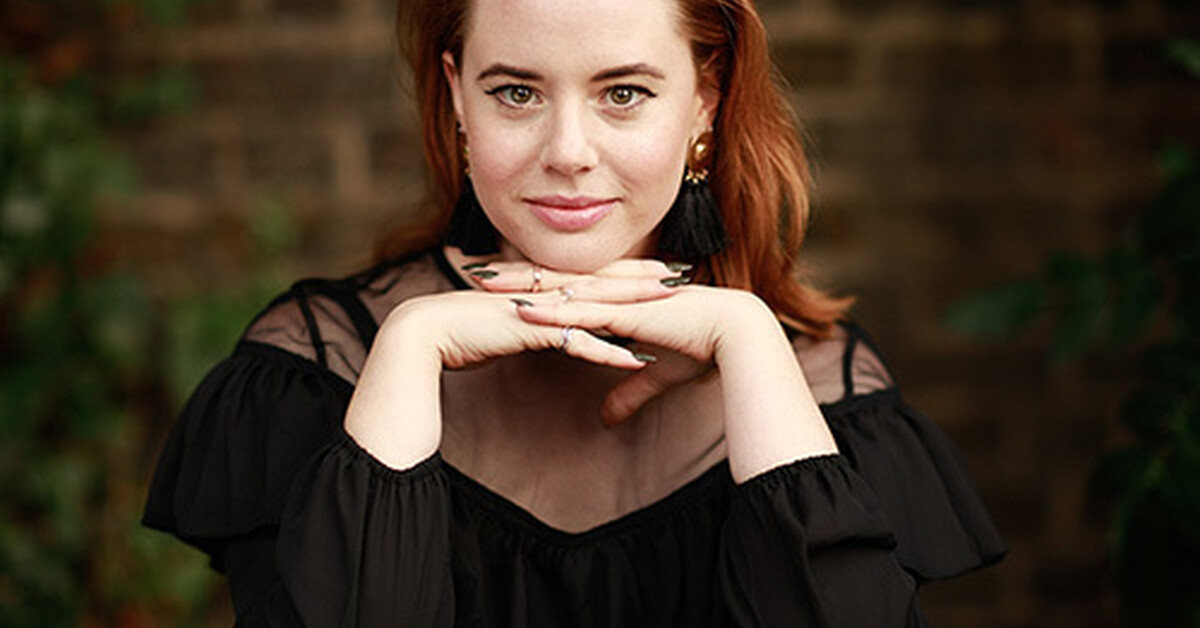
Before this the day had begun with a broader celebration of Nordic song, in the company of young artists – soprano Siân Dicker, tenor Alessandro Fisher, mezzo Lotte Betts-Dean and pianist Keval Shah, who proved an excellent guide. As he said, nature provided the drama itself – and these examples, from contemporaries of Stenhammar, brought little-known names to the surface in illustration of the depth of songwriting talent in the Nordic countries in the 20th century.
Adolf Fredrik Lindblad’s Höstkvällen made a strong impact through Betts-Dean, as did Kuula’s slightly troubled Syystunnelma and a slightly playful Serenad from Erik Bergman. Here, Fisher and Shah portrayed the falling leaves with little flourishes. Betts-Dean also caught the unpredictable directions of Grieg‘s Autumn Songs. Definitely a song of two halves, it held the realisation that summer is over and winter is making a play for our affections. Meanwhile the remarkable Sibelius song Norden pushed Dicker’s voice to its limit, successfully, and she also shone in Merikanto and Madetoja.
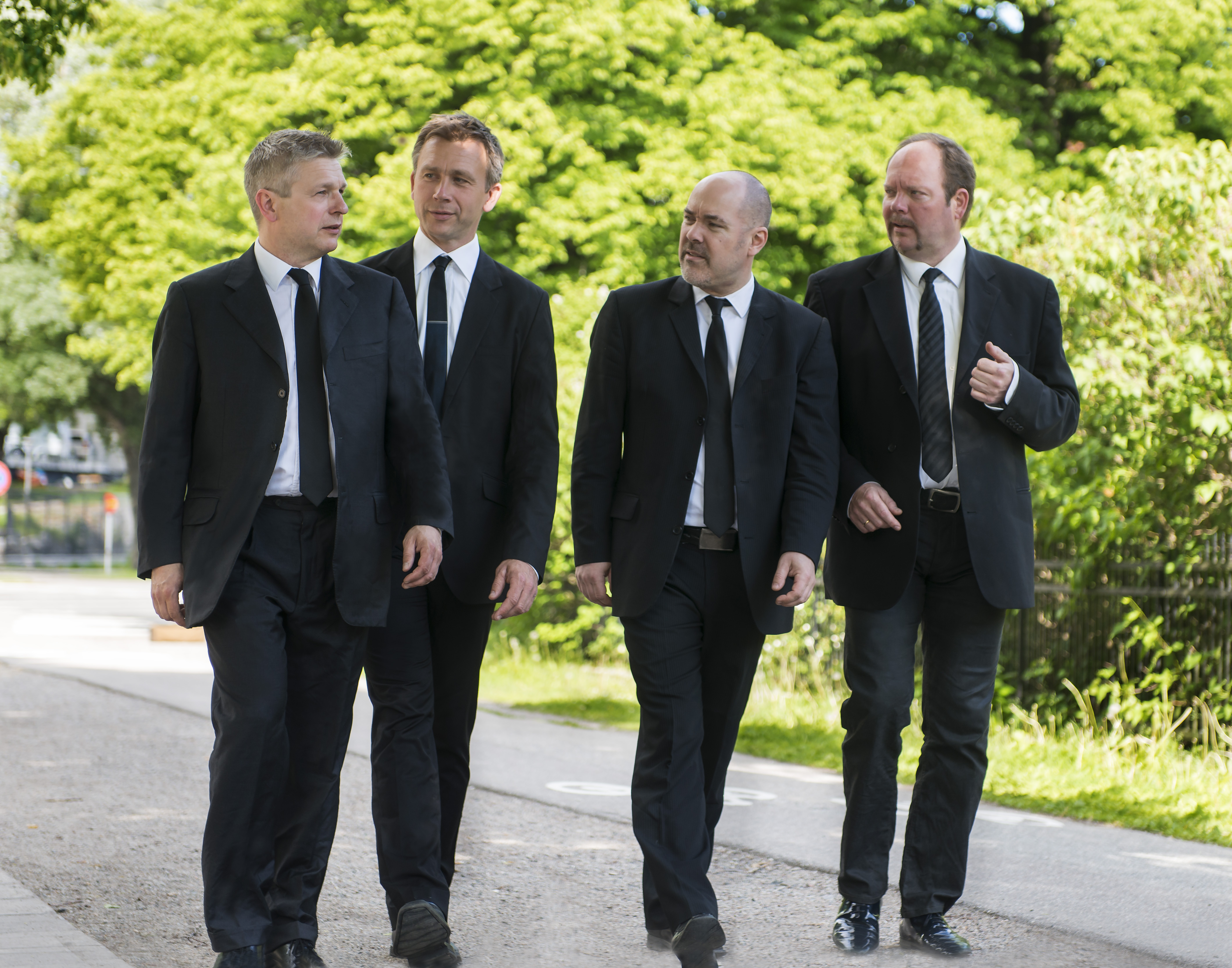
The third concert, subtitled A Swedish Sensation, featured the Stenhammar String Quartet in a tense Elegy and brisk Intermezzo from Lodolezzi sjunger (Lodolezzi sings). Then they were joined by Lotte Betts-Dean for a fascinating set of five songs from Henri Marteau. The viola crept upwards before a portrayal of how the ‘quiet drops fall to earth from the clouds’ was brilliant in Thränentropfen, while the exultant In dem Garten meiner Seele found the ‘magic voice of a violin’ from first violinist Peter Olofsson at the end. Betts Dean set a very high standard, with wonderful tone and full voice in Sonnenlied, pushing to her upper range with impressive poise and power.
The quartet then proceeded to give a fluent account of their namesake’s String Quartet no.4, showing its ready inspiration in a first movement that delighted in a good many tunes, the instruments engaged in confident dialogue. The influence of Mendelssohn could be found in this busy activity, but the richly coloured Adagio made a more lasting mark, Olofsson’s passionate solo floating above the waves created by the other three instruments. There was a busy scherzo with a particularly bright fugal episode, high on energy, before touches of humour imbued the finale with positive spirits. Again, the dialogue between the four was intimate and entertaining.
The fourth concert, given in a starry Saint John the Evangelist church, included a complete performance of Stenhammar’s cycle Songs and Moods. The object of this concert was to show off Stenhammar’s talents to the full in the company of the best possible artists for the task. Agnes Auer returned, while Swedish soprano Camilla Tilling and baritone Jakob Högström gave fully idiomatic performances, all paired with festival director Sholto Kynoch, who had somehow found the time to rehearse the challenging piano parts!
The route to Stenhammar came by the way of Lindblad, Rangström, Nordqvist, Alfvén, Linde and Peterson-Berger, and was again illuminating in its selections. The darker shades of Ture Rangström’s Pan received a nice, airy delivery from Tilling, while Alfven’s Saa tag mit Hjerte was the most affecting song so far with its simple yet searching message and melody. Bo Linde’s Äppelträd och päronträd (The apple tree and the pear tree) sprang forward with renewed energy, while Peterson-Berger set a mood of longing with När jag för mig själv, and the poignant lyric “I think of a friend whom I will never find”.
After six very fine songs from Stenhammar himself – Ingalill Op.16/3 testing the upper range of Tilling and Fylgia Op.16/4 clinging urgently to its subject – we heard Högström in Songs and Moods Op.26. This fulsome baritone was beautifully projected, supported by a crystal clear piano part. There was a sharply rendered portrait of the butterfly orchid that stood out, then a staccato Miss Blonde & Miss Brunette which proved the most substantial song. Kynoch was certainly kept very busy! To the land of bliss was brilliantly judged, tripping along like a slightly tipsy dance, while Prins Aladdin af Lampan, with several twists and turns, wrought its way to a powerful climax.
Tilling returned for more of the composer’s single songs, with Vid fönstret Op.20 offering poignant words on ageing, then Månsken (Op. 20/4) a clear portrayal of the forest. For an encore, soprano and baritone linked in Swedish.
This was an absolutely fascinating day, too much to take in one sitting but consistently revealing when watched back on the different streaming sites. Great credit should go to the video production team, for the songs were expertly filmed, but also to the panelists and performers for clearly relishing their chance to show their respect for one of Sweden’s best-loved composers. This day will surely have won Wilhelm Stenhammar many new friends.
For further information on this year’s Oxford Lieder festival, you can visit the event’s website here

 Arcana.fm