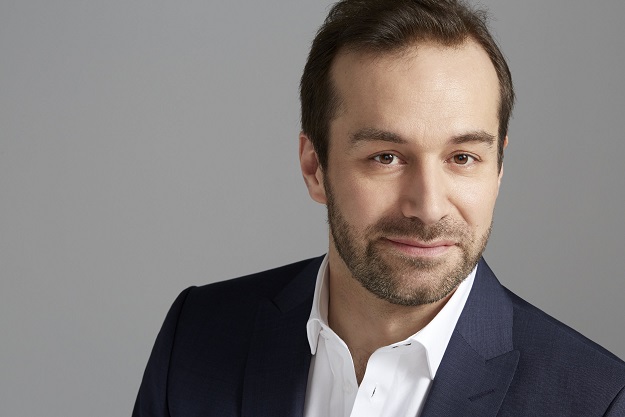
In concert – Daniel Lozakovich, CBSO / Fabien Gabel – Beethoven Violin Concerto & Berlioz Symphonie fantastique

daniel-lozakovich

Beethoven Violin Concerto in D major Op. 61 (1806)
Berlioz
Symphonie fantastique Op. 14 (1829-30)

Daniel Lozakovich (violin, above), City of Birmingham Symphony Orchestra / Fabien Gabel

Symphony Hall, Birmingham
Wednesday 2 February 2022

Written by Richard Whitehouse. Photo credit (Lozkanovich) Maison Simons

Juxtaposing these works in a single concert made good sense such that one wonders why this coupling has not been played more often, not least when the City of Birmingham Symphony Orchestra sounded fully aware of the very different motivations which lay behind each piece.

One of several concertos in-itself a first half, Beethoven’s Violin Concerto was performed by Daniel Lozakovich – who, just into his 20s, already has a worldwide reputation. His finespun if never meagre tone proved eminently suited to this most inward of its composer’s orchestral works, as was his deftly inflected vibrato. The expansive first movement proceeded securely, Fabien Gabel galvanizing tuttis and preventing the development from losing momentum (due credit to Matthew Hardy’s immaculate timpani playing) before a heady surge into the reprise.

Any sense of Lozakovich – who gave the Kreisler cadenza with real fervour – eschewing ‘give and take’ with the orchestra had gone by the Larghetto, its variations unfolded eloquently and with no lack of expressive contrasts, abetted by felicitous playing from the CBSO woodwind. His impulsive approach to the linking passage into the ensuing Rondo then set the course for a finale which, though just a shade headlong compared with what went before, had a vitality and insouciance such as carried through to the close. The pathos that Lozakovich brought to its central episode and whimsy teased out of its coda (whose closing chords were a little too emphatic) were undoubted highpoints, and the soloist returned to acknowledge considerable applause with an artless reading of the Allemande that commences Bach’s Second Partita.
Whereas Beethoven’s concerto took over half a century to enjoy wider acceptance, Berlioz’s Symphonie fantastique was immediately recognized (however grudgingly) as a trailblazer in the emergent Romantic aesthetic. It was left to later generations to equal out its ‘symphonic’ undertow with its ‘fantastic’ overlay, Gabel’s astute handling of the prolix if never unwieldy structure making for the best of both worlds – not least his conveying the sonata design that focusses the alternate dejection and elation of Rêveries-Passions, or those ominous asides which offset the ingratiating charms of Un bal. The highlight, though, was an unfailingly cohesive Scène aux champs – its fraught culmination emerging inevitably from then back into the evocative outer sections with plangent cor anglais playing from Rachel Pankhurst.

Having (rightly) included the first movement’s repeat, Gabel did not take that in the Marche au supplice which consequently was over all too soon, though its high drama prepared well for a final Songe d’une nuit du Sabbat whose heightened flights of fancy were once again held in check by a sure sense of where this music was headed. Offstage contributions were convincingly drawn into the overall texture, and if the closing pages can yield even more of a ‘white-knuckle ride’, the visceral impact of Berlioz’s garish imaginings was never in doubt.

Nor, for that matter, was the sheer unanimity of the CBSO’s response across what is so much more than an extended showpiece. After next week’s Rush Hour Concert, the orchestra can be heard in a scarcely less virtuosic programme that concludes with Stravinsky’s Firebird suite.

For more information on the current CBSO season, visit their website. Meanwhile click on the links for information on the artists Daniel Lozakovich and Fabien Gabel.
Listening to Beethoven #205 – Das Glück der Freundschaft (Vita felice) Op.88

schulz-friendship

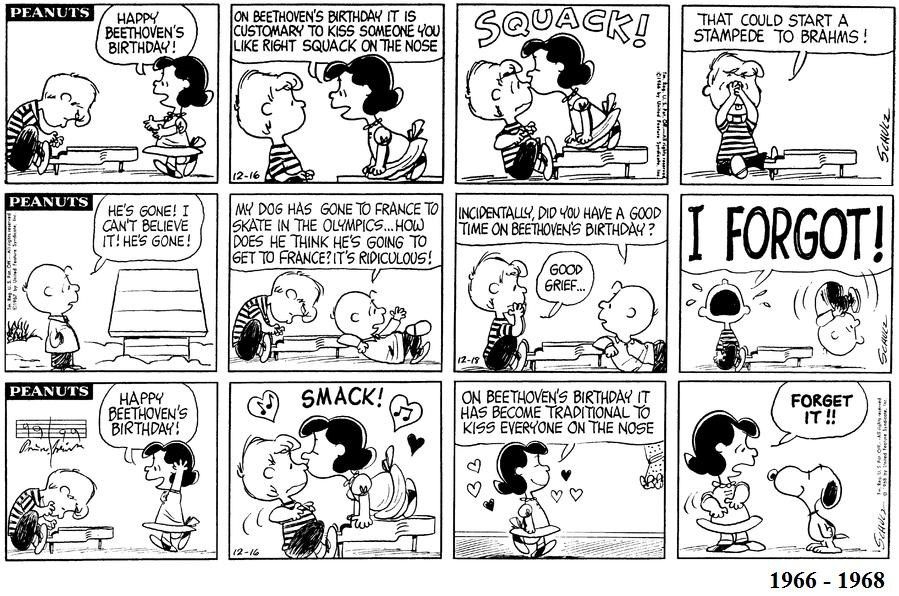
Peanuts comic strip, drawn by Charles M. Schulz (c)PNTS

Das Glück der Freundschaft Op.88 (Vita felice) for voice and piano (1803, Beethoven aged 32)

Dedication not known
Text Anon / Christian Tiedge
Duration 2’30”

Listen

Background and Critical Reception

Slightly confusingly, this song has a title in German but the words are in Italian. This is because the original text from which the words are taken is the anonymous Vita felice – which were then seemingly adapted by Christian Tiedge.

The date of composition, and the language, suggest this song to be a product of Beethoven’s studies with Salieri in Vienna, which were just coming to an end.

Thoughts

A flourish from the piano begins this ode to the joy of friendship, ‘offering its hand in these hard times’. The vocal line has a largely stepwise movement, closely shadowed by the piano – but Beethoven does take the opportunity with the key of E major to use some more exotic harmonies.

The profile of the song is quite expansive. Its flowing nature and characterisation are close to Schubert in style, suggesting an influence on the latter composer’s Lieder that is not considered very often.

Recordings used

Pamela Coburn (soprano), Leonard Hokanson (piano) (Capriccio)
René Jacobs (countertenor), Jos Van Immerseel (fortepiano) (Accent)
Dietrich Fischer-Dieskau (baritone), Jörg Demus (piano) (Deutsche Grammophon)

Pamela Coburn has a bright sound in her version, which is transposed up from E major. René Jacobs, full of tone, sings at ‘period’ pitch with Jos van Immerseel giving flowing support on the fortepiano, Perhaps inevitably the version to treasure is from Dietrich Fischer-Dieskau, commanding but elegant and with fulsome support from Jörg Demus.

Also written in 1803 Salieri Gesù al limbo

Next up 3 Marches for piano four hands, Op.45

Listening to Beethoven #204 – Minuet in E flat major WoO 82

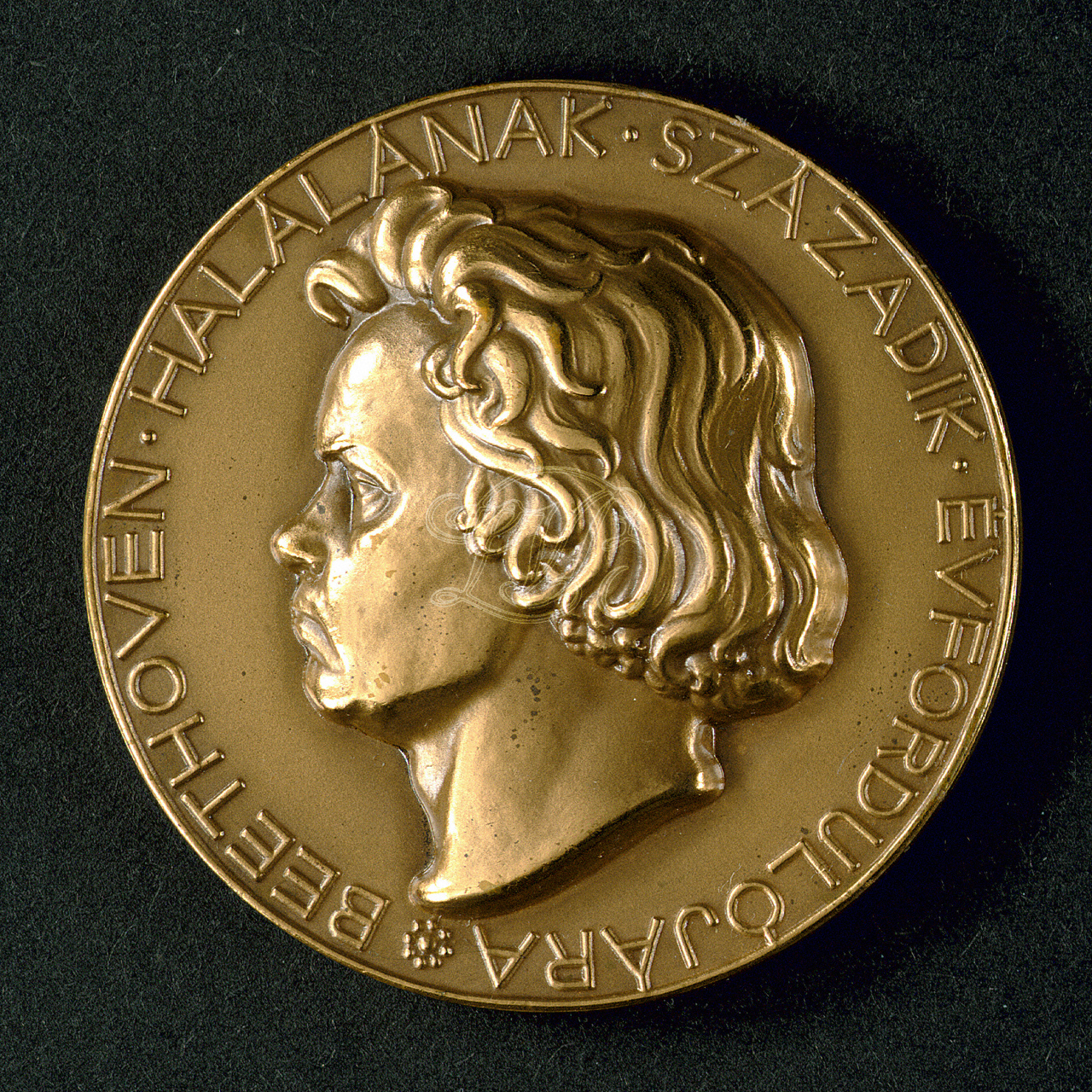
Commemorative medal for Ludwig van Beethoven, 1927 – Bronze medal from the Hungarian Ministry of Culture based on a design by József Reményi

Minuet in E flat major WoO 82 for piano (1803, Beethoven aged 32)

Dedication not known
Duration 4′

Listen

written by Ben Hogwood

Background and Critical Reception

There is some doubt around when this piece was first written. In his notes for Ronald Brautigam’s BIS recording of the Minuet, Roeland Hazendonk notes how an early Beethoven scholar found an early edition of the piece seemingly dating from Beethoven’s time in Bonn in his early teens.

It was however published in 1805, and has proved to be a hit with students starting out on the piano. Hazendonk says this is due to its ‘full, orchestral sonority’.

Thoughts

This is a very easy-going dance, with a repetitive theme that becomes quite an earworm. It is a relatively slow tempo, almost Andante, with poise and a hint of humour. The middle section moves to A flat major, encouraging the pianist to take flight in the right hand a little more, before returning to the easy charm of the first theme.

A simple but enjoyable piece.

Recordings used and Spotify playlist

Ronald Brautigam (BIS)
Jenő Jandó (Naxos)
Gianluca Cascioli (Deutsche Grammophon)
Martino Tirimo (Hänssler)
Olli Mustonen (Decca)

Olli Mustonen plays this piece a little impishly, and is the fastest of the five interpretations considered here. Martino Tirimo is very slow, while in Ronald Brautigam’s hands the dance feels rather earthbound and foursquare.

You can chart the Arcana Beethoven playlist as it grows, with one recommended version of each piece we listen to. Catch up here!

Also written in 1803 Pleyel 3 Keyboard Trios, B.474–476

Next up Das Glück der Freundschaft Op.88

Listening to Beethoven #203 – Prelude in F minor WoO 55

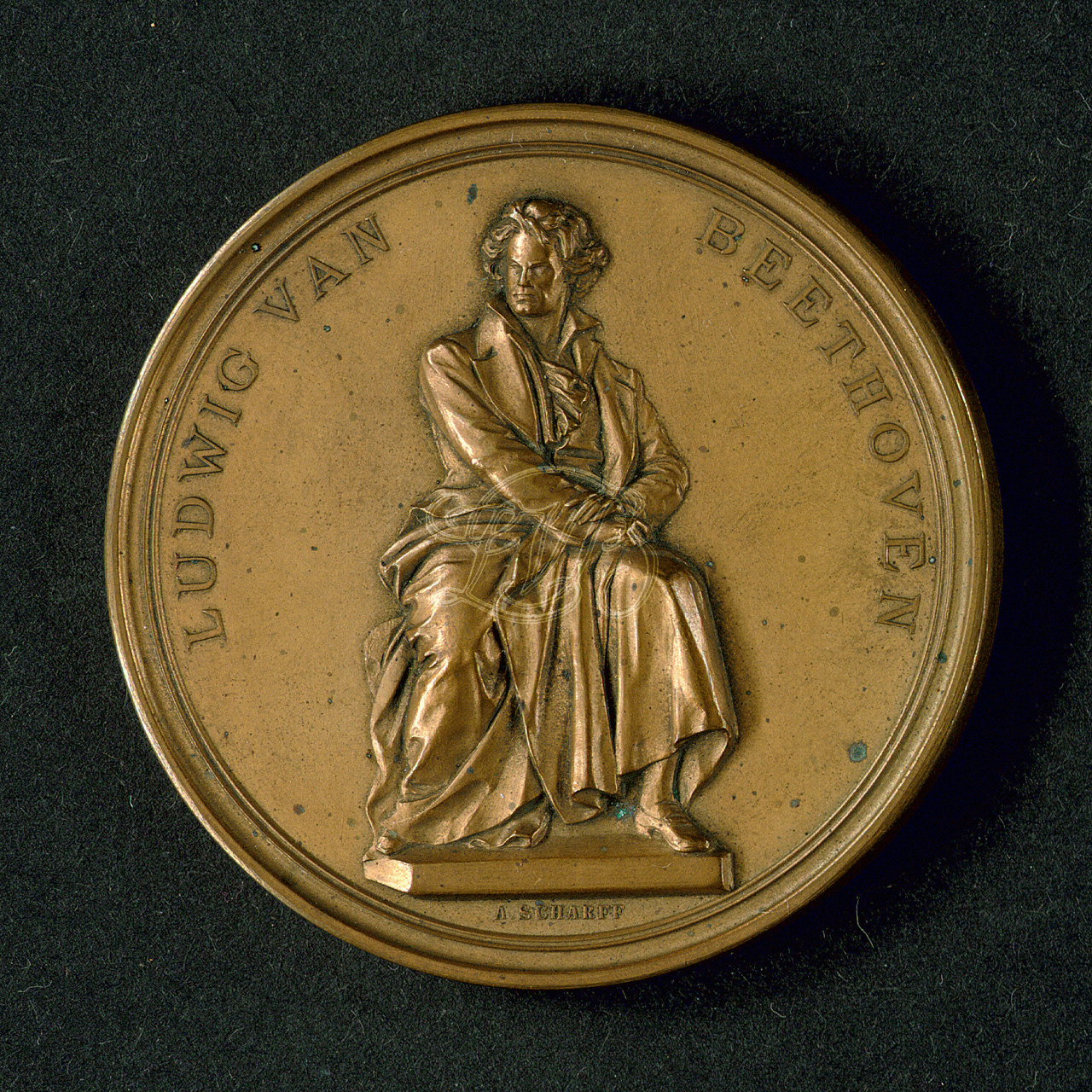
Commemorative medal for the unveiling of the Beethoven monument in Vienna – bronze medal based on a design by Anton Scharff depicting the Beethoven sculpture by Caspar von Zumbusch

Prelude in F minor WoO 55 for piano (1803, Beethoven aged 32)

Dedication not known
Duration 3′

Listen

written by Ben Hogwood

Background and Critical Reception

Roeland Hazendonk, writing booklet notes for the recording made by Ronald Brautigam for BIS, describes this piece as ‘an almost perfect pastiche of a prelude by Bach’, drawing attention to its similarity with the Prelude in the same key from the first book of Bach’s Well-Tempered Clavier.

Thoughts

If you heard this piece without knowing, your first guess at a composer would surely not be Beethoven, for this is a piece of incredibly accurate pastiche. It is remarkably similar in both mood and profile to the F minor prelude of Bach referred to above, yet it is clearly not a copy as you will hear by comparing the two:

Beethoven starts the Prelude confidently, and it evolves naturally in a series of arpeggios that pass instinctively between the hands. For much of the piece he keeps the tonality close to F minor, though the central section starts wandering towards further flung keys. It all comes back together for a poised conclusion.

Perhaps this was a study for one of Beethoven’s teachers at the time, but it expresses his knowledge and love of Bach better than words could possibly manage!

Recordings used and Spotify playlist

Jenő Jandó (Naxos)
Olli Mustonen (Sony BMG)
Ronald Brautigam (BIS)

Gianluca Cascioli adopts a slow and steady tempo, but gives great feeling to his performance. Ronald Brautigam is much quicker but still allows the notes to breathe, pausing at strategic points in the music to give the phrasing a natural structure.

You can chart the Arcana Beethoven playlist as it grows, with one recommended version of each piece we listen to. Catch up here!

Also written in 1802 Reichardt Das Zauberschloss

Next up 6 Ländler WoO15

Listening to Beethoven #202 – Serenade in D major Op.41

Öèôðîâàÿ ðåïðîäóêöèÿ íàõîäèòñÿ â èíòåðíåò-ìóçåå Gallerix.ru

View of Freyung Plaza in Vienna from South-East by Bernardo Bellotto

Serenade in D major Op.41 for flute and piano, arranged by Franz Xaver Kleinheinz (1803, Beethoven aged 32)

Dedication not known
Duration 22′

1. Entrata, Allegro
2. Tempo ordinario d’un Menuetto
3. Allegro molto
4. Andante con Variazioni
5. Allegro scherzando e vivace
6. Adagio – Allegro vivace e disinvolto

Listen

Background and Critical Reception

The original version of this serenade, for flute, violin and viola, was completed in 1801. It was sufficiently popular for Beethoven to be approached for an arrangement by Franz Xaver Karlheinz, who was keen to use it for flute and piano. Beethoven approved, further adding his assent by checking the finished version, which was published in 1803.

As Arcana noted with the original version, there are six movements in a piece which appears not to have been written with any particular person in mind, more for the Viennese domestic market.

Thoughts

As noted in the original version of the Serenade, ‘Beethoven looks back to Mozart and Haydn with this piece, using the form of a Serenade to its full potential. Like Mozart he brings the most out of seemingly small forces’.

The arrangement for flute and piano works well, though the piano is in danger of dominating if there is not the required sensitivity from the player. The music remains bright and breezy, its good tunes exchanged frequently between flute and piano. The third movement, while lively, is noticeably heavier with the piano employed, while the first movement can also be punchier with the greater attack a piano offers. The dance movements, however, are enjoyably rustic and retain their charm, the fifth movement breezing along and the sixth, with its slow introduction, full of good humour too.

Recordings used and Spotify links

Jean-Pierre Rampal (flute), Robert Veyron-Lacroix (piano) (Vox Box)
Emmanuel Pahud (flute), Eric Le Sage (piano) (Auvidis Valois)
Kazunori Seo (flute), Makoto Ueno (piano) (Naxos)

Each of these three versions features a flautist who appears to be thoroughly enjoying themselves. Emmanuel Pahud is arguably the most stylish, and has an attentive partner in Eric Le Sage, but the other versions are also very enjoyable.

You can listen to these versions on the playlist below:

You can chart the Arcana Beethoven playlist as it grows, with one recommended version of each piece we listen to. Catch up here!

Also written in 1803 Paganini Le streghe Op.8

Next up Prelude in F minor WoO55