It might seem far fetched, but already the album release schedules for 2024 are starting to fill up – and here is one Arcana will be covering for sure.
Manu Delago will release his new album Snow From Yesterday on 2 February. In the words of his press release, “the Austrian composer, innovator, Grammy nominee and acclaimed percussionist has teamed up with vocal ensemble Mad About Lemon to craft a profound and distinct new concept piece. Manu has become a leading name in his field, touring with the likes of Björk, most recently on her celebrated Cornucopia tour. His trademark handpan virtuosity is the rhythmic lifeforce of Snow From Yesterday, creating majestic, emotive sounds, often with a tender delicacy, for Mad About Lemon’s folksy harmonies to pour over.
See what you think of his new work below – I am sure you will play it again once you’ve heard it!
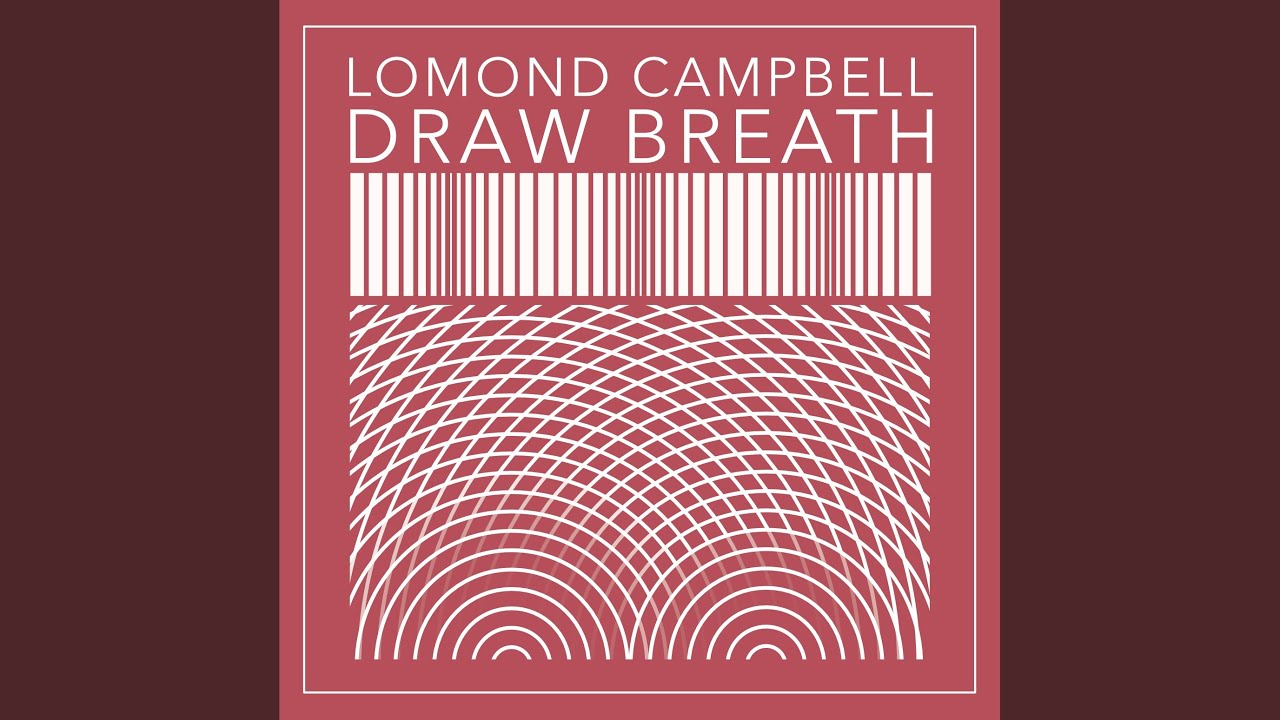
Lomond Campbell continues to write thoughtful, affecting music – certainly if his new EP Interference Patterns is anything to go by. It is a collection of alternative tracks and remixes taken from his 2022 album Under This Hunger Moon We Fell, and will be released on 28 July through One Little Independent Records.
The first track, Draw Breath, is now available with a video of natural beauty. “It was written and recorded around October or November, just before the north of Scotland plunges into deep, winter darkness”, says Campbell. “The drone footage used in the video was shot in an area called Strongchreggan Glen, where I often take portable equipment to write music”.
You can enjoy Campbell’s deeply meditative music and visuals here:
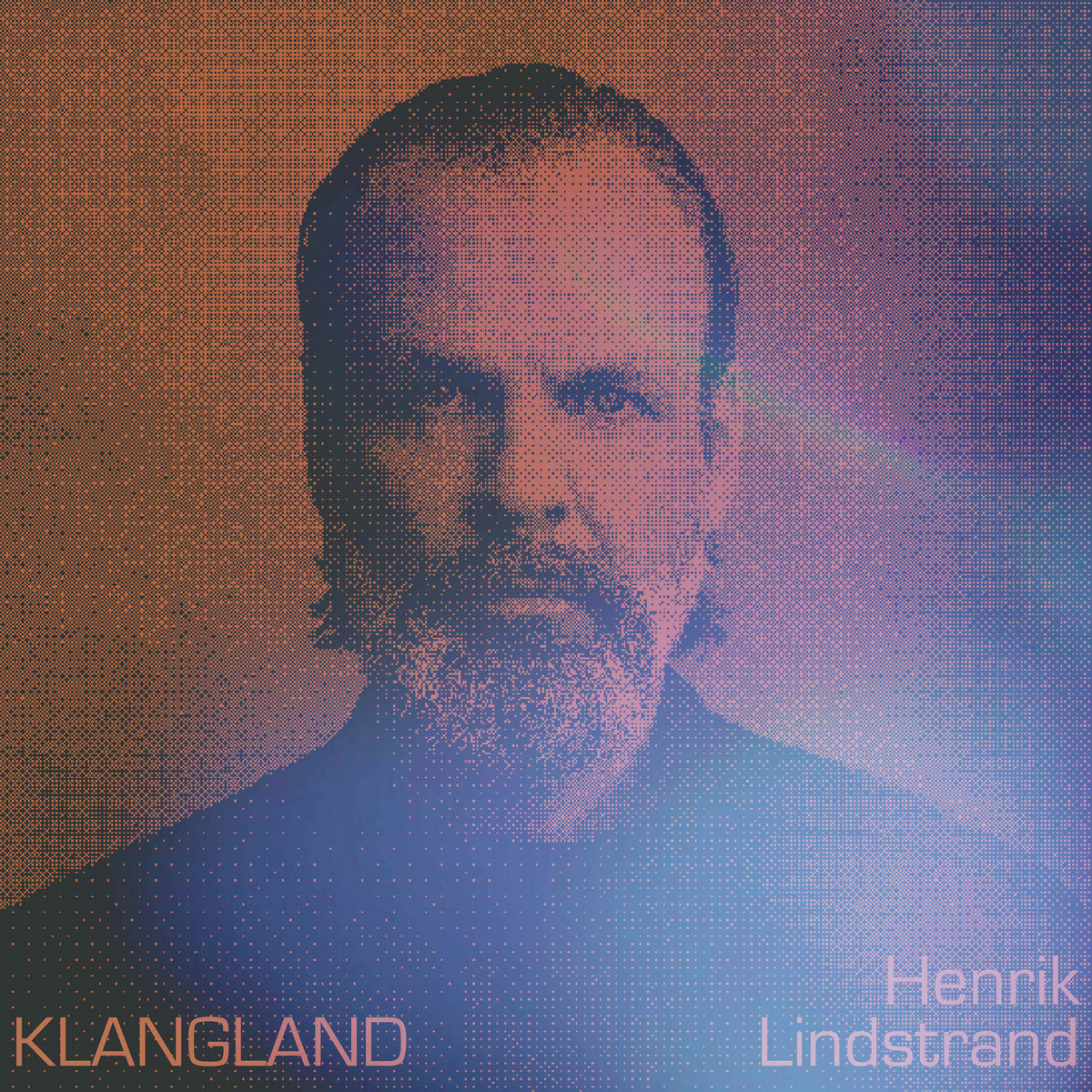
Having completed a solo piano trilogy, Henrik Lindstrand felt the need to expand his musical horizons. He chose a 16-piece string ensemble, who recorded the material for Klangland in Berlin under the direction of conductor Robert Ames and engineer Francesco Donadello.
Lindstrand’s aim in this music is to work with compressed musical ideas but communicate them in a powerful emotional manner. The title of the album, Klangland (translating as Soundland) suggests this will be done in a series of sonic portraits.
What’s the music like?
Both simple and effective. The ‘simple’ observation is not meant as a sleight, rather an observation that Lindstrand is able to work minimal material into something deeply meaningful. You only have to listen to the first piece, Jord, to see the immediate impact this music can make. The string sound is malleable, the strings often playing without vibrato to secure a sound of glassy clarity. This particular track takes in an airy panorama, with silvery violas, slightly gritty cellos and serene violins – and the timely addition of a piano at the end.
Throughout, Lindstrand’s use of strings is a cut above the ‘standard’ usage, using them economically and effectively. Post finds them almost stock still, using harmonics with no vibrato, before warmer thoughts emerge lower in the range, a solo viola added to the mix. The phrasing in pieces such as Tumlare takes the music deeper, with swooping figures towards the end imitating birds on the wing, having helped contribute to a spacious backdrop with rippling piano.
The piano prompts the internal musings of Gammafly and Tuvstarr, the textures crisp and cold, and with the free thoughts of the cello added to the latter. Cellos are key to the success of Millimeter, where the composer explores a more urgent series of melodic lines, spreading out to the wider extremes of the instruments.
Lindstrand’s cinematic abilities are frequently seen, in the opening out of Leva’s melody, or the instrumental doubling and subtle brush work on the drums that help paint such a vivid picture for CPH-ARN. Klangland itself is the crowning glory, rich in colour and enjoying a modal melody from the piano.
Does it all work?
It does. Lindstrand’s concentrated approach means the subtle intensity of his writing never lets up, and closer listening reveals the attention to detail in the orchestration. You can even here the pedals of the piano in closing track Hvid, for instance!
Is it recommended?
It is. In a crowded field, Henrik Lindstrand has a distinctive voice and music of subtle yet deep meaning.
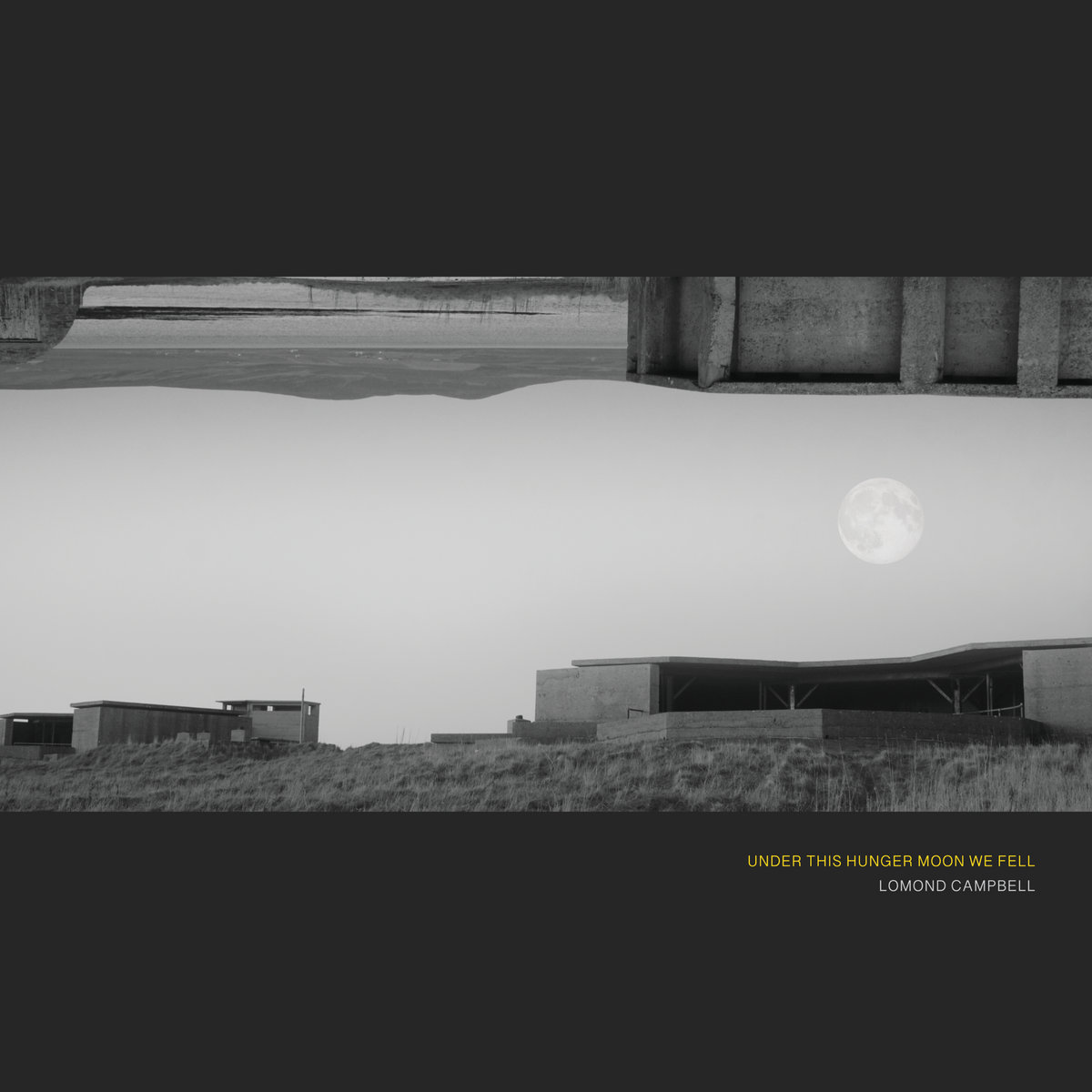
The third instalment of Lomond Campbell’s experiments with music based on tape loops is a primal affair. While he was nearing completion of the album there was a dramatic Supermoon phenomenon known as a Hunger Moon, which occurs at the end of winter when predators are at their most desperate.
For his source material Campbell took 140 tape loops, stacked up on top of each other, and gradually whittled them down until, as the press release says, ‘the bare bones of something musical started to show itself’ on each track. The three-part project of music based on tape loops has its origins in a request from King Creosote, who was looking for a custom tape looping machine. Campbell obliged – but in the process created a musical instrument he wanted to get to know.
What’s the music like?
Moody and rather magnificent.
The title and recording process explain the album’s extremes of emotions, from intense and sudden soul searching to unexpected tenderness – but make no mistake, this is not a record that drifts complacently through the middle.
There is often an exploratory feel to this music, from the way a lone synthesizer line winds its way up through the misty textures of Bastard Wing, and the way the violin dominates Phonon For No One, with a busy drum track rather like the steady thrum of horses’ hooves underneath. Yet there is stillness too, best heard through the tolling piano that begins Leave Only Love Behind, an atmospheric tale.
We hear Lomond Campbell the vocalist for the first time, on For The Uncarved – a striking set of timbres providing the backing for his heavily manipulated but distinctive voice, which is eventually swamped by a rush of white noise.
Often the elements are close at hand, such as on the wide open and windswept track The Mountain And The Pendulum, a panorama with vivid outlines and a sweeping backdrop. It is another demonstration of how good Campbell is at setting the scene and allowing the climate to take over.
Does it all work?
Yes. Though often darkly tinged, this is a compelling piece of work – and compressed, too, the seven tracks weighing in at little more than .dfgd
Is it recommended?
Very much so. It will have you – as it did me – working back through Lomond Campbell’s impressive discography to check if there is anything that hasn’t been missed. Highly recommended, both as a trilogy and as this single, searching element.
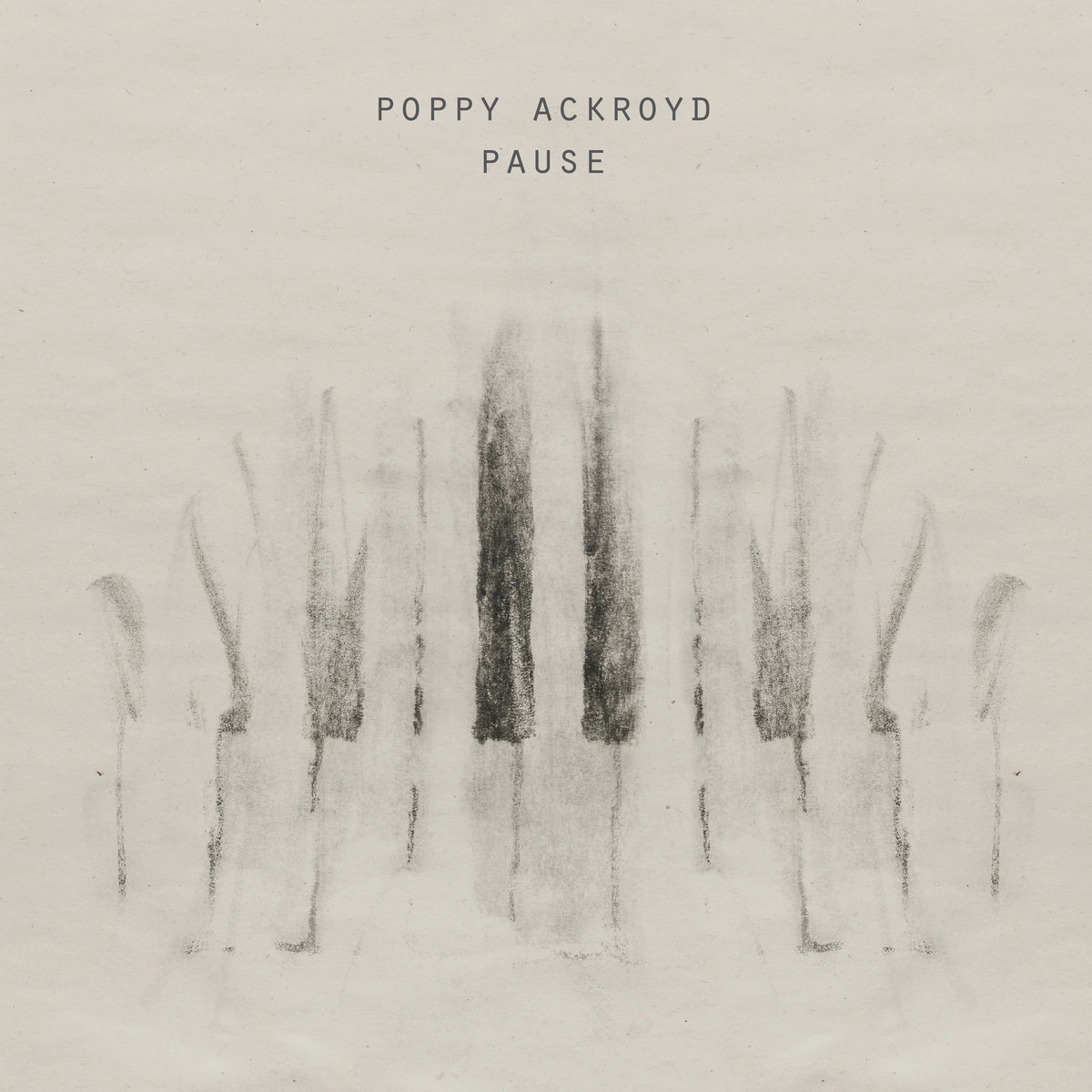
Poppy Ackroyd’s fourth album could hardly be a more personal document. Written during the pandemic, it is a first-hand account of life being put on hold – but at the same time tells the story of the birth of her son. Often the newborn was asleep on the composer as she wrote at the piano, while other work was done in the rare free moments the new mother was allowed.
What’s the music like?
Ideal for this time of year. Although a piano album there are a lot of imaginative sounds and colours not normally associated with the instrument, as Ackroyd stretches its capabilities. Not content with using the conventional white and black keys, she leans into the piano to utilise the taut strings, creating effects like that of a harp or harpsichord.
Suspended, for instance, is performed with both hands inside the piano, using a mysterious tapping sound like someone knocking on the window. Meanwhile Muted was recorded using cloth to dampen the strings in the piano’s lower half. The resultant pinpricks of melody are rather beautiful. Pause itself is a combination of conventional sounds and the inner strings, the music effectively set for two instruments as it extends its icy tendrils.
Impulse uses a wider range of the keyboard, with an easily flowing discourse that suggests it was written with a white flash of inspiration, using simple but expressive figurations that become gradually more expansive. Release enjoys its freedom, showing how Ackroyd’s titles are accurate descriptions of what happens in the music.
Perhaps the most vivid imagery can be found on Murmurations, which captures the rediscovered love for nature a lot of us have felt in recent times. The swirly give and take is compelling to the listener, especially on headphones.
Does it all work?
It does. Ackroyd’s work as a pianist is completely free of any mannerisms or clichés. It is a purely instinctive and personal piece of work, which means it flows beautifully as an album.
Is it recommended?
It is. Pause is an accurate reflection of the emotions we all felt during the pandemic, but it is an ultimately positive piece of work, making the most of freedom where it has been allowed. Ackroyd gets the balance of natural piano work and manipulation just right, her instrument blessed with some lovely autumnal textures but also an intensely personal communication.


 Arcana.fm