
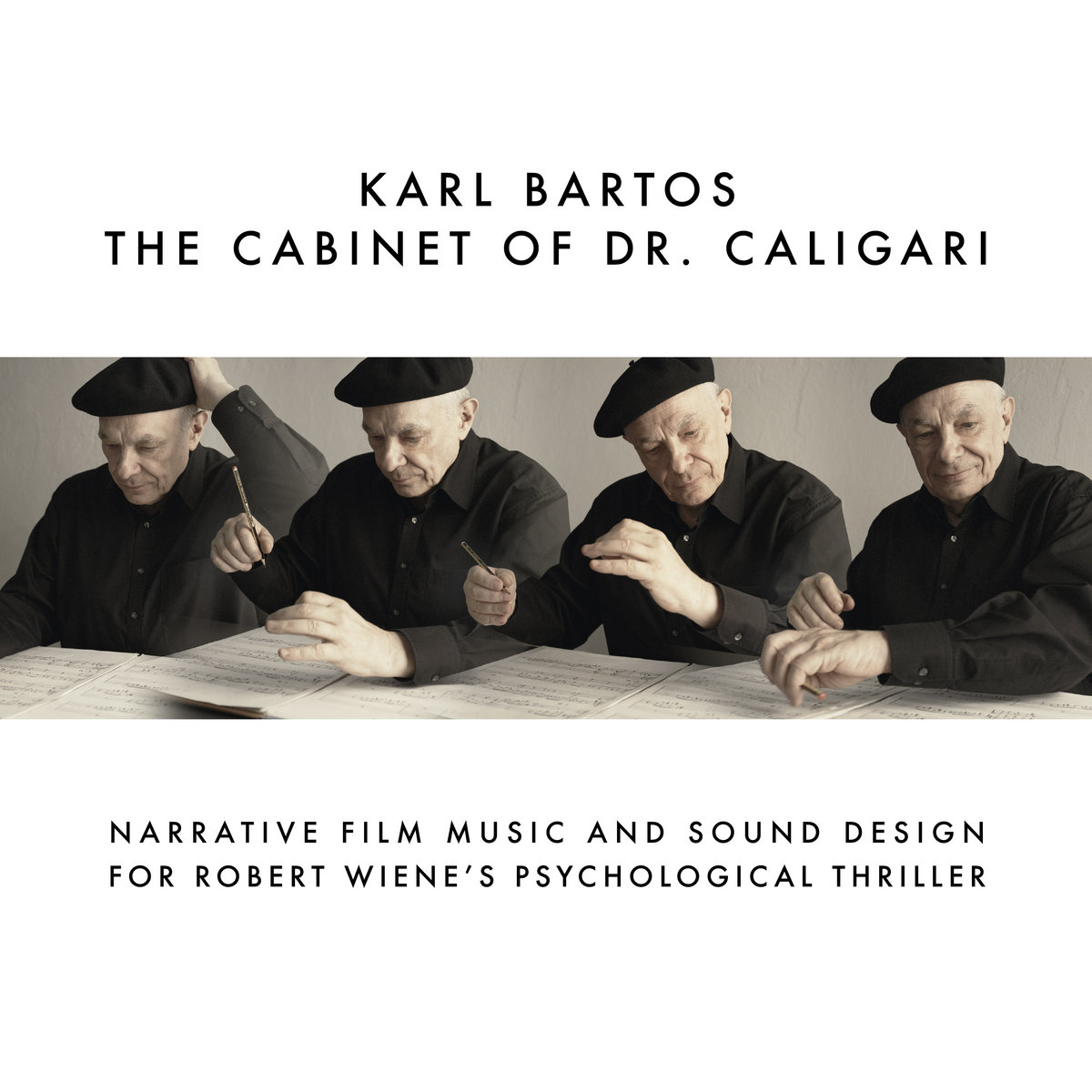
by Ben Hogwood
What’s the story?
This is described as ‘narrative film music and sound design for Robert Wiene’s classic 1920s psychological thriller’.
It is, in effect, Karl Bartos retracing some of his steps back to when he was in Kraftwerk. Then, he helped to create Metropolis, inspired by Fritz Lang’s 1927 film, but now he goes several steps further to create a whole new soundtrack for Wiene’s picture.
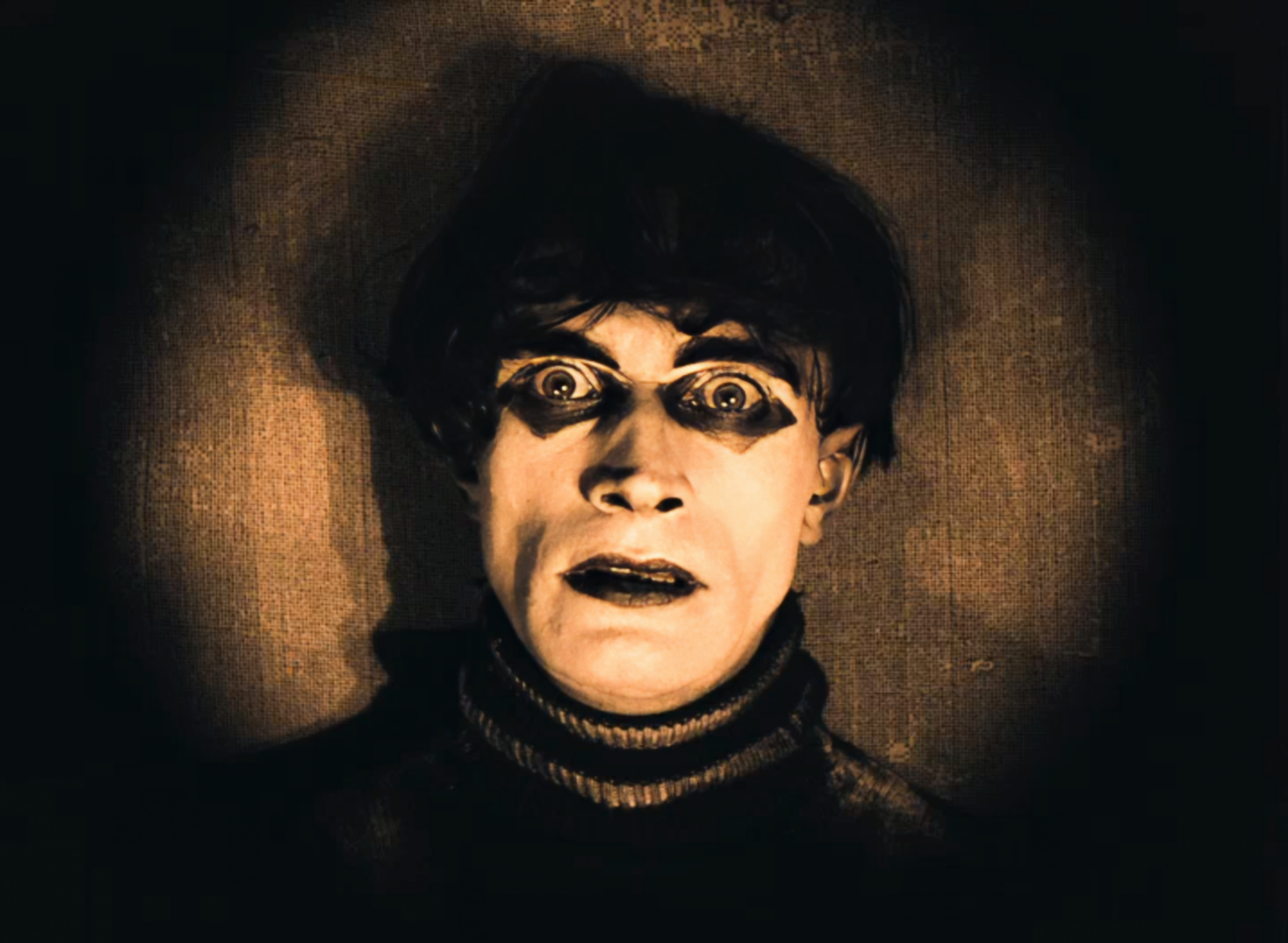
To do it he pulled together a wide array of material from his musical archive, finding snippets that range from classical and Baroque to atonal and musique concrete – in short, creating a musical melting pot to bring the film to life in a musical sense.
What’s the music like?
Enormously entertaining and full of character. Bartos’s love of the film is immediately clear, and no stone is left unturned as he seizes the opportunity to create a fun and colourful score, one that portrays the characters and events in great detail.
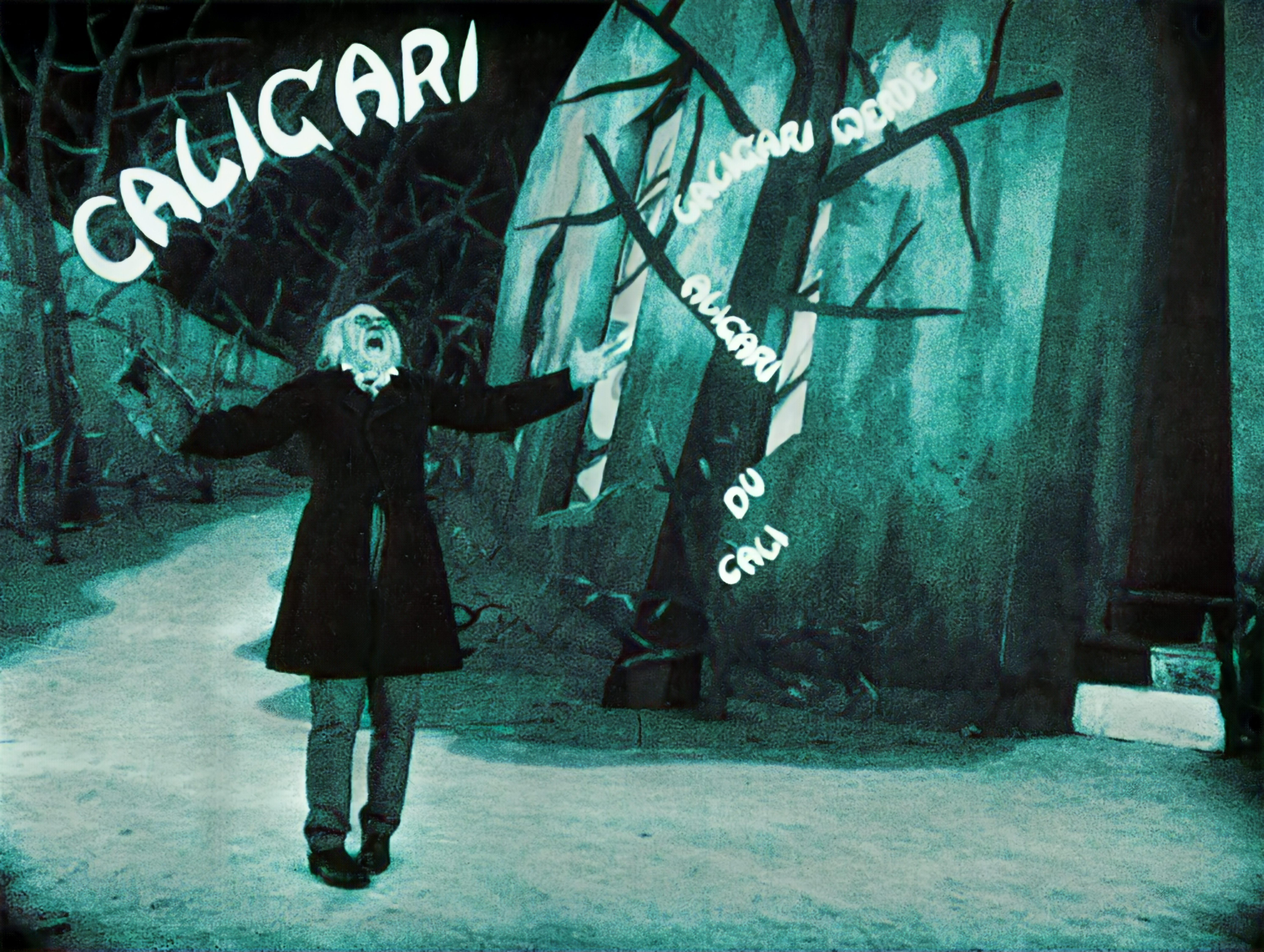
There is a dizzying range of colour and styles, showing just how many areas of music Bartos has covered in his musical education and what a grasp he still holds on classical as well as more recent electronic work. The imposing organ of the Prologue sets the tone for scenes that are full of colour and imagination. As we move through the scenes Bartos brings amusement, dread, wittiness, and a macabre madness that gives his jagged motifs a refreshing unpredictability. Sometimes the music sounds like a barrel organ, as on the brilliant scene At The Funfair, which is brilliantly done.
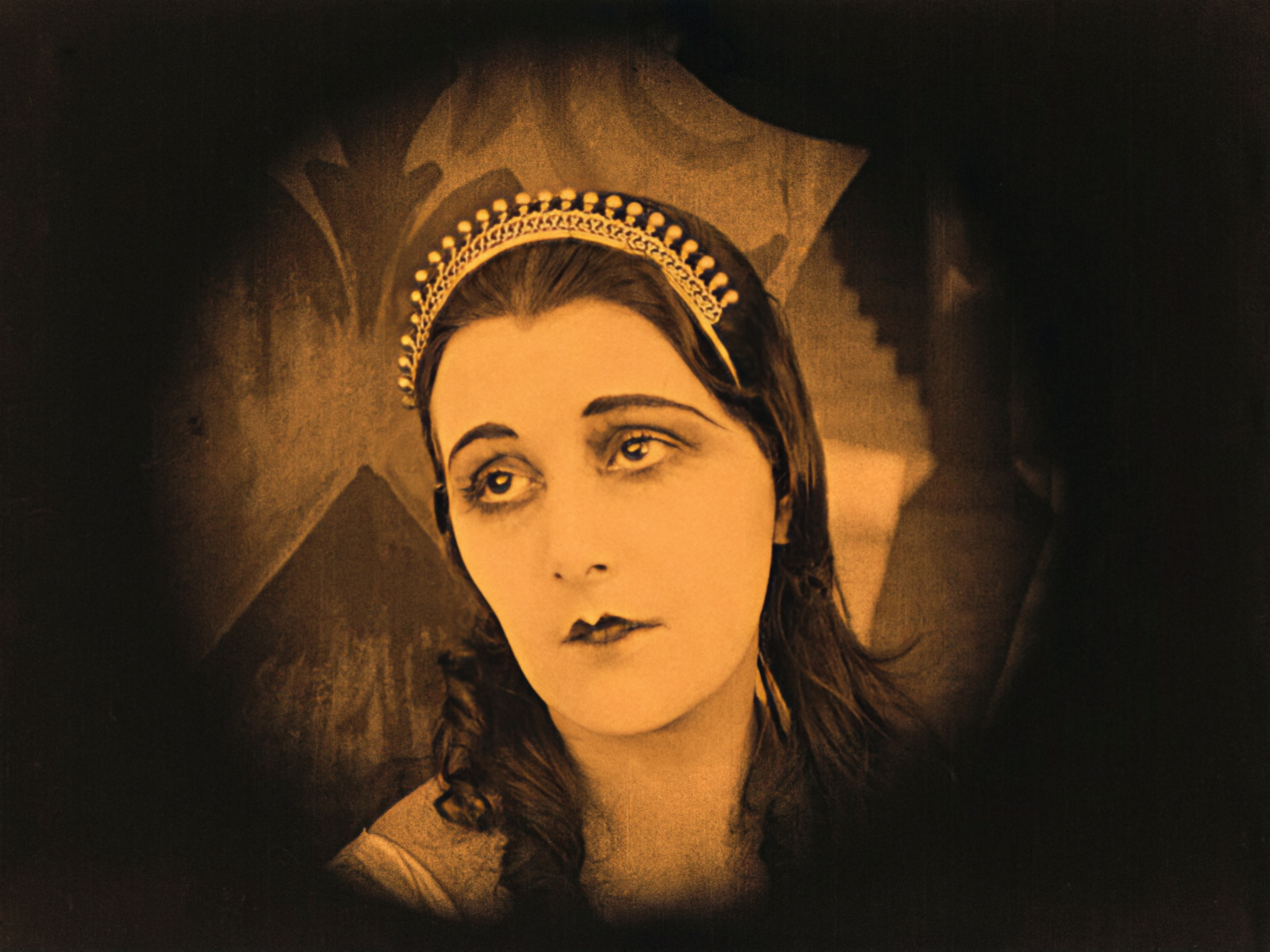
Jane’s Theme introduces a much more tender mood, in contrast to the playful Caligari’s Theme 2 or the brittle piano theme used to depict Caligari’s Deception.
Bartos uses the waltz to really good effect in his portrayal of the different scenes, and the dances of the 1920s are always close at hand. Lunatic Asylum is suitably edgy, the music hanging on the edge, but In Search Of The Truth is the big number where everything comes to a head, Bartos marshalling his forces brilliantly.
Does it all work?
Not always as a listening experience, for some of the scenes are very short and would obviously benefit from the visuals. This is in no way the fault of Bartos, though, who delivers a masterclass of scene setting throughout.
Is it recommended?
Wholeheartedly. It would be interesting now to see if Karl Bartos feels inclined to take his clear aptitude for modern classical music any further, or if he wants to go down more electronic avenues. Either way he has made a colourful, vibrant soundtrack to accompany The Cabinet of Dr. Caligari, and can be proud of the extent to which he brings the mood and characters of the 1920s to life.
For fans of… Kraftwerk, Kurt Weill, Eisler,
Listen & Buy
Published post no.2,098 – Saturday 24 February 2024
 Arcana.fm