News – Oxford International Song Festival, 10-25 October: Stories In Song

adapted by Ben Hogwood from the press release. Pictures by Capucine de Chocqueuse (Marie Laure Garnuer and Celia Oneto Bensaid), Peak Motion Films (The Erlkings), Rosie Hardy (Soraya Mafi), Guido Werner (Konstantin Krimmel)

  • The UK’s largest song festival, now in its 24th year, features 67 events over 16 days.
  • The Festival boasts a headline series of evening song recitals and a rich array of other events, including choral music, dance, chamber works, and talks.
  • Among several world premieres is Nice Weather for Witches, a specially commissioned song cycle by Elena Langer, as part of a programme based on the Slavic legend of Baba Yaga.
  • With ‘Pay More/ Pay Less’ and ‘Pay What You Can’ options, free events, £10 tickets for under-35s, and a variety of discounts and concessionary rates, the Festival is accessible to all.

Taking place from 10 to 25 October, the Oxford International Song Festival promises an exhilarating and ambitious fortnight filled with adventure, discovery, and vision this autumn. This year’s theme of storytelling will feature over 150 singers, instrumentalists and speakers, who will perform hundreds of works across 67 events. The Stories in Song programme ranges from fairytales and ballads to the life stories of composers and poets, from Baroque lute songs to Irish folk music, and from a Schubert Weekend to a day of Spanish and Latin American song.
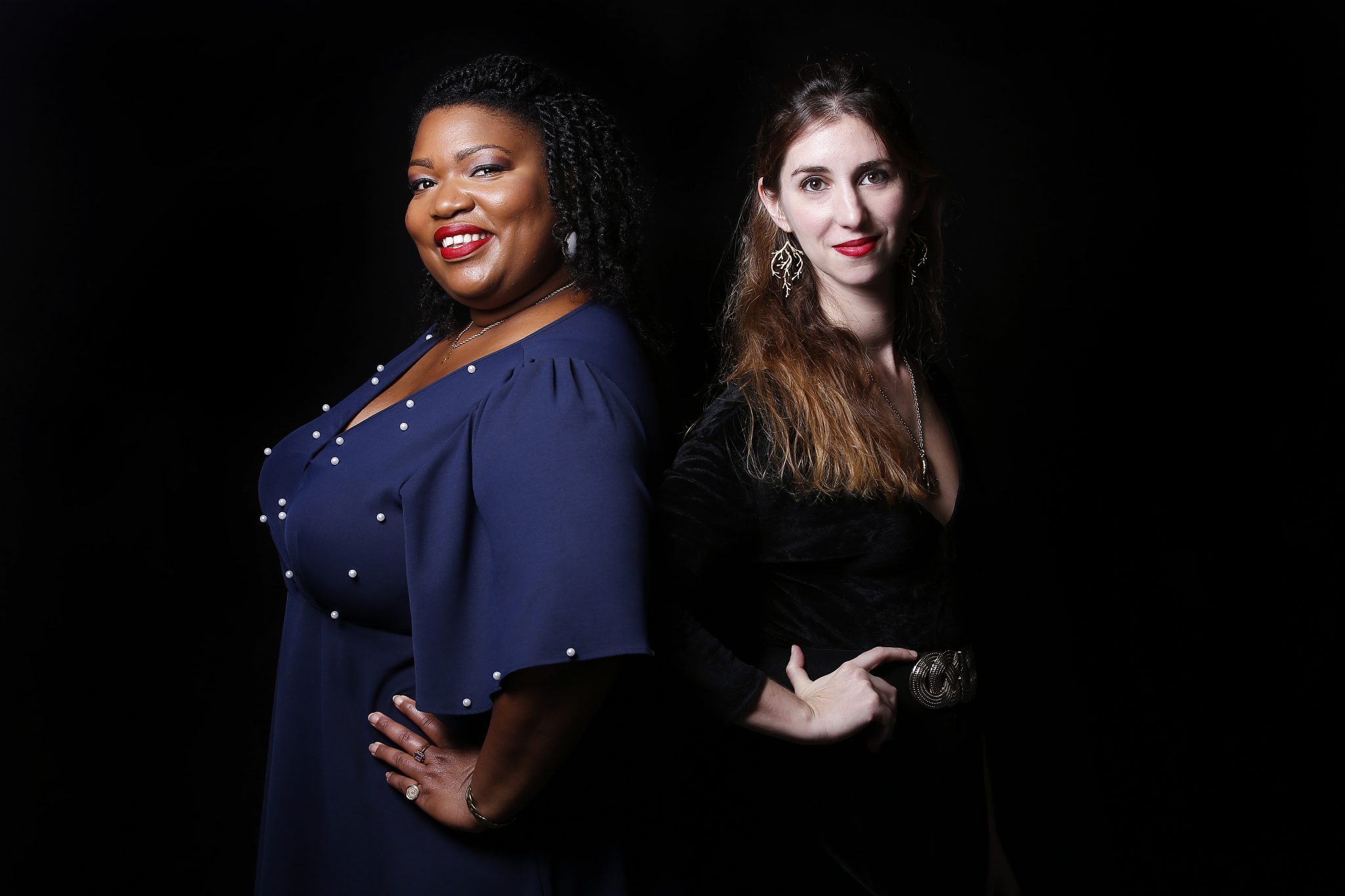
Artists include Benjamin Appl and Sholto Kynoch who give the opening night recital on 10 October; bass-baritone Stephan Loges with pianist Libby Burgess(11 Oct);soprano Juliane Banse and pianist Daniel Heide (12 Oct); Christian Immler and Anne Le Bozec (13 Oct); Nicholas Mulroy with Toby Carr and Elizabeth Kenny (14 Oct); Stéphane Degout and Cédric Tiberghien (15 Oct); Dietrich Henschel and Angharad Rowlands (16 Oct); Marie-Laure Garnier (above) and Célia Oneto Bensaid (16 Oct); Thomas Oliemans and Paolo Giacometti (19 Oct); Camilla Tilling and Paul Rivinius (21 Oct); and Konstantin Krimmel (below), with Ammiel Bushakevitz (24 Oct). Artists appearing for the first time include Nikola Hillebrand with Julius Drake (19 Oct) and Sir John Tomlinson (25 Oct).

The first of this year’s world premieres is Wild Nights, a new work by Oxford Song Young Artist Will Harmer (10 Oct), performed by Sebastian Hill with Will Harmer, as one of eight showcase recitals given by Oxford Song Young Artists who are completing their 18-month programme of training and performance opportunities.

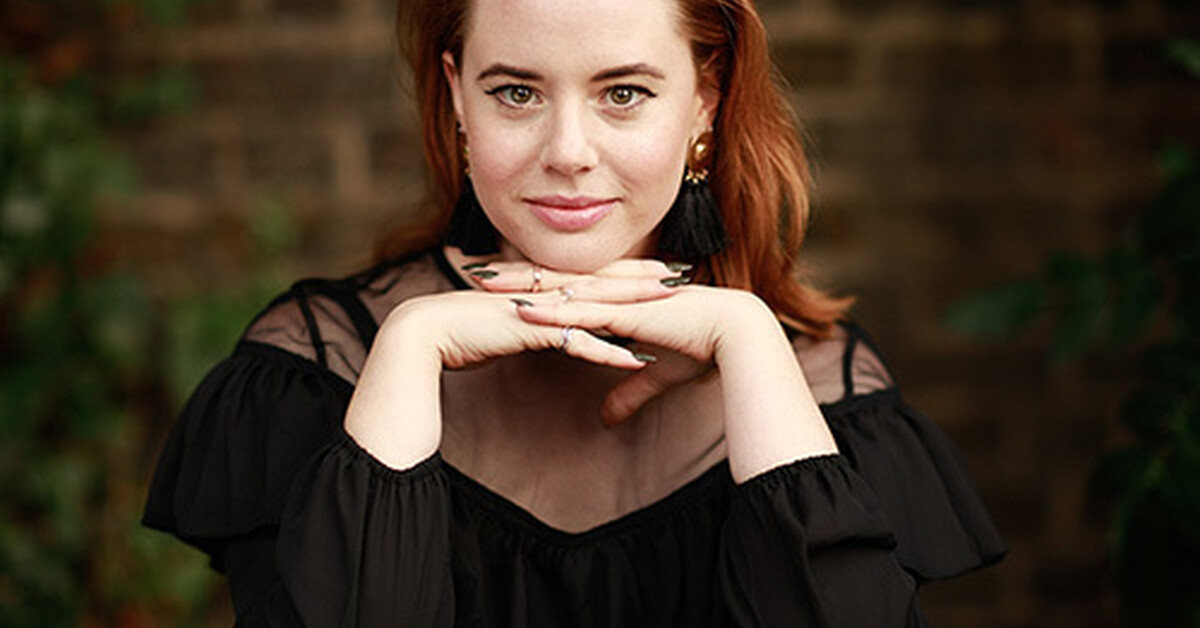
A new song cycle by Cheryl Frances-Hoad, based on the Untold Lives collection in the British Library, will be sung by Neil Balfour with Sid Ramchander (15 Oct). Oliver Johnston and Natalie Burch give the world premiere of two songs by Elena Langer, setting the Russian poet Osip Mandelstam (22 Oct). Oxford Song’s Associate Composer Emily Hazrati creates a new cycle for Soraya Mafi (above), and Ian Tindale (23 Oct), Book of Queens, inspired by the Shahnameh (‘Book of Kings’), the 10th-century epic poem by the Persian poet Ferdowsi.

Elena Langer’s new cycle, Nice Weather for Witches, is the centrepiece of a programme of song and dance, based on the legend of Baba Yaga, with mezzo-soprano Rowan Hellier, dancers Ana Dordevic and Carola Schwab, and choreographer Andreas Heise (22 Oct). The performance is preceded by a partnership storytelling event with the Crick Crack Club.
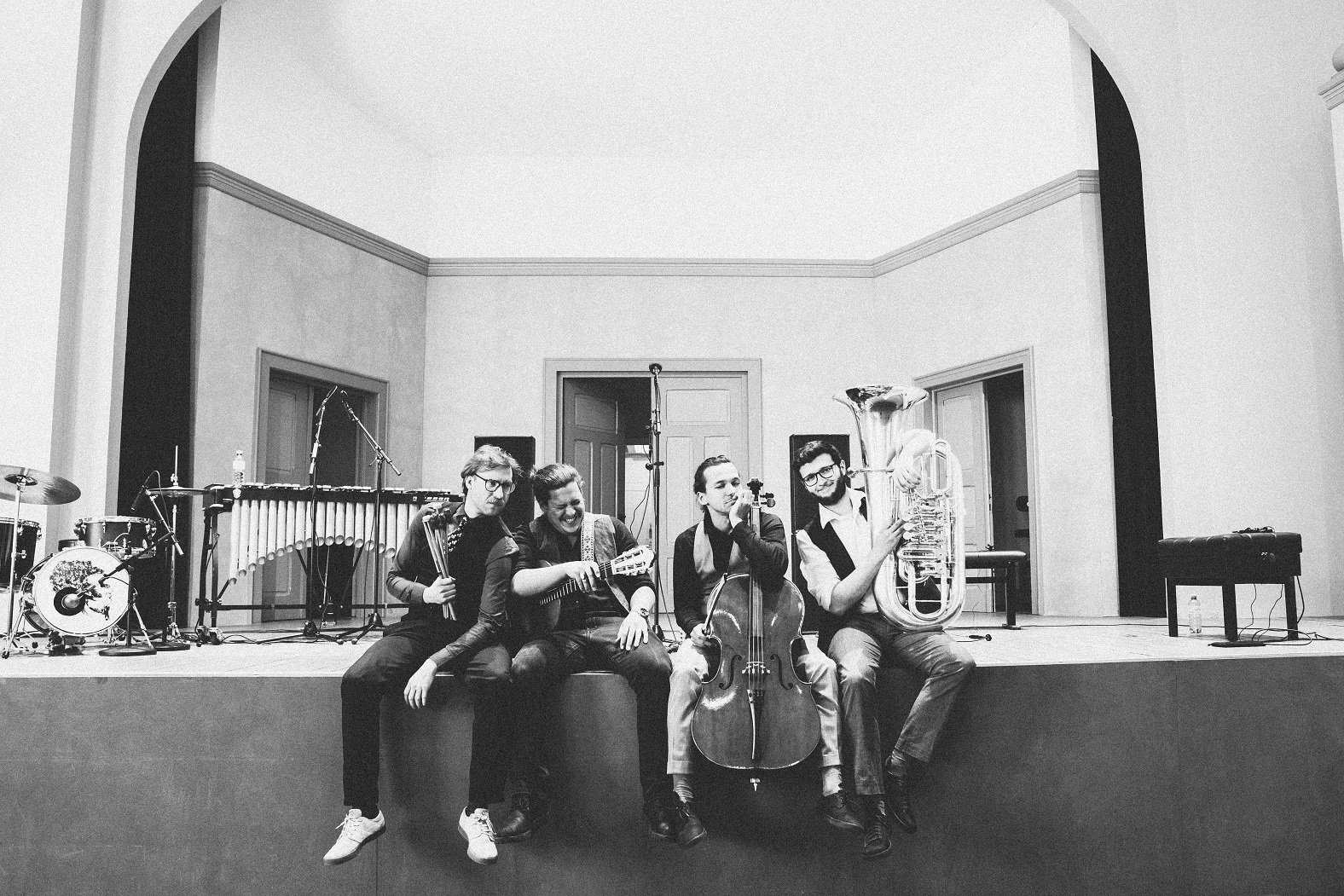
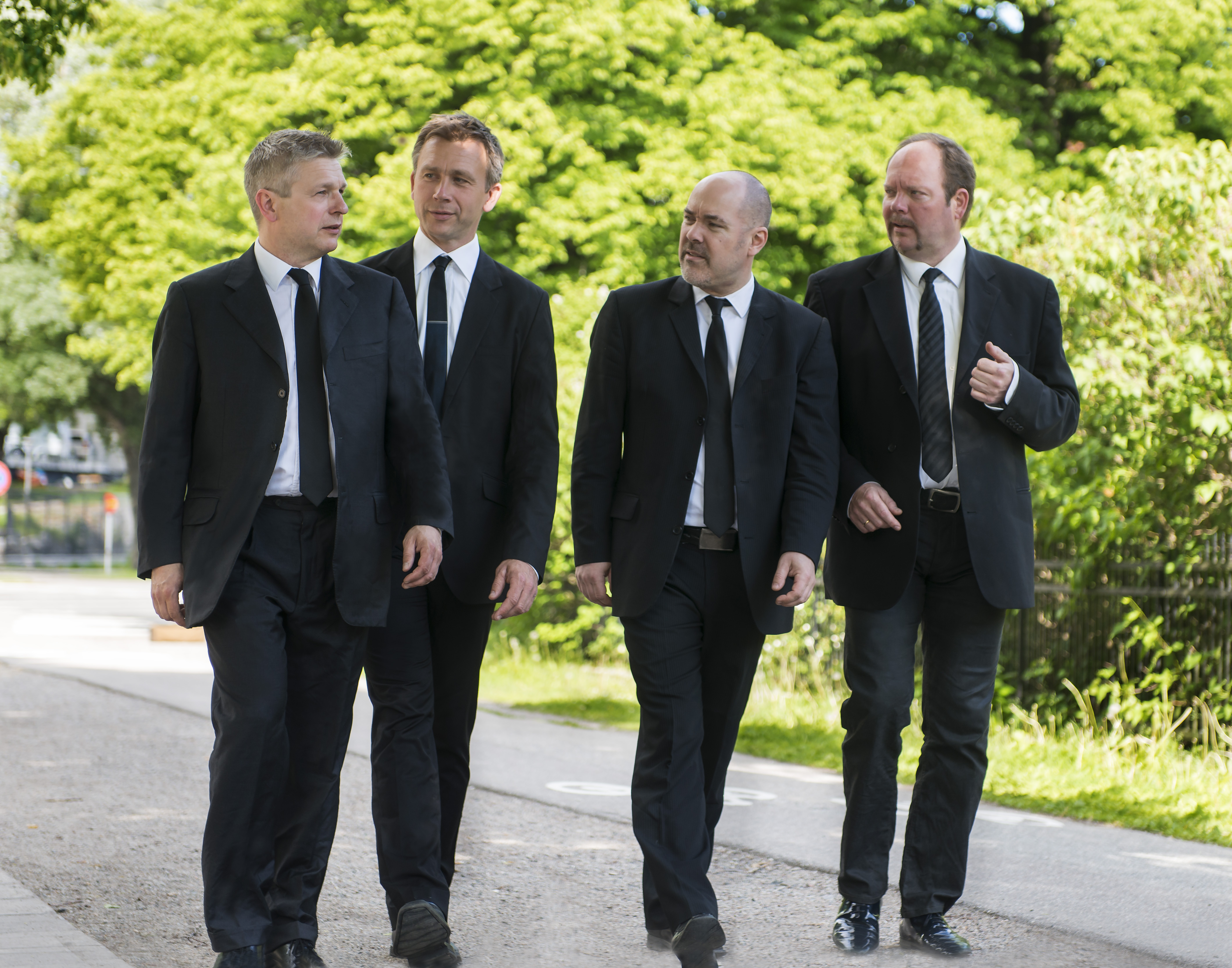
The middle weekend of the Festival (17-20 Oct) will be dedicated to the songs of Franz Schubert. Graham Johnson will continue his survey of the composer’s life 200 years on, delving into Schubert’s world in 1825, joined by the soprano Martha Guth and an ensemble of singers from Oxford Song’s Young Artist Programme. Other recitals are given by Henk Neven, Thomas Oliemans,and Nikola Hillebrand. The weekend will culminate with a performance of Die Schöne Müllerin by Roderick Williams and the Carducci String Quartet. The Erlkings (above), the unique Schubert-inspired band based in Vienna led by singer Bryan Benner, will be in residence throughout the weekend, celebrating their tenth year with a new version of Winterreise, as well as performances for students and families, and a concluding Schubert party.

Song Connections events throughout the Festival offer a range of enriching experiences for festivalgoers. On an informal Song Sofa, Katy Hamilton will lead conversations with Roderick Williams and Benjamin Appl in a new format designed to bring audiences closer to both artists and music. There will be an introduction to the Spanish language, highlighting its many regional and continental variants, and discussing its delights and challenges for singers. There will also be a session on the principal poets from the ‘Golden Age’ of Spanish poetry in the 16th and 17th centuries, through to Romanticism and the 20th century. Professor Philip Ross Bullock will explore the life and music of Dmitry Shostakovich, commemorating the 50th anniversary of the composer’s death. Natasha Loges explores a rich legacy of composers from around the globe who studied in Europe, were drawn to the voice-piano combination of song, and subsequently integrated Western idioms with vernacular languages, harmonies and rhythms.

Late-night events include a performance by Argentinian bandoneon virtuoso Victor Villena, who will deliver an electrifying set of tango music (14 Oct), mezzo-soprano Olivia Vermeulen and pianist Jan Philip Schulze with their latest programme, ‘In Heaven’ (17 Oct), and a Halloween-inspired concert with Aphrodite Patoulidou and Keval Shah (24 Oct). An Irish folk-music performance with Zoë Conway and John McIntrye concludes a day focused on the music and poetry of Ireland (23 Oct).

Some events are free or priced at just £6-£10, and there are thousands of tickets available for £18 or less. A generous range of discounts are offered to anyone booking multiple events, and under-35s can attend any event for just £10.

Sholto Kynoch, Artistic Director of the Oxford International Song Festival, shared his excitement: “Telling stories is a fundamental element of song, at the heart of all we do. It is part of the fusion of words and music that creates such magical sparks. In this year’s Festival, we explore stories in many different forms, from fairytales and ballads to the human and artistic relationships behind the songs, and the developing stories of national song traditions. Whether classical song is new to you or you’ve been a regular visitor to the Festival, be assured of the very warmest welcome: the music is thrilling and profound, but the Festival remains informal, sociable and friendly. I look forward to seeing you there.”

Public booking for the Oxford International Song Festival is now open. Book tickets online at http://www.oxfordsong.org or call the Box Office on 01865 591276 (Mon-Fri 9.30am – 1pm).

Published post no.2,658 – Monday 15 September 2025

Song at Wolfson – Ukraine Fundraiser

It is so gratifying to see all the musical initiatives currently underway to raise money for Ukraine. One that I particularly wanted to draw attention to is a concert taking place at the Leonard Wolfson Auditorium in Wolfson College, Oxford, on 9 June.

British-Ukrainian mezzo-soprano Rozanna Madylus will be joined in a celebration of Ukrainian song by pianist and Oxford Lieder Festival founder Sholto Kynoch. Rozanna is a former Oxford Lieder Young Artist, and the programme will be introduced by Philip Bullock, setting the history of Ukrainian music in cultural context.

The program includes songs by the 19th-century Ukrainian composer Mykola Lysenko, as well as music by Yakiv Stepovyi, Kyrylo Stetsenko and Stefania Turkewich. The commentary for the concert reveals that Turkewich studied with Joseph Marx and Arnold Schoenberg, before fleeing the Soviets for England in 1946, where she stayed until her death in 1977. Some of her songs have only recently been discovered. With the inclusion of Ukrainian folk songs, the concert promises to be an eye-opening occasion, bringing the music and poetry of Ukraine to the forefront at such an awful time for the country.

The concert will be presented in support of the DEC Ukraine appeal. With generous support from Breckon & Breckon, all costs of the concert are covered and 100% of ticket sales will go directly to the DEC. Although seating is unreserved as usual, tickets are priced at £15, £20 and £25 to help raise as much as possible. If you would like to donate further, please click here to give directly to DEC.

You can book tickets for the concert at the Oxford Lieder website

In concert – Oxford Lieder Festival celebrates Stenhammar with Camilla Tilling, Agnes Auer, Martin Sturfält, Lotte Betts-Dean, the Stenhammar Quartet and Sholto Kynoch

Various venues in Oxford, Sunday 10 October. Artists as listed below

Written by Ben Hogwood from online streams

“There is no better way to get to know Stenhammar than the songs”, says pianist and scholar of the composer Martin Sturfält. With around half of the composer’s output delivered on this third day of the Oxford Lieder Festival, it was the ideal opportunity to get to know the Swedish composer, 150 years on from his birth. Arcana dipped its toe in four of the online events.

Celebrating Stenhammar, placed second in the substantial quintet of concerts, seemed the best place when approaching this series online. Taking the form of a seminar with musical examples, it doubled as the ideal introduction to the composer and an extremely useful and interesting top-up for those with working knowledge.

Beginning, naturally, with two songs, we were able to enjoy the clear voice of soprano Agnes Auer, giving with Sturfält a radiant account of I Skogen (In The Forest), which they countered with the distracted Adagio.

A panel of Sturfält, Daniel Grimley and Leah Broad then proceeded to give valuable historical context to Stenhammar’s work, brimming over with enthusiasm for the increased exposure his music has enjoyed of late. Broad explained the composer’s continued resolve to compose accessible tonal music in the wave of modernism sweeping Europe, renouncing Schoenberg and Strauss but striking out instead for a clarity of expression. This could be seen in helpful parallels drawn with Swedish art and politics of the time.

Auer illustrated why the fuss is justified, with a special account of Klockan (The Bell), one of Stenhammar’s finest songs stopping time as she sang. Later on Lutad Mot Gärdet (Leaning On The Fence) was a lovely illustration of how the composer’s relative simplicity could fuel profound feelings, especially through the clear tones of this singer.

In between Sturfält played the rather lovely Sensommarnätter (Late Summer Nights) Op.33. This suite captured both the clear light and furtive movements of nature at that time of year, but also found a metaphor for the late summer of life. Though written in 1914 the suite had been in Stenhammar’s mind for some time, and the performance here caught the essence of the five pieces, a tantalising combination of certainty amid darker thoughts and feelings.

Before this the day had begun with a broader celebration of Nordic song, in the company of young artists – soprano Siân Dicker, tenor Alessandro Fisher, mezzo Lotte Betts-Dean and pianist Keval Shah, who proved an excellent guide. As he said, nature provided the drama itself – and these examples, from contemporaries of Stenhammar, brought little-known names to the surface in illustration of the depth of songwriting talent in the Nordic countries in the 20th century.

Adolf Fredrik Lindblad’s Höstkvällen made a strong impact through Betts-Dean, as did Kuula’s slightly troubled Syystunnelma and a slightly playful Serenad from Erik Bergman. Here, Fisher and Shah portrayed the falling leaves with little flourishes. Betts-Dean also caught the unpredictable directions of Grieg‘s Autumn Songs. Definitely a song of two halves, it held the realisation that summer is over and winter is making a play for our affections. Meanwhile the remarkable Sibelius song Norden pushed Dicker’s voice to its limit, successfully, and she also shone in Merikanto and Madetoja.

The third concert, subtitled A Swedish Sensation, featured the Stenhammar String Quartet in a tense Elegy and brisk Intermezzo from Lodolezzi sjunger (Lodolezzi sings). Then they were joined by Lotte Betts-Dean for a fascinating set of five songs from Henri Marteau. The viola crept upwards before a portrayal of how the ‘quiet drops fall to earth from the clouds’ was brilliant in Thränentropfen, while the exultant In dem Garten meiner Seele found the ‘magic voice of a violin’ from first violinist Peter Olofsson at the end. Betts Dean set a very high standard, with wonderful tone and full voice in Sonnenlied, pushing to her upper range with impressive poise and power.

The quartet then proceeded to give a fluent account of their namesake’s String Quartet no.4, showing its ready inspiration in a first movement that delighted in a good many tunes, the instruments engaged in confident dialogue. The influence of Mendelssohn could be found in this busy activity, but the richly coloured Adagio made a more lasting mark, Olofsson’s passionate solo floating above the waves created by the other three instruments. There was a busy scherzo with a particularly bright fugal episode, high on energy, before touches of humour imbued the finale with positive spirits. Again, the dialogue between the four was intimate and entertaining.

The fourth concert, given in a starry Saint John the Evangelist church, included a complete performance of Stenhammar’s cycle Songs and Moods. The object of this concert was to show off Stenhammar’s talents to the full in the company of the best possible artists for the task. Agnes Auer returned, while Swedish soprano Camilla Tilling and baritone Jakob Högström gave fully idiomatic performances, all paired with festival director Sholto Kynoch, who had somehow found the time to rehearse the challenging piano parts!

The route to Stenhammar came by the way of Lindblad, Rangström, Nordqvist, Alfvén, Linde and Peterson-Berger, and was again illuminating in its selections. The darker shades of Ture Rangström’s Pan received a nice, airy delivery from Tilling, while Alfven’s Saa tag mit Hjerte was the most affecting song so far with its simple yet searching message and melody. Bo Linde’s Äppelträd och päronträd (The apple tree and the pear tree) sprang forward with renewed energy, while Peterson-Berger set a mood of longing with När jag för mig själv, and the poignant lyric “I think of a friend whom I will never find”.

After six very fine songs from Stenhammar himself – Ingalill Op.16/3 testing the upper range of Tilling and Fylgia Op.16/4 clinging urgently to its subject – we heard Högström in Songs and Moods Op.26. This fulsome baritone was beautifully projected, supported by a crystal clear piano part. There was a sharply rendered portrait of the butterfly orchid that stood out, then a staccato Miss Blonde & Miss Brunette which proved the most substantial song. Kynoch was certainly kept very busy! To the land of bliss was brilliantly judged, tripping along like a slightly tipsy dance, while Prins Aladdin af Lampan, with several twists and turns, wrought its way to a powerful climax.

Tilling returned for more of the composer’s single songs, with Vid fönstret Op.20 offering poignant words on ageing, then Månsken (Op. 20/4) a clear portrayal of the forest. For an encore, soprano and baritone linked in Swedish.

This was an absolutely fascinating day, too much to take in one sitting but consistently revealing when watched back on the different streaming sites. Great credit should go to the video production team, for the songs were expertly filmed, but also to the panelists and performers for clearly relishing their chance to show their respect for one of Sweden’s best-loved composers. This day will surely have won Wilhelm Stenhammar many new friends.

For further information on this year’s Oxford Lieder festival, you can visit the event’s website here