
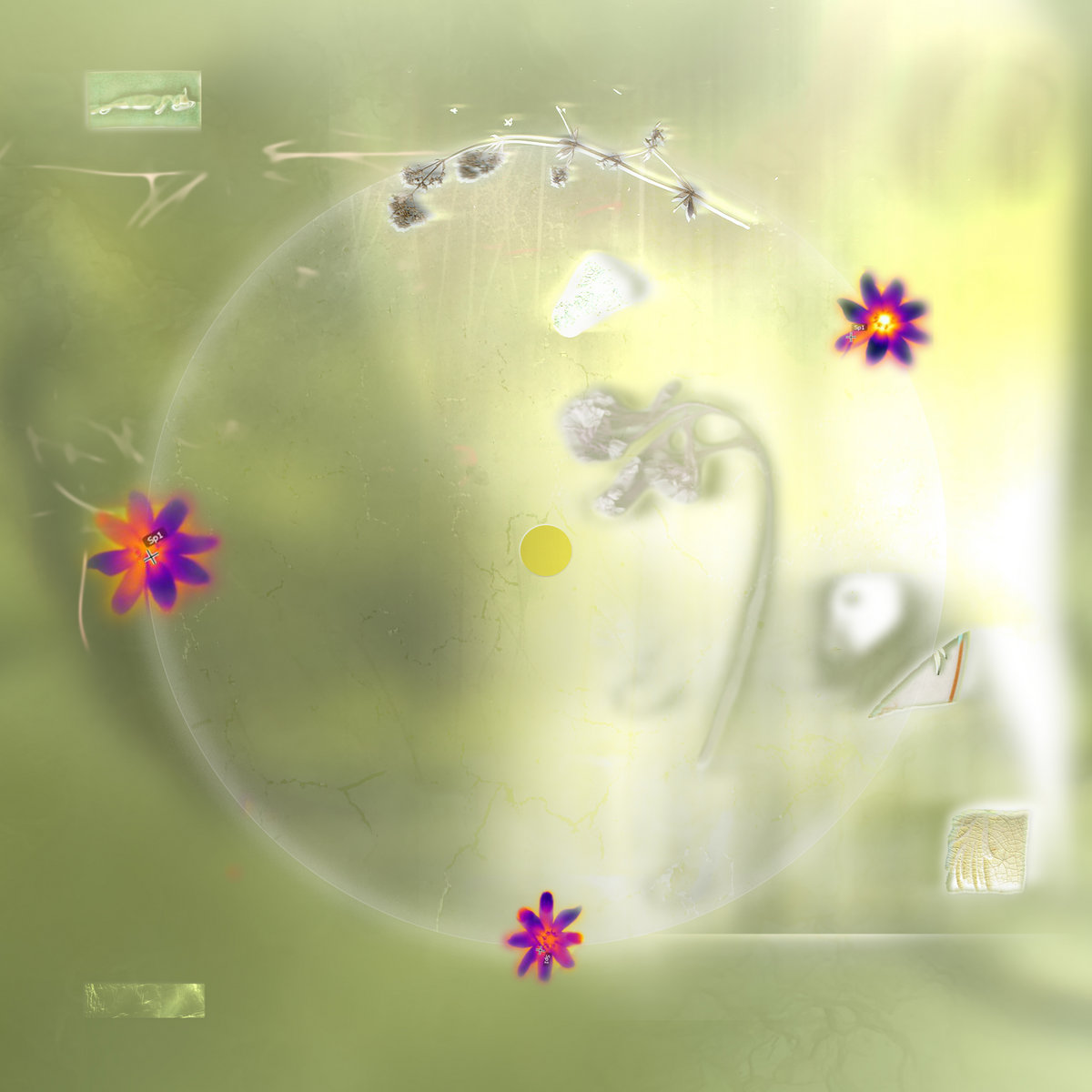
Switched On: Tristan Arp – The Self Elastic (SLINK)

by Ben Hogwood

What’s the story?

Tristan Arp switches labels for this four-part EP, following his colourful and enigmatic release End of a Line or Part of a Circle? in June.

The Self Elastic is inspired by the writings of Octavia E. Butler and Bo-Young Kim and the fluid approach of jazz master Ornette Coleman – but is described as being ‘designed for freak-time club rapture’.

What’s the music like?

Intriguing – and as fluid as its title suggests. Arp has endless imagination when in the company of a synthesizer, but one of the elements that makes his work so distinctive on this EP is his use of rhythm.

The ‘freak-time club rapture’ is aided by percussive and is found in much more subtle workings on Polymer, a ball of energy with musical material that ricochets backwards and forwards like a form of ping pong. Afterimaging has a similarly active profile, Arp crafting short riffs and melodic cells that weave in and out of intricate yet hyperactive percussion. Soon the reference to Ornette Coleman becomes clear, a saxophone offering an intense counterpoint before the music subsides.

Shrink Wrap offers a contrast, its slower motifs suggesting the workings of a small chemistry lab, before the subtle brush strokes of Liquid bring music that simultaneously moves forward energetically while being suspended in space. Arp’s music has a friendly profile here.

Does it all work?

It does – each of the four tracks linking together in satisfying unity.

Is it recommended?

It is. Another fascinating Tristan Arp EP demanding to be added to your collection.

Listen & Buy

Switched On: Tristan Arp – End of a Line or Part of a Circle? (3024)

by Ben Hogwood

What’s the story?

The enigmatic title of this EP hints at a thoughtful period in Tristan Arp’s musical output. Currently based in Mexico City, he has produced this set of five tracks that, in the words of his press release, ‘hints at timelines, lifecycles, and the shifting perspectives that come with zooming out from a human lens.’

What’s the music like?

Rich in colour and detail – and almost entirely percussive. Every sound at the start of the title track originates from something being struck, either delicately – as in the hi hats – or with strong expression, as in the bongos, tuned percussion and bass. Gradually wordless voices come into view towards the end, bringing much to reward the exploratory ear.

Arp continues with his intricate, syncopated rhythm tracks, the percussion making their own melodies above fragments from elsewhere. Branching Streams definitely suggests a more watery picture,

Panspecies Rights is a busy track, a really evocative vision of ‘every life form rising up in protest’ with its urgent percussion lines. A Livable Earth works as a response, panning out for a more spacious look at things but still with the forensic, insect-like detail in the foreground.

Finally, The Language Change suggests a new language for non-human communication and does so initially with a series of short phrases and clipped sounds, before sweeping cello-like phrases suggest more expressive thoughts.

Does it all work?

It does, though you need the right environment to get the most out of Arp’s music. Make sure you are somewhere that can cover all the frequencies.

Is it recommended?

It is, as an imaginative concept and set of tunes. Once again Tristan Arp has made electronic music with both eyes on the future.

Listen & Buy