Switched On – FMS-80: Lifestyle 02 (Rednetic)

fms-80

reviewed by Ben Hogwood

What’s the story?

FMS-80 is one of the pseudonyms used by Joseph Auer. It is shorthand for FM Synthesis 1980, and is influenced by the Yamaha DX FM compositions of that time – and especially those made by a number of Japanese producers in their environmental tracks.

Auer offers a nine-track album as the second in the Lifestyle series, released on his co-founded label Rednetic. The artwork and musical language suggest a close kinship with the music of the Far East, so expectations are high for a production as clean and invigorating as suggested by the cover.

What’s the music like?

Richly rewarding. Auer spends much of his time on this album in the treble range, exploring brightly coloured textures and a wide range of timbres. Many of these explorations use consonant harmonies, bathing the listener in a warm glow, but there is always an edge to the ambience that stops it from becoming too comfortable.

Beidaihe Loop, for instance, is scored for a body of metallic, percussive sounds, its effect like a peal of bells. By contrast later tracks on the album have more white noise and scattered beats, with Changgo House behaving like an active radiation counter and Swedish Container adding white noise to the picture.

Esplanade View is a warm-hearted gem, softening the timbres and creating a rich pool of sound, beautifully realised as a track to dive into at high volume. Housing Development has a glitchy texture but pans out quite a way, its effect akin to silvery droplets landing on a windscreen. Engawa Pergola paints a watery picture, while Sentul East Atrium offers a rather beautiful open vista and another bright view for the headphone-based listener.

Does it all work?

It does, and Auer knits together the different shades and moods in a rather seamless patchwork of ideas. The titles and music are borne of the far East but travel well.

Is it recommended?

Enthusiastically. The Rednetic label is hitting its stride as a positive force to be reckoned with in electronic music, and this is another feather in their cap.

Stream & Buy


Switched On – preston.outatime: Mirror Radius (Subexotic Records)

preston-outatime

reviewed by Ben Hogwood

What’s the story?

Brighton-based producer Preston Parris has been making music since the early 2000s, and this is his third long player under the preston.outatime moniker. Mirror Radius explores the theme of being lost but from a positive viewpoint, giving rise to opportunities for discovery within the natural world.

What’s the music like?

Mirror Radius is one of those albums immediately transporting the listener from their starting position to another world. Describing the album from start to finish, Permafrost begins as the track responsible for this transportation, its icy piano tendrils extending beyond the other treble lines, with a reassuring bass pulsing away underneath. All the while in between there is the constant spray of water, more balm to the listener’s ear:

Focusing Out pans even further towards the horizon, its thick ambience surrounding the headphone listener, though this is gradually cut up into a glitchy series of fragments. Postshadowing shows Parris’ ability to find original sounds and textures, with a glinting edge to the texture suggesting wintry sunshine reflected on metal. Mirror Radius forms the central point of the album, looking forward and back with a loop suggesting steel pans and recalling some of the best Plaid material.

The busy beats of this track segue into the immensely calming Antechamber, another watery experience of cool, rippling textures, before Slitscan paints a more distracted and mysterious set of images, distorting the light and pushing slow, irregular beats into the mix. Cut The Knot is a moody beauty, its probing lines underpinned by a solid, concrete rhythm track. Finally Backmask, a bonus, shimmers in the half light, the cold textures having returned.

Does it all work?

Yes. There is an abundance of ideas in this music, some of it drawn from the Replanar album of 2020, but everything here sounds very instinctive under Parris’s guidance. The combination of ambience and foreground material is finely judged.

Is it recommended?

It is – another excellent addition to preston.outatime’s increasingly substantial body of work, which finds consistently original timbres and vistas. There is much to enjoy here.

Stream

Buy


Switched On – Hounah: Broken Land (Feines Tier)

hounah

reviewed by Ben Hogwood

What’s the story?

Daniel Nitsch is an extremely versatile electronic artist who has been making music for more than 20 years. Hounah is his most recent pseudonym, and he is using it to express innermost feelings and thoughts about the world today. Covering subjects such as racism and gentrification, he moves fluidly between a series of different styles, mostly slow in tempo, with the help of a band comprising pianist Johann Blanchard, singer Lena Schmidt and guitarist Marten Pankow.

What’s the music like?

Both thoughtful and thought provoking, Hounah’s musical style is downbeat but diverse too. After an atmospheric instrumental beginning from Reflections, the meditative Fairbanks has an intimate vocal from Schmidt and a production panning out in between the words.

The Robbery has a sort of smokiness you would expect from Massive Attack, creating a late night vista, but also uses a cautionary musical language. That feeling is swept up by A.F.R.O., who entreats ‘my people please rise up’ at the heart of Revolution. He appears again later on with Laid Back Misery, which ironically is a faster track with an urgency to the beats.

Sorrow is very slow, and a bit stately, as is Through The Rain – but this intriguing track feels like an improvisation on a thought, using some musical language that could be loosely appropriated with jazz. From Norton Bay is a thoughtful closing track, almost absent minded in its guitar strumming but with a spoken word vocal.

The interludes are thought-provoking, too – especially Cash For Your Home with its muse on gentrification.

Does it all work?

Yes, largely. On occasion the music of Hounah can feel too preoccupied with itself, weighed down by the surroundings, but more often than not it emerges with resilience and poise.

Is it recommended?

It is. Nitsch is a writer who gets to the heart, and this atmospheric album has a lot of emotional depth to go with it.

Stream

Buy


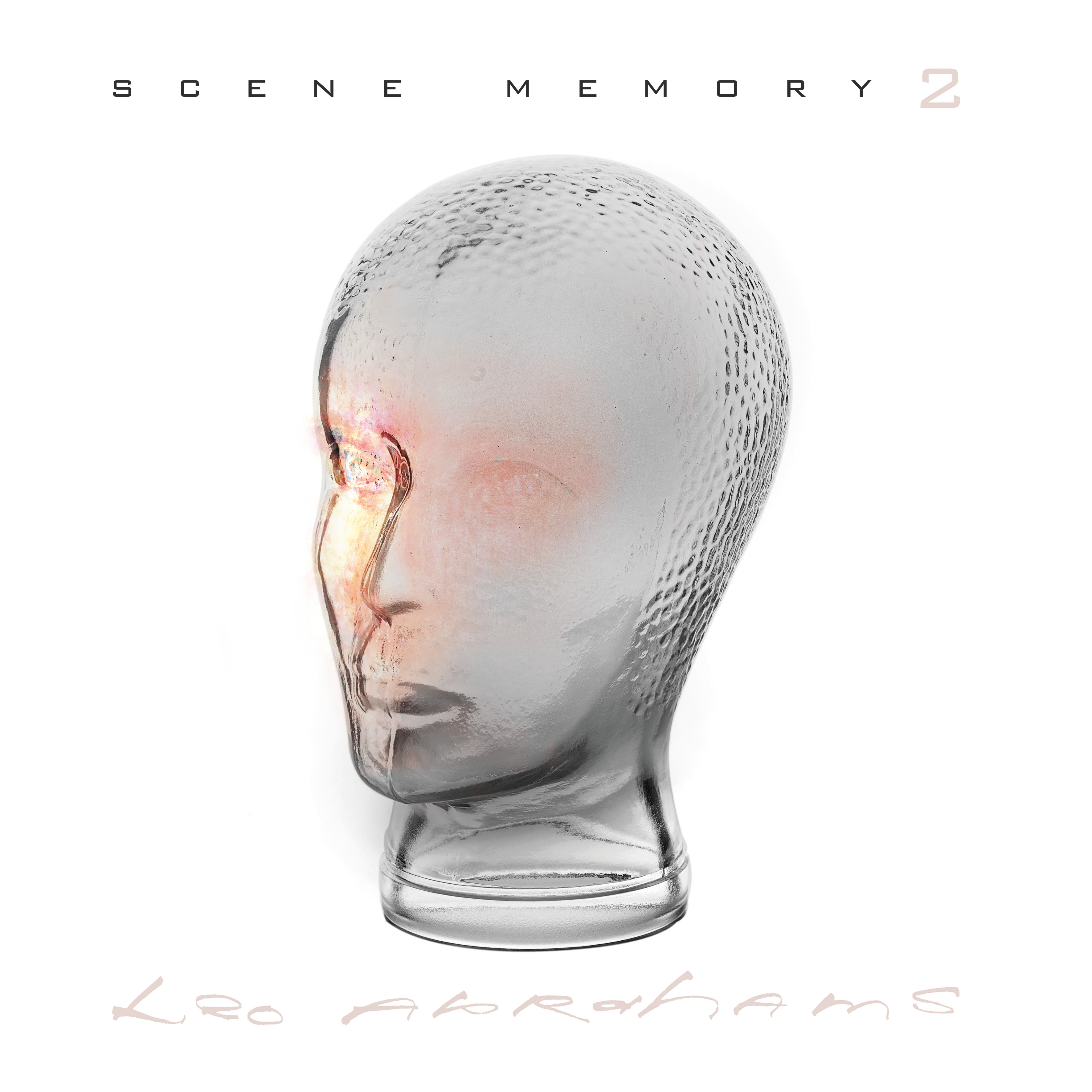
Switched On – Leo Abrahams: Scene Memory II (figureight records)

leo-abrahams

reviewed by Ben Hogwood

What’s the story?

This is a sequel album at a distance of fifteen years from the original. When Scene Memory I came out in 2006, Leo Abrahams was already proficient in a number of musical forms and styles, but since then he has broadened his horizons by working with Brian Eno, David Byrne, Jon Hopkins and Paul Simon, among many others.

Working from his London studio, Abrahams offers both collaboration and solo work, but until recently has tended to prioritise the former. Scene Memory II sees him return to the solo guitar, and all its sounds are conjured from the instrument in some way.

His approach is one largely borne of instinct and improvisation, inspired by a tour of Siberia undertaken in 2019. Many of the melodic ideas have their origin there, being honed to completion in London.

What’s the music like?

There is an intriguing balance of ambience and tension running through Abrahams’ music. The studied guitar lines that come to the forefront are often complemented by more spacious surroundings, rewarding listeners on headphones or wider screen sound systems. There is always a strong sense of direction in his workings, however, and the guitar is used to generate sounds that are by turns percussive, feather-light, melodic and noise-based.

Spiral Trem is glitchy, with bass drum sounds like stepping stones, somehow wrought from the guitar. Supplicant explores the higher range of the instrument with harmonics, which sound like chimes. Its lines recall a similar state of mind to that found in the early ECM recordings of Pat Metheny. Tithe has a calling towards the start and then flickers intermittently, the pauses between its melodic phrases bringing to mind the more intricate works of John Martyn. Alternations retreats to a distance for its reverberating, languid lines, while Ruins is suitably eerie, turning the guitar into a wordless vocal instrument and losing track of a discernible pulse. Troth, meanwhile, has a more severe language secured through its sharper timbres.

Does it all work?

It does. Abrahams’ work has presence and poise, and makes a powerful impact even in its most restrained moments.

Is it recommended?

It certainly is. Abrahams writes music that becomes more compelling the more time you spend with it. It will be interesting to see how his solo work develops as he spends more time on it over the next few years.

Stream

Buy


Switched On – Rival Consoles: Overflow (Erased Tapes)

rival-consoles-overflow

reviewed by Ben Hogwood

What’s the story?

Ryan Lee West’s new album under the pseudonym of Rival Consoles was written for a dance production, Overflow, choreographed by Alexander Whitley. The aim of Whitley’s work was to explore ‘themes of the human and emotional consequences of life surrounded by data’…echoing ‘the concept of social media, advertising, marketing companies and political factions exploiting our data to gain wealth, political advantage and sow division.’

West noted the potential of the combined artform to ‘create an otherworldly space the listener/viewer can escape to and explore’. A big feature of the finished work is a light sculpture created by Children of the Light, with a long LED bar that moves around the stage.

What’s the music like?

Rival Consoles responds to his theme with music of real presence and tension. Right from the off there is an air of foreboding to Monster, with its brooding colours and slightly irregular pitches and rhythms stretched over ten minutes.

I Like ratchets this up still further. Mashing up a short vocal sample, which is effective but also infuriating as the speaker never quite gets to the point. The Cloud Oracle also treats speech intriguingly, with a held note that has talking heads spun around it.

Flow State is a thrilling ride at a high tempo, with crossrhythms generated by the keyboards that are redolent of Steve Reich and which have plenty of opportunity for development over twelve minutes, the percussion hammering more incessantly on the door.

All these examples are an indication of the invention Ryan Lee West gets in response to Whitley’s brief, resulting in music that pushes him further technically and creatively from the previous album Articulation.

Does it all work?

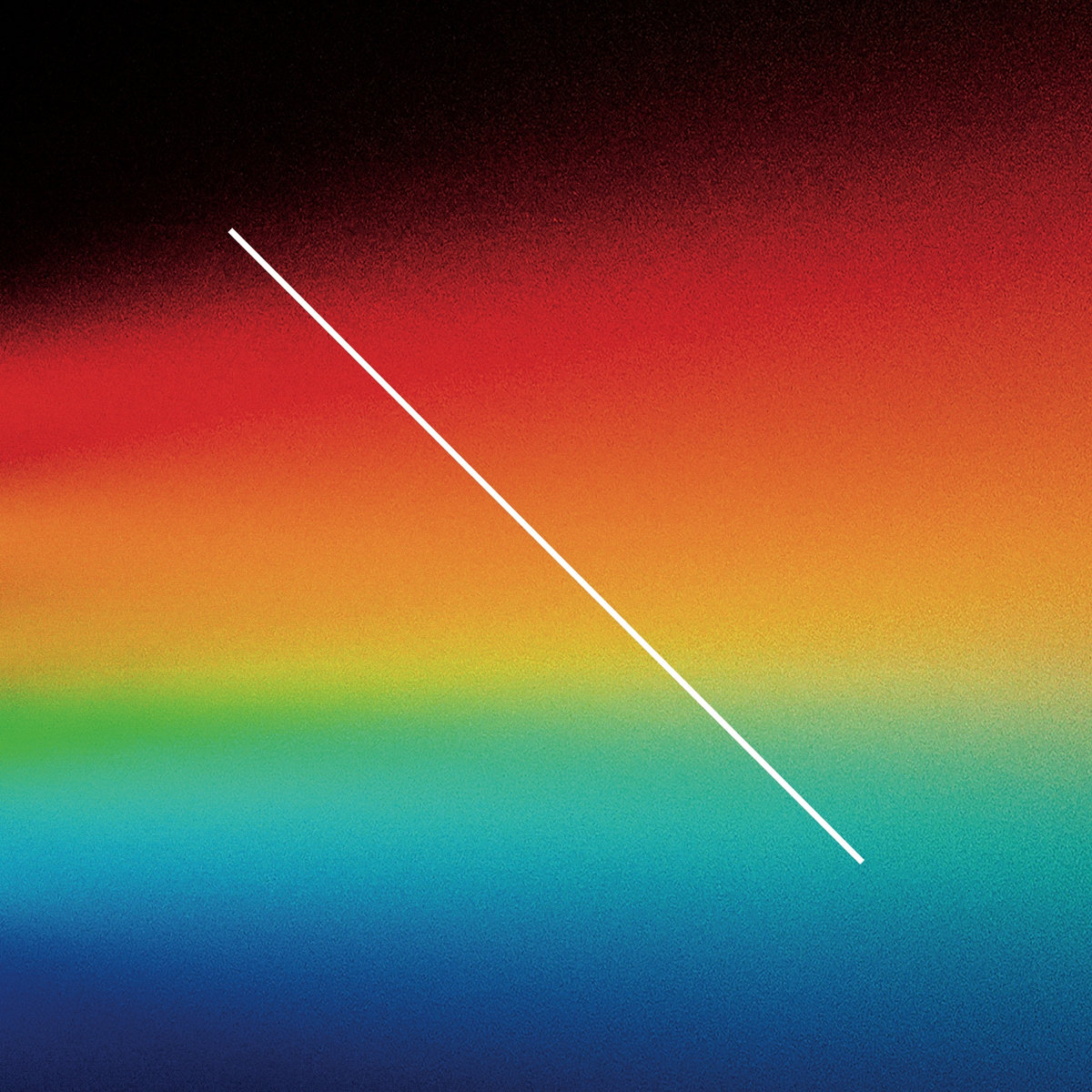
It does. Overflow is a compelling piece of work, a musical equivalent to the striking colours that adorn its cover.

Is it recommended?

Yes. There was a general feeling that Articulation did not quite meet Ryan Lee West’s full potential as Rival Consoles, effective though it was. There can be no such doubt here.

Stream

Buy