
Switched On – Bing & Ruth: Species (4AD)

reviewed by Ben Hogwood

What’s the story?

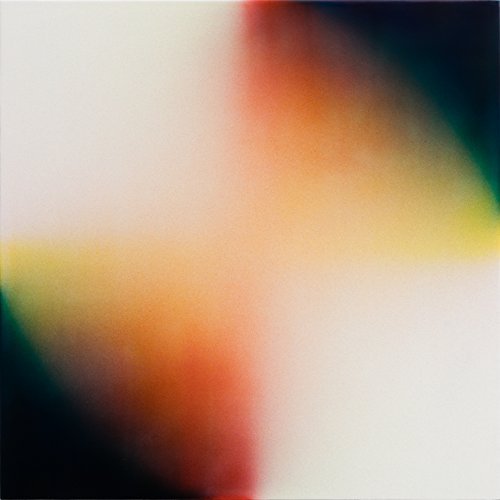
Species is the fourth album from Bing & Ruth, the New York-based project where the ever-present is David Moore. Previous album No Home Of The Mind was largely powered by flowing piano textures, but this time around the outlook is very different. As the cover art implies, the album was made in a hotter, drier climate, and this is reflected in the instrumentation. Moore wrote the music on a Farfisa organ, hooking up with friends playing clarinet (Jeremy Viner) and acoustic bass (Jeff Ratner).

What’s the music like?

This incarnation of Bing & Ruth feels more static than the previous model in terms of its harmonic and melodic movement. Yet it is every bit as compelling, and tracking the development of each track is a little like listening to the earlier Philip Glass of the Dance Pieces.

The colours are immediately appealing as Body in a Room and Badwater Psalm reveal. Time seems suspended in space as compact figures and loops oscillate on the Farfisa, spreading out over long, held pedal notes that support the framework. Moore sets out this deceptively simple material in a way that works really well, bringing out different and intriguing phasing effects from the mellow tones of the organ that prove very pleasing to the ear.

I Had No Dream emits a brighter light as Moore moves to the instrument’s upper register, but in response the short Blood Harmony gives out mellow, sonorous strokes. This prepares the listener for two tracks comprising half the album’s length. Live Forever develops a warm, reassuring loop of consonant harmony, blissfully layered and with beautiful mottled textures. The Pressure of this Water leads straight on with greater movement, its figures dancing in the mind’s eye.

Finally Nearer holds still, its relative lack of moment revealing a heart of greater substance, Moore’s simple bow strokes soft but emotionally penetrating.

Does it all work?

Yes. The longer pieces are the most effective, showing that Moore has really mastered the art of pacing a track that lasts almost a quarter of an hour while keeping it compelling to the listener. It is fascinating tracking the development of the material…but it is equally rewarding to zone out completely and allow the developments to take place in the background and set the mood.

Is it recommended?

Yes. David Moore has opened a fascinating new chapter of Bing & Ruth’s sound by switching to a different keyboard, one that wholly complements the previous piano-based work. Species is both intimate and expansive, so it will prove fascinating to witness it in a live environment – which, COVID-19 permitting, we should be able to do in the UK in December.

Stream

Buy

You can read an interview with David on Arcana in the next few days…and in the meantime enjoy the playlist he put together for us
On record: Bing & Ruth – No Home Of The Mind (4AD)

Summary

Bing & Ruth is actually an ensemble of five, headed by the New York composer David Moore. They deal in largely ambient music, communicated in this instance through an intriguing mixture of two pianos, two upright basses and electronics.

No Home of the Mind is designed to be experienced as a single session of meditation. Its tracks link closely together and move from stillness to energetic movement.

What’s the music like?

While a lot of the music is designed for meditative listening, there are pockets of intense energy in Bing & Ruth’s music. Take the start of Starwood Choker, for example, which opens the album in a striking manner. As it begins the listener effectively jumps from a waterfall, the opening notes suddenly tumbling downhill, a torrent of music driven by the rippling piano but supported by drones from the basses. Then for As Much As Possible the momentum stills, pausing for thought, but with long, held notes remaining low in the background. The basses rumble low in the mix, with soft piano notes.

Soon it becomes clear the album is conceived as a single piece of music, and it runs for nearly an hour. Some of the chord progressions Moore has written have a heart stopping beauty, so while there is no melody as such, tracks like The How Of It Sped can become greatly moving with a single change of harmonic focus.

There is mystery and darkness around the edges, particularly in the deep swell of Is Drop, where the basses begin right in the depths, the music starting to collect more energy as it sweeps upwards. The tumbling piano form appears again on Form Takes Gentle before the ebb and flow returns us to a slow tempo with swirling textures at To All It. This moves seamlessly into Flat Line / Peak Color, which reaches towards the end in powerful harmonic progressions.

Does it all work?

No Home Of The Mind is a very effective and thoroughly immersive piece of music, and works really well on headphones. From first hand experience I can tell you it is especially good at taking the heat out of potentially stressful commuting situations!

Moore varies his textures subtly but effectively, so that the tumbling piano motif becomes a real thrill when it appears, while the response of relative calm is rather beautiful and almost timeless. The colours of the ensemble are beautifully rendered, the fuzzy textures enhancing the listener’s dream like state. The reds, greens and yellows of the cover are an accurate reflection of how Bing & Ruth cast a spell on their listeners.

Is it recommended?

Yes. Bing & Ruth make music that is almost completely weightless at times, but which becomes earthbound with the deep, resonant double basses. A real beauty on headphones to take the weight off your troubles!

Ben Hogwood

Listen on Spotify