
by Ben Hogwood
What tune does it use?
A choral piece by Johann Sebastian Bach, called Jesu Bleibet Meine Freude (Jesu, Joy of Man’s Desiring). It is the tenth movement of his cantata Herz und Mund und Tat und Leben (Heart and mouth and deed and life), written early in Bach’s time in Leipzig, thought to have been in 1723. The melody, however, is understood to have been written by Johann Schop, with Bach providing the harmonisation.
The song itself was written by Beach Boys co-founder Al Jardine, paying tribute to his wife Lynda – with a co-credit also given to keyboard player Ron Altbach. Jardine sings the main vocals, with a large ensemble of session musicians given credit at the song’s Wikipedia page.
How does it work?
The song begins with a note-for-note reproduction of the Bach / Schop melody, with the harpsichord adding a metallic brightness to the thick string sound. Then Jardine starts to play around with the speed of Bach’s work, making the transition to the full-blown Beach Boys sound reasonably seamless, with the addition of some woozy syncopations.
The song has the Beach Boys’ characteristically sunny sound, but there is a certain flatness to its delivery, perhaps belying the band’s fraught relationship at the time and even foretelling the fate of Al and Lynda’s marriage.
That said, it is a bright and relatively positive song, its dappled textures and syncopations presenting Bach’s work in a new and imaginative light.
What else is new?
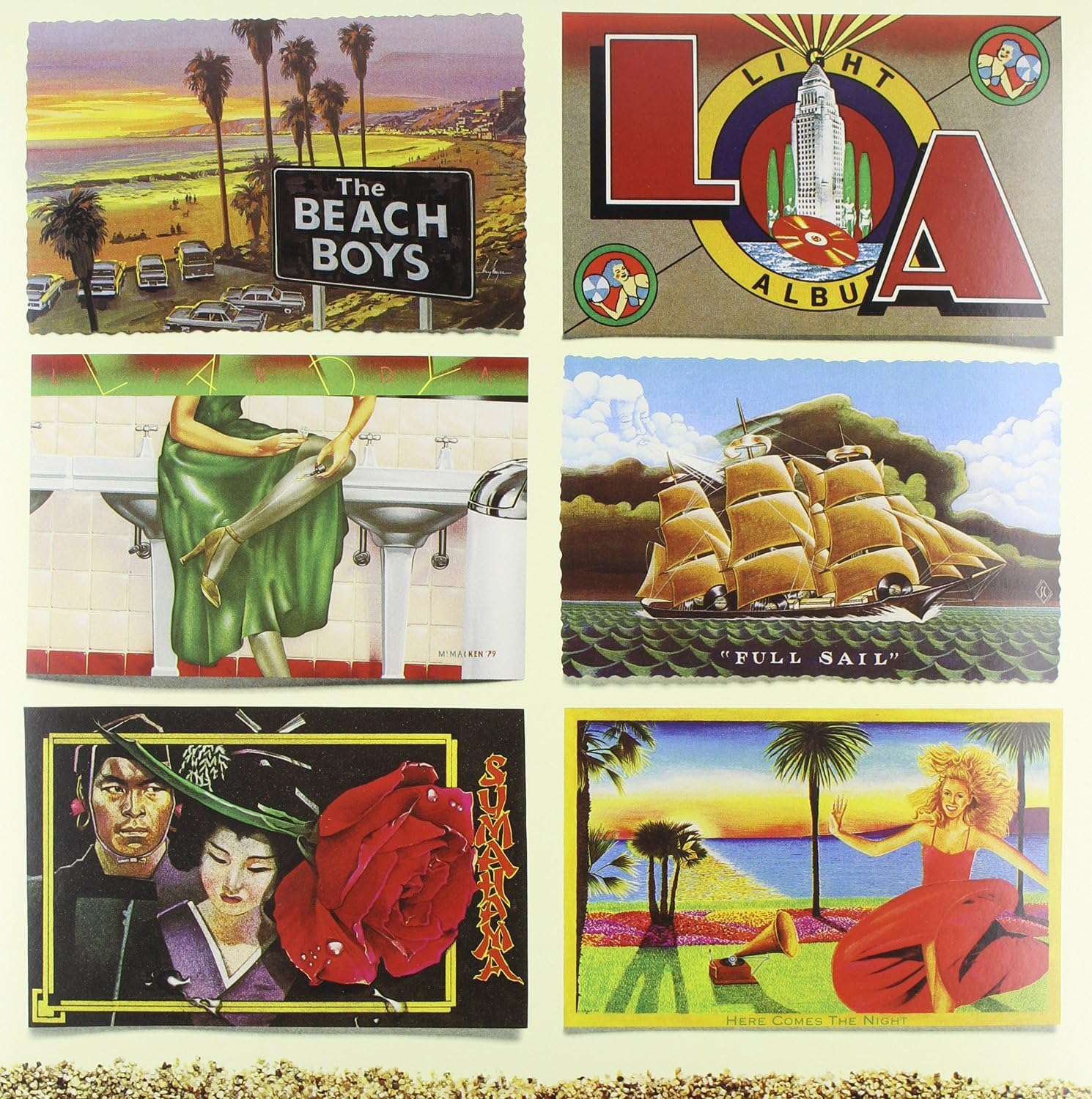
Lady Lynda was the third single from the Beach Boys’ relatively unsuccessful album L.A. (Light Album), released in the spring of 1979. In a streamlined radio edit, with the introduction removed, it reached no.6 in the UK singles chart.
It was however recast when Jardine and his wife divorced, pointing towards a different Lady (the Statue of Liberty) and becoming Lady Liberty instead.
Published post no.2,406 – Thursday 9 January 2025
 Arcana.fm