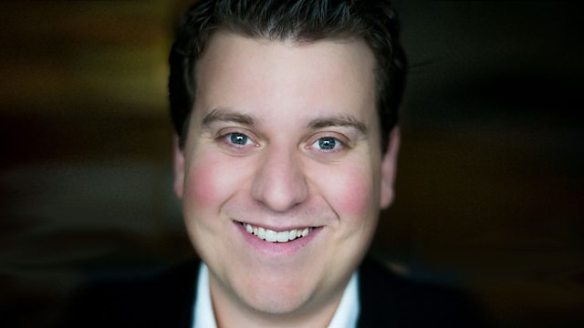
In concert – Clare Hammond, CBSO / Michael Seal: Nielsen, Grieg & Sibelius

clare-hammond-grieg

Nielsen Helios Overture FS32 (1903)
Grieg
Piano Concerto in A minor Op. 16 (1868)
Sibelius
Symphony No. 1 in E minor Op. 39 (1898-9)

Clare Hammond (piano, above), City of Birmingham Symphony Orchestra / Michael Seal

Symphony Hall, Birmingham
Wednesday 9 March 2022 (2.15pm)

Written by Richard Whitehouse

A Scandinavian programme this afternoon from the City of Birmingham Symphony Orchestra, featuring music by the three most famous of this region’s composers (so no representation for Sweden), and presided over with his customary authority by CBSO’s associate conductor Michael Seal.

Unusual nowadays to have a programme consisting of overture, concerto and symphony – but Nielsen’s Helios is as fine a curtain-raiser as any, its ‘sunrise to sunset’ scenario captured with one of the most graphic crescendos and diminuendos in the literature. Seal ensured this gradual emergence, and its faster evanescence, were unerringly paced – the horns’ echoing sonorities enfolded into the orchestral texture; and if the intervening intermezzo and fugato rather tread water by comparison, their role within the formal scheme made for a cohesive overall entity.

Whether or not Grieg tired of hearing or at least playing his Piano Concerto, he would surely have appreciated Clare Hammond’s take on its solo part. The inedible opening gesture might have been less than usually arresting, but the opening movement proceeded methodically and often poetically so its structural seams were barely in evidence – culminating in a resourceful account of the cadenza with the composer’s motivic ingenuity much in evidence. Easy to pass off as a bland interlude, the Adagio had an appealing poise that opened into keen pathos at its height. Trenchant rather than impetuous, the outer sections of the finale were rarely less than engaging but it was the warm soulfulness at the centre that really struck home; its return for a triumphal apotheosis did not quite avoid portentousness, but it ensured a decisive conclusion.

A distinctive and, for the most part, convincing performance which Hammond followed with the caressing harmony of the eleventh from Szymanowski’s Op. 33 Etudes – music in marked contrast to the existential drama of Sibelius’s First Symphony which came after the interval.

The latter work’s emergence against a background of fraught self-determination has inevitably taken on far greater resonance during recent weeks, and it was to Seal’s credit that he played down any tendency to overt sentiment – rendering the first movement, its sombre introduction limpidly realized by Oliver Janes, as the striking and frequently innovative study in expressive contrasts it should be. Nor was there any lack of Tchaikovskian pathos in the Andante, whose whimsical passages were as vividly delineated as those eruptive outbursts towards its climax.

The ensuing Scherzo had the right rhythmic tensility and, in its central trio, enticing whimsy – but it was the Finale as set the seal on this performance. The ‘Quasi una fantasia’ marking can result in emotional overkill but Seal kept its prolix follow-through in focus at all times – whether with the anguished recall of the work’s initial theme, surging impetus of its swifter sections, or the heart-on-sleeve immediacy of its ‘big tune’; pervaded by an ambivalence to the fore in a peroration which (almost) avoided histrionics on the way to its fatalistic close.

A fine response from the CBSO, playing here with burnished eloquence and Matthew Hardy making the most of a timpani part that has structural as well as expressive significance. Few having heard it are likely to underestimate this work’s status in Sibelius’s symphonic output.

For more information on the CBSO’s current season, visit their website. Meanwhile for more information on the artists, click on the names to access the websites of Clare Hammond and Michael Seal

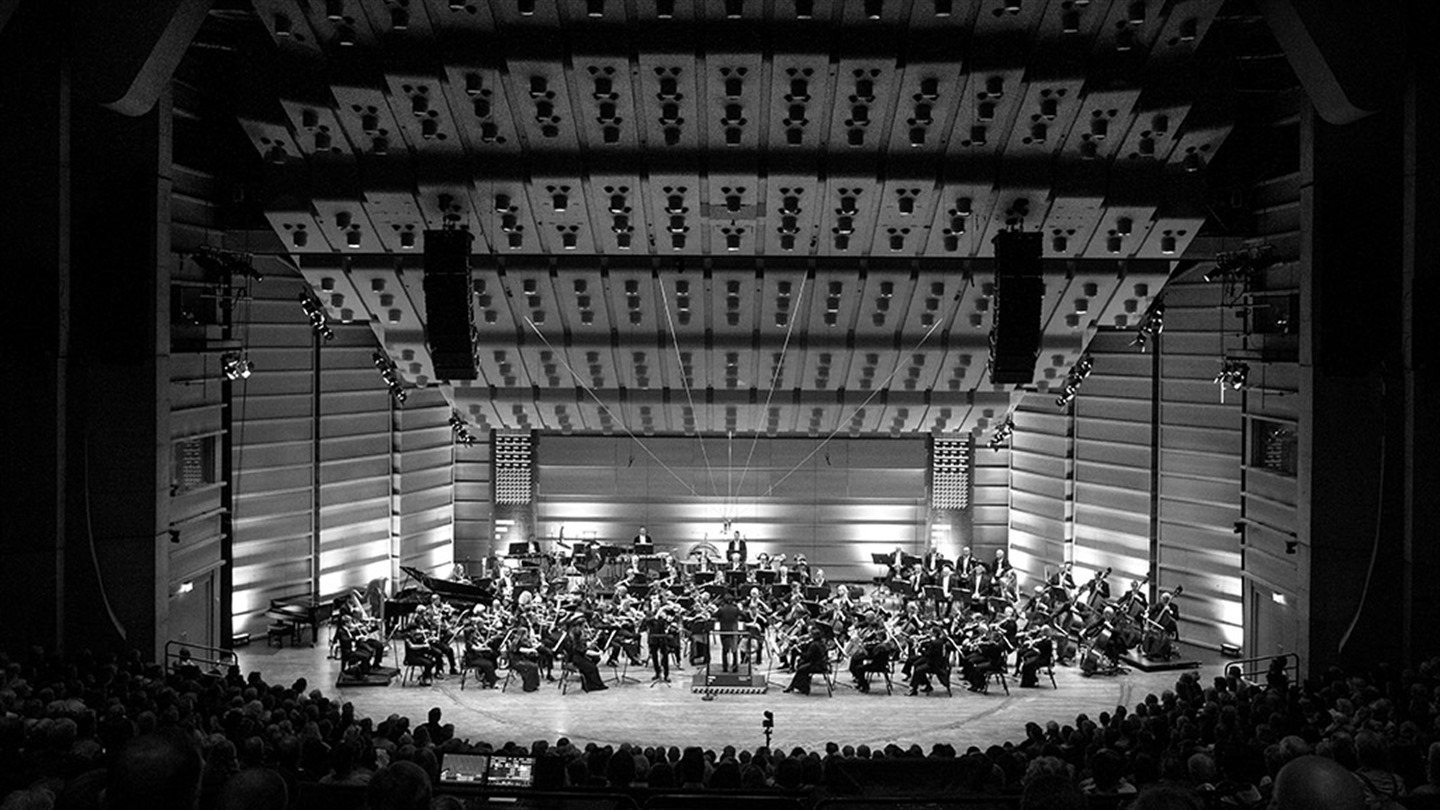
Playlist: Orpheus Chamber Orchestra at 50

by Ben Hogwood

Last week Arcana published an interview with Orpheus Chamber Orchestra violist Dov Scheindlin, in recognition of his time with the orchestra and their significant birthday. 50 years is a long time for a chamber orchestra, let alone a conductor-less one! Joining the celebrations, Deutsche Grammophon have released a 55-CD box set of all the orchestra’s recordings for the label.

Arcana have drawn on personal experience to select a playlist of recordings from the orchestra too, mostly from the DG archive. They range from a perky Haydn symphony to sparky Stravinsky pieces, from the wonderful open-air freshness of Grieg‘s Holberg Suite to the instinctive genius of Brad Mehldau‘s recently-released variations.

If I had to pick a favourite it would be a quite wonderful disc of Respighi orchestral works, crowned by an account of Trittico Botticelliano, a set of three orchestral responses to Botticelli pictures that is both colourful and intensely moving. Listen to the third picture, The Birth of Venus, and you will see what I mean:

Online recommendations – Bergen International Festival 2020

How long is it since you last experienced live music?

For the vast majority of us it will be two months and counting now…the last for Arcana having been on Monday 16 March at the Wigmore Hall.

Thankfully in that time a huge number of artists, organisations and orchestras have stepped into the breach, either with archive concert footage or with online concerts and recitals. One of the biggest contributions to date, however, comes from the Bergen International Festival, which is streaming over 50 events online for free.

These are genuine live events, given without an audience and streamed across the world from the festival’s website – and there is some quality music making coming up.

The evening of Saturday 23 May will see Leif Ove Andsnes and friends giving an all-Schumann concert at 20:00 (19:00 GMT), capped by the wonderfully invigorating Piano Quintet, while Sunday 24 May (21:15, 20:15 GMT) brings the traditional festival performance of Grieg‘s evergreen Piano Concerto. The soloist will be Víkingur Ólafsson, with the Bergen Philharmonic Orchestra under chief conductor Edward Gardner. Intriguingly, the Grieg will be prefaced by Vasks‘ The Fruit Of Silence, with the Edvard Grieg Kor.

Meanwhile Monday 25 May brings an intriguing concert from ​Leif Ove Andsnes (piano), Sonoko Miriam Welde (violin), Ludvig Gudim (violin), Eivind Ringstad (viola) and Amalie Stalheim (cello). The quintet will perform works by Schubert, Mozart and Jörg Widmann – the composer’s Idyll and Abyss and String Quartet no.3. Nicknamed the Hunt, it will follow Mozart’s quartet of the same name.

These three concerts alone give an idea of the breadth of repertoire and quality we can expect from the festival. Head here to experience it for yourself!

Wigmore Mondays – Alessandro Fisher & Roger Vignoles: Nordic Tales

Alessandro Fischer (tenor, above), Roger Vignoles (piano, below)

Wigmore Hall, Monday 16 March 2020 (lunchtime)

You can listen to this concert on the BBC Sounds app here (opens in a new window)

Review and guide by Ben Hogwood

With the Coronavirus pandemic now sadly in full swing, this was the last concert at the Wigmore Hall for some time, the venue now on an enforced break until mid-April at the earliest. It served as a reminder of just how lucky we are to be able to experience live music, and how good it is to have concerts such as this preserved on the radio.

This particular concert was a fascinating program of Nordic tales through the eyes of four composers of different nationality. BBC New Generation Artist Alessandro Fisher and the superb, ever-attentive Roger Vignoles cleverly constructed a program focusing on Scandinavia. Yet we saw it not just through the eyes of one of its favourite musical sons (Grieg) but through three others with strong connections – Robert Schumann (Germany), Frederick Delius (England) and Gunnar de Frumerie (Sweden).

Schumann’s 5 Lieder date from 1840, his famed year of song, and came about from his admiration of Hans Christian Andersen’s ability to blend the childlike and the grotesque in his stories. Each of the five songs behaves in a similar way musically. Märzveilchen (The March Violets) (2:32), are aptly timed here, with an appropriately breezy and outdoor air, Fisher’s clear voice adding to the sunny countenance. In Muttertraum (A mother’s dream) (4:10) a shadow falls over the music, drawing longer as the tenor describes the ominous appearance of a raven, all to the accompaniment of a beautifully shaped single line from Vignoles (below).

For Der Soldat (The soldier) (6:56) the muffled drum is vividly described by Schumann – and Vignoles – and Fisher’s voice takes on a declamatory form but reaches stunned silence at the end, when he realises he has killed his man. In Der Spielmann (The fiddler) (9:55), Fisher’s ringing voice tells of celebration but also an untimely death, before the final Verratene Liebe (Betrayed Love) (13:14) This brief song stays in genial mood despite its subject matter.

You can learn a lot about a composer’s output from their songs, and in the case of Grieg his songs reveal the work of a skilled tunesmith and an effortless ability to set a scene in next to no time. The songs here tell of those skills, and Fisher clearly loved performing them. He begins with two early works, the affectionate To brune Øjne (Two brown eyes) (15:50) and yearning Jeg elsker dig (I love you) (16:55).

Grieg’s depiction of En svane (The swan) is held in magical suspension by both Fisher and Vignoles (19:51), its serene progress leading to the flowing song Med en vandlilje (With a waterlily) (22:26). Prinsessen (24:55) has particularly special pleading from Fisher here, the prince’s entreaties to his beloved falling on deaf ears, while Fra Monte Pincio (28:02) has an urgent delivery, thinking of good times ahead.

To Delius, who visited Norway for a number of epic walks across the country, and whose relationship with the country remained close. He was good friends with Grieg, too, so it is perhaps inevitable they should both share common ground as excellent songwriters. The selection here begins with Twilight Fancies (34:40), Roger Vignoles shading the picture with distant horn fanfares and Fisher judging his vibrato ideally. The song sets a translation of the text used by Grieg in Prinsessen, and the different responses of the composers are fascinating in comparison.

Young Venevil (38:32) strains at the leash, impetuous but ultimately unlucky in love. The Nightingale (40:35) is airy and atmospheric, its chromatic movement nicely managed, while Longing (43:24) brings with it a surge of feeling through the flowing piano and Fisher’s ringing tone.

The music of Gunnar de Frumerie is seldom heard, but he is highly regarded among 20th century Swedish composers. The Songs of the Heart cycle features deeply intimate music, its subject matter woven into natural allegory. The six songs begin with the contemplative, almost rapturous When You Close My Eyes (47:58), then the pure You Make Everything Beautiful (50:10), which feels whiter than white. Blessed It Is To Wait (52:36) carries a feeling of impatience despite its title, before the profound From The Depths Of My Soul (54:16). You Are My Aphrodite (57:05) surges forward with great passion and intensity, Fisher’s effectively surfing the turbulent waves of the accompaniment. Finally Like A Wave (58:24) carries a Debussy-like humidity, sultry and ardent.

Repertoire

This concert contained the following music (with timings on the BBC Sounds broadcast in brackets):

Schumann 5 Lieder Op.40 (1840)
Grieg To brune Øjne Op.5/1, Jeg elsker dig Op.5/3 (1864), En svane Op.25/2, Med en vandlilje Op.25/4 (1876), Prinsessen (1871), Fra Monte Pincio Op.39/1 (1869-84)
Delius From Seven Songs from the Norwegian (1889-90): Twilight Fancies (34:40); Young Venevil (38:32); From Five Songs from the Norwegian (1888): The Nightingale (40:35); Longing (43:24)
de Frumerie Hjärtats sånger (Songs of the Heart) Op.27 (1942, rev. 1976) (47:58)

As an encore, once the Radio 3 microphones had departed, Fisher and Vignoles gave a brilliantly rendered account of Ian Venables’ Flying Crooked, a comical but rather accurate portrayal of the flight of a butterfly, in this case a Cabbage White.

Further listening & viewing

Alessandro Fisher has not yet recorded the music given in this concert, but each song is included on the playlist below, in leading versions that include Anne Sofie von Otter’s account of Songs of the Heart:

Grieg’s songs are particularly worthy of further exploration, and these recordings from soprano Claire Booth and pianist Christopher Glynn are a great introduction to his craft:

von Otter meanwhile has recorded a disc of Swedish songs which include the works by Gunnar de Frumerie:

Finally Delius and his Norwegian connection, brilliantly explored in this vocal and orchestral collection from Danacord:

Wigmore Mondays – Louise Alder & Joseph Middleton: Lines written during a sleepless night

Louise Alder (soprano), Joseph Middleton (piano)

Wigmore Hall, Monday 6 January 2020 (lunchtime)

You can listen to this concert on the BBC Sounds app here (opens in a new window)

Review and guide by Ben Hogwood

This was a concert with an especially personal link for soprano Louise Alder. The Russian Connection – subtitle of her first album for Chandos – goes much further than the repertoire chosen. It reflects Alder’s Russian ancestry, with generations of her family, up to and including her grandfather in 1914, born in the country.

In addition to that, Alder and regular recital partner Joseph Middleton have created a captivating program linking Grieg, Medtner, Tchaikovksy, Britten, Rachmaninov and Sibelius through their choice of poets and their use of a language outside of their own. Six composers, four languages (at last count!) and some richly descriptive writing all made for a particularly memorable concert, especially when performed with the passion and musicality on show here.

Alder and Middleton judged their program to perfection, bringing in the new year with a spring in its step as Grieg’s Heine setting Gruß (Greeting) tripped into view (2:33 on the broadcast link). This is the first song in a compact but deeply descriptive cycle of six from the composer, setting German poetry with his typical melodic freshness and flair. Alder shows lovely control on the final ‘Gruß’ word, before applying a slight husk to the deeply felt Dereinst, Gedanke mein (One day, my thoughts) (3:40), which made a striking impact here. Lauf der Welt (The Way of the World) (6:23) has heady urgency, singer and pianist working as one, while the evocative Die verschwiegene Nachtigall (The secretive nightingale) (8:01) is a sultry, sensual setting in these hands, the initial picture beautifully painted by Middleton. Zur Rosenzeit (Time of roses) (11:40) is filled with intense longing, while Alder’s tone in Ein traum (A dream) (14:55) is particularly beautiful, working through to a powerful finish.

Nikolai Medtner is a Russian composer known for his piano music rather than his songs, so it was gratifying to have Alder and Middleton (above) include two here. They are fine pieces of work, too, with an impressively fulsome piano part that Middleton tackled with deceptive ease and clarity. Mailied (May song) (18:15) holds an intense vocal line over its catchy piano part, while Meeresstille (Calm sea) (20:10) is really well controlled by Alder here.

Tchaikovsky’s numerous songs contain many treasures, and the two French language examples here were no exception. The Sérénade (23:22) dances in the bright light of dawn, with a slightly furtive piano, while Les Larmes (The tears) (25:02) provides much darker soul searching.

Britten’s Russian-language song cycle The Poet’s Echo is a relative rarity in the concert hall, but as Alder and Middleton showed here it contains music of typically fearsome and compressed intensity. The spirit of Musorgsky is evident not just in the choice of poet (Pushkin) but in the bare piano lines, rumbling in the deep for the first song Echo (29:22). Alder’s line is fearlessly delivered, with songs like My heart… (32:17) and Angel (33:48), with its quasi-orchestral piano part, making a powerful impression. The nightingale and the rose (36:20) take powerful flight, the piano gnawing at the heel of the vocal line, while the strange Epigram (40:13) has a striking reverberation achieved through the open piano lid. The final song, Lines written during a sleepless night (41:07) captures the supreme irritation of insomnia through the ‘monotonous tick of the clocks’, with a chilling piano postlude. This work remains a difficult nut to crack, listening-wise, but this is the sort of performance to do it.

We then heard two songs by Rachmaninov, both again setting Pushkin texts. Sing not to me, beautiful maiden (46:44), an early song from the composer’s late teens, receives a fulsome account here with Alder capturing the devastating beauty of the song. The later How fair this spot (51:56), taking the mood from darkness to relative light, is even better, Alder’s top ‘B’ a note of extraordinary clarity.

The generously packed concert concluded with three Sibelius songs, sung in Swedish. Once again these songs are found to be fiercely intense, often expressed through the bare minimum of means. The tempestuous Säv, säv, susa (Sigh, rushes, sigh) (54:02) is heady stuff, while the dynamic range achieved by both performers in Våren flyktar hastigt (Spring is swiftly flying) (56:27) is hugely impressive. Finally Flickan kom ifrån sin älsklings mote (The girl came from her lover’s tryst) (57:49) has a huge, orchestral scope, a reminder that the Second Symphony is not far away in the composer’s output. The song chills to the bone when turning tragically into the minor key for its third verse and the lover’s treason.

This was a simply outstanding concert from Alder and Middleton, deeply intimate yet including the audience in all of their asides. These qualities extended to the wonderful encore, Rachmaninov’s A Dream, where the rippling piano part and exotic harmonies supported Alder’s heavenly soprano line.

If more of the Wigmore Hall Monday lunchtime concerts are as good as this in 2020, we are in for many treats indeed! It only remains for you to listen on BBC Sounds if you haven’t already…and to keep up with the series as it progresses.

Repertoire

This concert contained the following music (with timings on the BBC Sounds broadcast in brackets):

Grieg 6 Songs Op.48 (1884-8) (2:33)
Medtner Mailied Op.6/2 (1901-5) (18:15), Meeresstille Op.15/7 (1905-7) (20:10)
Tchaikovsky Sérénade Op.69/1 (1888) (23:22), Les Larmes Op.69/5 (1888) (25:02)
Britten The Poet’s Echo Op.76 (1965) (29:22)
Rachmaninov Sing not to me, beautiful maiden Op.4/4 (publ.1893) (46:44), How fair this spot Op.21/7 (1902) (51:56)
Sibelius Säv, säv, susa Op.36/4 (1900) (54:02), Våren flyktar hastigt Op.13/4 (1891) (56:27), Flickan kom ifrån sin älsklings möte Op.37/5 (1901) (57:49)
Encore – Rachmaninov A Dream Op.38/5 (not on the broadcast)

Further listening

Most of the music from this concert is part of Louise Alder and Joseph Middleton’s new disc for Chandos, Lines Written During A Sleepless Night: The Russian Connection, with the exception of the two Rachmaninov songs. The full playlist is here:

If you enjoyed Alder and Middleton in this concert – which I’m sure you did! – their previous outing together is a sumptuous collection of songs by Richard Strauss for Orchid Classics which is bound to appeal, and certainly plays to their strengths:

Meanwhile to enjoy the Rachmaninov song output in its entirety there are few better historical guides than soprano Elisabeth Söderström and pianist Vladimir Ashkenazy: