
From the official press release:
There have been many significant first performances at the English Music Festival’s opening concert over the years and this year sees the BBC Concert Orchestra give the much-anticipated World Première of the Symphony no.2 by Stanley Bate (1911-1959); another outstanding student from the Royal College of Music, whose teachers included Ralph Vaughan Williams, R.O. Morris, Gordon Jacob, and Arthur Benjamin.
Stanley Bate’s prolific but vastly neglected output is overdue for re-evaluation and his works although being gradually recorded have yet to find a place in the concert hall. Symphony no.2 op.20 was completed in the spring of 1939, but the work appears to have been withdrawn by the composer without ever having achieved a performance.
Bate’s wife and fellow-composer, Peggy Glanville-Hicks, claimed her husband wrote a dozen or more symphonies and thirty or so piano sonatas. Often writing ‘en voyage’, Bate’s idiom can be dramatic and turbulent contrasting with interludes of exuberance, beauty and lyricism.
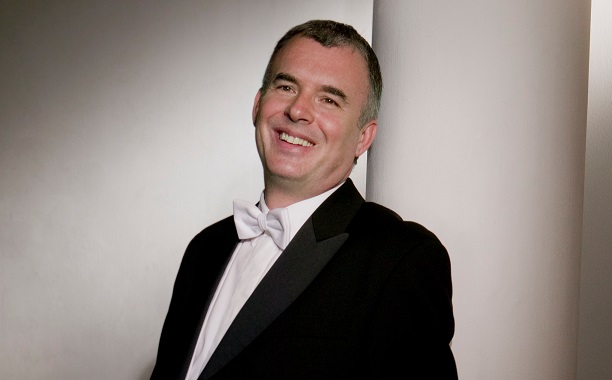
Anyone who knows Martin Yates’ recordings for Dutton will be familiar with the composer’s work. “Stanley Bate’s Symphony no.2 is, I think, going to be a revelation”, says Martin Yates. “He clearly was influenced by other composers working at the time, but he really did achieve something remarkable and individual with some of his works including this symphony. From the opening it explodes with tension. It is going to be incredible to hear it for the first time as it bursts into the world!”
Dedicated “To Mstislav Rostropovich with admiration and gratitude”, Arthur Bliss’ Cello Concerto is scored for small orchestra with the addition of harp and celesta. Heroic in character with ‘Quixotic’ flourishes and a soulful slow movement; according to Bliss, “There are no problems for the listener – only for the soloist!”
“The Arthur Bliss Cello Concerto is the most wonderfully crafted work, and I can’t understand its neglect”, says Martin Yates. “I know there is a lot of music that one could say that about, but Bliss really was a consummate musician and this concerto, written very late in his life, has a real lightness, yet depth that is utterly captivating and profound. It has a devastatingly difficult solo part with beautifully balanced orchestrations for a Mozart sized orchestras with the addition of a Celeste.”
The two works are performed alongside Ralph Vaughan Williams’ ‘trombone piece’, his Heroic Elegy and Triumphal Epilogue; a student work dating from 1901, which drew praise from his teacher Stanford who, according to the composer’s wife Adeline, chose the title for the piece. It remained unheard until a revival by the recording label, Dutton. Works by Delius and Alwyn complete the programme.
FURTHER INFORMATION AND HOW TO BOOK
Tickets are on sale from the website and by means of a postal booking form. Tickets for individual concerts will also be available at the door, subject to availability. Full Festival and Day Passes are also available. Programme and booking information is available on the EMF website
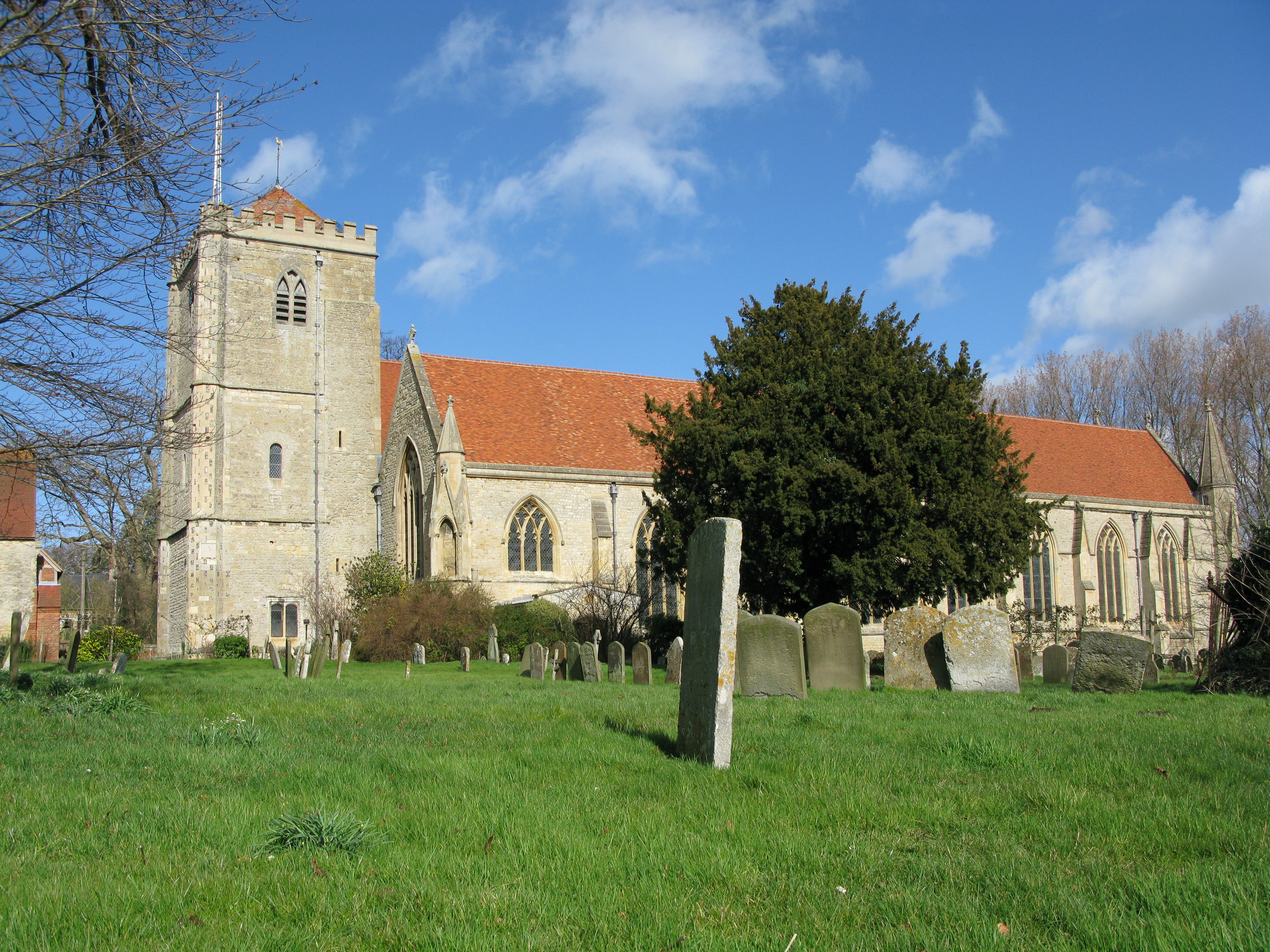
Dorchester Abbey (above) is the venue for the duration of the long weekend with talks taking place in the Village Hall as well as a Festival Lunch (pre-booking required). A dedicated mini-bus shuttle operates to/from Didcot Parkway rail station – bookings should be made via the website on publication of the timetable.
FRIDAY 23 MAY 2025
19:30 Dorchester Abbey, Oxfordshire
ENGLISH MUSIC FESTIVAL OPENING CONCERT
William Alwyn: The Innumerable Dance: An English Overture
Frederick Delius: The Walk to the Paradise Garden
Sir Arthur Bliss: Cello Concerto
Ralph Vaughan Williams: Heroic Elegy and Triumphal Epilogue
Stanley Bate: Symphony no.2 (World Premiere)
BBC Concert Orchestra
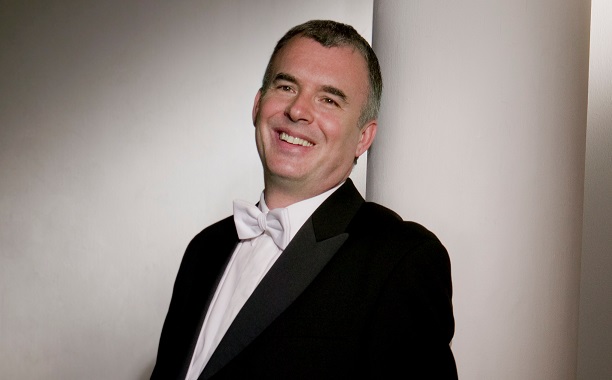
Martin Yates (conductor)
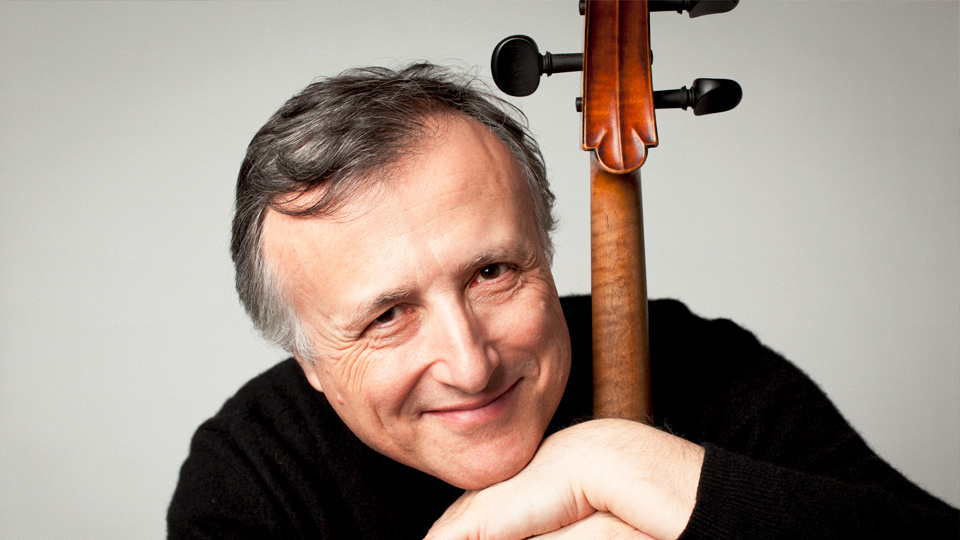
Raphael Wallfisch (cello)
Published post no.2,524 – Tuesday 6 May 2025


 Arcana.fm