In concert – Noriko Ogawa, English Symphony Orchestra / Kenneth Woods – Brahms, Grieg & Sibelius

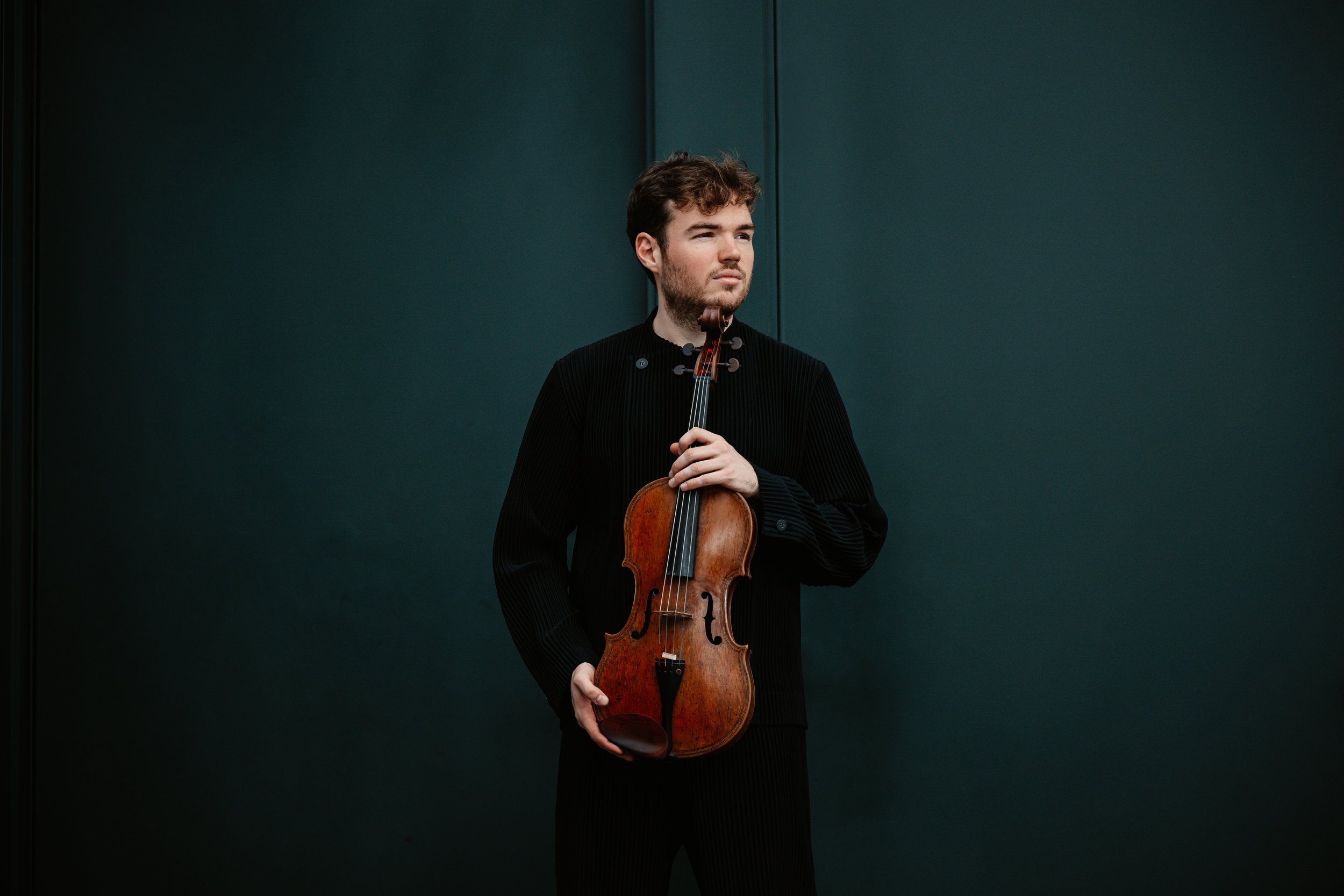
Noriko Ogawa (piano), English String Orchestra / Kenneth Woods

Brahms Tragic Overture, Op. 81 (1880)
Grieg Piano Concerto in A minor, Op. 16 (1868)
Sibelius Symphony No. 5 in E flat, Op. 82 (1915-19)

Town Hall, Cheltenham
Sunday 16 April 2023

Reviewed by Richard Whitehouse

The English Symphony Orchestra’s latest concert had no English (or British) connection and no premieres or unfamiliar music. In short, a mainstream sequence of overture, concerto and symphony which worked as a programme simply because these pieces went so well together.

Although it has never lacked for performances, Brahms’s Tragic Overture remains among his more unusual conceptions: a concert overture whose deftly modified sonata design admits an element of evocation as if some intangible drama were being played out. It was to the credit of this performance when such subjection offset an otherwise unwavering formal trajectory, Kenneth Woods integrating the speculative central episode with a conviction that made the heightened reprise of the main theme the more telling for its implacably wrought fatalism.

Brahms’s writing of an overture with components as if ‘in the wrong order’ made an unlikely link to the Piano Concerto by Grieg, which still offers a wealth of surprises in a sympathetic reading. This it received from Noriko Ogawa – bringing out the unforced eloquence of what, the opening Allegro in particular, is much more than a loose sequence of enticing melodies in search of coherence. As her imaginative take on its cadenza underlined, Grieg left nothing to chance as the movement turns decisively full circle. With its easeful horn melody (courtesy of James Topp) and alluring solo response, the Adagio exuded an understated allure, and if the finale lacked for any rhythmic verve, the central section with its rapt flute melody (courtesy of Laura Jellicoe) sounded as affecting as its heightened peroration at the close was majestic.

The ESO and Woods are currently working towards a Sibelius cycle and their account of the Fifth Symphony had all the hallmarks of complete identity with, here again, a determination not to take to take anything in so familiar a work for granted. This was especially notable in the opening movement – its segueing between what began as two separate entities rendered with due seamlessness. Not least that central climax, out of which the scherzo emerged then proceeded to accrue motion imperceptibly through to a coda whose velocity was irresistibly evident. Much more than a whimsical interlude, the Andante had keen appreciation of those ambiguous shadows which inform its progress at crucial junctures, yet without undermining that guileless essence to the fore in the closing pages with their felicitous woodwind playing.

Making an attacca (and rightly so) directly into the finale, Woods brought out the productive contrast between its ideas – thus, the initial theme with its onrushing strings, then the ‘swan melody’ with its harmonic allure and intricate textural layering abetted here by the up-front acoustic of Cheltenham Town Hall. Just how so tensile and compact a movement generates an apotheosis of such grandeur cannot easily be explained, yet such an outcome was tangible as those concluding chords emerged with an inevitability as undeniable as it was heartening.

They certainly set the seal on an impressive performance which was warmly received by the sizable house. The ESO can be heard in Worcester early next month with assistant conductor Michael Karcher-Young, then with Woods in June for the latest edition of The Elgar Festival.

For more information on the artists in this concert, click on the links to read about Noriko Ogawa Kenneth Woods and the English Symphony Orchestra.

In concert – Behzod Abduraimov, CBSO / François Leleux – Rachmaninoff: Piano Concerto no.2; Brahms: Serenade no.1 & Academic Festival Overture

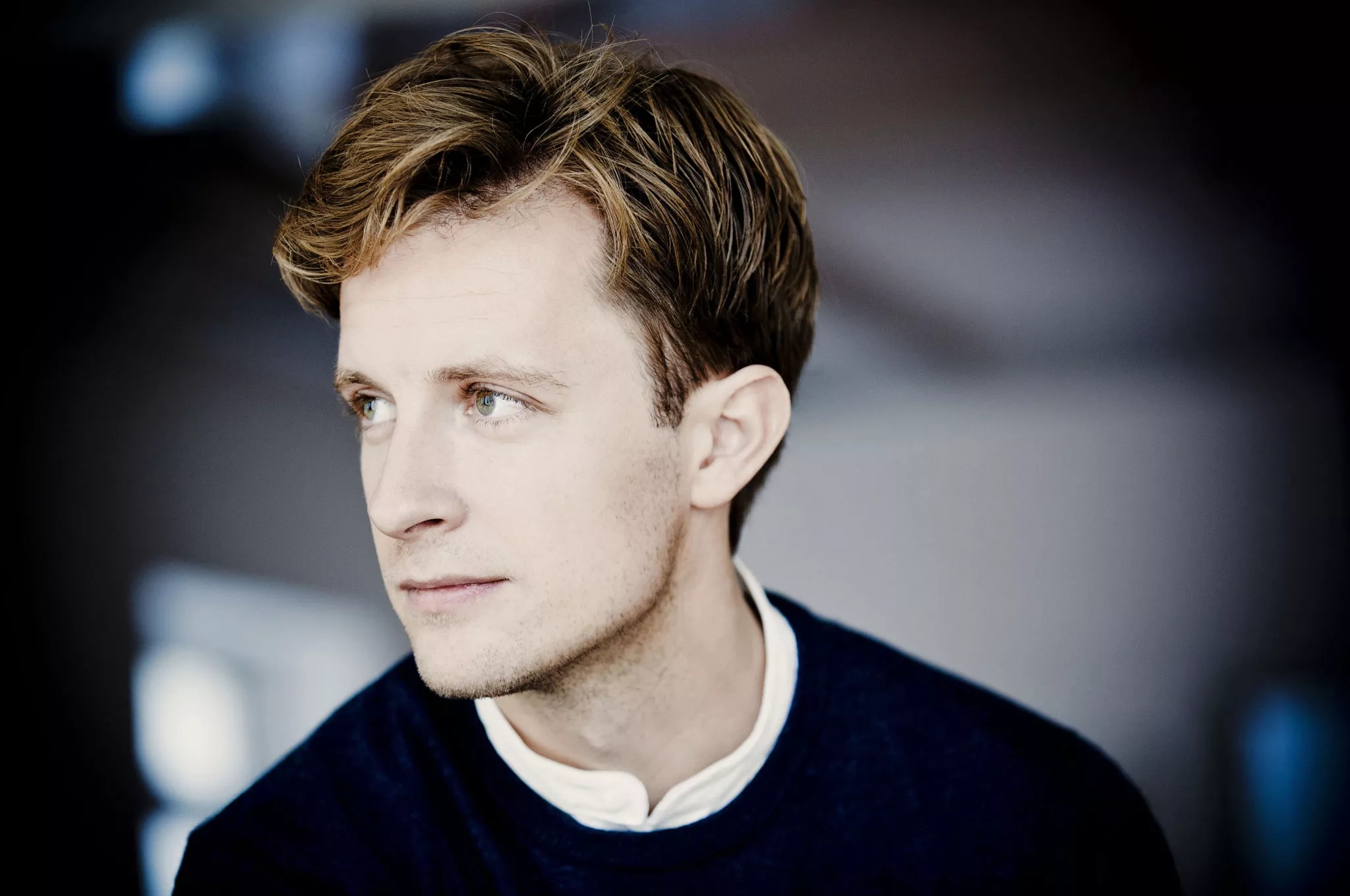
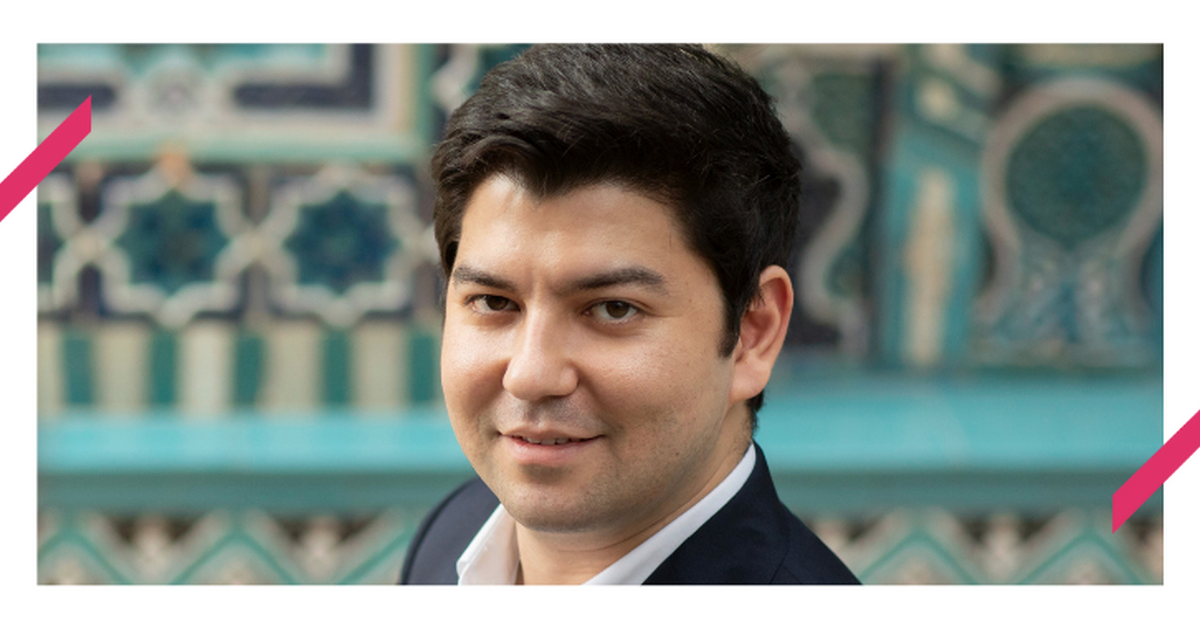
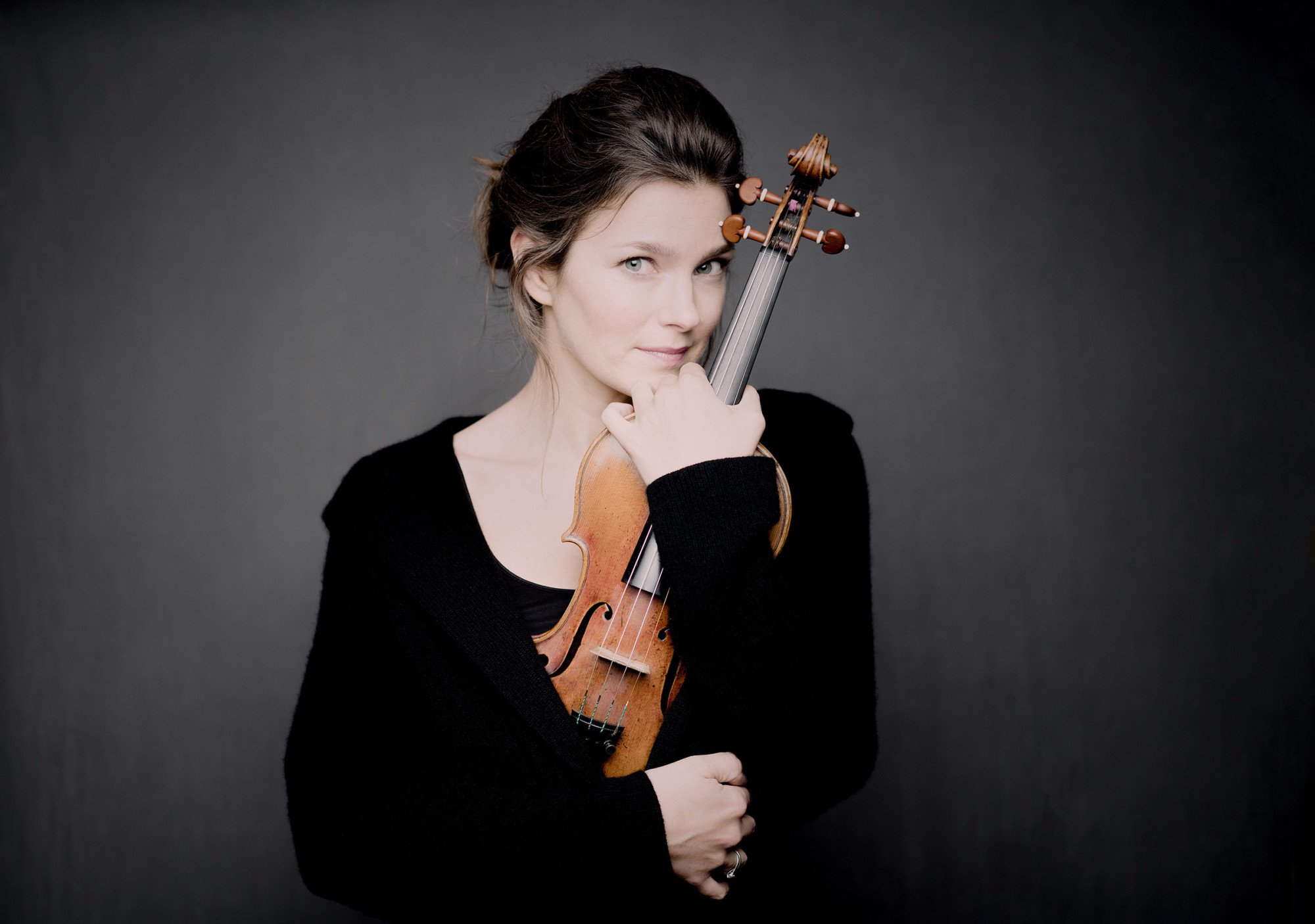
Behzod Abduraimov (piano, above), City of Birmingham Symphony Orchestra / François Leleux (below)

Brahms Academic Festival Overture Op. 80 (1880)
Rachmaninoff Piano Concerto no.2 in C minor Op.18 (1900-1901)
Brahms Serenade no.1 in D major Op.11 (1858-9)

Symphony Hall, Birmingham
Thursday 13 April 2023

Reviewed by Richard Whitehouse

Its first concert since returning from a European tour saw the City of Birmingham Symphony Orchestra in a programme which tellingly placed Rachmaninoff’s most famous composition within the context of less often heard or uncharacteristically (?) humorous pieces by Brahms.

Cinematic and other extra-musical associations often obscure the purely musical qualities of Rachmaninoff’s Second Piano Concerto, so credit to the Uzbek pianist Behzod Abduraimov for duly underlining these in a reading full of incident and unfailingly cohesive. Among the former might be mentioned the limpid elegance of the first movement’s second theme and its improvisatory continuation before the coda, bewitching transition from the Adagio’s central scherzo back to the main melody, and those evocative interludes after the finale’s ‘big tune’ – this latter returning to cap the whole work in unforced ardour. Integration between piano and orchestra was unfailing, as too the emotional immediacy of the CBSO’s response, and who could question Abduraimov’s decision not to provide an encore after so fine a performance.

Rachmaninoff and Brahms seldom complement each other in concert, though the Academic Festival Overture provided an ideal curtain-raiser. Typically more than a potpourri of student songs (drinking or otherwise), the cunningly fashioned sonata design was deftly unfolded by François Leleux so that its portentous and uproarious elements were held in perfect accord. The percussion audibly relished its rare outing in a Brahms score, not least at the close when the hymn-like ‘Gaudeamus igitur’ emerges to see this piece through to its exhilarating close.

Following the interval, a relatively infrequent hearing for Brahms’s First Serenade. Originally planned for chamber ensemble and later rescored for late-Classical forces (with four horns), its equivocally symphonic ambitions and proportions were inevitably overshadowed by what Brahms went on to achieve, but its musical attractions are many and Leleux had its measure. Not least during an initial Allegro, its dextrous horn theme setting the tone for a movement whose impetus was engagingly maintained through to the touching insouciance of its coda.

Omitting repeats in this movement’s exposition and the first half of the Scherzo – which latter anticipates Brahms’s intermezzos in its speculative aura and understated progress – ensured a viable balance with the Adagio. A pre-echo of slow movements to come, the observance of its ‘non troppo’ marking prevented any loss of expressive focus across the methodically evolving whole. If the remaining movements are closer conceptually to serenade rather than symphony, Leleux gave them their due – whether the twin Menuettos with their enticing contrast between woodwind and strings, a second and more rhythmic Scherzo with rustic horn writing here and in the trio, then the final Rondo in which Brahms looks back to those comparable movements from early Beethoven and Schubert with a lack of inhibition he was only rarely to recapture.

Such was the effect of an account that received an enthusiastic response from the near-capacity house. The CBSO strings take the stage next Saturday for a coupling of Schubert arranged by Mahler and Vivaldi interspersed with Piazolla, directed by their leader Eugene Tzikindelean.

You can read all about the 2022/23 season and book tickets at the CBSO website. Click on the artist names for more on Behzod Abduraimov and François Leleux

In concert – Eugene Tzikindelean, CBSO / Alpesh Chauhan: Brahms, Nielsen & Shostakovich

Brahms Tragic Overture Op. 81 (1880)
Nielsen Violin Concerto DF61 (1911)
Shostakovich Symphony no.5 in D minor Op.47 (1937)

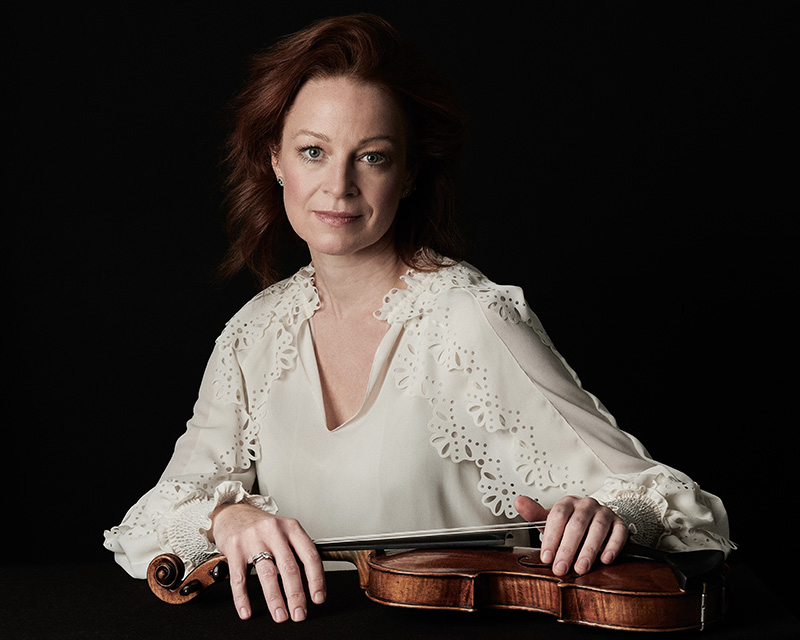
Eugene Tzikindelean (violin), City of Birmingham Symphony Orchestra / Alpesh Chauhan

Symphony Hall, Birmingham
Wednesday 7 December 2022 [2.15pm]

Reviewed by Richard Whitehouse

A gratifyingly large house greeted this afternoon concert given by the City of Birmingham Symphony Orchestra with its former assistant conductor Alpesh Chauhan, taking in works long established in the repertoire and a concerto which remains on or about its periphery.

Tackling Brahms’s Tragic Overture depends on whether one sees it as an overture pure if not so simple, or as a tone poem with its ‘programme’ subsumed into the music’s inner workings. Chauhan favoured a viable mid-way course, his steady if never flaccid approach keeping its sonata design firmly in view but with enough expressive license to bring out the pathos in its second main theme and, especially, that spellbinding transition to its reprise when a wistful vulnerability steals over the music as if denying the implacable fatalism otherwise dominant.

CBSO leader Eugene Tzikindelean then took the stage as soloist. A bold if unexpected choice for such an appearance, Nielsen’s Violin Concerto has never quite received its due outside of Denmark but that it makes a cogent impression was never in doubt in a reading as insightful as this. Its Praeludium keenly yet sensitively rendered, Tzikindelean despatched the ensuing Allegro with the right chivalrousness and suavity. A broken string in the development caused only minimal delay as he produced its replacement then restrung his instrument with alacrity.

Its self-sufficient halves make sustaining an overall trajectory the crucial factor in this piece and Tzikindelean succeeded admirably, drawing inward rapture from the second movement’s lengthy Poco adagio before steering a never too hasty course through its lightly ironic Rondo. Tzikindelean responded to the enthusiastic response with the opening ‘Country Musicians’ section from Enescu’s Impressions d’Enfance as a delectable encore: maybe we can expect that composer’s Caprice Roumain or Pascal Bentoiu’s Violin Concerto on a future occasion?

Throughout this performance, Chauhan proved steadfast and attentive in support, then came into his own after the interval with an impressive take on Shostakovich’s Fifth Symphony. If the earlier stages of the Moderato seemed a little reined-in, the development accumulated the requisite intensity on the way to a powerfully conceived reprise, then a coda of aching regret. Steadier and less capricious than usual, the ensuing Allegretto yielded a keen impetus and, in its trio, a deftly ‘knowing’ contribution from Tzikindelean having retaken the leader’s chair.

It was the Largo that proved the highlight of this performance. Chauhan sustained its heartfelt interplay of themes with unforced rightness, CBSO woodwind heard to advantage in its rapt central episode before a climax of wrenching eloquence that subsided into expectant stillness. Launched (almost) attacca, the final Allegro unfolded with due emphasis on its ‘non troppo’ marking; its calculated aggression pointedly undercut by musing circumspection, before the heady ascent towards an apotheosis which was more than usually defiant in its equivocation.

A performance that provided ample indication of Chauhan’s emergence as a conductor of the front rank. Hopefully he will be returning to the CBSO soon, the latter’s activities continuing with the customary Christmas and Viennese New Year concerts with which to see out 2022

You can read all about the 2022/23 season and book tickets at the CBSO website. Click on the artist names for more on Alpesh Chauhan and Eugene Tzikindelean

In Appreciation – Lars Vogt

by Ben Hogwood

Yesterday we learned of the incredibly sad news that the pianist Lars Vogt had died, at the age of 51.

The warmth and appreciation of tributes paid to him from fellow artists yesterday evening testify to his warm personality, strength of character and great musicianship. Lars was diagnosed with cancer early in 2021, but even in his chemotherapy found that playing the piano channelled the most positive energy and feeling. Here, for instance, is a wonderful performance of Mozart’s Piano Concerto no.24 given as part of the Parnu Festival with the Estonian Festival Orchestra and Paavo Järvi.

Lars was an extremely versatile artist, either as a soloist, chamber musician or conductor. Regular partners included violinist Christian Tetzlaff and cellist Truls Mørk, while he took part in a formidable piano trio with Christian and cellist Tanja Tetzlaff. He also proved himself a conductor of some note from the keyboard, directing the Royal Northern Sinfonia from the piano in recordings of the concertos of Beethoven and Brahms, and the Orchestre de Chambre de Paris in the concertos of Mendelssohn.

His orchestral partners spoke of him with great warmth, and certainly his time in Newcastle with the Royal Northern Sinfonia was characterised by energetic, creative music making and seasonal planning. My own memories of solo performance run back to a spellbinding account of the Goldberg Variations at Wigmore Hall:

As a concerto soloist I also recall a memorable account of BrahmsPiano Concerto no.2 with the BBC Symphony Orchestra and Jiří Bělohlávek at the Proms:

At the same festival, I also recall a full-blooded account of the Bartók Violin Sonata no.1 with Christian Tetzlaff:

As a recording artist, Vogt enjoyed many peaks, mostly in the company of the Ondine label. The playlist below brings together just a section of these recordings, in the knowledge that a couple more are yet to be released.

He will be greatly missed, and we send condolences to all his family and friends. His lasting gift to us is in the form of recordings we will treasure greatly:

Playlist: Herbert Blomstedt at 95

by Ben Hogwood

To mark the 95th birthday of the great Swedish conductor Herbert Blomstedt on Monday just gone, Arcana has put together a playlist including a snapshot of some of his greatest and most enduring recordings.

They include the Fifth Symphony of Nielsen, part of a landmark cycle of the composer’s symphonies with the San Francisco Symphony Orchestra for Decca. Blomstedt’s recordings with that orchestra in the 1990s were notable for their sonic prowess but left some critics cold; however on revisiting his Sibelius cycle, for instance, they stand up very well. The Third Symphony is included here, as is the first Peer Gynt Suite of Grieg.

Also in the 1990s came a trio of fascinating discs lending weight to the cause of Paul Hindemith. A disc of the Mathis der Maler Symphony, the Symphonic Metamorphoses and Trauermusik was to be expected, perhaps, but the follow-ups were even more valuable – a disc of the music for Nobilissima Visione, the Konzertmusik for Brass and Strings and Der Schwanendreher, and a pairing of the Symphonia Serena and symphony from the opera Die Harmonie der Welt, included here.

Blomstedt has more recently recorded a well-received Brahms cycle with the Leipzig Gewandhaus, though prior to that recorded a fine disc of the composer’s choral works in San Francisco. With the Gewandhaus, however, he has completed his most recent release, that of Schubert’s Unfinished and Great symphonies. The former is included here. Enjoy this selection of wonderful recordings!