In concert – Mark van de Wiel, Philharmonia Chamber Players – Gipps & Weber

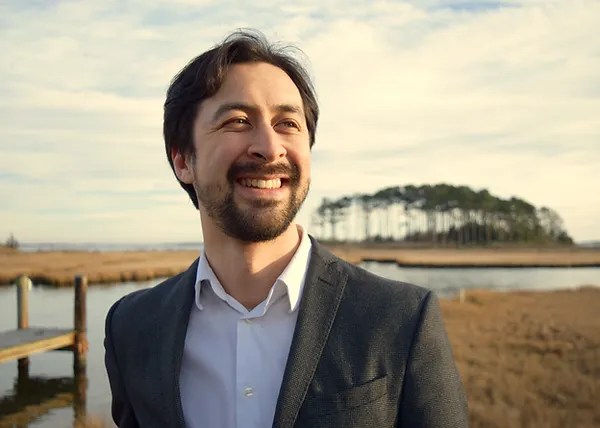
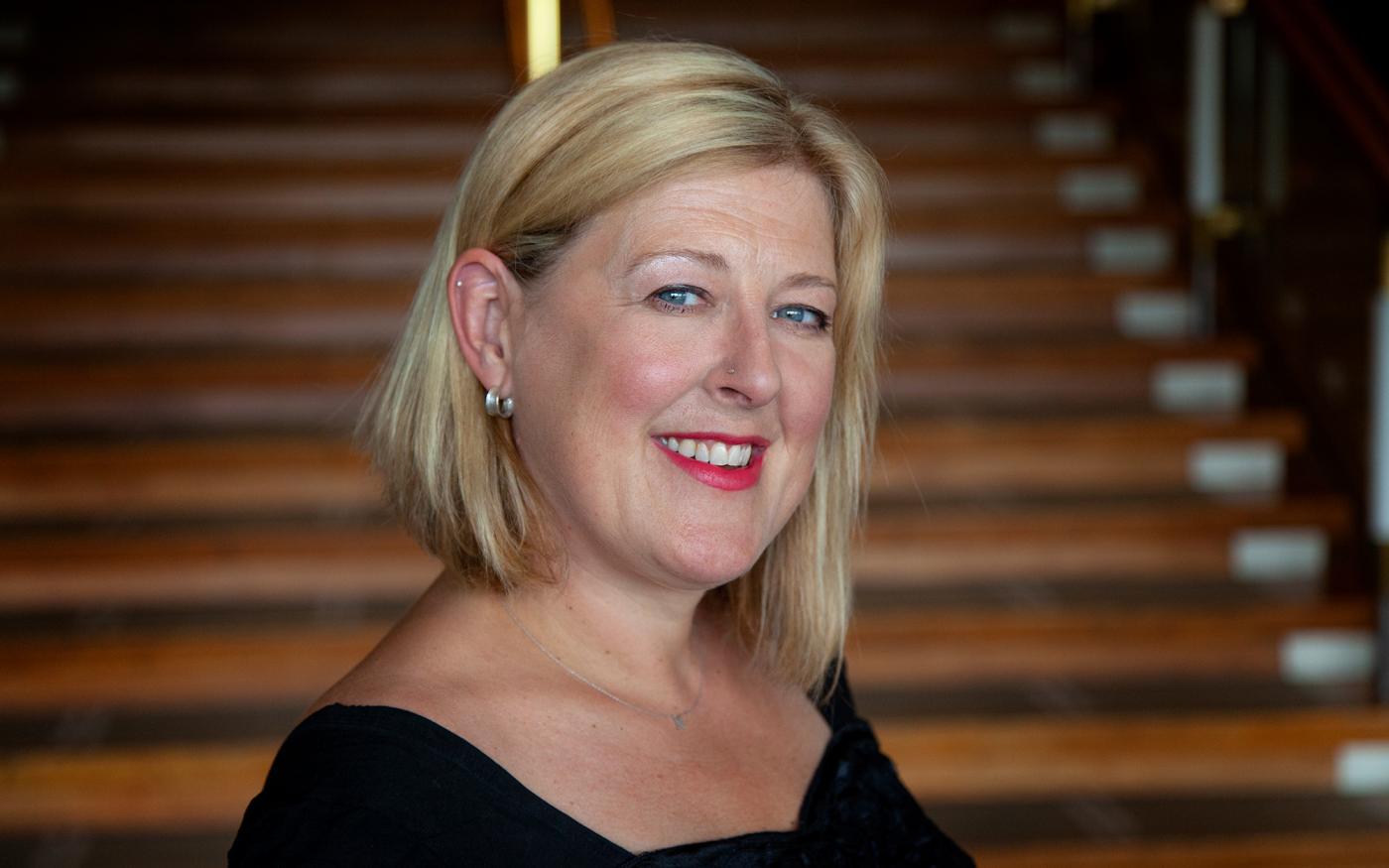
Philharmonia Chamber Players [Mark van de Wiel (clarinet, above), Eugene Lee, Fiona Cornall (violins), Scott Dickinson (viola), Karen Stephenson (cello)]

Gipps Rhapsody in E flat major (1942)
Weber Clarinet Quintet in B flat major Op.34 (1811-15)

Royal Festival Hall, London
Thursday 20 February 2025

Reviewed by Ben Hogwood Picture of Mark van de Wiel (c) Luca Migliore

This free concert in the Royal Festival Hall was a breath of fresh air. Bolstered by visitors, the auditorium was a heartening two-thirds full, the audience made up of families, tourists and workers seeking musical enlightenment. Yours truly fell into the latter category!

The Philharmonia Orchestra have played to this type of crowd for decades now, either by way of introduction to their evening concerts (like this one) or providing a standalone concert focusing on a particular composer (Music of Today) or instrument.

In this instance they covered all bases, with music for clarinet and string quartet introduced from the stage by principal clarinet Mark van de Wiel. The ensemble began with a relative rarity, Ruth GippsRhapsody in E flat major only coming in from the cold in recent years. Dedicated to her fellow RCM student and future husband, Robert Baker, it is an attractive piece with affection evident from its soft, pastorally inflected first statement. However Gipps’ folk-inspired variant on the opening theme steals the show, firstly heard on cello then subsequently joined by its companions, the clarinet finally singing eloquently over pizzicato strings.

In his talk Van de Wiel’s love of the piece was evident, before he introduced another sleeping giant, Weber’s Clarinet Quintet. Often sitting in the shade of its illustrious companions by Mozart and Brahms, this winsome piece – written for clarinettist Heinrich Baermann – demonstrates just how far the instrument had progressed in the two decades since Mozart’s Clarinet Concerto.

Van de Wiel demonstrated how his clarinet, with 17 keys, was at an advantage to that of Baermann’s ten, in theory reducing the difficulty. His modesty, however, was made clear in the virtuoso demands Weber still makes on the instrument, a fully-fledged soloist, with all manner of tricks up its sleeve.

To Weber’s credit this is not at the expense of musical quality or emotional impact, for although we enjoyed some flights of fancy in the first movement Allegro there was plenty of feeling in the dialogue between clarinet and string quartet. A tender, operatic second movement followed, then an airy and enjoyably mischievous Menuetto rather fast for dancing perhaps but charming all the same. Then came the brilliantly executed finale, living up to its Allegro giojoso marking as Van de Wiel mastered Weber’s increasingly athletic demands with flair and musicality.

Happily both pieces have been recorded as part of a new album forthcoming from the quintet on Signum Classics, where they will team this repertoire with Anna Clyne’s Strange Loops. If the performances match these live accounts, they will constitute a fine document from one of Britain’s very best clarinettists. As though to confirm this, the assembled throng left wreathed in smiles.

For details on the their 2024-25 season, head to the Philharmonia Orchestra website

Published post no.2,452 – Friday 21 February 2025

In concert – Philharmonia Orchestra Music of Today: Messiaen’s Quartet for the End of Time

Mark van de Wiel (clarinet, above), Zsolt-Tihamér Visontay (violin), Karen Stephenson (cello), Tom Poster (piano)

Messiaen Quatuor pour le fin du temps (Quartet for the End of Time) (1941)

Royal Festival Hall, London
Thursday 7 March 2024 (6pm)

Reviewed by Ben Hogwood Pictures (c) Guy Wigmore (Mark van de Wiel, Zsolt-Tihamér Visontay), Marina Vidor (Karen Stephenson), Elena Urioste (Tom Poster)

The Philharmonia Orchestra’s long-running Music of Today series continued with an opportunity to experience Olivier Messiaen’s 1941 masterpiece. Given its first performance in a German prisoner-of-war camp (in what is now Zgorzelec, Poland), the Quatuor pour la fin du tempsQuartet for the End of Time – was very much a product of circumstances.

The composer, in one of his rare forays into chamber music, had just three instruments available to him, plus himself at the piano. He thrived on the restrictions, using the New Testament book of Revelation as his stimulus to create an eight-movement piece that if anything has grown in stature and relevance with every passing year.

Tonight’s venue may have been a great deal more spacious than the cramped conditions of the premiere, but the quartet here lacked nothing in close-up intimacy, the sizeable audience leaning forward in their seats to engage with the music. Initially it was the piano of Tom Poster (below) that provided a strong foundation, his spacious chords catching the chill of the dawn air in Liturgie de cristal as the other three instruments circled with attractive birdsong, the music awakening softly.

The Vocalise, pour l’Ange qui annonce la fin du temps (Vocalise, for the Angel who announces the end of time) provided a firm reality check, though here too its dramatic lines were clear and spacious rather than combative, the players continuing to find an inner serenity through Messiaen’s writing. Violinist Zsolt-Tihamér Visontay and cellist Karen Stephenson thrived on these long melodic phrases, derived from plainchant.

The emotive centre of this performance was undoubtedly the solo for clarinet, Abîme des oiseaux (Abyss of birds), an incredibly moving soliloquy played with exceptional technique by Mark van de Wiel. Some of the notes started with barely audible attack while others were at the outer limits of his volume in a performance of incredible poise and control. Standing while the other musicians sat, he also let the silences between notes speak as loudly as the phrases themselves, so that even the persistent coughing of the audience was rendered into silence.

The delicate Intermède broughout out the dance elements of Messiaen’s writing, before Stephenson (above) and Poster gave a thoughtful, meditative Louange à l’Éternité de Jésus (Praise to the eternity of Jesus), beautifully played and appropriately reverent. This ensured a vivid contrast with the following Danse de la fureur, pour les sept trompettes (Dance of fury, for the seven trumpets), where the four instruments played their angular melodies with commendable precision.

Fouillis d’arcs-en-ciel, pour l’Ange qui annonce la fin du temps (Tangle of rainbows, for the Angel who announces the end of time) found Visontay (below) to the fore in the audio balance, van de Wiel slightly backward in the mix, before Visontay and Poster led us to the end itself with a radiant Louange à l’Immortalité de Jésus (Praise to the immortality of Jesus). This remarkable piece of music continues to carry a strong impact, and as the two instruments strained at the edge of audibility, Visontay reaching the highest pitch, the sense of arrival was all-consuming.

They put the seal on a memorable performance, one of the more emotive ‘rush hour’ concerts you could wish to hear, and one whose impact was felt far beyond that evening’s orchestral concert.

You can listen to a recording of Quatuor pour le fin du temps below, with Mark van de Wiel and Zsolt-Tihamér Visontay joined by cellist Mats Lidström and pianist Min-Jung Kym on the Psalmus label:

Meanwhile you can find more information on further concerts at the Philharmonia website

Published post no.2,111 – Friday 8 March 2024