

by Ben Hogwood
What’s the story?
Matthew Bourne returns to first principles, with his first solo piano album since the 2017 release Isotach.
The press release reveals that there are, however, some restrictions around the recording of the album, “born from an off-hand comment by one of Matthew Bourne’s confidants. His instruction, “Do not delete,” provided Bourne with a commission of sorts, an ideal restriction to work within. Everything on the album was given a chance to shine in the studio, to be worked on amongst the freedom of that no deletion diktat – new inspirations now lie beside deep-mined remembrances. Cello and Dulcitone have been added sparingly for colour, but this is Bourne playing for his own enjoyment. Intimate. Reserved even. The real Matthew Bourne?”
What’s the music like?
There is a stillness about Matthew Bourne’s playing on this album that proves to be rather moving. Every note is carefully considered and weighted, and delivered in a conversational manner that makes the listener feel they are the only person in the room with him.
The titles give this away too, personal reflections like To Francesca, Dissemble (for Brian Irvine), Only When It Is (In Memoriam Bill Kinghorn) and Dedicated To You, Because You Were Listening (In Memoriam Keith Tippett) The first of these uses rich cello and crystalline Dulcitone beautifully to complement its lightly questioning phrases. The Bill Kinghorn and Keith Tippett tributes are stately, the latter with a mournful, tolling motif that gathers power before subsiding to near silence.
By contrast The Mirror And Its Fragments has an eerie undertone, with low cello again in the mix.
Does it all work?
It does – being a completely unforced way of making music. The emphasis is on communication of feelings and meanings more than anything else, with the result that the ‘less is more’ approach winds hands down.
Is it recommended?
It is. While Matthew Bourne’s exploits on the big screen should be encouraged, and his more experimental workings with keyboards and other instrumental groups, it is great to hear him go back to where it all began. With new insights, this is a piano-led album to savour.
For fans of… Yann Tiersen, Dustin O’Halloran, Zbigniew Preiser
Listen and Buy
Published post no.2,254 – Monday 29 July 2024

 Before the interval, Tippett was joined by Matthew Bourne (above) – himself a pianist who has built up a formidable reputation for essaying the unexpected – for a half-set in which these pianists engaged in what might passably be described as a ‘call and response’ session of far-reaching possibilities. The past century has seen a rich legacy of music for two pianos, and it was hard not to discern echoes of such seminal works – ‘classical’ in designation while not necessarily conception – as Debussy’s En blanc et noir and Bernd Alois Zimmermann’s Monologe in the alternately stealthy and quixotic interplay of these musicians.
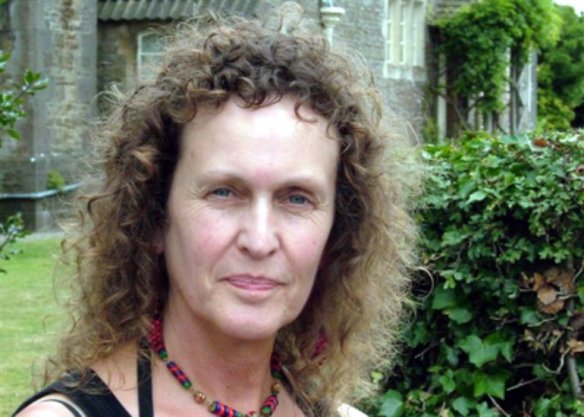 All the instrumentalists were allotted solos or at the very least spotlights, during which their different personalities (irrespective of instrument) came to the fore. Then followed what was billed as a ‘coda’, in which the penultimate The Dance Of Her Returning was reprised but with lyrics by Julie Tippetts (above) and sung with her customary understated eloquence. The octet played out with Tippett’s arrangement of the Irish traditional tune The Last Rose Of Summer – by turns pensive and plangent, and bringing to an end this memorable and affecting recital.
 Arcana.fm