
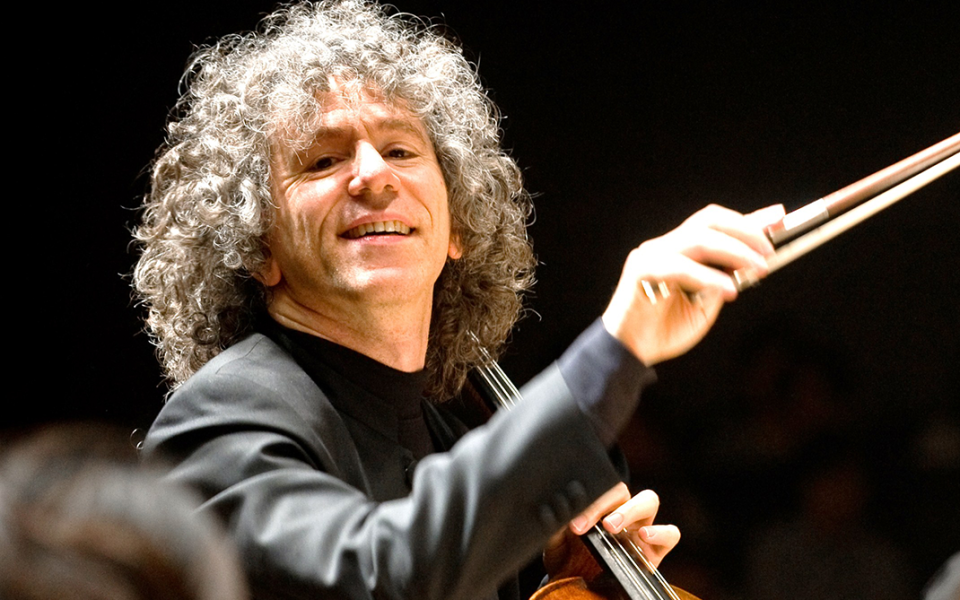
Steven Isserlis (cello), Joshua Bell, Irène Duval (violins), Blythe Teh Engstroem (viola), Jeremy Denk, Connie Shih (pianos)
Fauré Violin Sonata no.2 in E minor Op.108 (1916-7)
Saint-Saëns Piano Trio no.1 in F major Op.18 (1863)
Nadia Boulanger 3 pièces for cello and piano (1914)
Fauré Piano Quartet no.1 in C minor Op.15 (1876-9, rev. 1883)
Wigmore Hall, London
Friday 1 November 2024
Reviewed from the online stream by Ben Hogwood Photo (c) Satoshi Aoyagi
As the saying goes, the best laid plans of mice and men often go awry. And so it was that this five-part festival at the Wigmore Hall, two years in the planning to mark 100 years since the death of Gabriel Fauré, was compromised by bad fortune that had violinist Joshua Bell suffering from sickness, unable to perform the first work on the programme.
Yet, as cellist and curator Steven Isserlis announced from the platform, there was a silver lining, thanks to Irène Duval – who stepped in to head the Violin Sonata no.2, programmed instead of its predecessor. Thus we heard the first chamber work of the French composer’s celebrated late period, dating from the middle of the First World War, when Fauré had lost his hearing and his son Philippe had been sent to the frontline. Not surprisingly the sonata is invested with concentrated feeling, brought straight to the surface by Duval’s searching tone and Connie Shih’s assertive piano, both fully inside the music. The first movement found brief consolation in its third principal theme, though this was a brief respite in music of passionate and occasionally fraught discourse. The second movement was initially bittersweet in these hands but more obvious serenity was achieved in the long melody of the second theme, beautifully phrased by Duval. The finale, where Fauré finds positivity in the face of his troubles, was sunlit in these hands, with a thoroughly convincing surge to the finish.
Rewinding just over 50 years, we heard music from Fauré’s teacher and long time friend Saint-Saëns – his first major chamber work. The Piano Trio no.1 is full of charm and good humour, and the trio of Shih, Duval and Isserlis enjoyed the cross rhythms of the first movement. Shih met the demands of the composer’s inevitably tricky piano part head on, with some sparkling passages in the right hand. The captivating second movement took us outside, evoking the French mountain regions with a memorable folk-derived theme, recounted by the strings in a solemn unison. Contrasting with this was the light-footed Scherzo, the players enjoying Saint-Saëns’ playful syncopations, and the confident finale, surging forward with a conviction confirming the composer would have many more such moments in his compositional career. The players’ enjoyment was abundantly clear.
After the interval came music from Fauré’s pupil Nadia Boulanger, usually renowned as a teacher but increasingly recognised as an accomplished composer. The 3 Pièces for cello and piano fully deserve their more frequent airings in concert halls today, for they are brilliantly written and full of originality. Isserlis enjoyed the singing high register of the Modéré, its melody gradually descending to ground like a butterfly. The two players enjoyed the canon of the second piece before the bold outlines of the quickstep third, a little prophetic of Debussy’s Cello Sonata a year later. Isserlis and Shih were brilliant throughout.
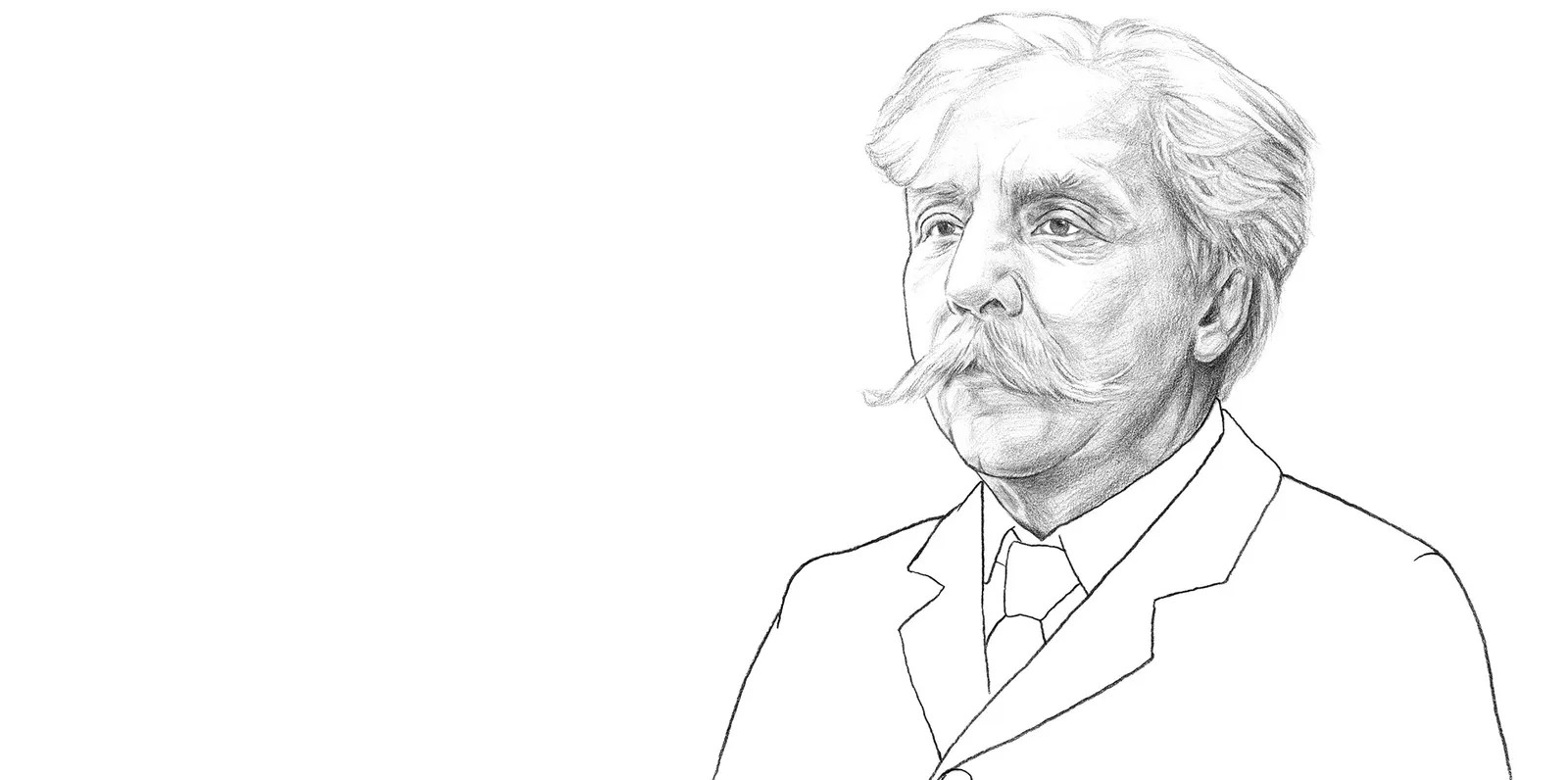
The Piano Quartet no.1 in C minor is one of Fauré’s (above) best-loved works, though it experienced a turbulent composition period in the wake of the dissolution of the composer’s engagement. This is however rarely evident in the music, constructed with elegance and control – though there is plenty of room for expression, as the four players found here.
The first principles of chamber music were on show from the start – for this quartet were playing as one, very much a team rather than a collection of soloists. Such a quality is of great importance in Fauré, his music often containing long and thrilling melodies such as that found at the outset, beautifully played.
Joshua Bell showed commendable energy in spite of his ill health, his sweeter violin tone complemented by Jeremy Denk’s authoritative piano playing, the burnished tone of Blythe Teh Engstroem’s viola and Isserlis’ cello, with lovingly phrased melodies as part of the all-important counterpoint. The syncopations of the second movement, one of Fauré’s calling cards, were deftly handled by the trio and brilliantly led by Denk, the players watching each other closely. Meanwhile the Adagio found time for contemplation, laden with sadness but with an enduring brightness led by Bell’s brighter tone.
The finale found renewed strength in its assertive unison themes, winning through to a thrilling and jubilant finish in spite of the occasional shadow cast in the quieter passages. The closing flourish put the seal on a wonderful first concert which bodes well for the series, providing – as Isserlis said – that the players stay in good health. Should they do so a whole series of treats await.
For more information on the Fauré series, visit the Wigmore Hall website – while you can also read Arcana’s interview with Steven Isserlis about the French composer
Published post no.2,350 – Saturday 2 November 2024
 Arcana.fm