In concert: Pavel Haas Quartet at Wigmore Hall – Suk, Martinů & Korngold

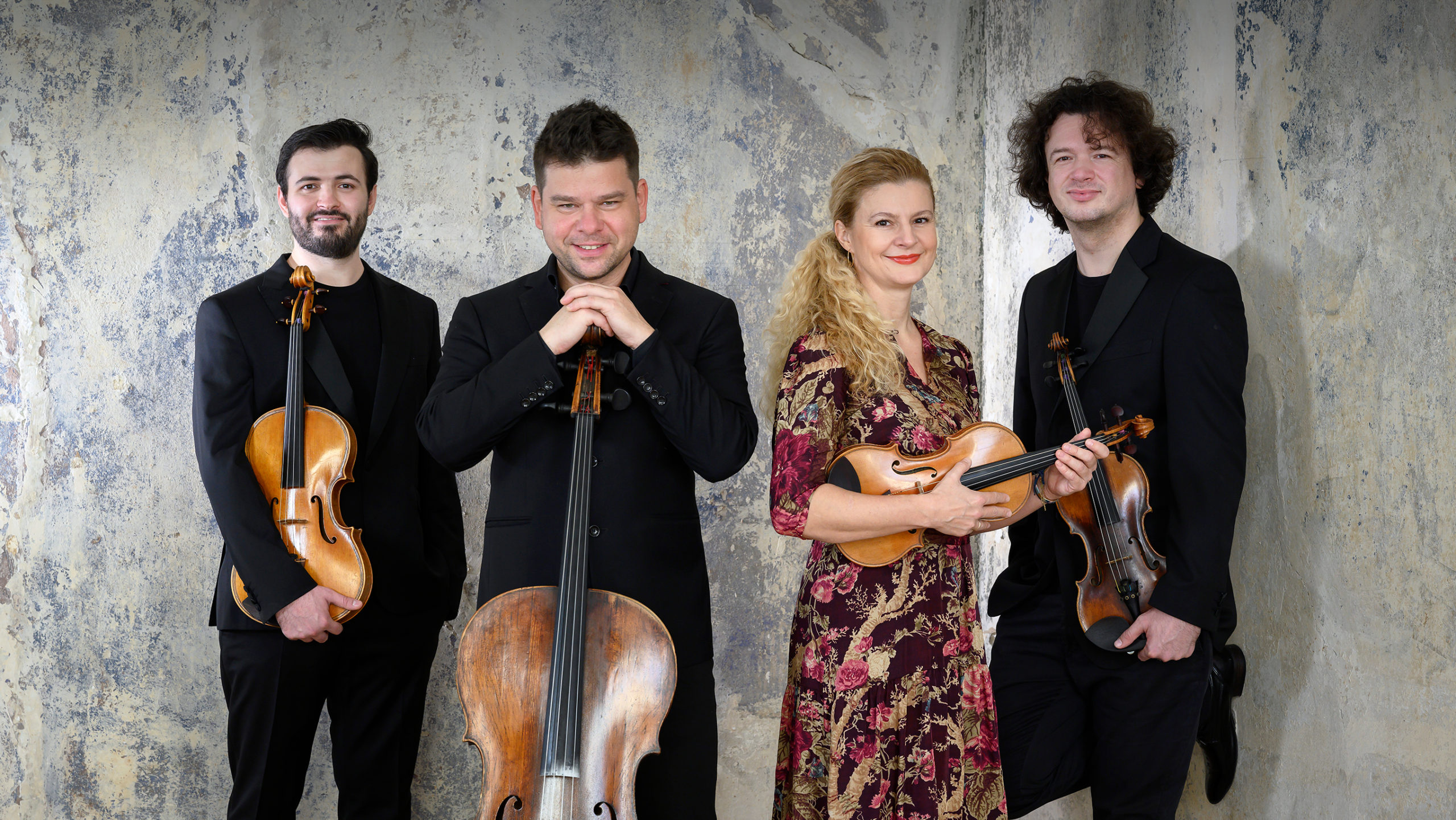
Pavel Haas Quartet [Veronika Jarůšková, Marek Zwiebel (violins), Šimon Truszka (viola), Peter Jarůšek (cello)]

Suk Meditation on an old Bohemian Chorale (St Wenceslas) Op.35a (1914)
Martinů String Quartet no.2 (1925)
Korngold String Quartet no.3 in D major Op.34 (1944-45)

Wigmore Hall
Monday 12 June 2023 1pm

by Ben Hogwood

An unusual and intriguing program from the Pavel Haas Quartet contained music by two fellow Czech composers (Suk and Martinů) and one (Korngold) born in Moravia before moving to America.

The quartet began with a moving piece by Suk, his Meditation on an old Bohemian Chorale (St Wenceslas). This poignant pre-war utterance carried an air of deep profundity right from the first phrase of Simon Truszka’s viola, its elegiac tone enhanced by relative lack of vibrato. The air of solemnity carried throughout, though there was considerable strength in depth as the music grew in stature.

Though a Czech composer, Martinů spent a good deal of time overseas – largely out of necessity. By his early 30s he was in Paris, studying with Roussel, bringing a neoclassical language and tidiness to his music. The String Quartet no.2, though, is a curiously lopsided work, very front heavy with its first movement a combination of substantial slow introduction and quick section. There were close links to the St Wenceslas Chorale here, too, found in the solemn intonations of the Andante. This was the spiritual heart of the piece, dark and uncertain at times and contrasting greatly with the thoughtful but lightly coloured manner in which the quartet began. A resolute first movement found a mood that Martinů reprised in the closing Allegro, a propulsive dance number with a spring in its step. There was an undeniable French flavour to the music here, which the Pavel Haas Quartet brought forward, its elegance at odds on occasion with the rustic dance tunes.

There was tension in the final work, too, though this was undeniably the making of a mature composer. The String Quartet no.3 was Erich Korngold’s last published chamber piece, adjacent in publication to the Violin Concerto, with which it shares the same key of D major. The Pavel Haas Quartet gave a superb account of the piece, exploring its unusual musical language through music that would have presented considerable technical challenges.

The awkward but compelling violin melody in the first movement was brilliantly negotiated by Veronika Jaruskova, who conveyed its uncertainties through sweet tones and phrases. In spite of a convincing and full bodied outburst from all four players, the movement was dominated by this figure, which left a question in the mind. The Scherzo went some way to answering this, a black and white film scene easy to conjure up in the mind as the furtive darting of the main theme ensued. Again this was brilliantly played, as was the heart melting trio, its big tune (from the recently completed score to Between Two Worlds) full of tender longing and given appropriate glissando for expression.

The silvery slow movement flickered in the half light like a candle burning low, but with the flame essentially undimmed. The quartet’s sense of purpose was key here, with burnished lower string tones as viola and cello often combined, a notable cushion on which the searching violin melodies (using material from The Sea Wolf) could rest. Romance was in the air but although some of the music was borne of Hollywood, its intimate confines gave the music a deeply personal air. The atmosphere was heightened as a thundercloud hovered over the Wigmore Hall.

The motorised finale brought conviction and a strong sense of homecoming, not dissimilar to its equivalent movement in the Violin Concerto. Although emphatic in its resolution there were moments where the quartet moved into a different tempo or unexpectedly distant harmonies, Korngold momentarily distracted by edgier thoughts until his focus returned.

The Korngold string quartets have had something of a renaissance of late, with several new recorded versions and a marked increase in performance. On this very cultured evidence it would be no surprise if the Pavel Haas Quartet committed their version to disc soon – but it is to be hoped the other works will join it, for this was a fine concert indeed.

For more livestreamed concerts from the Wigmore Hall, click here

In Concert – Pavel Haas Quartet @ Wigmore Hall: Haydn, Prokofiev & Haas

Pavel Haas Quartet [Veronika Jarůšková, Marek Zwiebel (violins), Karel Untermüller (viola), Peter Jarůšek (cello)

Haydn String Quartet in G major Op.76/1 (1979)
Prokofiev String Quartet no.2 in F major Op.92 (1941)
Haas String Quartet no.2 Op.7 ‘From The Monkey Mountains’ (1925)

Wigmore Hall, London
Thursday 24 November 2022

Reviewed by Ben Hogwood

The Pavel Haas Quartet often cause a stir on their visits to the Wigmore Hall, and this concert was no exception for the Czech ensemble.

Many of Haydn’s mature string quartets begin with a trio of chords effectively designed to hush the audience and guide their ears towards the performance getting underway. The first in his crowning set of six quartets published as Op.76 is no exception, though in this red blooded account the Pavel Haas Quartet pinned the audience back in their seats, such was the vigour with which this performance began.

There were some ragged edges to their interpretation, and less evidence of the genial Haydn that makes himself known with the conversational melody of the first movement. We did however get more exposure to his experimental side, through an interpretation pointing the music forward towards middle period Beethoven. The quickstep third movement, very much a scherzo rather than a minuet, pointed up Haydn’s daring harmonic excursions and dalliances, as did the finale, based mostly in the minor key and featuring a number of brisk about-turns. Stemming the tide was the second movement Adagio, a reverent account with a solemn air to its central section in particular.

There followed a superbly played account of Prokofiev’s String Quartet no.2. This attractive work is not often heard in concert, which is a shame for it has a good deal of spice and charm through its investment in folk tunes from the Northern Caucausian region, where the composer was evacuated in 1941. Encouraged by his new neighbours, Prokofiev achieved a very satisfying blend of the original tunes with spiky good humour and scrunched up harmonic dissonances, always in thrall to the highly melodic content.

The first movement revelled in the abundance of good tunes, bringing the Pavel Haas Quartet’s Slavonic instincts into play. The mood softened for a heartfelt cello solo from Peter Jarůšek, setting a thoughtful and delicately nostalgic tone for the Adagio. Here more time was taken for reflection, with a noticeable chill running through Prokofiev’s writing.

Within the folk references it is possible to discern the worrisome mood of the time, with World War Two underway. The third movement however felt like a show of resolution in the face of this threat, laced with humour that in this performance could have been exploited to greater effect. It was however a fine performance, with terrific ensemble playing.

The main event of the concert was undoubtedly a performance of music from the quartet’s namesake. Pavel Haas, born in Moravia, studied with Janáček between 1920 and 1922, completing his String Quartet no.2 three years later. Tragically in 1941 he was deported to the Theresienstadt concentration camp, and died in Auschwitz three years later. Much of his work lay in neglect but has in the last thirty years enjoyed an extremely welcome renaissance, led by a number of enterprising recordings made in the 1990s, not least that of this work for Decca’s Entartete Musik imprint in the 1990s by the Hawthorne String Quartet. Since then the second quartet has gone on to gain a welcome foothold in the concert hall.

It would be difficult to contemplate a better performance than this one from the Pavel Haas Quartet. Led assertively by Veronika Jarůšková, they showed what an assured and imaginative piece it is, a travelogue giving the listener a tour of the sights and sounds of the famous Monkey Mountain range in Moravia.

The musical language is a curious but highly engaging hybrid of influences, drawing on the music of Dvořák and Smetana but in compressed melodic pockets of heightened intensity. Janáček, too, is an influential voice, but Haas’s unusual phrasing and distinctive rhythms make for a unique and enjoyable style.

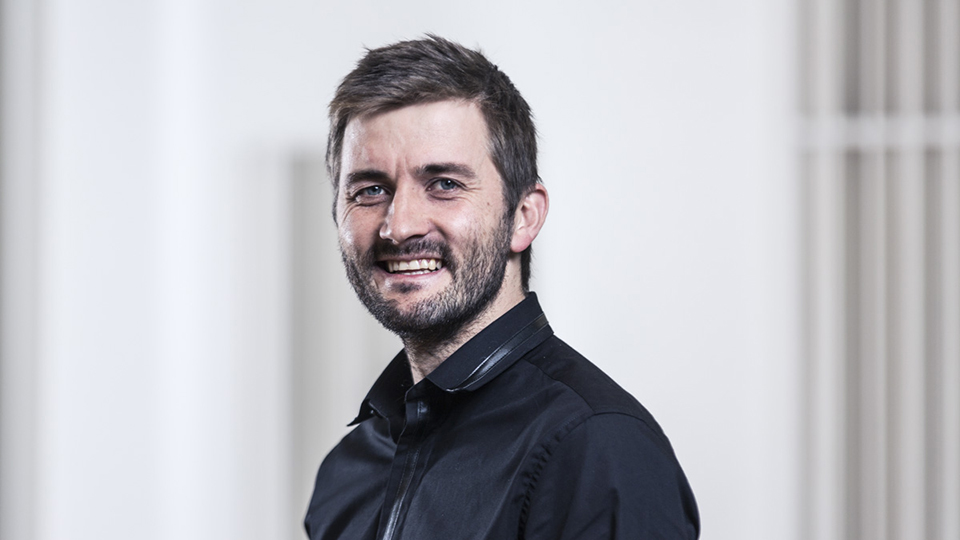
The Pavel Haas Quartet enjoyed it greatly, the first two movements (Landscape and Coach, Coachman and Horse) enjoying the rarefied outdoor air and some crisply secured dance rhythms. The third movement, subtitled The Moon and I, was much colder to the touch, the muted strings taking time for introspection and creating some striking colours along the way. Their beautifully poised playing set up a riotous Wild Night finale where they were joined by percussionist Owen Gunnell (above), whose battery of instruments were expertly marshalled to bring the sounds of 1920s jazz into the fray.

The riotous closing pages brought the swaying Moravian dances and jazz rhythms to the foundations of the Wigmore Hall, brilliantly played and ideally balanced. So good was this section that the five performers gave us a quick reprisal as an encore, reminding us in the process of the fiercely original writing from a composer whose resurgence is to be greatly welcomed.