Switched On – Joachim Spieth: Vestige (Affin Music)

Reviewed by Ben Hogwood

What’s the story?

Joachim Spieth is a musician who needs to keep composing, and the benefits of that urge are frequently passed on to his listeners. Vestige is the latest in a line of sonic explorations on his own label Affin Music, this time exploring “the dialogue between ambient atmospheres and dub-infused detail”.

What’s the music like?

As described…but the inference can easily be made by the listener that using dub leads to a relaxed rhythmic profile. Vestige proves that this is not always the case, for some of its tracks have a good deal of forward momentum, their profile supported by a solid and active rhythmic undercarriage.

Operating above this is Spieth’s trademark ambience, thick in texture but with a depth surrounding the listener – both reassuring and subtly inspiring.

A steady pulse runs through the ambient clouds of Residual, setting the pace and tone for the album, before the more immediately immersive Sonomorph. Iterate goes to similar depths, deeply textured and coloured, while Remnant shows off a satisfying rhythm track. 

Does it all work?

It does. Spieth gets the combination of ambience and forward movement just right.

Is it recommended?

Yes. Jordan Spieth has a high threshold when it comes to making quality ambient music, and while Vestige is thoughtful in its language, it is a deeply satisfying, immersive experience.

Listen / Buy

Published post no.2,827 – Sunday 15 March 2026
Switched On – Octavcat: Ailurophobia (VLSI)

Reviewed by Ben Hogwood

What’s the story?

Matt and Rich Cawte’s Octavcat project has yielded some very fine electronic music to date, and with Ailurophobia they deliver their second album for the VLSI label.

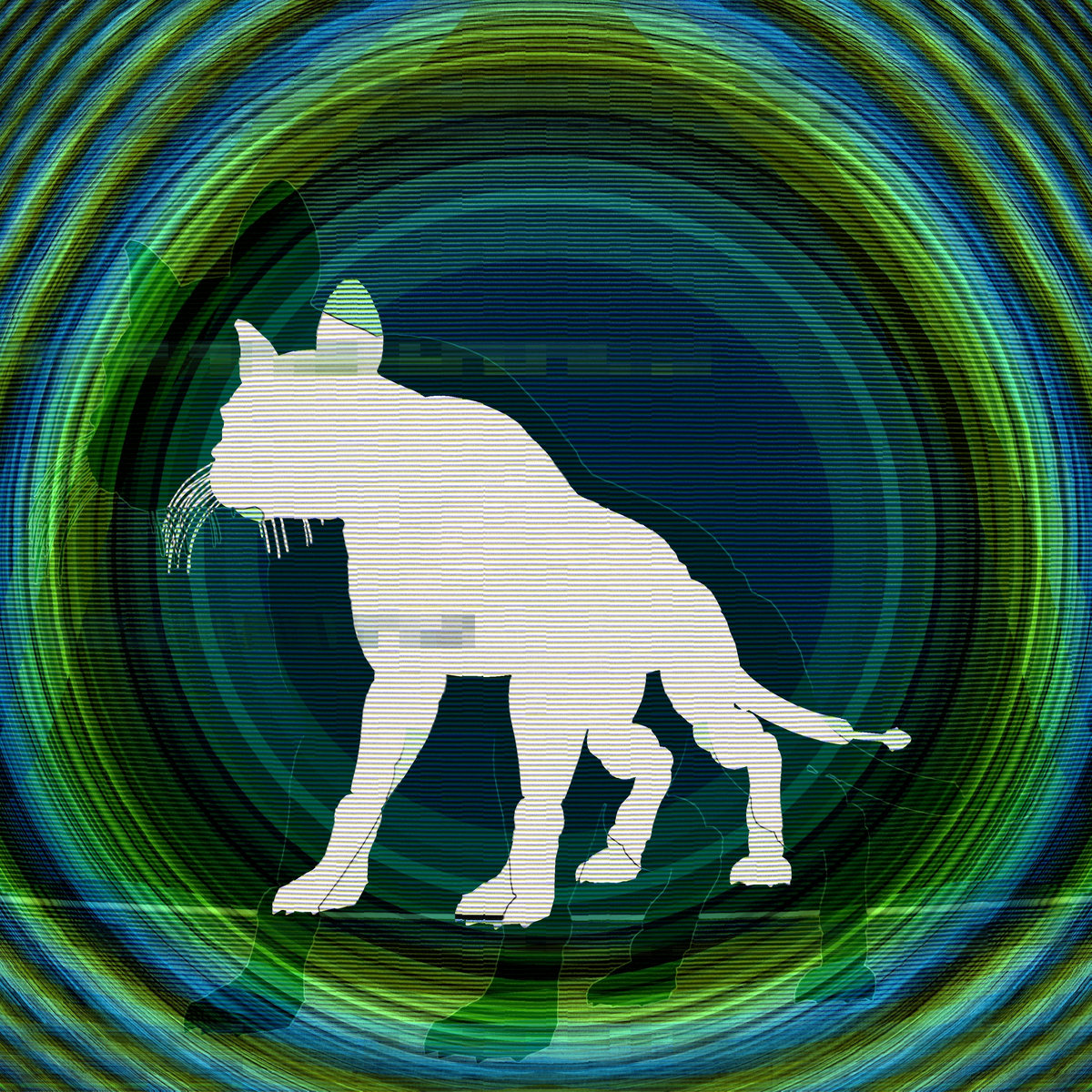
Ailurophobia is ‘an intense, irrational and persistent fear of cats’ – a title that was almost certainly applied to this album in jest. That would fit with the subtle sense of humour that Cawte have brought to their music, and also the feline that graces the cover! Here it is described as “a ten-track selection of woozy, playful electronic music, precision hewn from the finest hardware synthesizers.”

What’s the music like?

What it says on the tin! An entertaining selection of beats and electronic activity from the duo that is consistently engaging and full of good ideas.

Beats ricochet across their steadily evolving pictures, which are often descriptive and carried out on several speed levels. CV Behaviour, for instance, is an amiable collision of early techno percussion and nuggets, with broader thoughts spanning greater distances.

Some of the music has a slightly sinister edge, with the dubby trudge of Skjærgård especially strong. Set 22b is an appealing, easy jam, while the closing Wrong Gravity is really excellent, from the glowering depths of the bass to some seriously big vistas that open out beautifully on headphones.

Arguably the pick of the bunch is the strongly evocative Gibbous, upping the tempo with strong, busy beats and acidic riffs but with a majestic breakdown that seems to represent the night sky itself. 

Does it all work?

It does – and repeated listening reveals extra layers within those you’ve already heard.

Is it recommended?

Enthusiastically – an electronic tapestry whose colourful secrets are revealed with imagination and flair. No need to fear Octavcat on this evidence!

Listen / Buy

Published post no.2,826 – Saturday 14 March 2026

Switched On – Moby: Future Quiet (BMG)

Reviewed by Ben Hogwood

What’s the story?

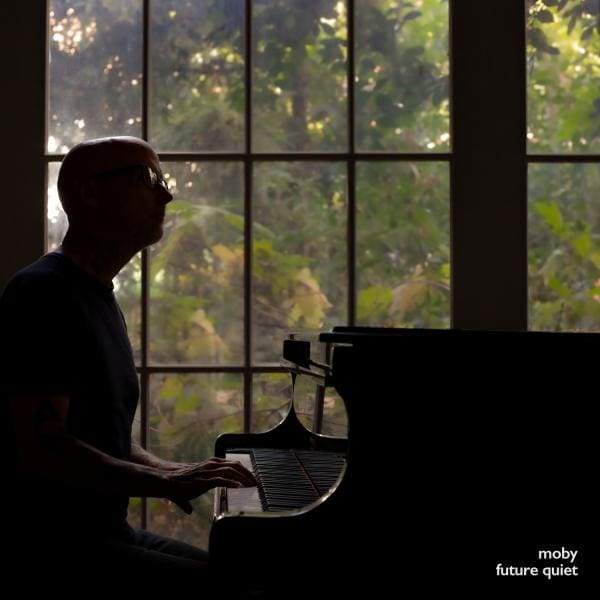
Quiet is the new loud for Moby, who revisits his ambient roots for album no.23. The springboard for this appears to have been the appearance of When It’s Cold I’d Like To Die, the closing track from the 1994 album Everything Is Wrong, in prominent parts of the Stranger Things series.

That song opens Future Quiet, sung by Gabriels singer Jacob Lusk, while Moby works in a sequence of vocal and instrumental tracks that are mostly on the slow and ambient side.

What’s the music like?

There is little doubt that this is the style Moby does best, his slightly mournful take on electronic ambient music working a treat here.

The vocal guests acquit themselves extremely well, none more so than serpentwithfeet on the understated On Air, India Carney on Precious Mind, and Moby himself on the plaintive This Was Never Meant For Us.

Yet less is more in this area of music, and if anything Moby’s instrumental music speaks with greater clarity. Ruhe and Great Absence are intimate piano pieces that could easily be played in the same house as the listener, while Mott Street 1992 circles back to its main piano motif. Subtle, floated vocals from Elise Serenelle boost Estrella Del Mar, while Tallinn has a lovely solo violin.

Does it all work?

Pretty much. On rare occasions the music threatens to be over-produced, but in general the room Moby affords his music adds to its emotional reach and ambience.

Is it recommended?

Yes, enthusiastically. Moby’s response to a frantic, fraught world is to seek solace in ambient music, and that we can easily join him that says much for the content of Future Quiet. It speaks very subtly but leaves a calming imprint that lasts long after you stop listening.

Listen / Buy

You can explore purchase options for physical formats of Future Quiet at the Norman Records website

Published post no.2,822 – Saturday 7 March 2026

New Music – Tycho: Forge (Ninja Tune / Mom + Pop)

by Ben Hogwood, with text lifted from the press release

Tycho has announced and released Forge, the follow-up to (and early incarnation of)  Boundary Rider, his recent collaboration with Paul Banks of Interpol.

Speaking about the track, Tycho (aka Scott Hansen) says: “Boundary Rider started life as a demo called Forge, a driving open-ended extension of the Epoch-era sound. I originally sent a pretty stripped back version to Paul Banks to see if he was interested in contributing vocals, which later informed the direction of that arrangement. After completing that version, I revisited the original to see if I could draw a compelling instrumental out of it. This is sometimes difficult with a song written with vocals in mind — it’s hard to find the elements to tie it all together once the vocals are gone. But with this one it ended up feeling nicely balanced just by pushing Zac’s guitars to the front a bit, retaining the isolated sound of the vocal version while opening up more space for the instrumentation to breathe.”

As you will hear while listening to the track below, Hansen’s point is proved with music of warmth and poise, yet also positive energy – such as that felt with the onset of Spring-like weather here in Britain!

Published post no.2,820 – Thursday 5 March 2026

Switched On – kwes.: Kinds (Warp Records)

Reviewed by Ben Hogwood

What’s the story?

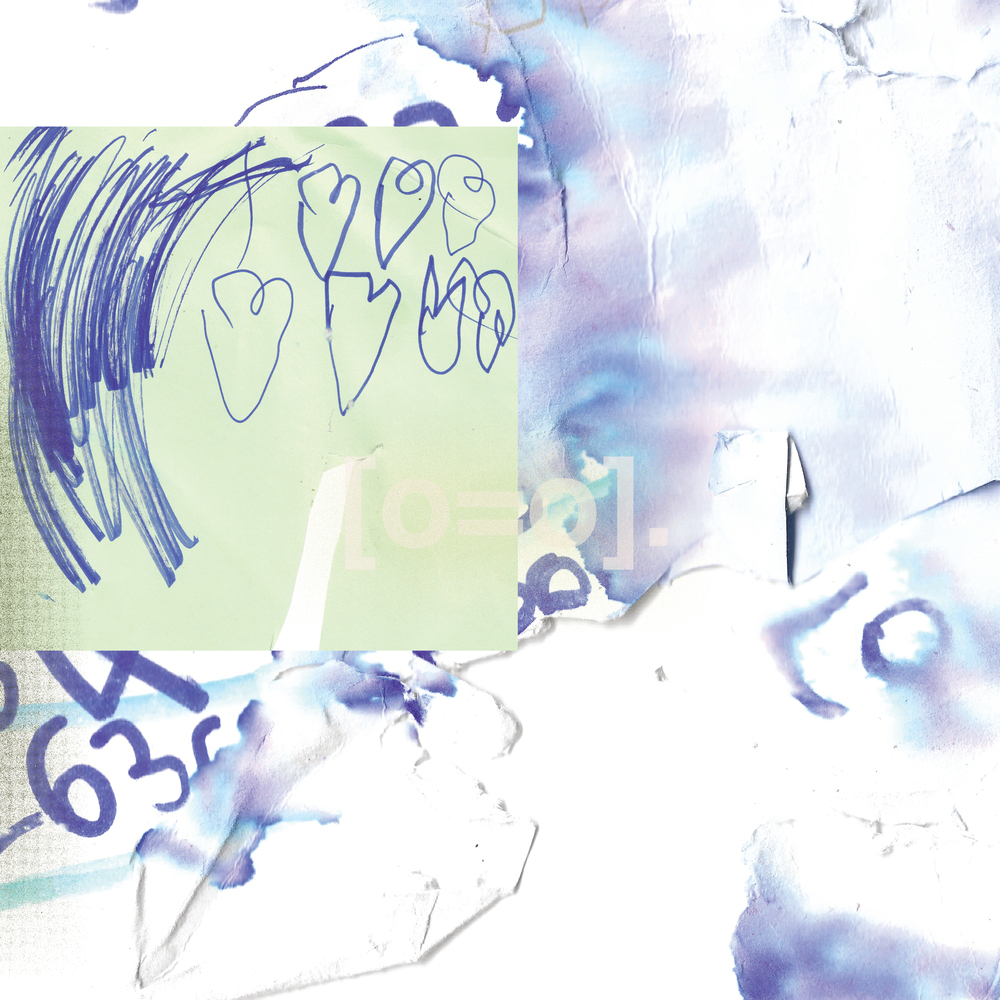
Kinds is the first solo album in eight years from London-based kwes.. It was inspired by an incident with his daughter, who knocked a glass of drink over the drawing she was doing – and in the moment, kwes. – real name Kwes Sey – resolved to “‘release’ life-experience: good, bad and everything in between – to ‘commit it to tape’ as succinctly as possible, without too much deliberation.”

The music is named after colours, following a theme of synaesthesia, and was made with the producer’s children in mind. Given the inspiration behind the project, it seemed only right for them to contribute to the cover art.

What’s the music like?

Immensely restful – and, of course, colourful. Each of the portraits is about three minutes long, and kwes. links them harmonically to their neighbours, creating a cycle that moves gradually but with a sure sense of direction.

There are no beats, and very little in the way of rhythm, so the music hangs suspended like a thick cloud. This provides a great deal of ambience, especially when listening on headphones, as the head lives inside the big canvas that kwes. has created.

The titles are a strong indication for the musical contents; Blue Violet being rich in depth and deeper in register, while the timbre on Brown Green Yellow is a bit scratchy and dry initially, but settles down.

Interestingly Black (Grey) has a glossy tone initially, before quietening, while Yellow Green gives the impression of scorched fields. One of the deepest combinations is Green White, with wide open textures, before the incredibly soothing Orange Blue closes the album, its colours initially rich but dying out as the candle burns low.

Does it all work?

Yes. Synaesthesia is of course wholly dependent on the mind’s eye of the person perceiving it, so not all the colours and music will match for every listener, but the spell of deep meditation remains cast.

Is it recommended?

Yes. With timely precision, kwes. has provided a wholly effective companion for the stressful world we currently live in!

Listen / Buy

Published post no.2,819 – Wednesday 4 March 2026