In concert – Philharmonia Chamber Players – Beethoven: Septet

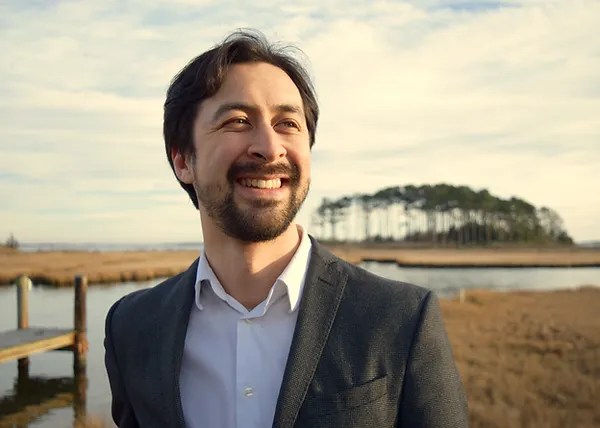
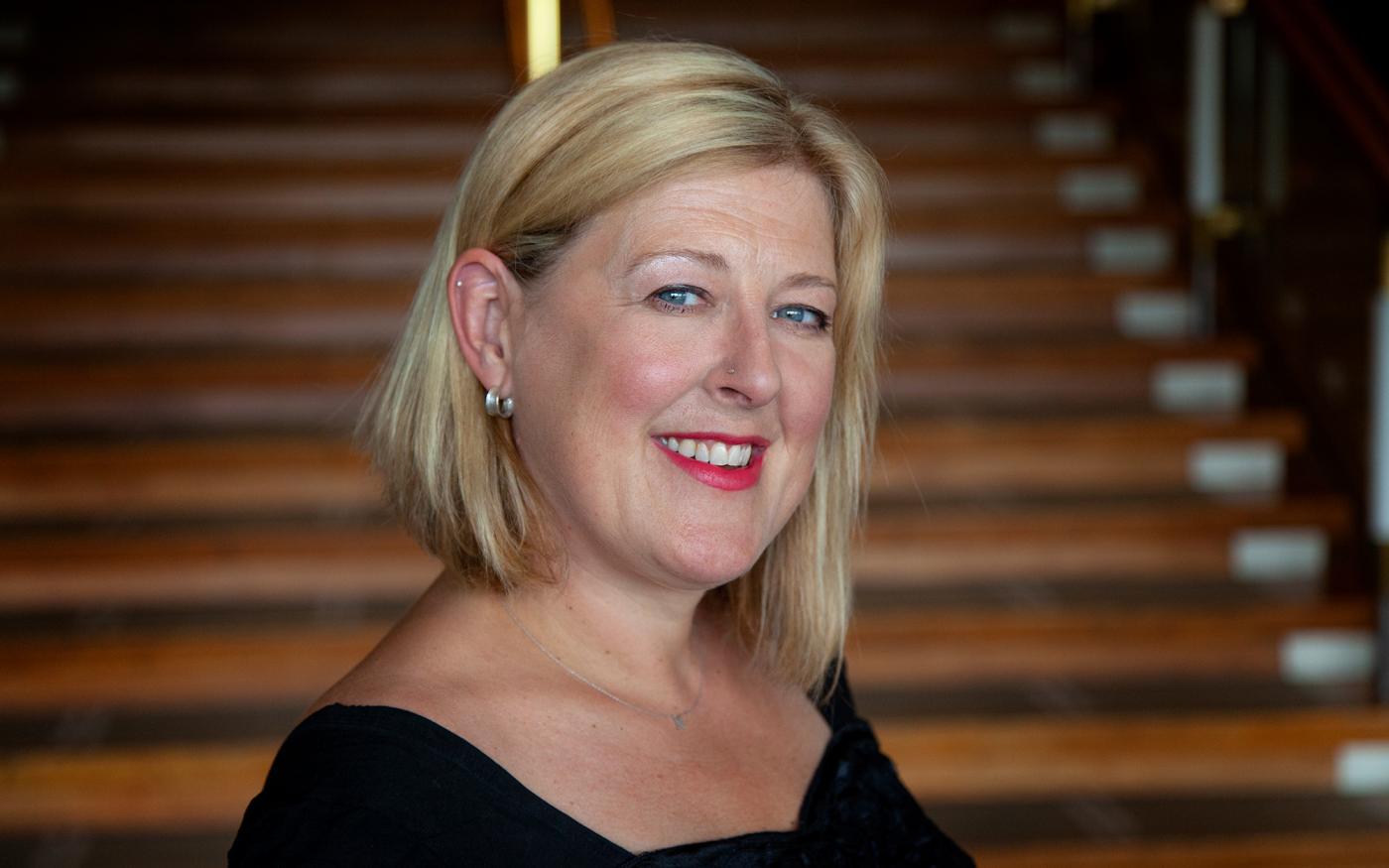
Philharmonia Chamber Players [Maura Marinucci (clarinet), Zsolt-Tihamér Visontay (violin), Scott Dickinson (viola), Alexander Rolton (cello), Owen Nicolaou (double bass), Sarah Pennington (horn), Marceau Lefèvre (bassoon)

Beethoven Septet in E flat major Op.20 (1802)

Royal Festival Hall, London
Thursday 20 March 2025 6pm

Reviewed by Ben Hogwood Picture (c) Marc Gascoigne

Beethoven’s six-movement Septet is, to all intents and purposes, a Serenade for seven instruments. As such it was perfectly timed in this early evening slot, the ideal piece with which to entertain a relaxed and healthily-sized crowd.

Clarinettist Maura Marinucci introduced the work, and her love of the piece was clearly shared by her Philharmonia Orchestra friends as they went about a performance that was by turns vigorous and lyrical.

Beethoven’s scoring was highly original in 1802, and it is easy to see why the piece proved so popular, with its abundance of good tunes and colourful textures. These were evident right from the opening, the bassoon and double bass giving a lovely heft to the lower end of the sound. They supported the winsome tunes, divided largely between Marinucci’s clarinet and the violin of Zsolt-Tihamér Visontay. Marinucci especially enjoyed the soft-hearted second movement, while Visontay had an increasingly virtuosic role to play, sometimes pushing ahead of the tempo in his eagerness but relishing Beethoven’s technical challenges.

The Minuet, with its impudent theme thumbing a nose at the audience, was nicely done, while the theme and variations forming the fourth movement were especially enjoyable, notably the first variation, assigned to the upper string trio, and the mischievous final variation and coda.

Above all this performance was a great deal of fun, the players enjoying sharing the tuneful material with their audience, an approach capped by a quickfire finale and dazzling cadenza from Visontay. Just as affecting, mind, was the hushed chorale from the winds preceding this moment.

Ultimately the music matched the weather, bringing the vitality of early spring to the Royal Festival Hall stage.

For details on the their 2024-25 season, head to the Philharmonia Orchestra website

Published post no.2,480 – Friday 21 March 2025

In concert – Philharmonia Orchestra Music of Today: Messiaen’s Quartet for the End of Time

Mark van de Wiel (clarinet, above), Zsolt-Tihamér Visontay (violin), Karen Stephenson (cello), Tom Poster (piano)

Messiaen Quatuor pour le fin du temps (Quartet for the End of Time) (1941)

Royal Festival Hall, London
Thursday 7 March 2024 (6pm)

Reviewed by Ben Hogwood Pictures (c) Guy Wigmore (Mark van de Wiel, Zsolt-Tihamér Visontay), Marina Vidor (Karen Stephenson), Elena Urioste (Tom Poster)

The Philharmonia Orchestra’s long-running Music of Today series continued with an opportunity to experience Olivier Messiaen’s 1941 masterpiece. Given its first performance in a German prisoner-of-war camp (in what is now Zgorzelec, Poland), the Quatuor pour la fin du tempsQuartet for the End of Time – was very much a product of circumstances.

The composer, in one of his rare forays into chamber music, had just three instruments available to him, plus himself at the piano. He thrived on the restrictions, using the New Testament book of Revelation as his stimulus to create an eight-movement piece that if anything has grown in stature and relevance with every passing year.

Tonight’s venue may have been a great deal more spacious than the cramped conditions of the premiere, but the quartet here lacked nothing in close-up intimacy, the sizeable audience leaning forward in their seats to engage with the music. Initially it was the piano of Tom Poster (below) that provided a strong foundation, his spacious chords catching the chill of the dawn air in Liturgie de cristal as the other three instruments circled with attractive birdsong, the music awakening softly.

The Vocalise, pour l’Ange qui annonce la fin du temps (Vocalise, for the Angel who announces the end of time) provided a firm reality check, though here too its dramatic lines were clear and spacious rather than combative, the players continuing to find an inner serenity through Messiaen’s writing. Violinist Zsolt-Tihamér Visontay and cellist Karen Stephenson thrived on these long melodic phrases, derived from plainchant.

The emotive centre of this performance was undoubtedly the solo for clarinet, Abîme des oiseaux (Abyss of birds), an incredibly moving soliloquy played with exceptional technique by Mark van de Wiel. Some of the notes started with barely audible attack while others were at the outer limits of his volume in a performance of incredible poise and control. Standing while the other musicians sat, he also let the silences between notes speak as loudly as the phrases themselves, so that even the persistent coughing of the audience was rendered into silence.

The delicate Intermède broughout out the dance elements of Messiaen’s writing, before Stephenson (above) and Poster gave a thoughtful, meditative Louange à l’Éternité de Jésus (Praise to the eternity of Jesus), beautifully played and appropriately reverent. This ensured a vivid contrast with the following Danse de la fureur, pour les sept trompettes (Dance of fury, for the seven trumpets), where the four instruments played their angular melodies with commendable precision.

Fouillis d’arcs-en-ciel, pour l’Ange qui annonce la fin du temps (Tangle of rainbows, for the Angel who announces the end of time) found Visontay (below) to the fore in the audio balance, van de Wiel slightly backward in the mix, before Visontay and Poster led us to the end itself with a radiant Louange à l’Immortalité de Jésus (Praise to the immortality of Jesus). This remarkable piece of music continues to carry a strong impact, and as the two instruments strained at the edge of audibility, Visontay reaching the highest pitch, the sense of arrival was all-consuming.

They put the seal on a memorable performance, one of the more emotive ‘rush hour’ concerts you could wish to hear, and one whose impact was felt far beyond that evening’s orchestral concert.

You can listen to a recording of Quatuor pour le fin du temps below, with Mark van de Wiel and Zsolt-Tihamér Visontay joined by cellist Mats Lidström and pianist Min-Jung Kym on the Psalmus label:

Meanwhile you can find more information on further concerts at the Philharmonia website

Published post no.2,111 – Friday 8 March 2024