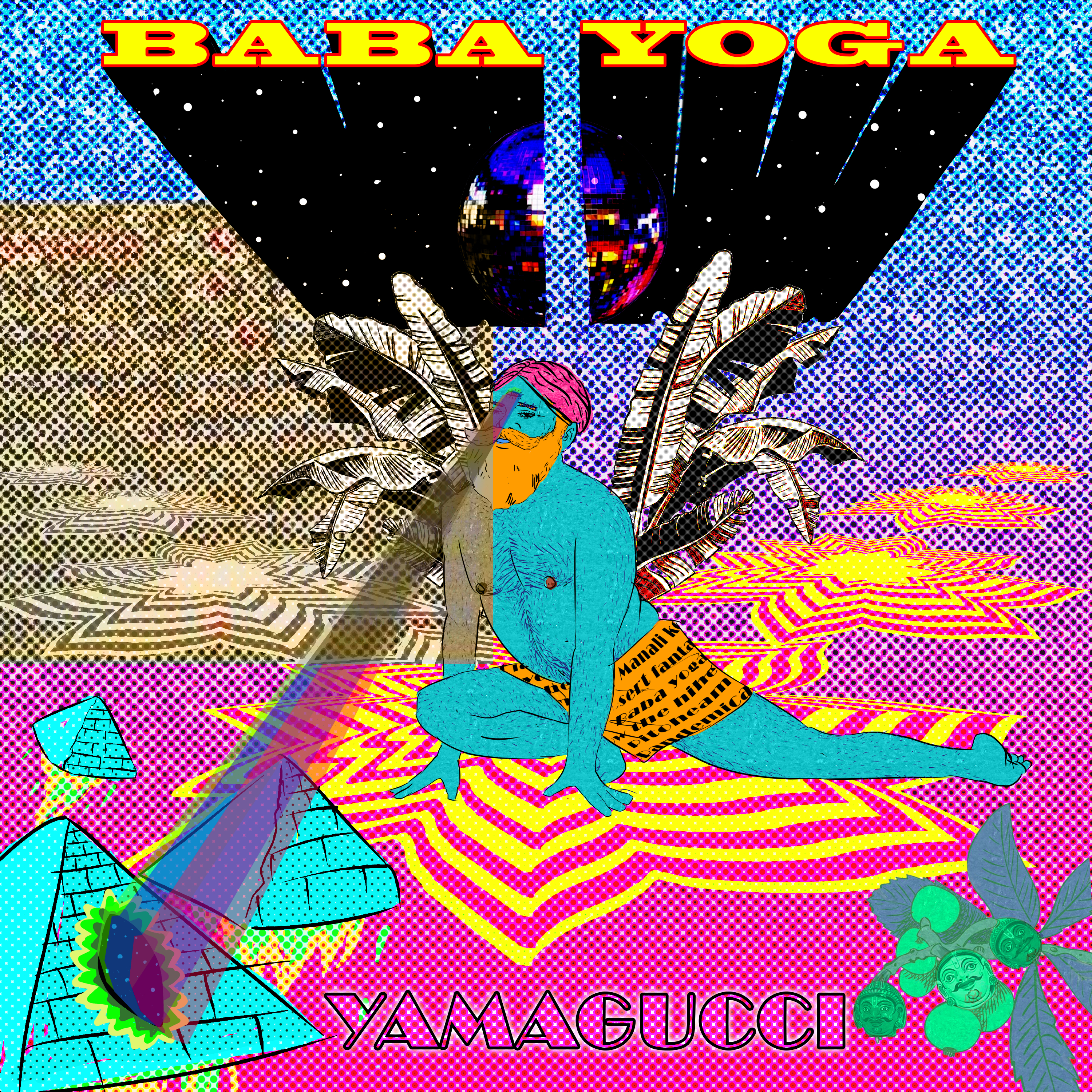
Baba Yoga is the first album from Israeli-Japanese producer Yamagucci, who has been making a name for himself through associations with the Diynamic, Disco Halal and Maccabi House labels. It is on the latter that his new long player is released, though given the circumstances around which it was made it is something of a miracle that it was completed at all.
Yamagucci began work on the album in Tel Aviv in 2020, but sustained severe injuries in a bike accident that meant he had to move back to his parents, all during the pandemic. Music and yoga were his coping mechanisms (hence the inspired album title!), and soon both were channelled into a creative vision, which Yamagucci calls ‘a recovery process for my body and soul’.
What’s the music like?
Omer Relex, the first track, is a sultry blend of soothing vocals, very deep beats and warm textures, within which fragments of melody operate. The mood is laid back but the beats bring energy too, establishing a springboard from which Manali Kofta benefits, Yamagucci upping the funk quotient. Adam Ten guests on his own label as part of Desert Fantasy, an atmospheric cut,
Pandemic whips up more energy, as though getting rid of a build up of angst with some noticeably quicker and more energetic beats. By contrast, Jim Jim, with Dor Danino, is stripped back, a disco-house beat given minimal scraps of bass and clips of noise but still creating a heat-soaked atmosphere nonetheless.
On occasion a smoky, dusty feel makes its way into the productions. Make Revolution, with its twisted robotic vocal, is a gritty example, blending deep house with more urban persuasions in a way similar to Lil Louis. Loco has a similar profile, with chunkier beats, while Follow The Hihat, with the vocals of Millero, goes lower still, playing with perspective rather effectively.
Does it all work?
Pretty much. The beats may be of the solid four-to-the-floor variety, but Yamagucci is always at work within, creating interesting cross-rhythms and collections of mini hooks.
Is it recommended?
It is – a strong 8-track collection that hangs together really well and creates evocative pictures. The darker the club and the warmer the climate, the more suited they are for Yamagucci’s productions. Recommended especially for deep house heads.
Listen
Buy
You can hear clips from the album and purchase from the Traxsource website
BBC Proms at Birmingham – Claire Barnett-Jones (mezzo-soprano), Simon Lepper (piano)
Horovitz Lady Macbeth – a scena (1970) [Proms premiere] Smyth Fünf Lieder, Op. 4 (c1877) [Proms premiere] Clarke The Seal Man (1921-2) [Proms premiere] Vaughan Williams Four Last Songs (1954-8) [Proms premiere of original version] Wallen Lady Super Spy Adventurer (2022) [BBC commission: World premiere]
Bradshaw Hall, Royal Birmingham Conservatoire
Monday 29 August 2022, 1pm
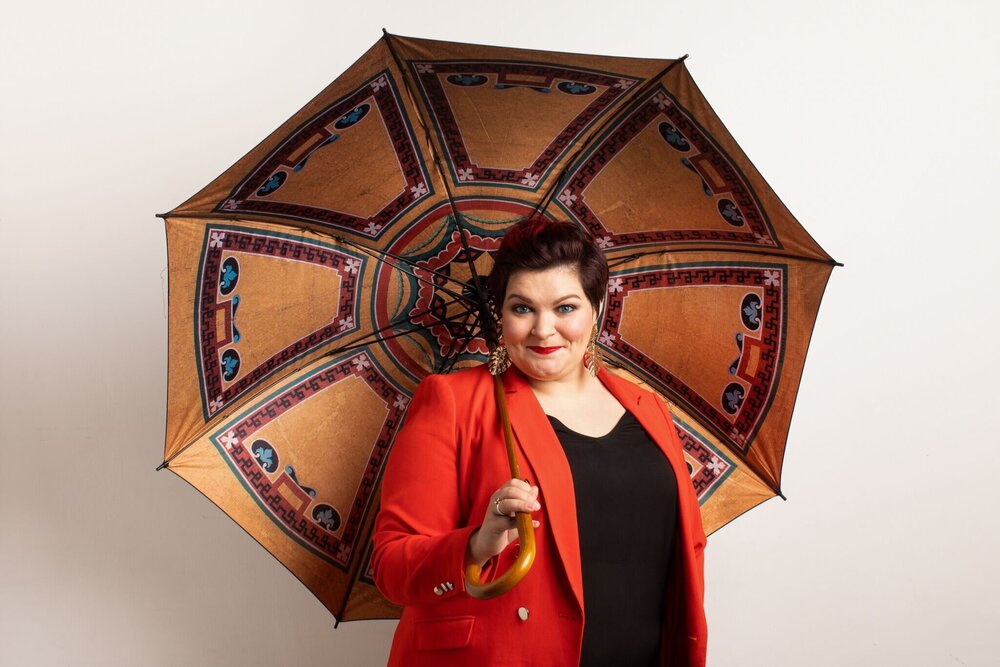
Reviewed by Richard Whitehouse Photo (Claire Barnett-Jones) (c) Benjamin Ealovega
The series of regional lunchtime Proms this afternoon reached Birmingham for a song recital by Claire Barnett-Jones, whose success at last year’s Cardiff Singer of the World and having studied at Royal Birmingham Conservatoire made her appearance doubly apposite. Equally so the initial item by Joseph Horovitz, after his death in February at 96. Lady Macbeth – a scena revealed his more serious side – with monologues from the first, second and fifth acts of ‘The Scottish Play’ charting the anti-heroine’s journey from aspiration via ambition to desperation.
The music of Ethel Smyth has been a recurrent feature this season – the present set of Lieder a reminder that, before she achieved fame with The Wreckers and notoriety as a suffragette, she had received a thoroughly Teutonic musical education in Leipzig. Fluent and idiomatic, these five settings are fluent and idiomatic: the enervation of Büchner’s Tanzlied followed by the wistfulness of Wildenbruch’s Schlummerlied and eloquence of Eichendorff’s Mittagsrum, then the assertiveness of Groth’s Nachtreiter and transcendence of Heyse’s Nachtgedanken.
Barnett-James rendered them with sensitivity and insight, with Simon Lepper (above) no less attuned to those most often intricate accompaniments. Qualities equally evident in Rebecca Clarke’s luminous setting of Masefield’s evocative if rather prolix The Seal Man as well as Four Last Songs that Vaughan Williams set to texts by his second wife, the poet Ursula Wood. From the fatalism of The Death of Procris, via the acceptance of Tired and the poise of Hands, Eyes and Heart, to the fulfilment of Menelaus – these are songs which speak of a life well-lived.
A very different take on the journey from innocence to experience is proffered by Lady Super Spy Adventurer, written by Errollyn Wallen for this recital and which might be described as a ‘concert aria’ in that its highly visual – and often visceral – rendering of the composer’s own text is balanced by a sure formal sense as to where these deceptively superficial observations are headed. Barnett-James despatched them with suitable aplomb such that Wallen, listening from home, must have been well satisfied.
Vaughan Williams’ Silent Noon, the second song from his cycle of Rossetti poems House of Life, made for an affecting encore.
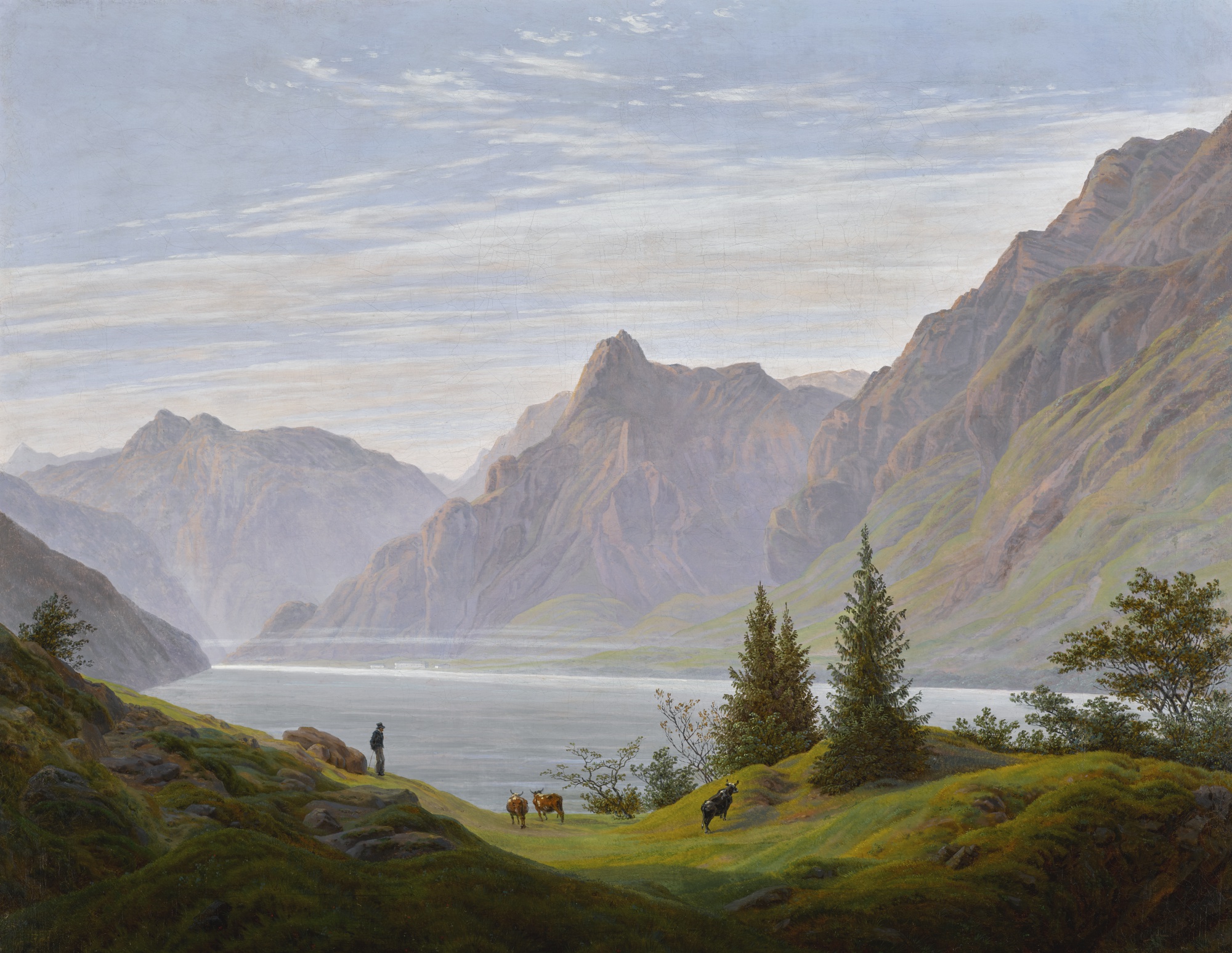
Landscape With Mountain Lake, Morning by Caspar David Friedrich (1823-35)
Piano Sonata no.21 in C major Op.53 ‘Waldstein’ for piano (1804, Beethoven aged 33)
1 Allegro molto 2 Introduzione – Adagio molto – 3 Rondo: Allegretto moderato
Dedication Count Ferdinand Waldstein Duration 25′
Listen
written by Ben Hogwood
Background and Critical Reception
Beethoven’s next piano sonata was dedicated to the man who could claim to have had the greatest impact on his success as a composer – Count Ferdinand Waldstein of Bonn. What the Count made of this dedication we do not know, for he was fighting abroad at the time, but Beethoven had dedicated a remarkable new work in his favour.
It was written for a new piano – an Érard of French origin, with four pedals and an extended range. Jan Swafford gives a compelling account of how Beethoven wrote for this new instrument, ‘its action heavier and its sound bigger than the Viennese pianos he was used to.’ There were new colours to explore, and pedal effects with which to experiment, and Beethoven wasted no time, using the piano as ‘the vehicle of a heroic journey that ends in overflowing exaltation’. In this sense, the Waldstein Sonata was similar in thought to the recently premiered Eroica symphony.
The sonata, however, is a very different animal. Charles Rosen talks of ‘a characteristic sound, not only unlike the music of other composers, but unlike any other work of Beethoven, an energetic hardness, dissonant and yet curiously plain, expressive without richness.’ For Lewis Lockwood, ‘this sonata could never have been played by merely competent amateurs in Beethoven’s time. With its arrival the technical level of the piano sonata was elevated to that of the concerto.’ He equates it to Beethoven’s accomplishment for the violin in the Kreutzer sonata.
In an interview with Arcana, Angela Hewitt recognised its difficulties. “I don’t think it’s his greatest sonata but it is a wonderful performance piece when you can bring it off. If you look at every detail in it then it and want to play it well it is very difficult.”
The first movement draws attention for what Swafford terms its ‘surging and singularly pianistic dynamism’. The second movement was initially going to be a substantial Andante, but failed its initial audition with friends, who declared it too long. After a fit of pique, Beethoven reluctantly agreed and removed it, publishing it separately as the standalone Andante favori. Replacing it was a short transitional movement in the same key, a ‘short stretch of reverie and anticipation’.
The anticipation is lets loose by the finale, ‘one of the most ecstatic of all movement for piano’ in Swafford’s eyes, ‘like a gust of wind that shocks the listener into a sense of the joyous effervescence of life’. For him, the Waldstein is ‘a feat of disciplined craftsmanship that would have been practically unimaginable if he had not done it’. Here is a defining demonstration of what musical composition is about.’
Thoughts
I’m going to disagree with Angela Hewitt and declare the Waldstein as the finest sonata in Beethoven’s output thus far, in a crowded field. Even listening to it now, some 218 years after composition, its first movement has the power to make the listener sit up and take notice of its unusual writing.
For few works for piano are as immediately propulsive, and to be writing that now gives an idea of just how forward-looking this piece must have sounded to its first audience in 1804. The first movement bubbles with energy, establishing C major as the home key but with a restless gait and an unstoppable drive. Contrast that with the still second theme, a glimpse of pure light before the quickfire figures return.
The second movement Adagio is indeed a magical transition, but the finale into which it leads is brilliantly judged, ghosting in with a graceful, singing melody, the piano now sounding more orchestral in its wide range of colours and figures. Soon the energy levels of the first movement are met and surpassed, the deceptively simple melody keeping the ship on course while the torrent of water surrounds it from the other hands.
Everything here is done with a firm assurance, the composer fully confident in his processes and results. As a result the Waldstein is Beethoven’s most assured and confident pieces yet – impeccably structured, brilliantly written for the developing piano and full of challenges, not to mention thrills and spills for the audience.
Recordings used and Spotify links
Emil Gilels (Deutsche Grammophon) Alfred Brendel (Philips) András Schiff (ECM) Angela Hewitt (Hyperion) Paul Badura-Skoda (Arcana) Stephen Kovacevich (EMI) Igor Levit (Sony Classical) Claudio Arrau (Philips) Daniel Barenboim (Deutsche Grammophon)
Emil Gilels gives a peerless account for DG, one of his very finest piano recordings. In a crowded field his is arguably the leading version, though the others listed above are hardly slouches!
You can hear clips of Angela Hewitt’s recording at the Hyperion website
You can chart the Arcana Beethoven playlist as it grows, with one recommended version of each piece we listen to. Catch up here!
Also written in 1804 RiesPiano Sonata in A minor Op.1/2
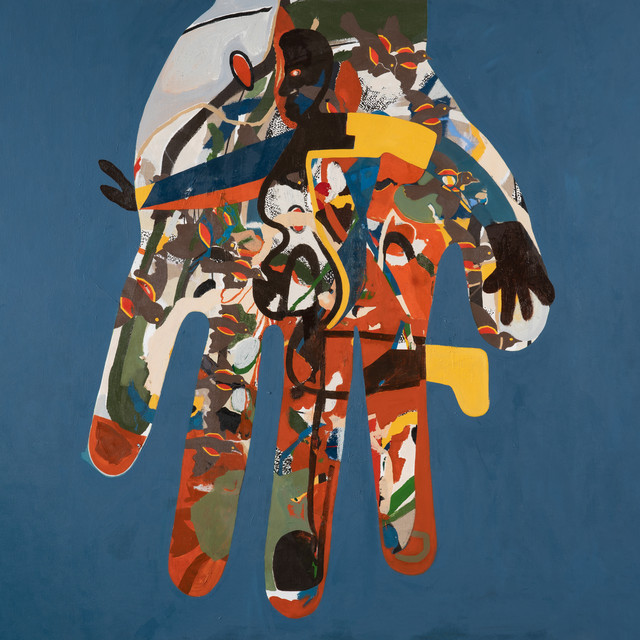
When Hot Chip reassembled after the enforced lockdowns of the Coronavirus pandemic, they found a rich vein of creativity. Much of the inspiration for this came from their live cover of Beastie Boys’ Sabotage, a setlist favourite that explores the idea of being out of control in dance music.
With guitarist Al Doyle putting together a new studio in East London for the band to use, they set about losing control together and making their next album. The idea of losing control, however, extends to human emotions and specifically those that were on the edge in those dark years. That means while some of the music on this album is slower, its lyrical content and resolve is deeper too.
What’s the music like?
Multilayered. Hot Chip are masters at making pop music that works brilliantly on its own terms out front, but which has a number of different messages when you delve deeper into it.
Freakout/Release is no exception, addressing issues such as confidence within ageing, the changing habits of consumption in music and emotional fragility.
The album struts confidently onto the floor with Down, immediately showing the double meaning potential, but giving a tonic to the album which is immediately reinforced with the warm-hearted Eleanor. By this point the music has a feel reminiscent of a returning old friend, but soon the tone changes.
The title track has much more anguish about it, and a darker tone. “Music used to be a love, now people leave it or take it” is the pointed observation. The clever wordplay on Hard To Be Funky, featuring Lou Hayter, reveals a vulnerable centre. “Ain’t it hard to be funky, when you’re not feeling sexy?”, go the words, then immediately, “And it’s hard to feel sexy when you’re not very funky”.
Not Alone draws on the band’s softer side, a warm blanket of a song. “Anxiety can only kill a man if he always turns away the helping hand”, sings Alexis Taylor, “I still long for your voice”. After this the album takes an assured, soulful voice towards the finish. A particular highlight is The Evil That Men Do, where Cadence Weapon offers a great complement to Taylor’s vocal.
Does it all work?
Yes, it does – bringing the realisation that Hot Chip always secure more emotional depth than your average ‘dance’ album. The band knit together beautifully, with warm soulful flourishes making this a safe place to explore emotions, fears and – ultimately – togetherness.
Is it recommended?
Unhesitatingly. It’s great to have Hot Chip back, and with every album they become a more complete outfit, both musically and lyrically. The dancefloor is still the centre of their attention, but the recognition and ultimate acceptance of the problems life can bring around it is beautifully realised.
Beach The Fair Hills of Éire Op.91 (1922) Esposito Two Irish Melodies Op.39 (1883) Field Go to the Devil and Shake Yourself (1798) Hammond Miniatures and Modulations (2011) – No. 5, Old Truagh; No. 21, The Beardless Boy Hennessy Variations sur un air Irlandais ancien Op.28 (1908) Hough Londonderry Air (2014) Martin Sionna – Spirit of the Shannon (2018) Moeran Irish Love Song (1926); The White Mountain (1929) Smith Paraphrase on ‘The Last Rose of Summer’ Op.173 (1883) Stanford arr. Grainger Four Irish Dances Op.89 (1916) – no.1: Maguire’s Kick; no.4: A Reel
Heritage Records HTGCD152 [62’39”]
Producer / Engineer David Marshalsea
Recorded 9 & 11 April 2022 at Elgar Concert Hall, The Bramall, University of Birmingham
Reviewed by Richard Whitehouse
What’s the story?
The enterprising Heritage label continues its association with David Quigley in this recital of Irish piano works as cover over two centuries, reminding listeners of the wealth of folk or traditional music from that island and its influence on successive generations of composers.
What’s the music like?
Published as Favorite (sic) Irish Dance Arranged as a Rondo for the Piano Forte, the first item is not unreasonably attributed to the teenage John Field and make for a breezy recital-opener – following which, pianist Stephen Hough demonstrated his prowess as an arranger with what is surely the most famous of all Irish melodies. Two pieces by the Italian émigré Michele Esposito – the trenchant Avenging and Bright, followed by the pensive Though the Last Glimpse of Erin – complement each other ideally, whereas the first from a set of dances by Charles Villers Stanford exudes bracing humour most likely accentuated in this idiomatic arrangement by no less than Percy Grainger. By some distance the longest piece here is from Swan Hennessy, an Irish/American later resident in France – his 12 variationson an (unidentified) theme in the lineage of various such works from the 19th century but diverting in its ingenuity. Best known as an inquiring pianist, Philip Martin the composer is represented by this evocative set of ‘rhapsodic variations’ written for the present artist.
Sidney Smith’s Paraphrase de concert on another Irish staple is the most virtuosic music and would make a dashing encore even today. Philip Hammond is the other contemporary composer featured – the present brace, part of a sequence of 21 drawn from the Edward Bunting collection and likewise written for Quigley, respectively searching and animated in their emotional profile. From among her many mood-pieces, that by Amy Beach yields a limpid poetry that more than deserves to provide the title for this collection overall. An English composer with direct Irish ancestry, Ernest Moeran’s predilection for all-things Celtic is made plain by the two pieces heard here, their recourse to traditional melodies enhanced by an idiomatic pianism which adds greatly to the winsomeness of their appeal. Back, finally, to those Stanford/Grainger dances with the fourth from this set a reminder that the former, whatever his formidable reputation as a pedagogue, was never averse to indulging his Irish roots in the writing of music as scintillating as it remains appealing.
Does it all work?
Admirably. Quigley is as committed to the music of his homeland as have been numerous of his predecessors, not only with performing these pieces in recital but also by finding ways of integrating them into a cohesive overall programme. Only one achieves (just) the 10-minute mark and another is almost eight minutes, making them ideal for combining into a judicious sequence – one which, at little more than an hour’s length, can be enjoyed at a single hearing. Quigley will hopefully have the chance to mine the ‘Irish piano-book’ further in due course.
Is it recommended?
Indeed. Quigley is a perceptive exponent of this repertoire, his Kawai Shigeru SK-EX heard to advantage in the spacious yet detailed acoustic of the Elgar Concert Hall. With succinctly informative notes from Andrew H. King, this recital warrants the warmest recommendation.
For further information on this release, and to purchase, visit the Heritage Recordswebsite, and for more on David Quigley click here



 Arcana.fm