Talking Heads – Alison Balsom

interview by Ben Hogwood

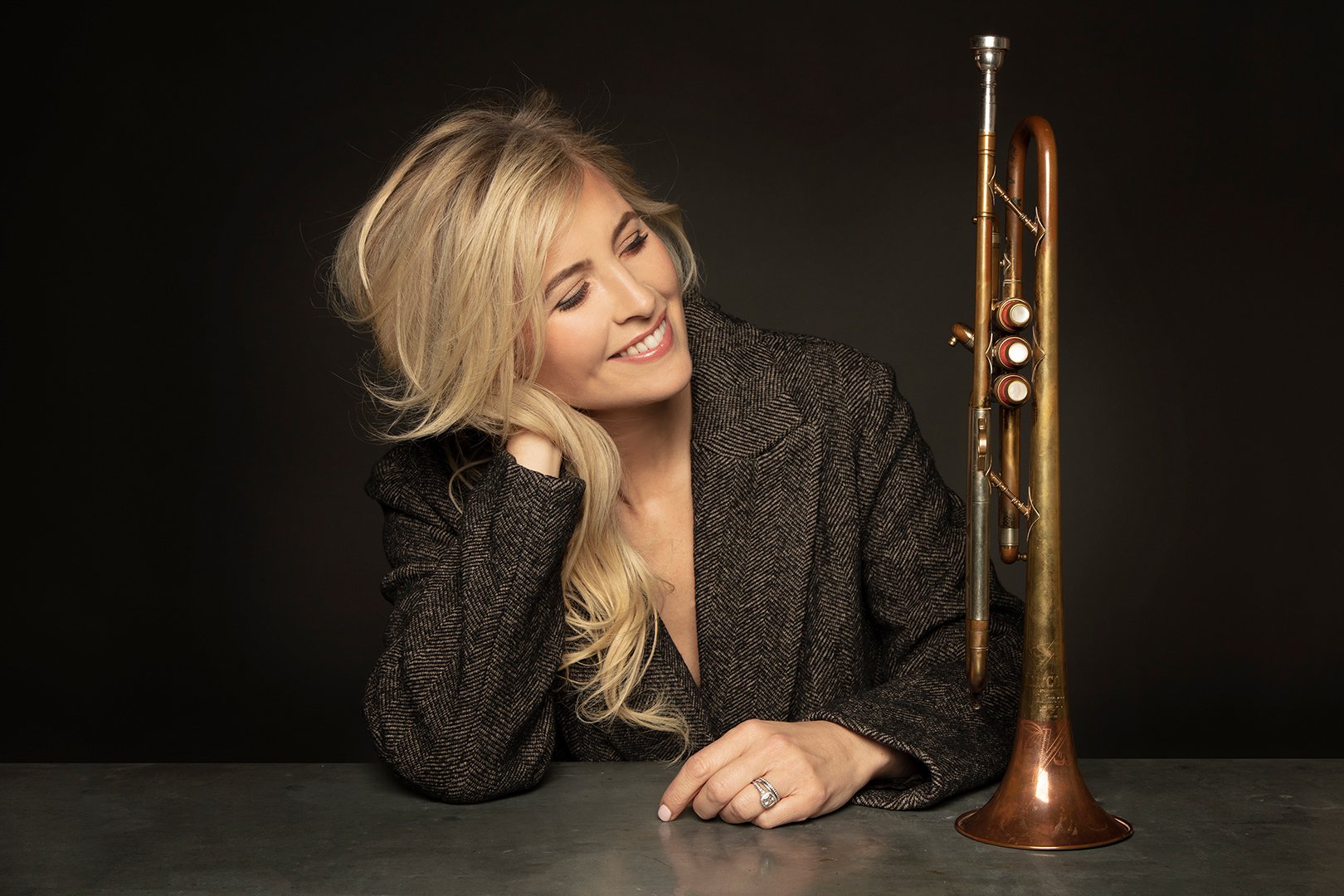
We still think of Alison Balsom as a new artist, a breath of fresh air for the trumpet in and around classical music. Yet all of a sudden it is nearly 25 years since she burst onto the scene, winning the Brass Final of the BBC’s Young Musician competition in 1998. Since then her recording career has yielded no fewer than 15 albums, for EMI Classics and latterly Warner Classics.

Quiet City will be her 16th – and in many ways it is her most personal album yet, as Arcana found when we sat down for a chat with the trumpeter. Balsom has poured herself a cup of tea, and the chat is punctuated with comfortable silences as she sips tea and I write. An extremely affable presence, she clearly has as much enthusiasm for the music now as she did in 1998, if not more.

Quiet City, as you may have guessed, is named after the Copland composition for trumpet, cor anglais and string orchestra of 1939. A forward-looking piece, it became a popular pick for online concerts during lockdown, its scoring favouring smaller orchestras and its mood wholly redolent of the times. It has held a very significant place in Balsom’s life, too. “I didn’t know I was going to make an album like this”, she confesses. “Quiet City is one of the very first pieces that I fell in love with to a deeper level when playing the trumpet. Copland understands the trumpet’s qualities, the melancholy aspects of the instrument and how it could sing. It is a relatively short work, so it was interesting to think about what it should be programmed with. I don’t think of myself as a jazz trumpeter, yet there is a really interesting point where in America composers were writing ‘in the gap’, letting themselves experiment. It didn’t matter that it was classical or jazz, they were taking from both realms. I found that this made a coherent journey, and found the nuggets growing to album ideas.”

She recognises the relevance of Quiet City to the pandemic. “Copland was a visionary with what we needed.  We made this recording in November 2021, when we were just coming out of lockdown. We all had an intense feeling of gratitude to be able to play this music live with a feeling of stillness in the concert hall, a voice that said, “Aren’t we lucky to be here?!” It is such a powerful vision, evoking the atmosphere from the first section, looking between building in New York like an Edward Hopper painting. Even working with a piano reduction I was in a melancholy mood. With this music I think of a film like Lost In Translation, and of two people with a luxury life, going to very different places. There is an isolated melancholy but beauty too, like a friend. As a piece, though, it is technically and physically challenging to play.”

She elaborates further. “Sustaining the notes can be a physical struggle, but you need command of the sound, the articulated notes – and you somehow need to make them tentative and nervous. You want to convey someone practising in an apartment block or something, being wonderfully balanced with the cor anglais and communicating with your audience or listeners.”

The cor anglais part on this recording is taken by Nicholas Daniel, who Balsom professes undying admiration for. “He is such a great musician, and has such a strong feeling about that piece. It was inspiring working with him and getting his insight and thoughts. It was incredible working with the Britten Sinfonia as well, they have great integrity and are always minded for collaboration. I worked with them in 2017, when we did the Barbican’s Sound Unbound festival. We did Miles Davis and Gil EvansSketches Of Spain, using transcriptions from the original studio recordings. I didn’t realise about the manuscripts, and there was a trumpet part revealed to me. He knew exactly what he wanted! I felt privileged to hear the players as at home playing jazz as they do classical.”

Also featured in the Sound Unbound concert was Gershwin’s Rhapsody In Blue, which appears on Balsom’s album in a very different guise – tastefully rejigged to bring the trumpet forward as a second soloist, alongside childhood friend Tom Poster on the piano. “I had a different hat on for this one!” she confesses. “I respect Tom so much, I think he’s the greatest pianist to play with. We met when I was ten, so we know each other really well. With the arrangement I phoned him up and suggested it, and he thought it was nuts but a good idea. We found that Rhapsody in Blue was out of copyright, but not in the Grofé arrangement. This made the job an enormous one for Simon Wright, who orchestrated it from scratch.  Any coincidences in the new version are Simon coming to the same conclusion as Grofé, and I think it is an amazing achievement. The piano part didn’t have to be set in stone, which gave Tom the opportunity to express himself even more. We did a concert in Norwich, when everything was closed, and we only had to get it right once to get it in the can.”

She may be 15 albums in, but Alison is keenly aware of how much the format has changed in that time, and how consumption habits are so different with streaming. “The greatest challenge has been finding my muse, making something that the world might want to hear”, she says, “and yet there is an amazing opportunity to pioneer. We put Quiet City with some things that we’re OK with, and some things that are more challenging, such as the Charles Ives piece The Unanswered Question, which I love, but Warner let me go for it. It’s a lucky situation to be in.”

Asking Balsom to cast her thoughts back, I ask who has been an influence on her career to date? “In terms of my teachers, I would say John Miller – an amazing teacher and trumpet guru. With him we focussed on sound, as the trumpet is all about the production of technique. I would compare him to Mr. Miyagi from Karate Kid, he wouldn’t let me do the cool stuff but I’m so glad he did that! I then went on to work with Håkan Hardenberger, who taught me how to teach myself. Physically the trumpet is so challenging, but that’s not how you master it. Getting to Grade 8 is just the start! It has this incredible, multifaceted personality, it reflects who you are. We play our personalities through our instruments!”

Balsom’s husband, film director Sam Mendes, had a small hand in the album’s running order. “He suggested the use of Leonard Bernstein‘s Lonely Town”, she says, and was a good soundboard for how the album was fitting together.” Has she returned the compliment on any of his film scoring? “I have made a few suggestions!” – she smiles – “and of course he has got to know a lot of trumpet repertoire through me.”

She recognises a change of focus in the musical landscape since the pandemic, with much more emphasis on recorded music. In spite of that there are a couple of concerts planned for the rest of the year. “There was the launch concert at Snape, with full bells and whistles, which is quite a complicated affair but the only live version of the album we will be doing. After that it gets quite random, but on October I’ll be doing a recital with Anna Lapwood, the organist, and a lighting designer, at a school in Tonbridge. It’s going to be an immersive trumpet and organ recital. We know the music is amazing but how can we present it and immerse people in the music? I’m really looking forward to doing that, she’s a real force for good! I wanted an amazing acoustic and organ, and there will be a few new pieces for that one.”

Plans are afoot for a seventeenth album, too. “I have had a good chat with Trevor Pinnock about my next project. Over the pandemic we had to re-evaluate travelling and what we have a desire to do – and there are some exciting plans on the horizon!”

You can discover more on Alison Balsom by visiting her website – and you can hear more of Quiet City and purchase the album on the Presto website. Meanwhile for more information on her recital with Anna Lapwood, and to buy tickets, go to the Tonbridge Music Club website

BBC Proms #49 – Louise Alder, Dame Sarah Connolly, CBSO Chorus, London Symphony Chorus, London Symphony Orchestra / Sir Simon Rattle – Mahler ‘Resurrection’ Symphony

Prom 49 – Louise Alder, Dame Sarah Connolly, CBSO Chorus, London Symphony Chorus, London Symphony Orchestra / Sir Simon Rattle

Birtwistle Donum Simoni MMXVIII (2018)
Mahler Symphony no.2 in C minor ‘Resurrection’ (1888-1894)

Royal Albert Hall, London
Wednesday 24 August 2022

Reviewed by Ben Hogwood Photos (c) Chris Christodoulou

“A symphony must be like the world. It must contain everything.”

The words of Gustav Mahler were never more appropriate than in the context of this exceptional BBC Proms concert, as Sir Simon Rattle and assembled forces from London and Birmingham threw body and soul into a spectacular performance of the composer’s Symphony no.2.

This, Mahler’s ‘Resurrection’ symphony, puts its listener through the emotional wringer on a journey inhabiting life and death itself. The work has become a calling card for Rattle, too – he marked the opening of Birmingham’s Symphony Hall with a memorable performance in 1991, and took his leave of the CBSO with the same piece. Here, as he prepares to step down as Music Director of the London Symphony Orchestra, he was marking the turning of a page through a move to pastures new in Bavaria, where he will become Chief Conductor of the Symphonieorchester des Bayerischen Rundfunks and the Bavarian Radio Chorus.

The pastures were a standout feature of this performance – but we began in turmoil, the huge first movement funeral march rumbling into gear with lines hewn from granite in the lower strings. Rattle pushes this movement forward much more than he once did, keeping a firm hand on the tiller, but with immediate and full immersion in Mahler’s thoughts. As the first movement took shape the horrors of death revealed themselves – along with hopes of sunnier climes through some beautifully shaded rustic scenes. Yet the chill winds kept returning, ultimately sweeping these away as the movement closed in their bleak acceptance.

Many accounts of the ‘Resurrection’ lose their focus at this point, but not this one. Instead we had a balletic triple time Ländler, danced with grace as the feather-light strings had their charming way. The main theme swelled like a newly budding flower, and although ghoulish reminders of the first movement persisted, this was the abiding impression. As Rattle pressed on without a break, however, the reveries were abruptly quashed by the hammer and tongs of the third movement Scherzo. Here the music twisted and turned sharply, the LSO responding to its conductor with peerless virtuosity in music of fire and brimstone. Percussion, wind and brass were superb.

Then, as the music teetered on the point of collapse, it was time to be borne away with the consoling tones of Dame Sarah Connolly (above, right). A consummate Mahlerian, she sang with compelling strength and grace, a powerful stage presence in league with Rattle, who presided over accompaniment of the greatest clarity. Connolly’s Urlicht was beautifully judged, taking us ever nearer to the wondrous entry of the choir.

Now time stood still. The audience, especially in the arena, were rooted to the spot at the massed choirs of the CBSO Chorus and London Symphony Chorus, singing as one in magically hushed tones. As the finale took shape it was by turns earth-moving and tender. Scenes flashed before the eyes, and an especially vivid episode from brass and percussion in the gallery observed a village-band intimacy. Here the Royal Albert Hall was utilised to its full potential, managing the wide scope of Mahler’s vision to perfection.

At the centre of this apocalyptic finale, percussion depicted the rising of the dead and the release of their chains, Rattle intentionally dragging his feet here to heighten the seismic impact. And then we were free, the resurrection itself met with blazing colours all around as the choirs sang Friedrich Klopstock’s text ‘Aufersteh’n, ja aufersteh’n wirst di’ (‘Rise again, yea rise again, shalt thou’) as though their lives depended on it. Was it fanciful to suggest three years’ worth of pent-up emotion being released at this point? Probably not, when you consider the day-to-day roles of the choral singers themselves – carers, key workers, parents and children alike – with all finding the time and the need to bring us this music of the utmost quality.

Great credit should go to chorus director Simon Halsey for securing such discipline and humanity in the texts, and to soprano Louise Alder (both above with Dame Sarah Connolly and Sir Simon Rattle). Alder sang above the masses with perfectly judged dynamics and phrasing, like Connolly fully aware of the scope of her role. Organist Richard Gowers added the icing on the cake, underpinning the throng with ideally judged balance.

This was a performance to talk about for years to come, a throwing-open of the doors to proclaim that music can – really – triumph over pretty much anything, the ‘Resurrection’ symphony, clearing everything in its path.

As an upbeat to the symphony we heard a short gift to Rattle from Sir Harrison Birtwistle, to whose memory the Prom was dedicated.  Donum Simoni MMXVIII was typical of its composer, a spiky and even snarky postcard firing out missives from the (superb) percussion section against barbed comments from wind and brass. Lasting barely four minutes, it served its function well – but for tonight, as Mahler would have wished, the symphony was everything.

You can listen to Sir Simon Rattle’s recording of Mahler’s ‘Resurrection’ symphony on Spotify below, where the CBSO Chorus and Symphony Orchestra are joined by soloists Arleen Auger and Dame Janet Baker:

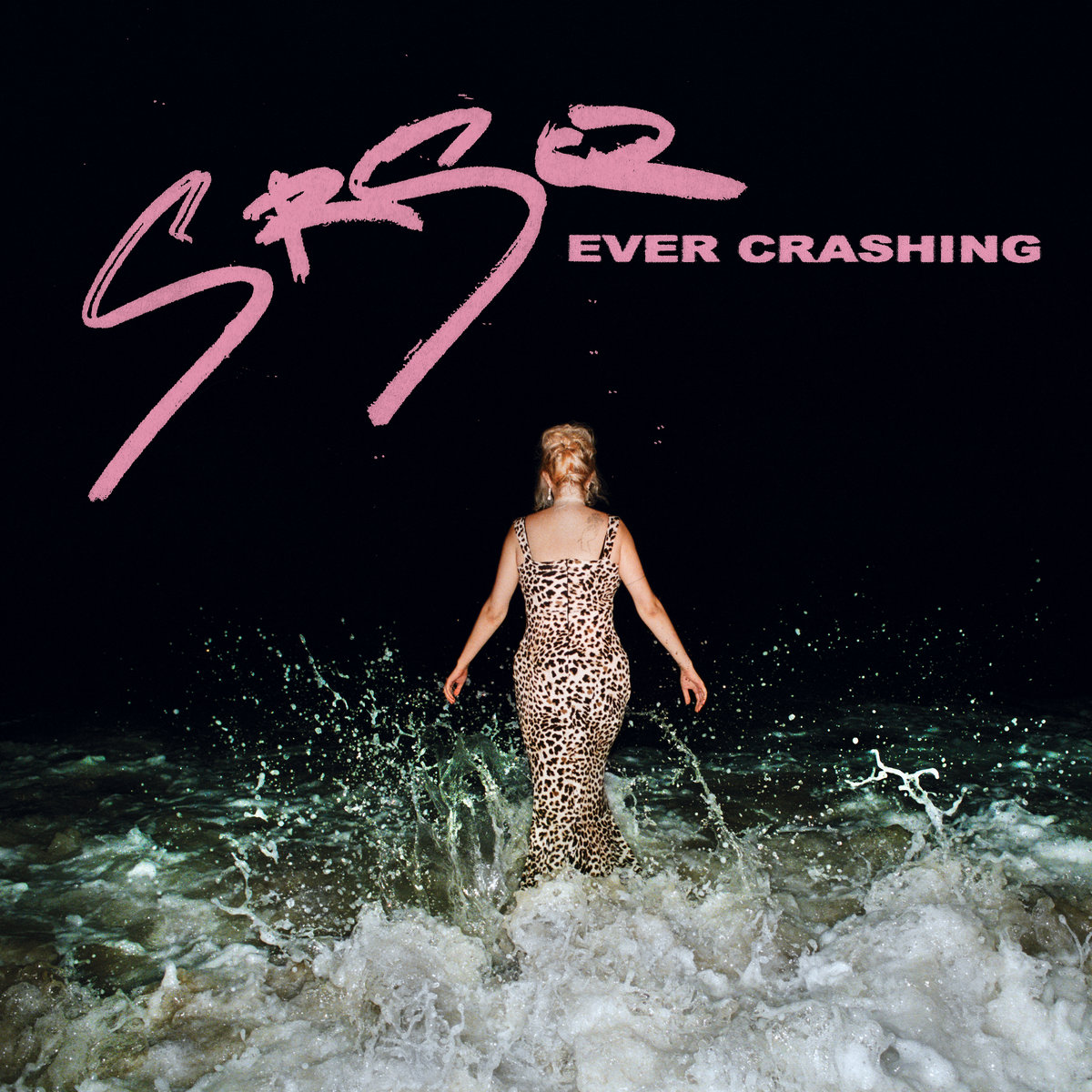
On Record – SRSQ: Ever Crashing (Dais)

by Ben Hogwood

What’s the story?

This is the second album from singer-songwriter Kennedy Ashlyn, who goes by the artistic name of SRSQ (pronounced ‘seer-skew’).

It was three years in the making, though when you get a hint of Ashlyn’s story the importance of this record falls into place. Her debut album, after all, was a response to the tragic death of her one time bandmate Cath Askew in Oakland – and Ever Crashing was an expression at the news of her diagnosis with ADHD and bipolar disorder. Music became a necessity, the primary means of expression.

The Ever Crashing title is pertinent, to quote from the press release documenting ‘Ashlyn’s recurring sensation of being trapped in the crest of a wave, turned and churned in the surf, mirroring the cycles of self-flagellation and surrender that she battles being bipolar’.

What’s the music like?

Even without the backstory in mind, Ever Crashing is a powerful experience. Ashlyn’s voice is the primary reason for this, a most impressive instrument capable of holding its own above a wall of guitars but never straining, always relatable, and always clear in its lyrical delivery (an underrated quality!)

It Always Rains gives us a slow and powerful beginning, showing off influences that run from Cocteau Twins and All About Eve to The Cure and School of Seven Bells perhaps – all names speculation because the music fits in next to theirs. Yet the result is that SRSQ does have a distinct identity, Ashlyn’s compelling presence piercing the clouds.

Saved For Summer throws open the windows with a rush of guitars, as does the standout Dead Loss, a really strong pop song with a winning hook. The title track packs a punch, too, as does Élan Vital, which finds the singer noting how ‘winter twists and turns, when the days are cold and sparse’. Later on she asks, “What is it about the cold that makes me sad?”

The closing Someday I Will Bask In The Sun offers a way out. “In my own time I will christen this prison of my own design, I am risen, forgiven,” sings Ashlyn over a fidgety breakbeat.

Does it all work?

Much of it does, especially vocally. The tracks do tend to be quite long, which on the plus side means they have plenty of time to establish the mood but also that they can overrun.

Is it recommended?

It is. There is much to commend this record, its stand against adversity, and its musical assertiveness in the face of the storm. As a listener you will emerge suitably inspired.

Listen

Buy

BBC Proms #47 – Sheléa, Vula’s Chorale, Jules Buckley Orchestra / Jules Buckley – Aretha Franklin: Queen of Soul

Prom 47 – Sheléa (vocals), Vula’s Chorale, Jules Buckley Orchestra / Jules Buckley

Royal Albert Hall, London

Monday 22 August 2022

Reviewed by Richard Whitehouse Photos (c) Mark Allan

The year during which she would have celebrated her 80th birthday made this celebration of Aretha Franklin a shoo-in for the Proms. Jules Buckley was on hand with his newly formed eponymous orchestra for an evening that surveyed the Queen of Soul’s considerable stylistic range, as surely as it introduced a much-heralded American singer, songwriter, and pianist to the wider UK public. After her performance tonight, indeed, it would be more then surprising were Sheléa (Frazier) not to have found an appreciably higher profile this side of the Atlantic.

If not strictly chronological, the programme began with an obvious homage to Aretha’s roots in John Wright’s Precious Memories and gospel as its most soulful – astutely balanced by the Broadnax/Paul/Wonder Until You Come Back to Me (That’s What I’m Gonna Do) and soul at its most pop. The pathos of Hoagy Carmichael’s Skylark was enhanced with a flute-drenched arrangement, then Sheléa took to the piano for the emotional build-up of the Nelson/Ertegun Don’t Play That Song (You Lied) with the sax section bracingly to the fore. Next came two co-writes from Franklin and her one-time husband Ted White – the smouldering blues of Dr Feelgood (no pub-rock connotations here) followed by the up-tempo Think with its rousing call-and-response between Sheléa and Vula Malinga’s gospel choir. Expressively mannered though her take on Leonard Bernstein’s Somewhere might have been, the evocative quality of the arrangement by Quincy Jones could hardly be doubted. The raunchy r&b of Dan Covay’s Chain of Fools, keyboards much in evidence, saw this first half through to its full-on close.

An interval costume-change and Sheléa got the insouciance of Burt Bacharach’s I Say a Little Prayer down to a tee, thanks in part to an atmospheric orchestral introduction, as she did the plaintive soul-pop of Curtis Mayfield’s Sparkle. A member of the choir audibly enjoyed his ‘George Michael’ cameo with the Climie/Morgan duet I Knew You Were Waiting (for Me), complemented by the punchy afro-beat of Franklin’s own Rock Steady. The choir came into its own first via the Leiber/Spector Spanish Harlem with its effective interplay of solos and ensemble, followed by Franklin’s Day Dreaming with its sensuous contribution from flutes and vibes. A second costume-change – and Sheléa returned for a suitably though sincerely histrionic rendition of John Newton’s Amazing Grace, before launching into a take on the Goffin/King (You Make Me Feel Like) A Natural Woman that oozed pulsating energy. This, in turn, segued into the inevitable closing number – Otis Redding’s Respect, its incitement   to the attaining then maintaining of freedom surely as relevant today as it was 57 years ago.

Throughout this programme, Sheléa’s commitment to the Aretha cause was underpinned in no uncertain terms by Buckley, who rightly took a moment to pay tribute to those arrangers – two of whom, tenor saxophonist Tom Richards and the trumpeter Tom Walsh, were active members of his orchestra – whose input had made this evening the success it proved to be. Singer and conductor met the applause from a capacity Albert Hall with a version of Paul Simon’s Bridge over Troubled Water finding Sheléa and her piano in intimate communion.

Click on the artist names for more information on Sheléa, Vula Malinga and Jules Buckley – and for a site dedicated to Aretha Franklin, click here

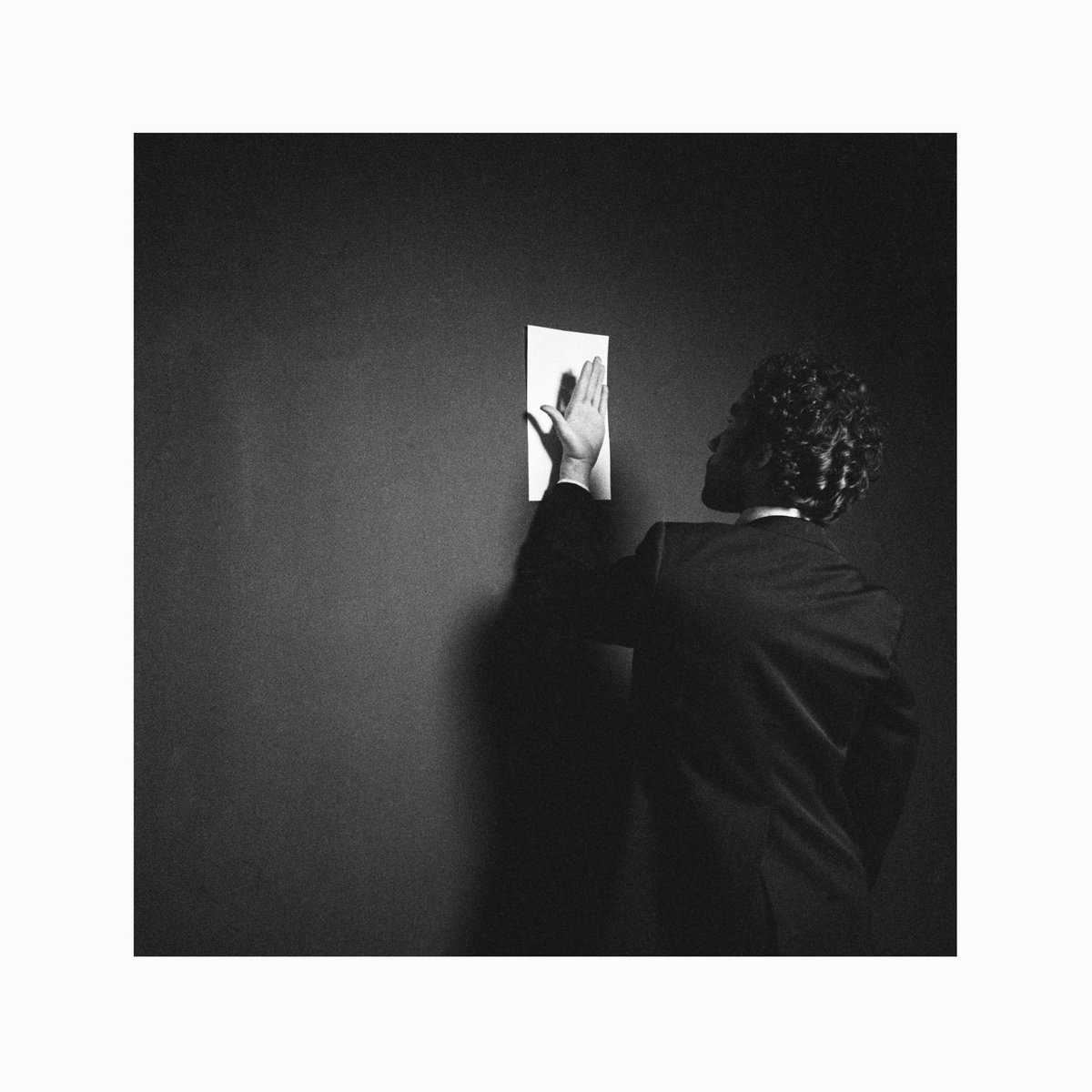
Switched On – Au Suisse: Au Suisse (City Slang)

Reviewed by Ben Hogwood

What’s the story?

Au Suisse is the much-anticipated pairing of producer Morgan Geist and vocalist Kelley Polar, aka Mike Kelley. Though perhaps that should read ‘re-pairing’, as the pair have a good deal of previous since they met at Ohio’s Oberlin College in the early 1990s. They worked together when Geist was part of the revered house / techno duo Metro Area, Kelley guesting on some of their vocal tracks, while Geist produced two Kelley Polar albums on his Environ label – records that really should be better known.

Au Suisse has a slightly different balance, as it finds them enjoying their first collaboration as equal partners, writing songs together rather than apart.

What’s the music like?

Rather special. As old friends, these two know what makes each other tick, and they clearly enjoy making music together – but there is something about the new venture that goes more deeply into personal experience than before. It almost goes without saying that Geist and Kelley would make elegant and classy electro pop, but the music of Au Suisse is like a beautifully coiffured object, with a series of influences stretching back to the 1980s.

Control is an atmospheric and poised first song, ghosting in on a single held note and holding back so you can hear every word before the electronics properly kick in. By contrast Thing is an uptempo workout, with urgency from the keyboards.

GC is a striking song, with a lush backdrop of keyboards and the striking observation of its controlling subject, “It’s how you pull the strings from so far away”. The dappled keyboards of Vesna are beautifully realised, and here Kelley’s vocals evoke Green Gartside of Scritti Politti or Paddy McAloon of 1980s Prefab Sprout, emitting a subtle euphoria but not without pain and regret behind. Indeed, Pain And Regret is the title of one of the songs, with an account of how “We know we tear each other apart”. Eely strips back to minimal thoughts and textures, a little more soulful in Kelley’s vocal, while the bass line for Plans curls round the edges like a lazy flame, the keyboards panning out for more thoughtful pop. The closing AG is a broadly sketched beauty, with ticking hi hat and piled-on reverb, as though Kelley has turned round at the door to give us some final thoughts in falsetto before the pair take their leave.

If it sounds like the music of Au Suisse is on a bit of a downer, that is emphatically not the case – rather it is bittersweet, elegant and beautifully poised. These two know what they’re doing, and classy pop music comes naturally to them.

Does it all work?

It does indeed. These songs are exquisitely crafted, with not a note out of place. The hushed vocals pull the ear in, and at the same time offer the opportunity to appreciate Morgan Geist’s beautiful production sets.

Is it recommended?

An easy decision. Au Suisse is like meeting an old friend – which ironically is the root of the whole project. Morgan Geist and Kelley Polar have crafted an exquisite album which is by turns classy, cultured and subtly uplifting.

Listen

Buy