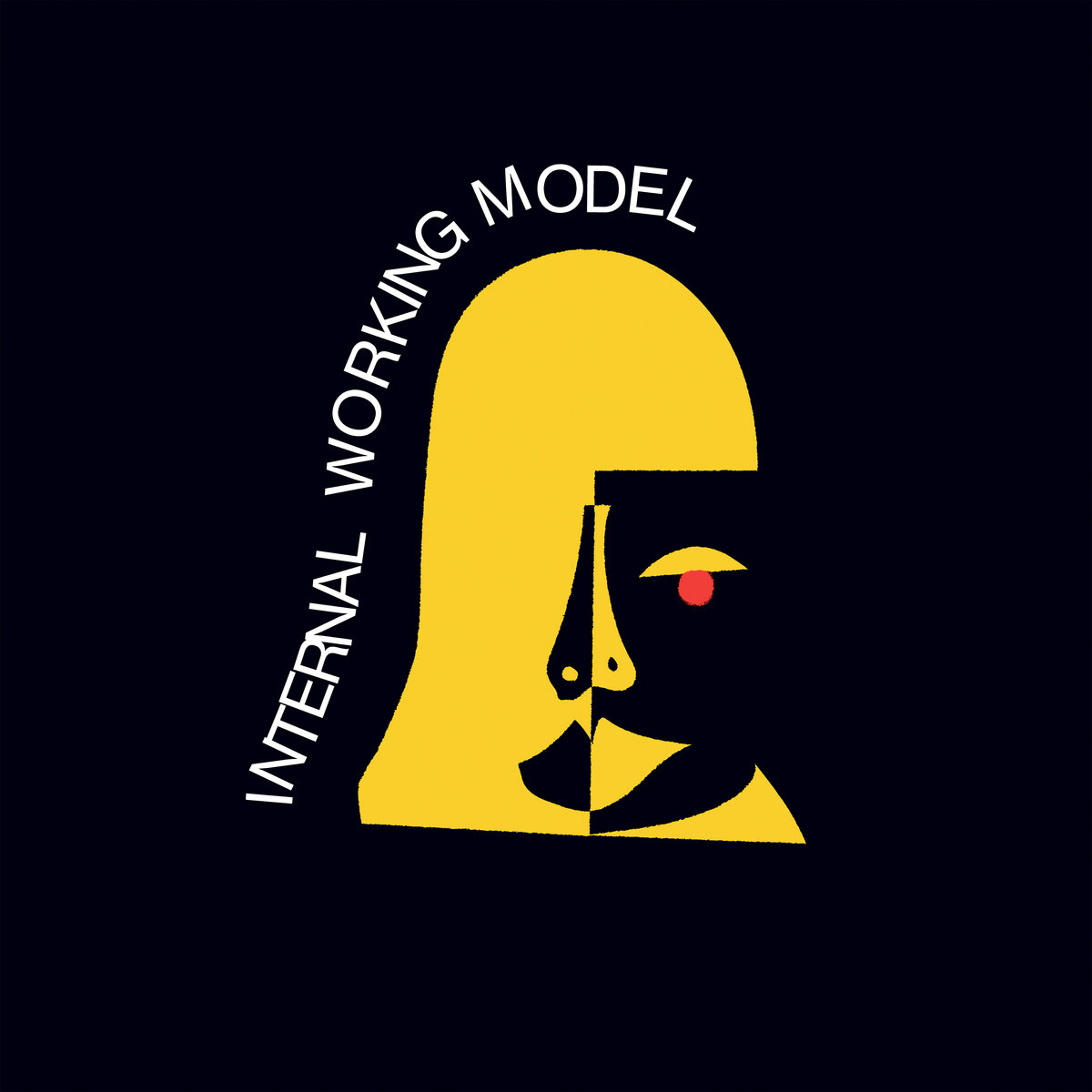
Former Duke Spirit vocalist Liela Moss has big plans for her third solo album. Co-written with her partner Toby Butler, Internal Working Model sees her ‘imagining a tribe, navigating away from our very centralized culture, dismantling it and revising the way I think things work’.
Central to her principles are the idea of cooperation rather than competition, and the idea that we should be speaking out more against global manipulators, greed and corruption. To that end, her and Butler chose a more upfront, electronic sound than she has used previously, and also some notable guests – Gary Numan, The Savages’ Jehnny Beth and Dhani Harrison.
What’s the music like?
Sticking to its brief, Internal Working Model presents a bold musical language. Moss is a compelling vocalist, taking charge from the outset and making her points with poise and conviction.
Empathy Files is a very strong opener, both musically and lyrically, with a sinister undertone as the chorus notes, “We’ve got data for miles on you”. Another standout song is Vanishing Shadows, where Moss and Gary Numan have a compelling frisson between the voices, not to mention a standout chorus. Ache In The Middle presents stronger tones of regret (“I could have been so happy, there would have been peace”), while the preceding The Wall From The Floor also speaks with anguished tones. “I can’t tell the wall from the floor any more”, she sings.
The drums play a bit part on Internal Working Model, adding power to Come And Find Me and ballast to the final call to arms, Love As Hard As You Can. With guest Dhani Harrison, Moss signs off on a high, looking to the future with renewed optimism and a steely gaze.
Does it all work?
Largely. Moss has a powerful message to bring, and delivers it with wholly convincing vocals. The electro production has bags of attitude too. On occasion more distinctive melodies would be welcome in the songs, to match the fine production.
Is it recommended?
Yes. As a statement of intent, and a rousing call for the start of a new year, Internal Working Model is a resolute piece of work. Moss is a compelling singer, a voice pushing to be heard.
Recorded Live performances at Macky Auditorium, Boulder, Colorado, 28 August 2021
reviewed by Richard Whitehouse
What’s the story?
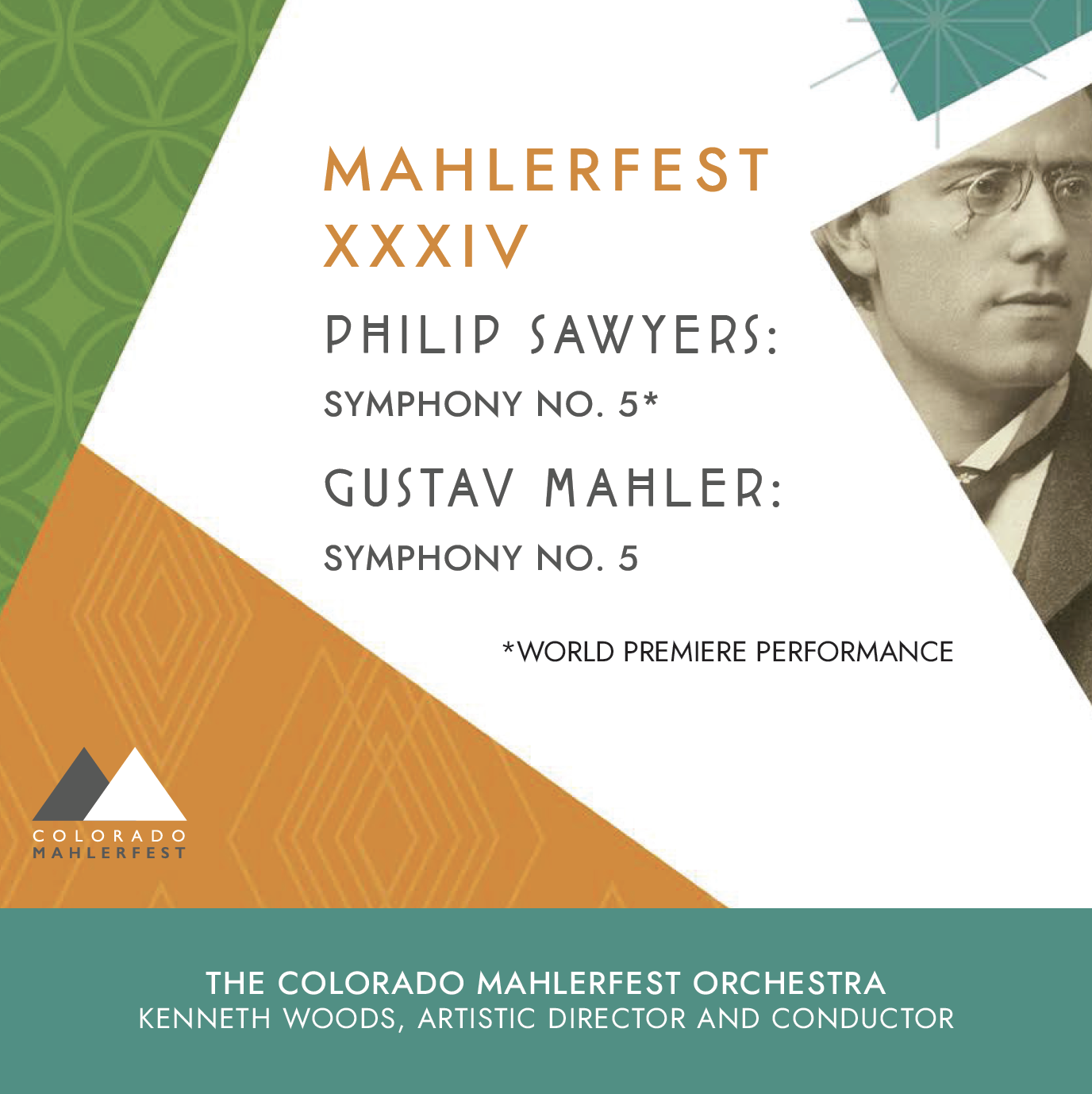
Two five-movement Fifths brought the 34th Colorado MahlerFest to an impressive ending. Mahler’s cycle is often seen as ‘end of the line’ for the symphony, yet its further evolution is not hard to discern, and Kenneth Woods is rightly making this a crucial aspect of his tenure.
What’s the music like?
Philip Sawyers’ Fifth Symphony pursues a stylistic path comparable to those two before it. Its predecessor ended with an expansive Adagio, and this work continues from such inward seriousness in a Moderato that overrides clear-cut sonata procedures for a gradual unfolding whose thoughtful initial theme takes on greater emotional intensity as it builds to an ominous climax, before closing in a mood of no mean ambivalence. The writing, for an orchestra with fifth horn and harp though no percussion other than timpani, is never less than resourceful.
From here an Allegro increases the tempo to capering and, in its middle stages, wistful effect. The central Lento pursues a sustained course over cumulative paragraphs, the latter climaxing with the work’s most anguished music, before an affecting coda. The ensuing Presto affords greater expressive contrast between impulsive outer sections and a chorale-like trio of musing poise. The final Allegro is the most orthodox movement in its energetic and reflective themes, taking in an intensive development and subtly modified reprise prior to a decisive apotheosis.
Pacing is crucial in Mahler’s symphonies, his Fifth being no exception. The opening Funeral March is ideally judged – its development not too histrionic, then a coda whose eruptive force subsides into numbed uncertainty. Proceeding without pause, its successor steers securely to a climactic yet ill-fated chorale, and if the final return of its initial music lacks vehemence, the pulsating expectancy of the closing bars is tangibly rendered. Woods’ handling of the central Scherzo contrasts a rustically evocative trio with the ländler-infused coyness and contrapuntal contrivance either side, the coda wrapping up this overlong movement with real decisiveness.
The remaining two movements are finely realized, the Adagietto taken at a flowing if flexible pace that enables its inherent rapture to emerge without any risk of indulgence. The deftest of transitions duly prepares for a finale whose elaborate interplay of rondo and sonata elements is replete with a cumulative impetus here carried through to a fervent peroration, the chorale blazing forth during a close in which affirmation and nonchalance are irresistibly combined.
Does it all work?
Almost always. Sawyers’ Fifth symphony is a cohesive and absorbing piece – less arresting in overall content than either of its predecessors, though with an unfailing formal logic and expressive eloquence that are not to be gainsaid. Interesting, moreover, that this Fifth marks something of a rapprochement with ‘classical’ tonality, whereas Mahler’s Fifth sets in motion a fractious discourse which informs almost all this composer’s subsequent symphonic works.
Is it recommended?
Certainly. The playing of the Colorado MahlerFest Orchestra is of a high standard, testifying to the excellence of these musicians in their collective responsiveness to Woods’ technical acumen and interpretive insight. To hear this work so authoritatively realized and within the context of a major new symphonic statement says much for the significance of MahlerFest.
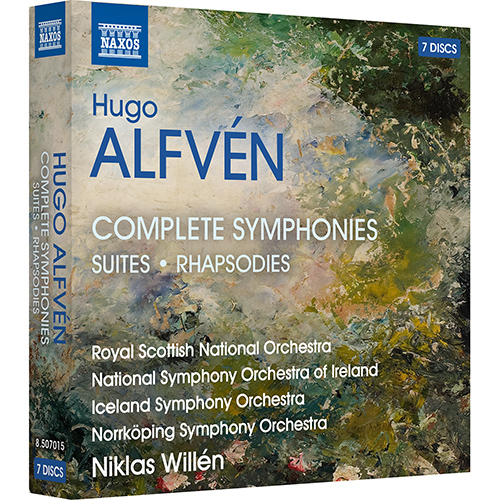
Royal Scottish National Orchestra, National Symphony Orchestra of Ireland, Iceland Symphony Orchestra, Norrköping Symphony Orchestra / Niklas Willén
Naxos 8.507015 [7 discs, including a bonus of Swedish Orchestral favourites]
Reviewed by Ben Hogwood
What’s the story?
Swedish composer Hugo Alfvén was born 150 years ago this year, and this attractive box set from Naxos celebrates the anniversary by bringing together the five symphonies recorded under the baton of fellow countryman Niklas Willén. They are presented alongside a number of Alfvén’s suites and orchestral works.
What’s the music like?
Attractive, airy and extremely enjoyable. Before Alfvén came along, Sweden had very few symphonic composers of note, Berwald excepted, and this cycle of substantial musical structures helped bring the symphony to a new audience.
Listening to each of the five works plots a course through Alfvén’s career, revealing him to be a gifted melodist and orchestrator. He writes with a clarity suggesting he studied the music of Mendelssohn and Schumann, but the orchestral works have an opulence closer to Richard Strauss and Wagner.
The Symphony no.1 in F minor Op.7 is laden with drama, if not yet fully confident in its structural steps. The Symphony no.2 in D major Op.11, which firmly established Alfvén as a composer, finds a glowing, lyrical approach. The Symphony no.3 in E major Op.23 is a joy, celebrating love and nature in the brightest E major, with richly tuneful episodes and rapturous outpourings from the strings. The Symphony no.4 in C minor Op.39, subtitled From The Outermost Skerries, has impressive depth, its four movements running continuously as they tell of the unique landscape of the Stockholm archipelago. Finally the Symphony no.5 in A minor Op.54 has a broader melodic platform, darker in some respects but loaded with extra resolve.
The accompanying suites show off Alfvén’s affinity with the stage and a natural aptitude for storytelling – The Prodigal Son, Synnöve Solbakken and A Country Tale all have good tunes and clear, bright orchestration. The shorter pieces included here should be better known, too – the Swedish Rhapsodies are winsome pieces, while the Festival Overture rises well above its functional role and the Elegy is equally meaningful.
Does it all work?
Yes, thanks to vibrant performances from each of the four orchestras used by Naxos in the gradual assembly of this cycle, all under the expert guidance of Niklas Willén. His choices of tempo are instinctively right, backed by an innate understanding for the flow of this music. An extra disc of Swedish orchestral favourites, featuring works from Alfvén, Larsson, Peterson-Berger, Söderman, Stenhammar and Wirén, is a considerable bonus.
Is it recommended?
Yes, with enthusiasm. While other composers may be ahead of him in the symphonic popularity contest, Alfvén’s music is highly attractive and full of good things for the casual or the attentive listener. Take this chance to explore further and you will not be disappointed!
Listen / Buy
You can find out more about this recording, and explore purchase options, on the Naxos website
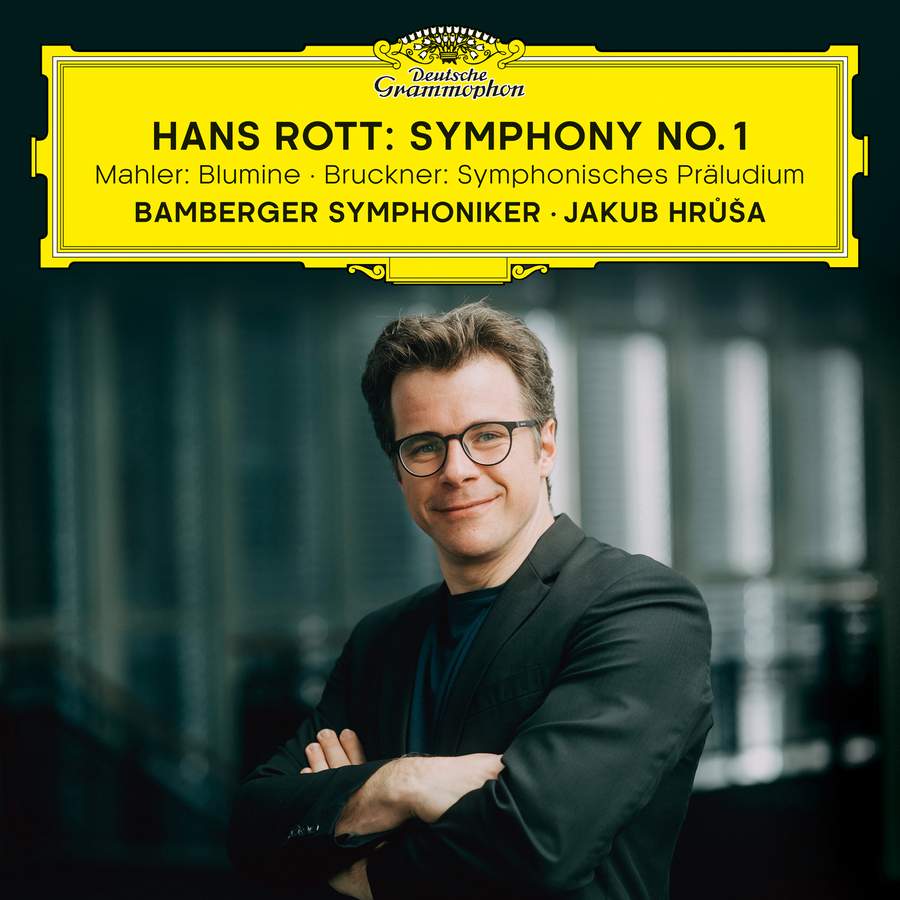
Rott Symphony [no.1] in E major (1878-80) Mahler Andante allegretto in C major ‘Blumine’ (1884) Bruckner Symphonic Prelude in C minor WAB297 (1876)
Bamberger Symphoniker / Jakub Hrúša
DG 486 2932 [70’11”]
ProducersSebastian Braun (Rott, Bruckner), Johannes Gleim (Mahler) EngineersMarkus Spatz (Rott), Christian Jaeger (Mahler), Thorsten Kuhn (Bruckner)
Recorded September and October 2021 (Rott), December 2021 (Mahler), March 2022 (Bruckner) at Joseph-Keilberth-Saal, Konzerthalle, Bamberg
reviewed by Richard Whitehouse
What’s the story?
Jakub Hrúša makes its debut on Deutsche Grammophon with a new account of the Symphony by Hans Rott (1858-84), whose belated premiere some 33 years ago prompted a reassessment (still ongoing) as to the evolution of this genre during those final decades of the 19th century.
What’s the music like?
Much time and space has been expended on the indebtedness (or otherwise) of Mahler to this work – elements from which can be found in at least five the younger composer’s symphonies – yet equally fascinating is the audible influence it had upon those who came before and after; hence the first movement from Bruckner’s Seventh and the second movement from Schmidt’s First – both of which are similarly grounded in E major). Without seeking to present it as an unalloyed masterpiece, Hrúša makes a persuasive case for a piece that Rott would doubtless have overhauled had his mental state not deteriorated soon after its completion. He finds the right balance between grandeur and introspection in the preludial Alle breve, as between that raptness which briefly though pointedly erupts into anguish in the Sehr langsam that follows.
The Scherzo is the most convincingly realized movement and Hrúša has the measure of its animated main theme with undertones of polka, broadening into the ländler-derived suavity of its trio before regaining its earlier vigour vis an ostinato-like impetus barely held in check – the accelerando not necessary in this instance. Nor does he disappoint in the finale. Much the longest movement, this is easily criticized for diffuseness but, as Hrúša makes plain, the formal ground-plan – prelude-chorale-fantasia-fugue-stretto-postlude – (such as the organist Rott likely extemporized before committing to paper) is readily perceivable and is invested with cumulative momentum sustained to the beatific concluding bars. That the composer so nearly brought off this ambitious conception is surely more significant than any shortcoming.
Couplings have been judiciously chosen to open-out the context of the main work. Included in early hearings of his First Symphony, Blumine is a remnant from Mahler’s early orchestral projects lost to history and Hrúša brings out those expressive ambiguities as offset the lilting trumpet melody. Once attributed to Mahler, Symphonic Prelude is now believed an exercise from Bruckner’s composition class and Hrúša, adhering to the original orchestration rather than that by Albrecht Gürsching, duly makes the most of its ominous and plaintive musings.
Does it all work?
It does. In his accompanying booklet observation, Hrúša reflects on the musical and historical relevance of Rott’s Symphony and there can be little doubt that, among the dozen or so other recordings of this piece, this is the most convincing in terms of all-round cohesion as also the excellence of the playing by the Bamberg Symphony (whose chief conductor Hrúša has been since 2018). A little too forwardly balanced in tuttis, sound otherwise reflects the excellence of the orchestra’s home-venue – Rott’s extensive use of triangle kept within sensible bounds.
Is it recommended?
It is. Those coming to the main work for the first time should certainly makes its latest release their first port-of-call, and it would be worthwhile DG continuing this association with Hrúša and the Bamberg in other mid-European music from the late Romantic and early Modern era.
How has 2022 been for you? It has been a difficult year for so many, and I don’t know about you, but I find music takes on an even more important part of our lives when the going gets tough. This year we have been able to rely on a consistently strong line of releases, giving us extra resolve and relief from the day-to-day.
Arcana has reviewed a lot of music this year. What we tend to do on these pages is concentrate on music and artists that we know are likely to be good – and we assemble our thoughts on them so you can then make your own investigations. Classical music is usually our starting point, but from there we travel afar to the outer reaches of electronica, dance and contemporary music.
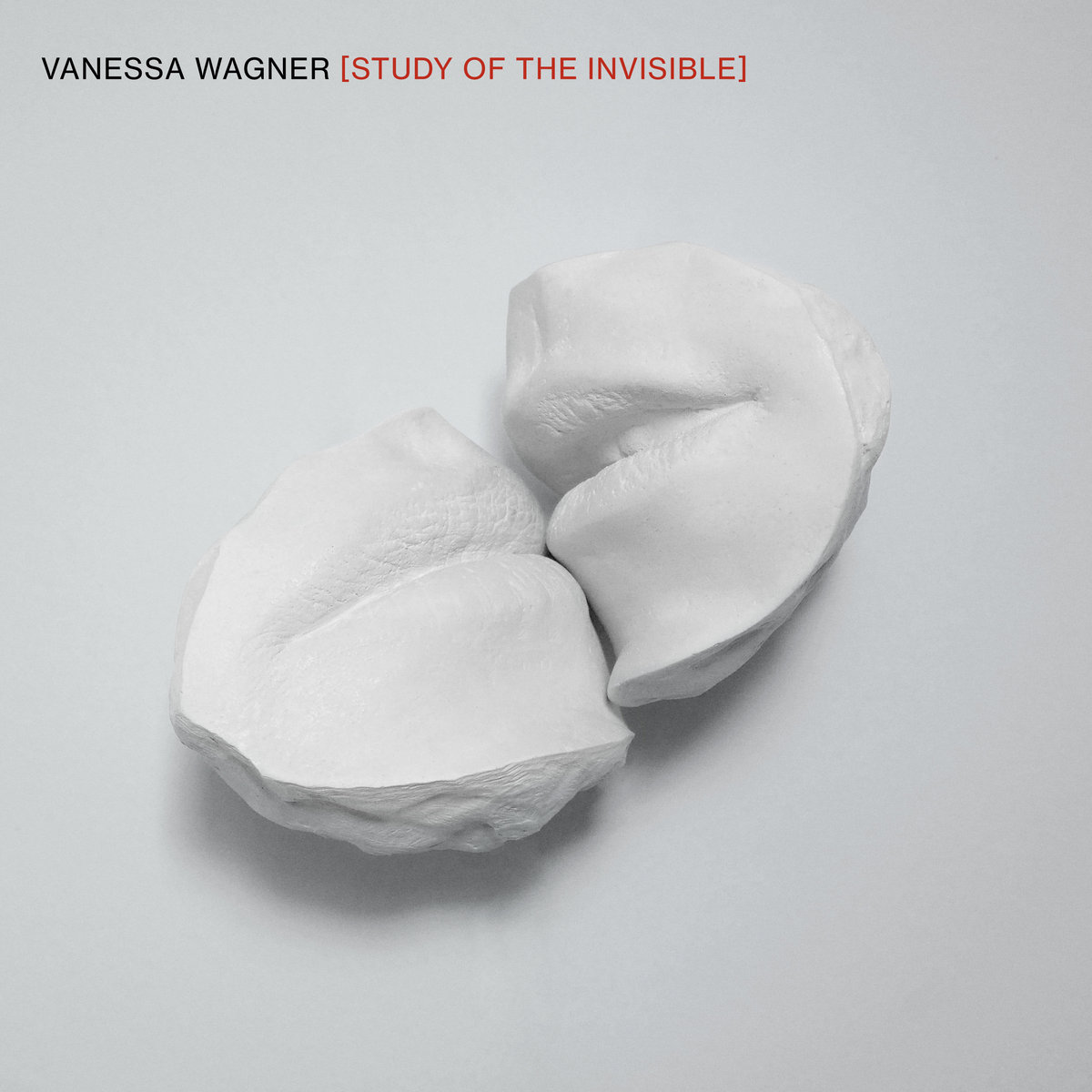
It was another strong year for electronic music of an ambient dimension. Switched On is the area of Arcana concentrating on new music in this area, and without putting too many musical names on these albums, we really enjoyed a good deal of slower stuff. Starting with a single instrument, Vanessa Wagner’s Study of the Invisible (above) made an understated but lasting impression, particularly with Caroline Shaw’s Gustave Le Grey at its heart. Vanessa plays with poise and expression, and this wonderfully curated selection worked so well.
Meanwhile long term favourite Erland Cooper charmed with his pure, still music written to soundtrack the Superbloom installation at the Tower Of London, Music For Growing Flowers (above). Speaking of earthy sounds, Sonic Cathedral gave us twilight wonders from Pye Corner Audio and, with a little more country in the mix, Sunset Dreams from Mark Peters.
At the hottest part of summer, Arthur King’s music was extremely evocative in Changing Landscapes – as was that of Deepchord, making a return to the long player from Detroit with Functional Designs. Steve Davis, meanwhile (yes, that Steve Davis!) was busy enhancing his reputation as part of the electronic trio Utopia Strong and their excellent album International Treasure
More studied electronica gems should also be shouted from the rooftops – we are lucky to have British artists of the calibre of Bibio, Gold Panda and Plaid, each returning with excellent new albums. Meanwhile Clarice Jensen took her cello as a starting point on new album Esthesis, making music of great colour and descriptive power to counter the onset of lockdown. Also facing the elements head-on was Daniel Avery, whose new albumUltra Truthwas a powerful statement indeed:
There were some very strong releases on the classical side of things, as record companies dusted themselves down and started to include orchestral recordings again on their release schedules post-pandemic. Leading the way were the Sinfonia of London under John Wilson, a throwback to the golden age of orchestral recording in their challenging schedules for Chandos. With Hollywood, British and French music all covered, one in particular stood out, with the orchestral music of John Ireland given its rightful place in the spotlight:
Speaking of French music, a charmer from the Orchestre National des Pays de la Loire and Pascal Rophé proved the ideal hot weather soundtrack as it explored orchestral versions of Debussy keyboard works. Their accounts of the Petite Suite, La boîte à joujoux and Children’s Corner were full of colour and character.
This year saw the 150th anniversary of the birth of Ralph Vaughan Williams, one of the finest British composers of the 20th century. Somm Recordings made a memorable tribute by way of the undervalued string quartets, these lovely autumnal works given vibrant performances from the Tippett Quartet.
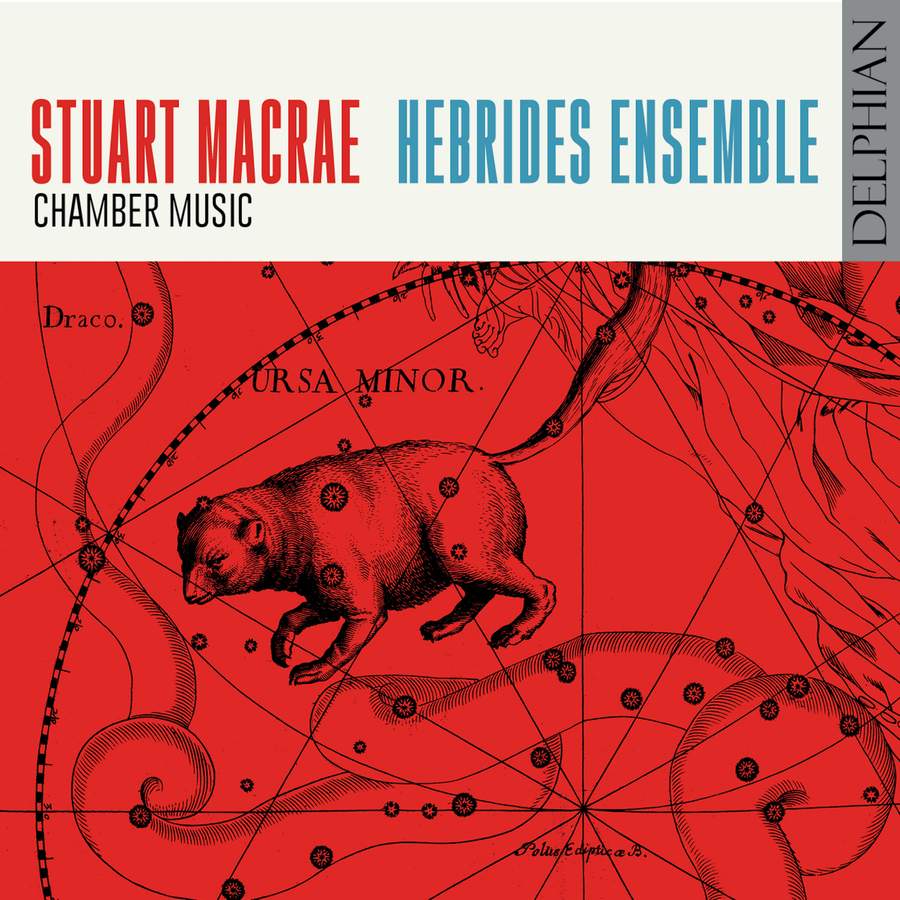
Contemporary classical music put in some very strong appearances this year, and few more than Stuart Macrae, showing off the quality of his chamber music on an album from the Hebrides Ensemble on the excellent Delphian label. We enjoyed a number of online and in-person concerts from the English Symphony Orchestra and Kenneth Woods, which were capped by an outstanding recording of Adrian Williams’ Symphony no.1, a commendable raising of the flag for new British music
On the dancier side of things, Heavenly Recordings excelled themselves this year with no fewer than six collections of remixes! We loved the first two instalments, which acted as a prelude to the utterly essential third and fourth volumes which brought together remixes from the much missed Andrew Weatherall.
With all that said and done, what would an Arcana album of the year look like? Something like this…the most listened to long player of the year in these parts, Fleeting Future – a vibrant offering from Akusmi which channelled all sorts of intriguing influences into something wonderfully original:
We will have a few more reviews to come over this week – but for now, we thank all our readers for your visits and wish you a happy, peaceful and regenerative Christmas holiday season. Oh, and a Happy New Year for 2023!