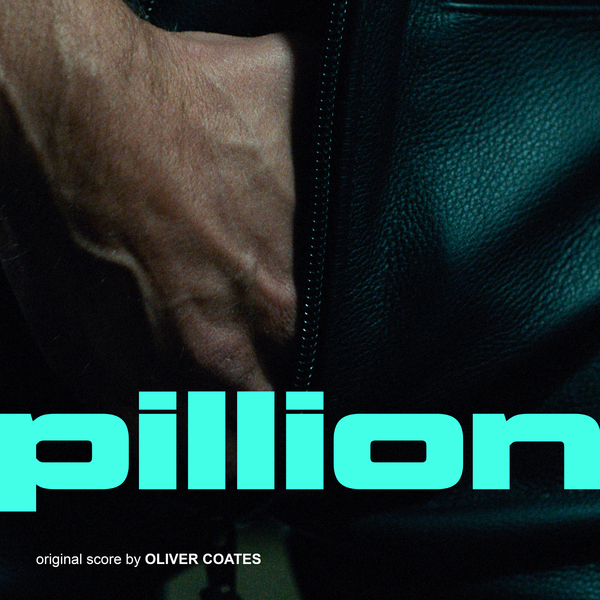
New music – Oliver Coates – Pillion OST (A24 Music)

by Ben Hogwood, from the press release

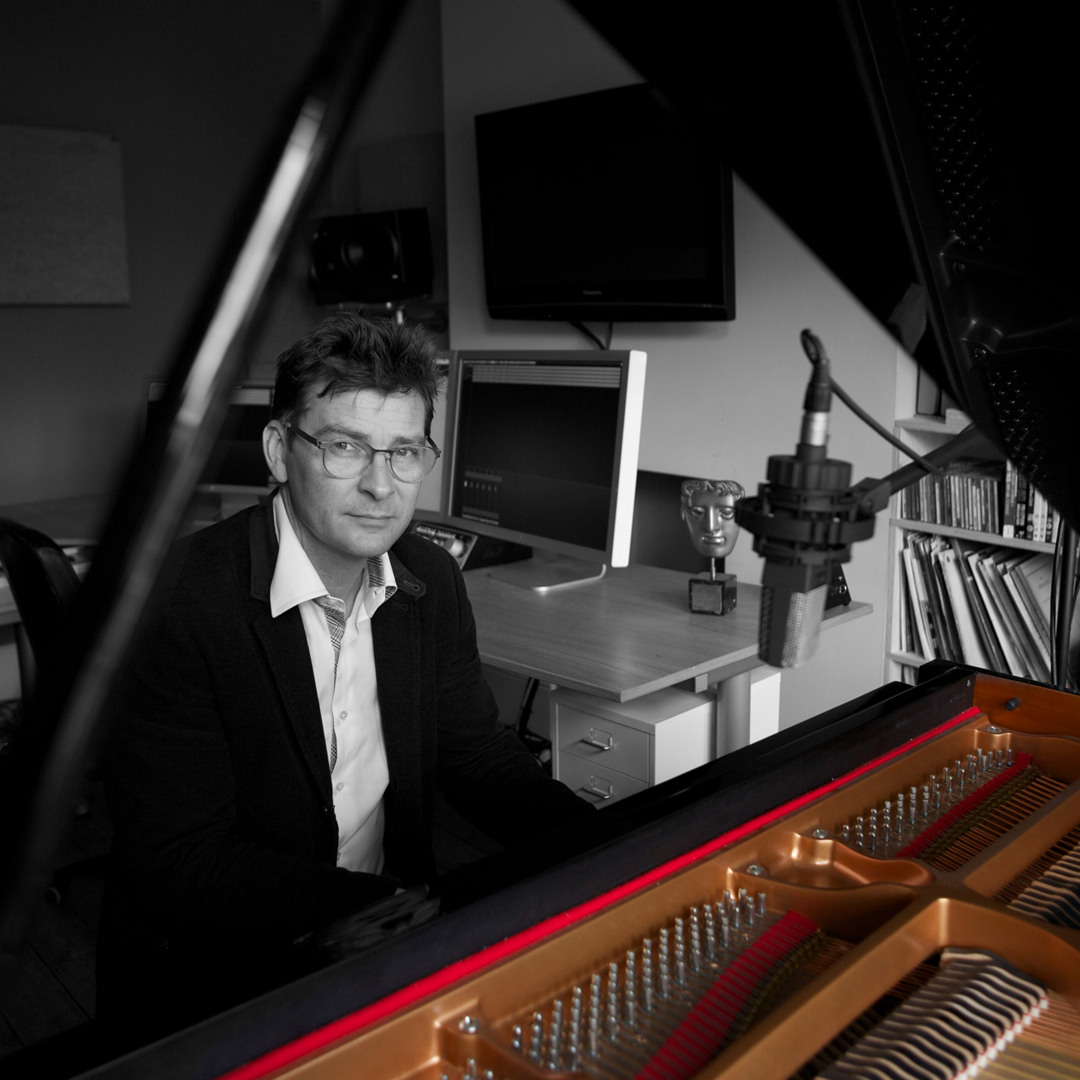
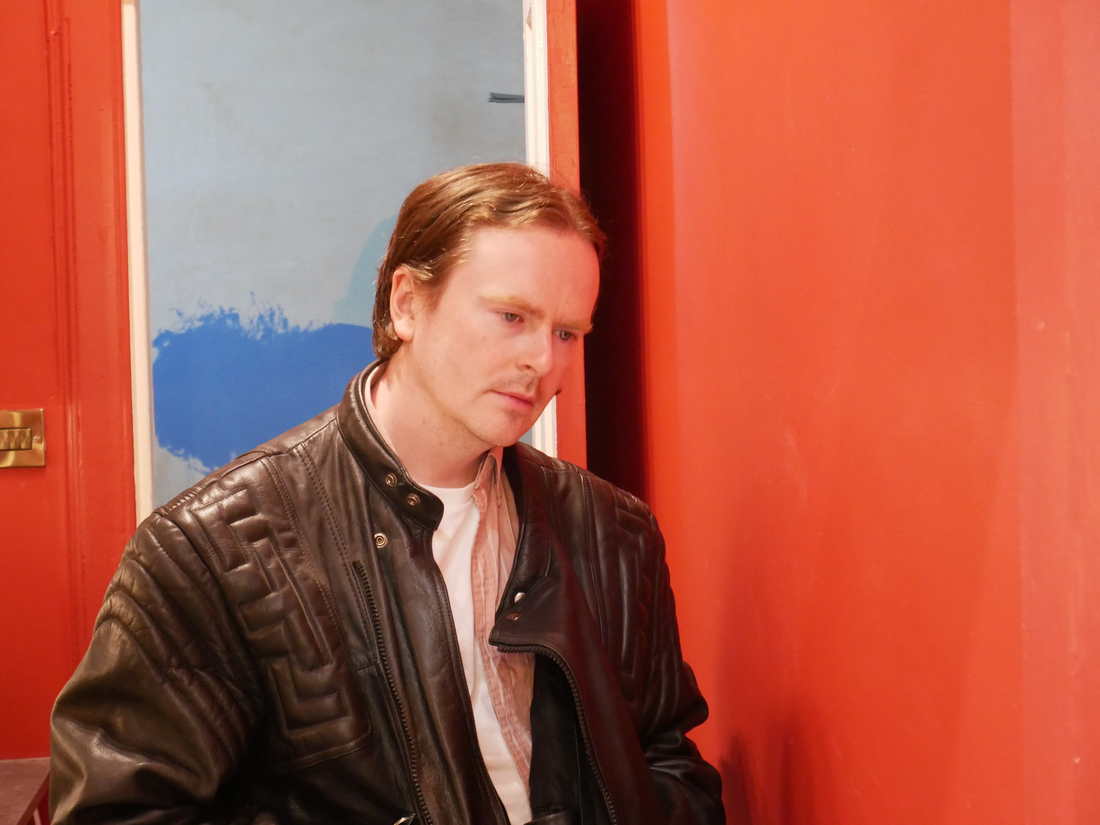
Today, Glasgow-based cellist, composer, and producer Oliver Coates releases his original score for Pillion, the acclaimed directorial debut from filmmaker Harry Lighton. The soundtrack’s physical release will coincide with the film’s US distribution in February, 2026 via A24.

Based on Adam Mars-Jones’ 2020 novel Box Hill and starring Harry Melling and Alexander Skarsgård, the British queer romantic comedy-drama film premiered in May at the 78th Cannes Film Festival, where it won the Un Certain Regard’s Best Screenplay prize alongside nominations for the Caméra d’Or and the Queer Palm. Pillion most recently won Best Independent British Film, Best Debut Screenwriter, Best Costume Design and Best Makeup and Hair Design at the BIFAs, as well as Best Adapted Screenplay at the Gotham Awards. The film is currently screening in UK theaters and is releasing February 6, 2026 in the US.

The score is romantic and melancholic, with wide-spaced music-hall melodies and rich harmonies. Piano-driven compositions are accompanied by spacey synth flourishes and haunting vocals from chrysanthemum bear, Nick Roder, and acclaimed Danish artist ML Buch. The rumbling and leather of distorted experimental cello techniques were the starting point – a granular imitation of bike engines.

Recording between Glasgow and Copenhagen, before final mixing by Christopher Elms in London, what results is a romantic electro-classical soundtrack (including a synth rendition of Erik Satie’s Gymnopédie no.1) that feels akin to flying down an open road on a speeding bike.

Speaking on the score, Coates shares: “The score of Pillion came together with the brilliant shaping of director Harry Lighton, as we navigated rumbling time-stretched cello drones through to music-hall romance and bittersweet leaping melodies. There are many different keys, synths, voices and strings which swell and pulse to maximise a radiant sense of comedy mingling with melancholy. There were invaluable musical contributions from ML Buch on vocals, Lena Douglas on pianos, chrysanthemum bear and Nick Roder also on vocals, Tom Lessels and Kathryn Williams on woodwinds.”
Pillion follows Coates’ 2024 solo album Throb, shiver, arrow of time (RVNG Intl), which drew attention from Pitchfork, The Quietus, The Guardian, and more, as well as his celebrated scores for Aftersun (Charlotte Wells), The Stranger (Thomas Wright), and Occupied City (Steve McQueen), among other films.

Coates’ collaborative nature has led him to move fluidly between the roles of composer, performer, musician, and producer. Alongside his solo work, he is active across experimental, classical, and popular music, contributing to acclaimed live and recorded projects with Mica Levi, Arca, Dean Blunt, Jonny Greenwood, Malibu, and Joanne Robertson.

Listen to previews from the soundtrack at Boomkat, with the physical release due in February 2026 via A24 Music.

Published post no.2,746 – Friday 12 December 2025
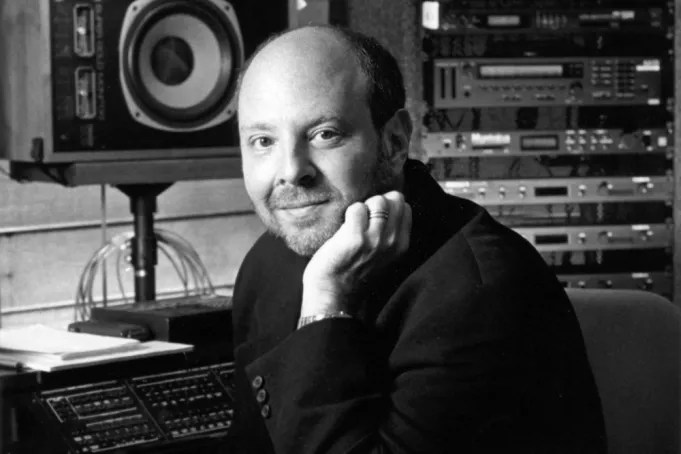
In appreciation – Mark Snow

by Ben Hogwood Photo (c) The Film Society

Last week we learned the sad news of the death of American composer Mark Snow.

Snow had an impressive body of work, including music for Blue Bloods and Ghost Whisperer from more recent years, and even work for isolated episodes of Starsky & Hutch, Dynasty and Cagney & Lacey.

Yet it is Snow’s work for The X-Files that brought him to the attention of small screen viewers, specifically the wonderful main theme, with its promise of life from other planets.

Listen closely to each episode, however, and you’ll see how Snow shapes the unfolding drama through his darkly coloured music. Below is the main theme to The X-Files, and a selection of music from the series, released in 1996 and titled The Truth And The Light:

https://tidal.com/browse/album/294285?u

Published post no.2,588 – Monday 7 July 2025

Arcana @ 10… Musical moments: Dinah Washington & Max Richter – This Bitter Earth / On the Nature of Daylight

Credit: Carolyn Cole/Los Angeles Times via Getty

As part of Arcana’s 10th birthday celebrations, we invited our readers to contribute with some of their ‘watershed’ musical moments from the last 10 years.

Gary Carey writes:

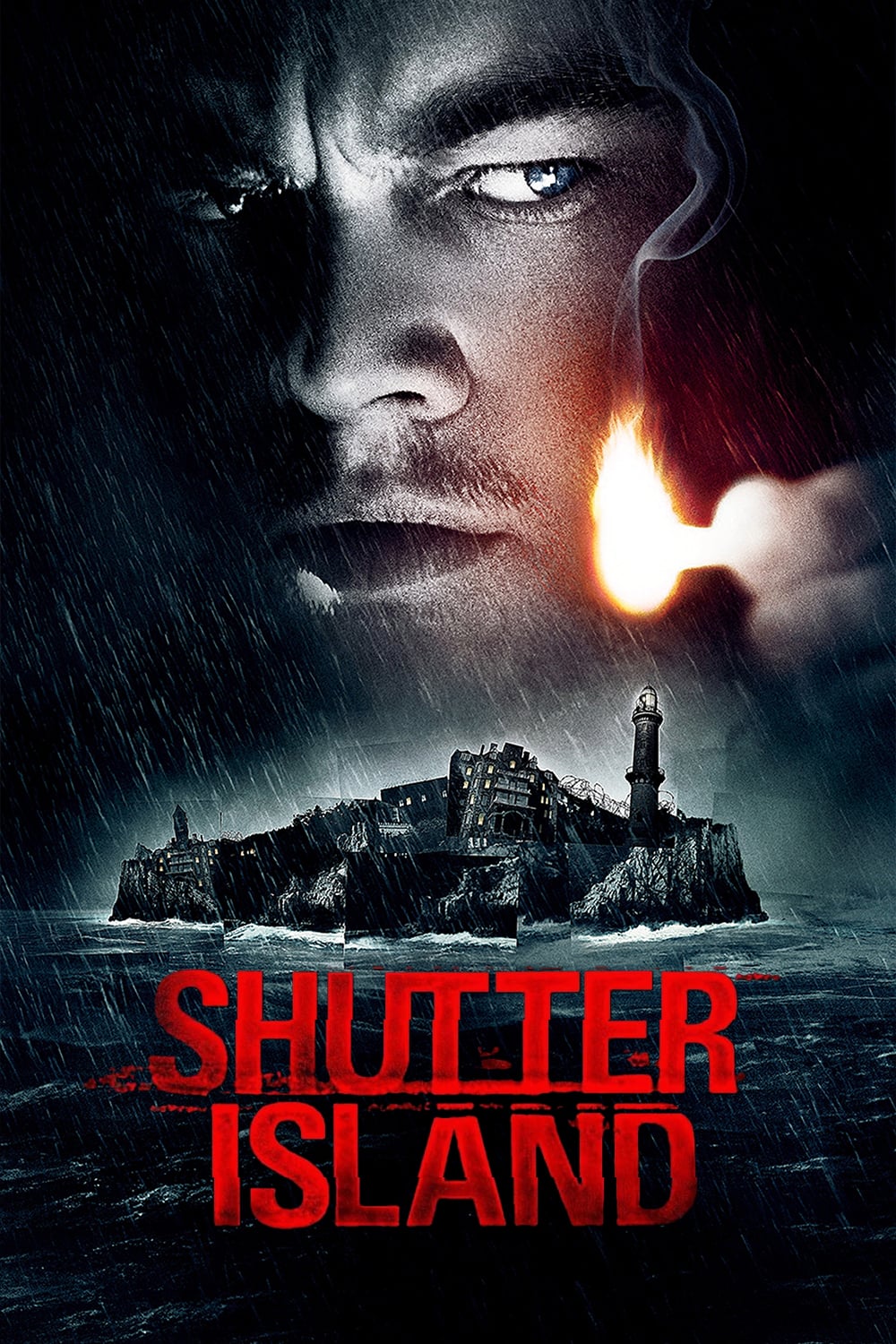
I heard this around the time of the early stages of the Covid pandemic, when I watched the film, Shutter Island, which I would also strongly recommend, though only when you’re in a good place mentally.

The reason I like this piece so much is that it really seems to offer emotional energy, in both Max Richter’s melancholic orchestral composition and the almost desperate, cry-for-help, of Dinah Washington’s vocal accompaniment.

I believe both pieces were originally produced as completely separate works, which were then combined together for the film soundtrack’s finale.

However, this does not seem evident in the finished piece itself, which is a further testament to the production and mixing expertise involved, ultimately producing a compelling new piece of music, collaborating from generically disparate and musically separate sources.

Ben Hogwood adds:

As a postscript to Gary’s memorable moment, I would like a piece of music used earlier in Shutter Island that had a dramatic effect on me – the use of Penderecki‘s Symphony no.3 to highly dramatic effect:

Published post no.2,432 – Tuesday 4 February 2025

Screen Grab: The Music of ‘Vera’

by Ben Hogwood. Picture (c) ITV Productions

The New Year is barely a week old, yet TV viewers in the UK have already said goodbye to a much-loved detective.

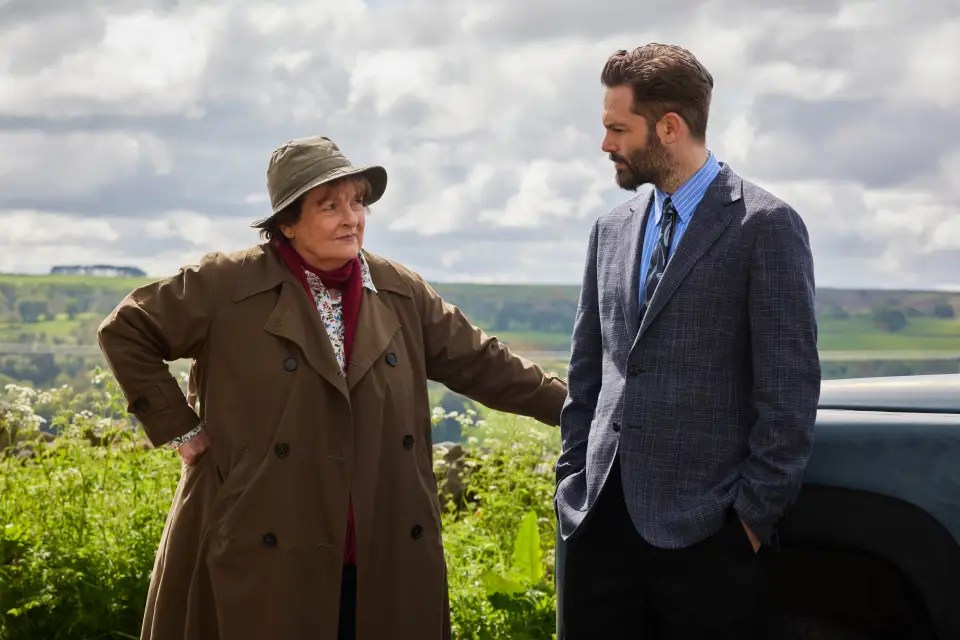
After 14 seasons DCI Vera Stanhope, played by the inimitable Brenda Blethyn (above), has hung up her hat – and with it brought the hugely successful ITV series of dramatisations of books by Jane Cleeves to an end.

There are several key elements to Veras success – led by Blethyn herself, a powerhouse character with a keen empathy for the victims of the crimes she is investigating, and an uncanny and occasionally sympathetic understanding of the perpetrators. She rules her team with a rod of iron, though this softer side does occasionally reveal itself.

The support cast are strong, notably David Leon (DI Joe Ashworth, above), Jon Morrison (DC Kenny Lockhart) and Cush Jumbo (DC Bethany Whelan), who met a tragic end in the sixth series.

Yet there are two other stars of the show. The Northumbrian scenery is one, beautifully brought to life by directors Adrian Shergold, Louise Hooper and Paul Whittington. The haunting music of Ben Bartlett is the other, so subtle that it didn’t even warrant a mention in ITV’s documentary about the series.

When you first watch Vera the music seems incidental – but that’s the point. Delve deeper and you will find it is written with forensic attention to detail, commentating wordlessly on each scene while keeping the tension bubbling.

Bartlett uses a mixture of acoustic and electronic sounds, with some dubby effevts giving perspective, often panning out to appreciate the wide open spaces of Northumberland. There is the odd sudden ‘whoosh’ of sound when a plot twist is revealed, and on occasion sonic atmospherics are used to portray the rarefied light often present at the North Sea coast.

The theme itself is also subtle, but memorable, a four-note murmur from strings that grows in presence and stature as the credits roll. Everything – in every episode I’ve watched to date – is rooted in the key of D minor. Bartlett uses this dark key as the basis for all his ideas, which relate back to the main theme without ever duplicating it – the composer adding or taking away layers, depending on the subject in hand.

Only once have I known Vera venture beyond the original score, in a memorable scene from the penultimate episode where its climax was accompanied by Northumbrian folk musicians The Unthanks, and their haunting song Magpie:

Yet the credit goes to Bartlett, whose brooding score deserves great credit for its economical use of a small amount of music, somehow never outstaying its welcome and always enhancing the story. Vera just wouldn’t be the same without it!

Published post no.2,404 – Tuesday 7 January 2025

On Record – Wolf Hall: The Mirror and the Light – Original Television Soundtrack (Silva Screen)

Reviewed by Ben Hogwood

What’s the story?

Debbie Wiseman reprises her role as composer for the eagerly awaited second instalment of the BBC dramatisation of Hilary Mantel’s Wolf Hall.

Her approach is similarly economical, looking to work with a small band of musicians, while the style of music she seeks is once again free of pastiche.

What’s the music like?

Immediately memorable. If you’ve watched the drama unfold, you will know that the music is an integral part of proceedings – as indeed is silence. The director’s judicious use of silence means the tension builds to unexpected heights, momentarily relieved – or even enhanced – by the music.

This is because Wiseman catches Cromwell’s many predicaments with uncanny accuracy. From the haunting, pure sound of Grace Davidson‘s soprano in the refrains, there is an eerie and almost otherworldly countenance given to the music.

Using the titles assigned to the episodes, Salvage has an especially profound cello solo. Serious in tone, almost oppressive at times. The ominous drum strokes on The Image Of The King are striking and fateful, the cor anglais with an ominous tone as Cromwell’s thoughts are aired in musical form. Man of Sorrows is dramatically essayed by the viola, while Forgiveness and The Leper’s Spit end on high drama, in a frenzy of strings.

Does it all work?

Yes. Wiseman has an uncanny ability for scene setting and character profiling, and Wolf Hall as a drama is all the more effective for her contributions.

Is it recommended?

Very much so. This is dramatic music but written with remarkable restraint and clarity. Debbie Wiseman has built on the success of the first Wolf Hall with music of poise and no little power.

Listen & Buy

Published post no.2,396 – Wednesday 18 December 2024