Happy St. Cecilia’s Day!

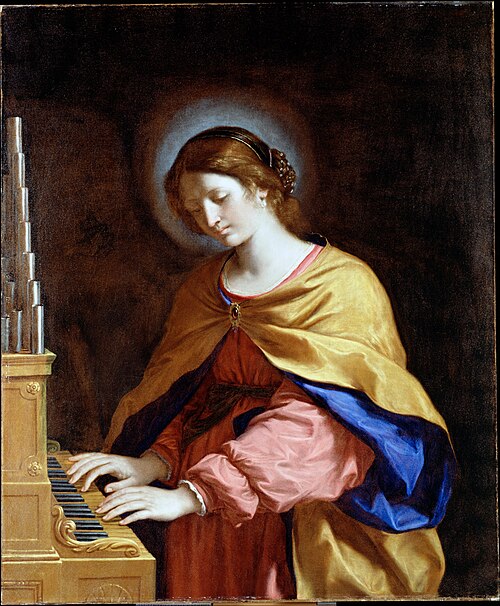
by Ben Hogwood Picture: Saint Cecilia playing the pipe organ, by Antonio Franchi, 1749.

The 22nd November marks the celebration of the patron saint of music and musicians, Saint Cecilia.

Several composers have celebrated her in their pieces, but I wanted to pick out three English examples. The oldest and most expansive that comes to mind is by Henry Purcell, the ode Hail! bright Cecilia that he composed in 1692:

Secondly comes the cantata For St. Cecilia by Gerald Finzi, given prominence this year by its position on the first night of the BBC Proms. Also for voices and orchestra, it was premiered at the Royal Albert Hall on this day in 1947:

Last but not least comes the exquisite Hymn to St. Cecilia, one of Benjamin Britten‘s very finest choral compositions:

Published post no.3,086 – Sunday 22 November 2026
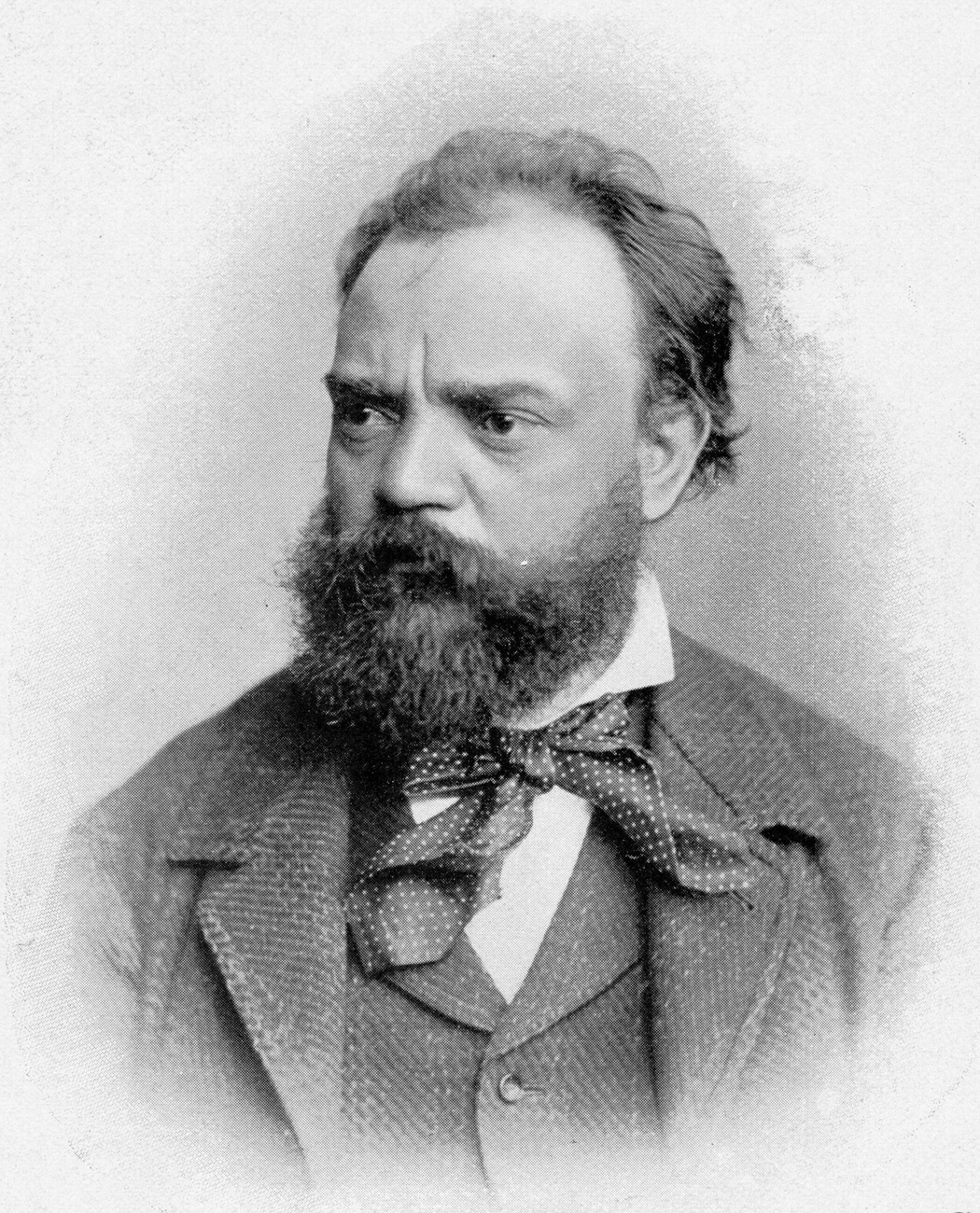
On this day in 1896: the premiere of Dvořák’s symphonic poem The Water Goblin

by Ben Hogwood photo by used courtesy of Wikipedia

On this day in 1896, the premiere of The Water Goblin, a symphonic poem by Antonin Dvořák, took place with the Queen’s Hall Orchestra conducted by Sir Henry Wood.

Dvořák’s late orchestral works are often overlooked but are full of drama, incident and melody – with this example being one of the finest. One of the best recent accounts was recorded by the Royal Concertgebouw Orchestra under Nikolaus Harnoncourt, and can be heard below:

Published post no.3,078 – Saturday 14 November 2026

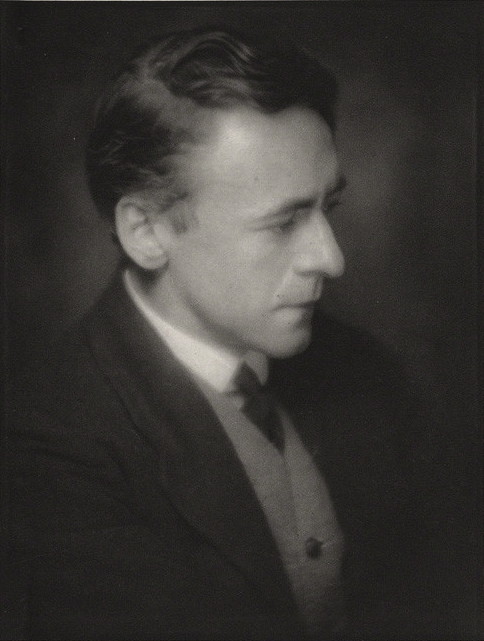
On this day in 1883: the birth of Arnold Bax, composer of ‘November Woods’

by Ben Hogwood photo by Herbert Lambert, public domain work used courtesy of Wikipedia

On this day in 1883, the composer Sir Arnold Bax was born.

It is a good moment to mark one of his most enduring orchestral works, the tone poem November Woods, completed in 1917. In spite of its evocative title Bax said it “may be taken as an impression of the dank and stormy music of nature in the late autumn, but the whole piece and its origins are connected with certain rather troubled experiences I was going through myself at the time….”

You can enjoy it below in a performance with the Ulster Orchestra conducted by Bax specialist, the late Vernon Handley:

Published post no.3,072 – Sunday 8 November 2026

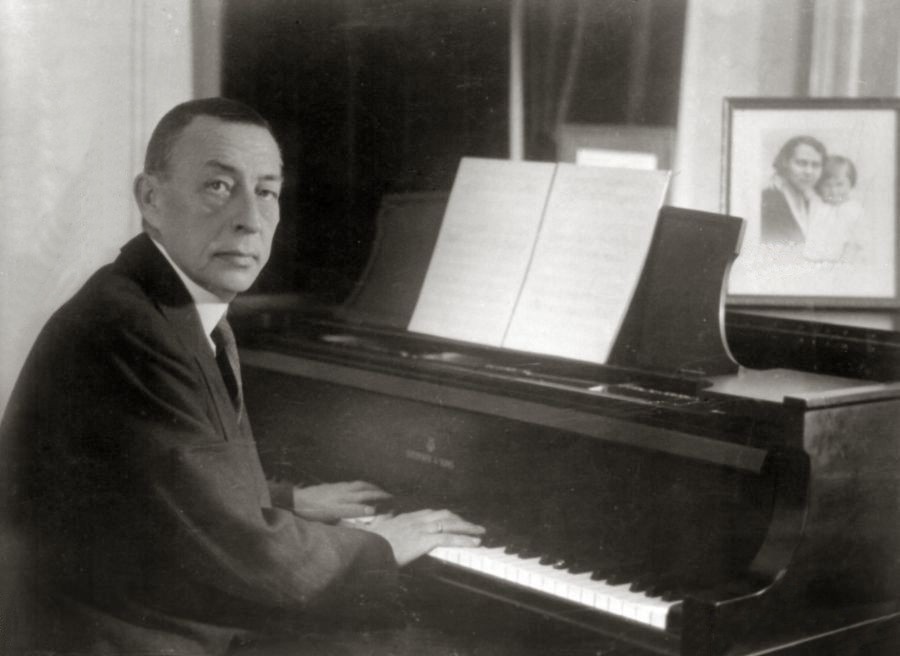
On this day in 1936: the premiere of Sergei Rachmaninoff’s Symphony no.3

by Ben Hogwood public domain image, used courtesy of Wikipedia

On this day 90 years ago, the first performance of Sergei Rachmaninoff‘s Symphony no.3 in A minor took place, with Leopold Stokowski conducting the Philadelphia Orchestra.

The symphony, one of the composer’s final published works, did not find favour immediately with the public, and has proved to be something of a slow burner. Yet now it has proper recognition as one of Rachmaninoff’s finest works – and indeed was one of his own favourites.

The symphony has had a number of champions over the last few decades, with few more passionate than Vladimir Ashkenazy, whose recording with the Royal Concertgebouw Orchestra is included below:

Published post no.3,070 – Friday 6 November 2026

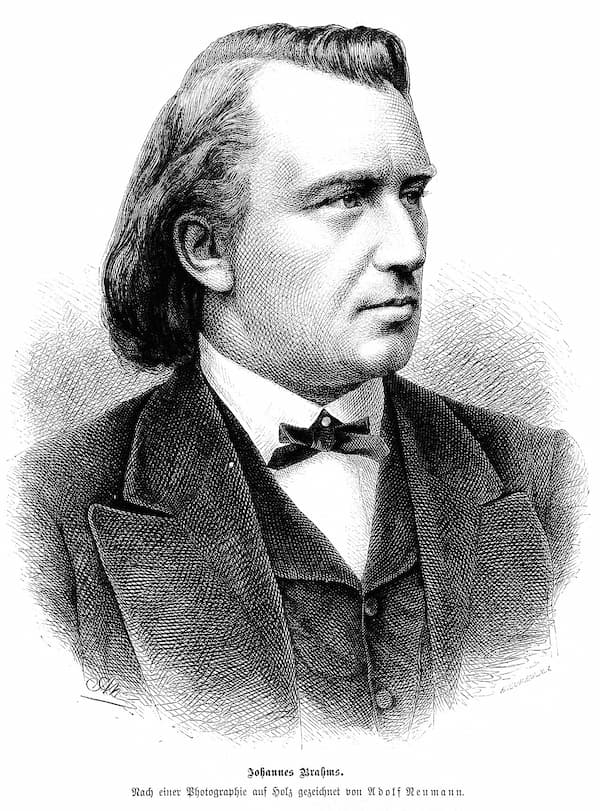
On this day in 1876: the premiere of Brahms’ Symphony no.1

by Ben Hogwood Image unknown credit, used courtesy of Wikipedia

On this day 150 years ago, the first performance of Brahms’s Symphony no.1 in C minor took place in Karlsruhe, under the baton of his friend Felix Otto Dessoff.

Just four days after the premiere of his lesser known String Quartet no.3, Brahms crossed a significant threshold in his life with the first airing of his foray into the symphony. It was a fraught process, for Brahms felt the hand of Beethoven on his shoulder, creating a pressure he found almost impossible to evade. With a self critical approach it was a long while before the symphony appeared, but the universal verdict is that it was well worth the wait!

From its grand, darkly shaded introduction, the symphony demands and keeps the listener’s attention throughout. The tautly argued first movement is followed by a slow movement of Autumnal beauty, then an Intermezzo that flows easily, with a soft clarinet solo. The finale is perhaps the most indebted to Beethoven, adopting a similar ‘darkness to light’ journey of the Choral symphony, but Brahms’s themes and their development are original. The final chorale feels like a deserved victory.

You can listen to the symphony in one of my favourite recordings below, with the Berliner Philharmoniker conducted by Claudio Abbado:

Published post no.3,068 – Wednesday 4 November 2026