Switched On – Blanck Mass: The Rig (Original Series Soundtrack) (Invada)

by Ben Hogwood

What’s the story?

This is the first TV soundtrack by Benjamin Power, aka Blanck Mass – a surprising state of affairs, given Power’s prolific output as a composer. It would seem he has been biding his time, for as part of the duo Fuck Buttons he released three albums, as well as providing a good deal of music for the opening ceremony of the Olympic Games in London 2012.

Since then he has turned to solo work as Blanck Mass, building a reputation for electronic music of unusual and uncompromising power, with a further five albums under his belt. The Rig is heading up Amazon Prime’s selection of January viewing, a six-part season with a stellar cast directed by Line of Duty stalwart John Strickland. In it, the crew of a North Sea oil rig encounter unseen forces that cut them off from the mainland, with far reaching consequences for their environment and the crew on board.

What’s the music like?

As with all the best soundtracks, Power’s response is one that vividly captures the environment. The weighty main theme is ideally pitched, punching through with concrete-heavy beats that capture the industry, the majestic yet brutal outlines of the right.

The early numbers draw the listener in, setting the scene as the main characters are revealed and established, and conveying the mysterious circumstances the crew find themselves in. Inevitably some of these sketches are short, and work best in the context of the full album, but the disorientation of both personnel and environment proves unnerving for the listener too.

At the same time the ongoing industrial processes are reflected in the clattering percussion (Flesh Meets Floor), the dripping pipes, the echoing chambers and the misty outlines of the vast structure. The unseen menace of the sea is there, too. Sometimes we fall back to companionship, often laced with uncertainty (Ghost), while key scenes such as Helideck build momentum. Power responds to the scenes in kind, moving between the claustrophobic corridors and dimly lit offices of the rig to the vast open reaches of the North Sea.

There are some striking moments. No Fore Without Flare captures the drama of that particular sequence, while We’ll Bring Him In is loaded with emotion. Charlie sends out wails of anguish, realised fully in the extended portrayal of The Wave. This is where the bottom drops out of the music, Power using subtle but striking pitch variations to maximise the discomfort. The story ends in relative comfort but the lasting dread remains.

Does it all work?

Yes. Inevitably there are descriptive elements to the score that are short and undeveloped, but when listened to as a whole the music for The Rig contains a great deal of substance. Power paints a vivid picture of the surroundings without ever resorting to cliché, and there are moments of keen emotion as the characters take over.

Is it recommended?

Wholeheartedly. His previous albums as Blanck Mass suggested Benjamin Power would take to the small screen like a duck to water – and The Rig is proof positive that he has.

Listen

Buy

Switched On – Various Artists, John Digweed & Miles Atmospheric – Quattro III (Bedrock)

by Ben Hogwood

What’s the story?

Bedrock are an enterprising label, constantly rethinking how best to present their albums and compilations – and they always take a classy approach that puts the artist and the music first.

Quattro III is no exception. Put simply, it is four mixes from label head John Digweed that differ in tempo, beats and style – and as a substantial bonus, Ancestral Communication, a full artist album from DJ Miles Atmospheric.

The four mixes are given simple titles – Soundscape, Tempo, Breaks and Redux – and they can be listened to consecutively or as single units.

The brightly coloured package presents more than 50 exclusives, the result of Digweed’s inexhaustible search for new music and talent.

What’s the music like?

The mix titles are a good guide to how Quatro III proceeds, and over the four hours of John Digweed’s mixed material there is plenty to enjoy, however you slice and dice it.

Soundscape operates in an almost timeless void, performing an intensely calming meditation as it sets out a spacious sound picture. Wide-open canvases from the likes of DNA presents Charlie May, Circulation, Luke Chable and the excellent Davide Squillace present dreamy backdrops but also regenerate as part of a cleansing listening experience.

Tempo moves up to walking pace and starts to gain a strong sense of forward movement, realised throuh tracks like Dino Lenny’s Rocking To The Rhythm and Robert Babicz’s Afterlife, where the music is let off the leash. There are some lovely weightless textures here, though the increased percussion brings the music firmly towards the dancefloor, ending with the superb Thermal Drive from Speakwave.

Breaks presents what initially feels like a straightforward but strong mix, but as it progresses so there is more emotion introduced. The smoky vocal behind the Lexer Breaks mix of Quivver’s Nothin New To Feel is keenly felt, while Circulation’s Fruju has a breakdown to dive into. The music veers towards the minimal after this before the rolling beats gather towards a powerful finish.

Redux brings together a fine set of remixes, and really gets a shift on with the superb David Morales reworking of Pig & Dan’s Make You Go Higher. The inclusion of two tracks each from Captain Mustache and Aubrey Fry works a treat, Scan 7’s piano doodles matching the vocal of the latter’s Catch Me rather nicely.

As if the mixes weren’t enough, Miles Atmospheric’s album is a considerable bonus. There is an immediate temperature increase in these notes, fulfilling its brief from Digweed as a long player with ‘some quality warm deep ethereal techno that is a breath of fresh air’. Presented in a continuous mix of just over an hour, it includes the lush Tranquility, the fat bass lead of Mysterious Return To Forever then two extended treats in A Quiet Place For Distant Souls and the quicker Destination Lyra, showing how to make minimal source material go a very long way indeed.

Does it all work?

It does, because of the hours of thought and preparation that have gone into making the album. John Digweed’s famously meticulous working ethic comes up trumps again, but not at the expense of raw feeling.

Is it recommended?

With enthusiasm. Bedrock fans will lap it up – but each of the five musical canvases here works extremely well in the home listening environment too. Add the top quality presentation to the mix, whether on vinyl, CD or download, and Quattro III becomes a hugely desirable package.

Listen

Buy

You can explore streaming and purchase options by clicking here, while you can visit the Bedrock shop for hard copies of the music on vinyl or CD

Arcana’s best of 2022

by Ben Hogwood

How has 2022 been for you? It has been a difficult year for so many, and I don’t know about you, but I find music takes on an even more important part of our lives when the going gets tough. This year we have been able to rely on a consistently strong line of releases, giving us extra resolve and relief from the day-to-day.

Arcana has reviewed a lot of music this year. What we tend to do on these pages is concentrate on music and artists that we know are likely to be good – and we assemble our thoughts on them so you can then make your own investigations. Classical music is usually our starting point, but from there we travel afar to the outer reaches of electronica, dance and contemporary music.

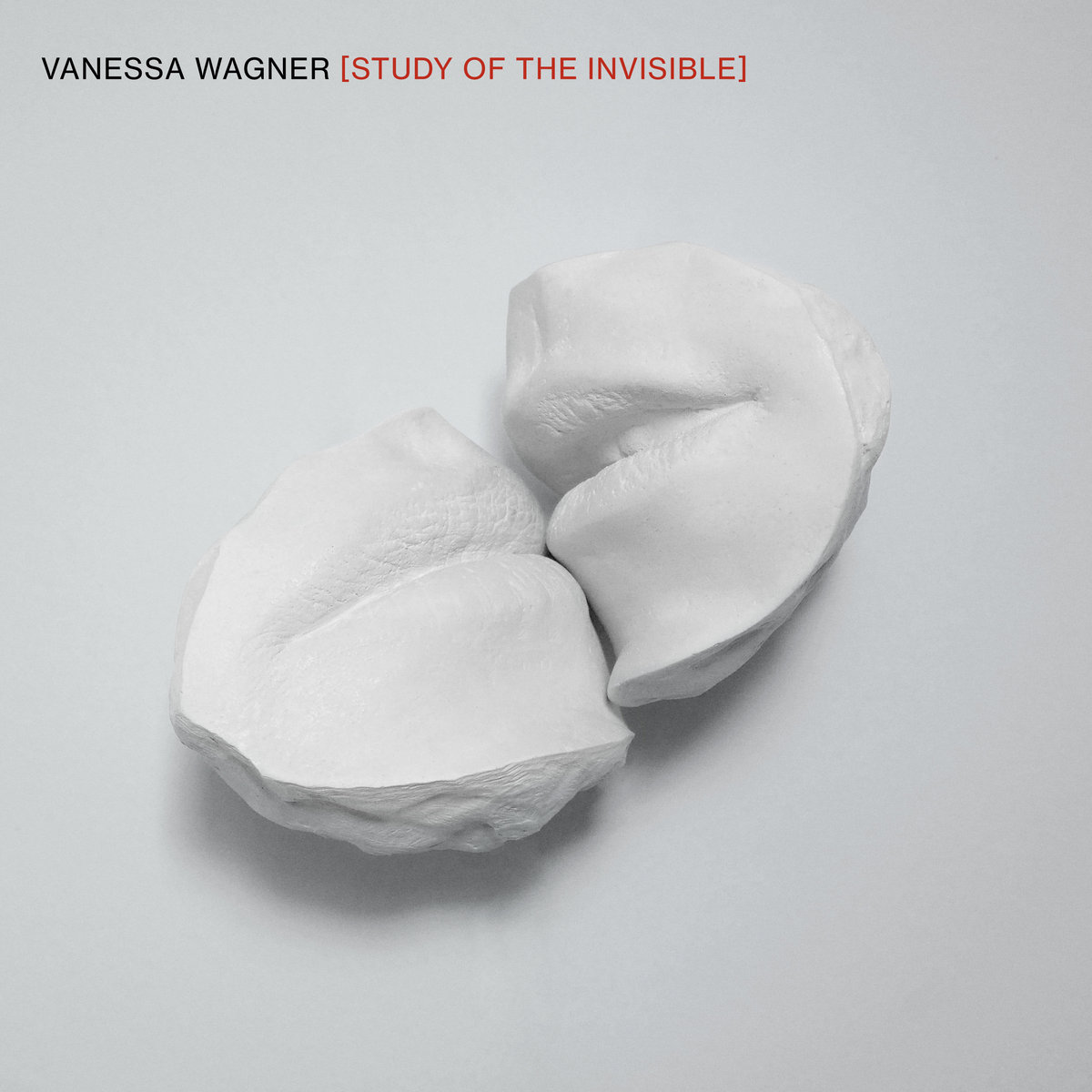
It was another strong year for electronic music of an ambient dimension. Switched On is the area of Arcana concentrating on new music in this area, and without putting too many musical names on these albums, we really enjoyed a good deal of slower stuff. Starting with a single instrument, Vanessa Wagner’s Study of the Invisible (above) made an understated but lasting impression, particularly with Caroline Shaw’s Gustave Le Grey at its heart. Vanessa plays with poise and expression, and this wonderfully curated selection worked so well.

Meanwhile long term favourite Erland Cooper charmed with his pure, still music written to soundtrack the Superbloom installation at the Tower Of London, Music For Growing Flowers (above). Speaking of earthy sounds, Sonic Cathedral gave us twilight wonders from Pye Corner Audio and, with a little more country in the mix, Sunset Dreams from Mark Peters.

At the hottest part of summer, Arthur King’s music was extremely evocative in Changing Landscapes – as was that of Deepchord, making a return to the long player from Detroit with Functional Designs. Steve Davis, meanwhile (yes, that Steve Davis!) was busy enhancing his reputation as part of the electronic trio Utopia Strong and their excellent album International Treasure

More studied electronica gems should also be shouted from the rooftops – we are lucky to have British artists of the calibre of Bibio, Gold Panda and Plaid, each returning with excellent new albums. Meanwhile Clarice Jensen took her cello as a starting point on new album Esthesis, making music of great colour and descriptive power to counter the onset of lockdown. Also facing the elements head-on was Daniel Avery, whose new album Ultra Truth was a powerful statement indeed:

There were some very strong releases on the classical side of things, as record companies dusted themselves down and started to include orchestral recordings again on their release schedules post-pandemic. Leading the way were the Sinfonia of London under John Wilson, a throwback to the golden age of orchestral recording in their challenging schedules for Chandos. With Hollywood, British and French music all covered, one in particular stood out, with the orchestral music of John Ireland given its rightful place in the spotlight:

Speaking of French music, a charmer from the Orchestre National des Pays de la Loire and Pascal Rophé proved the ideal hot weather soundtrack as it explored orchestral versions of Debussy keyboard works. Their accounts of the Petite Suite, La boîte à joujoux and Children’s Corner were full of colour and character.

This year saw the 150th anniversary of the birth of Ralph Vaughan Williams, one of the finest British composers of the 20th century. Somm Recordings made a memorable tribute by way of the undervalued string quartets, these lovely autumnal works given vibrant performances from the Tippett Quartet.

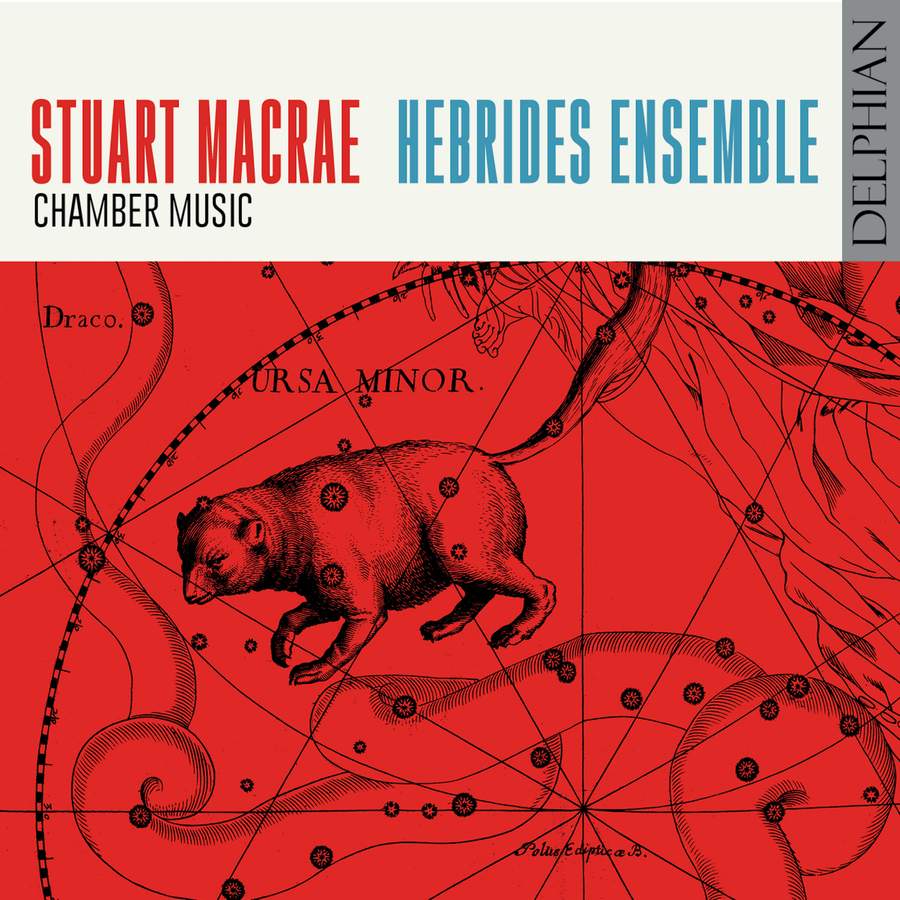
Contemporary classical music put in some very strong appearances this year, and few more than Stuart Macrae, showing off the quality of his chamber music on an album from the Hebrides Ensemble on the excellent Delphian label. We enjoyed a number of online and in-person concerts from the English Symphony Orchestra and Kenneth Woods, which were capped by an outstanding recording of Adrian Williams’ Symphony no.1, a commendable raising of the flag for new British music

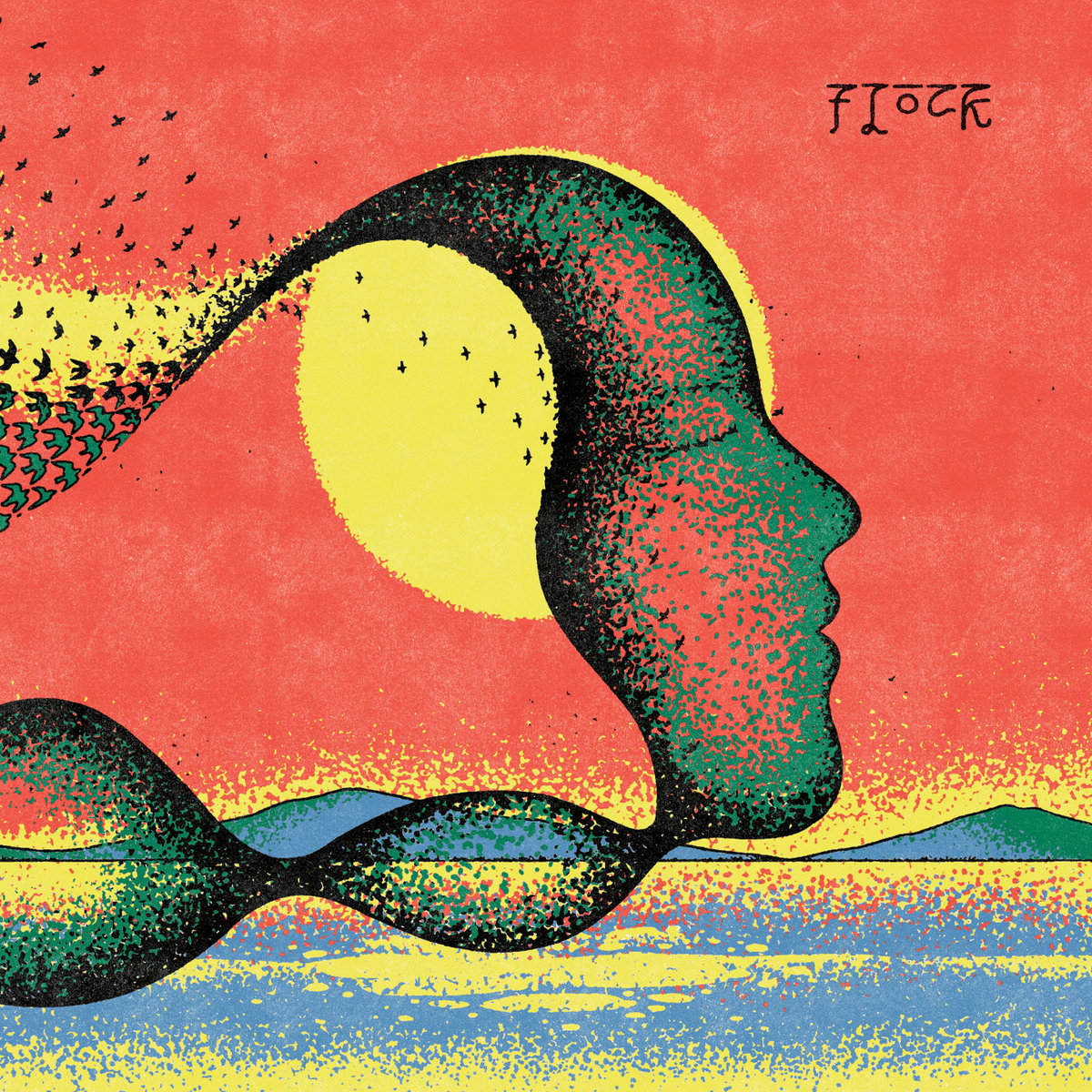
During 2022 we made a couple of visits to the outskirts of jazz, in the company of super group Flocktheir excellent self titled debut – and a triumphant and experimental return from Szun Waves.

On the dancier side of things, Heavenly Recordings excelled themselves this year with no fewer than six collections of remixes! We loved the first two instalments, which acted as a prelude to the utterly essential third and fourth volumes which brought together remixes from the much missed Andrew Weatherall.

The Haçienda celebrated 40 years since its inception with a handsome package from Cherry Red, while the best DJ mix honour goes to Cinthie – her contribution to !K7’s DJ Kicks mix series really was a thing of pure dancefloor enjoyment. So, too, was a John Morales-edited compilation devoted to the art of Teddy Pendergrass, vocalist for Harold Melvin & The Blue Notes.

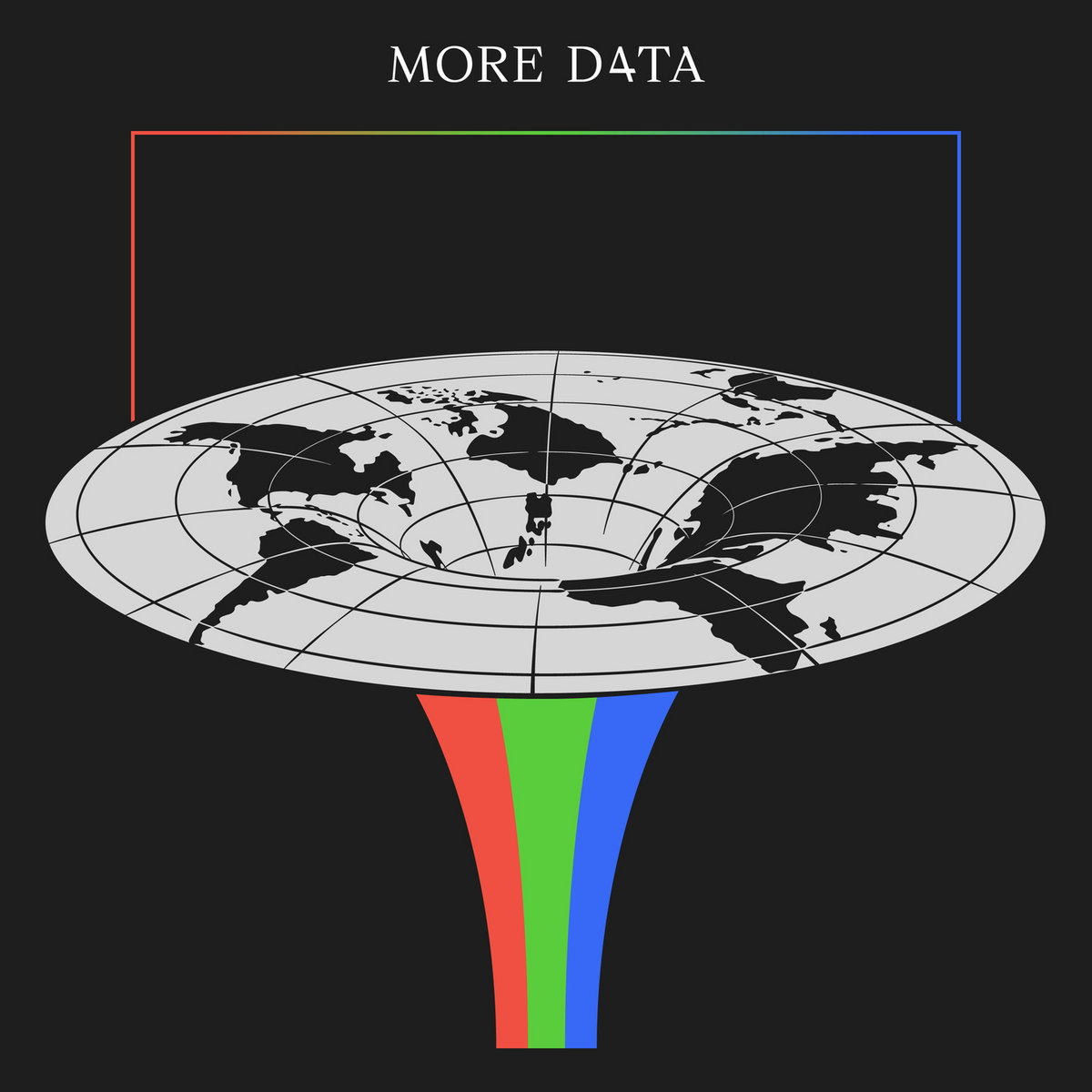
Cultured music for the discerning dancefloor came our way from Au Suisse, a welcome reunion for Morgan Geist and Kelley Polar, and also from Hot Chip, who further explored their emotions with an excellent and heartfelt eighth album. Moderat, returning after a long absence, went more for the jugular with the thrilling More D4ta

With all that said and done, what would an Arcana album of the year look like? Something like this…the most listened to long player of the year in these parts, Fleeting Future – a vibrant offering from Akusmi which channelled all sorts of intriguing influences into something wonderfully original:

We will have a few more reviews to come over this week – but for now, we thank all our readers for your visits and wish you a happy, peaceful and regenerative Christmas holiday season. Oh, and a Happy New Year for 2023!

Switched On – The Black Dog: Music For Dead Airports (Dust Science Recordings)

by Ben Hogwood

What’s the story?

This provocative title of a new EP release from Sheffield duo The Black Dog refers all the way back to Brian Eno’s celebrated four-part ambient work, Music For Airports – and also to the much more recent Music For Real Airports, a successful album from the duo released in 2010.

Here they present four tracks of a deeply personal nature, lamenting the demise of Sheffield’s two attempts at building lasting airports. The recordings were, in the duo’s words, “written in Sheffield airports, car parks and on the land where both once stood, channelling what should have been, instead of the feverish nightmares they became. Once again we find ourselves reflecting on the difference and why it has to be so.”

What’s the music like?

Dark, but also comforting in its ambience. The personal connection comes across, too, especially if you listen with the names of the airports in mind. Each of the four tracks is spread over a broad canvas – appropriate, given the sprawling nature of the sites under musical observation.

Mother Of Mine (GLA Airport) is first, based on a drone but with a slow oscillation between two principal pitches in the mid-treble. The variety comes from the slowly shifting bass and the changing shape of the field recordings in the middle ground.

The template set, the EP moves on to SHF Is Dead, which carries more worrisome feelings within its sharper tones, accentuated by the steady tread of the kick drum, revealing a dub influence. The bleak canvas of ISA DSA is up next, a true drone that gradually reveals more colour and solace as it opens out. Finally Sleep Deprivation Holiday presents a wall of sound, a drone that sounds like operating machinery but which offers an ambience all of its own.

Does it all work?

Yes – the four tracks work well as a thought-provoking sequence, and though they are describing man-made architecture there is a good deal of emotion at their core.

Is it recommended?

It is. The Black Dog continue to draw strong links between music and architecture, revealing in the process the emotion that is often unspoken when we talk about functional buildings. There is a certain beauty in their work, dark but also rather majestic – and because of this, Music For Dead Airports leaves a subtle but lasting impact.

Listen & Buy

Switched On – Daniel Avery: Ultra Truth (Phantasy Sound)

by Ben Hogwood

What’s the story?

On his albums to date, Daniel Avery has used music as a tool for escapism, dealing as he calls it in ‘misty-eyed euphoria’.

Ultra Truth is the first of his albums to take a completely opposite approach, looking to face the darkness of our times head on. Avery does so with a big production arsenal, aided by Ghost Culture and Manni Dee, while guest vocals are provided by HAAi, Jonnine Standish (HTRK), AK Paul with the voices of Marie Davidson, Kelly Lee Owens, Sherelle and James Massiah.

What’s the music like?

Given the brief outlined above, it comes as no surprise to report that Ultra Truth is a big beast of an album. It’s cover is a remarkably accurate guide to the music contained within, which twists and turns through various forms of discomfort, while also finding broad canvases of dark ambience. These become an effective and alluring backdrop.

The album is full of imaginative rhythms and big, big spaces. No space is bigger than the one found on the deeply mysterious Wall Of Sleep, which has a wall of sound and a thumping good rhythm, not to mention enchanting vocals from HAAi. Higher is equally immersive only with darker colouring, supported by an ominous bass sound. Lone Swordsman, meanwhile, has a fluorescent loop dancing in the middle distance

Sometimes the thick ambience can be oppressive, and Overflowing With Esscape expands so the speakers can barely contain its far reaching tendrils. By contrast, a track such as Collapsing Sky has an empty, remote feel – yet the floated chords still offer a form of consolation.

Avery’s rhythm tracks are often busy, providing a percussive clatter for the likes of Devotion, while thick and intensely ambient figures hang above like musical clouds. Only has more of a shoegaze / Cocteau Twins feel.

Does it all work?

It certainly does. As with his previous long players, Avery shows an effortless ease with structures large and small, meaning the listener can dip into individual tracks or pan out for the whole magnum opus.

Is it recommended?

Without hesitation. This is an artist whose body of work is gaining in stature with each release, as deep emotion and musical sensibilities sit seamlessly together. Another outstanding release.

Listen

Buy