by Ben Hogwood Picture courtesy Wise Music Classical
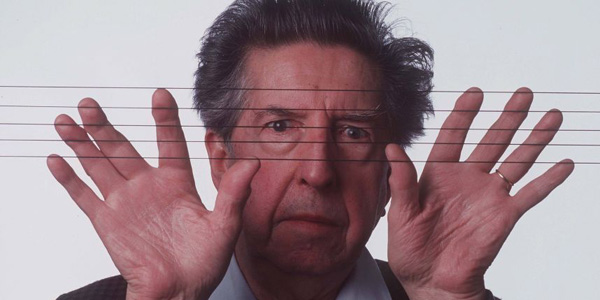
Today marks the 110th anniversary of the birth of Henri Dutilleux, one of the finest composers of the second half of the 20th century.
Dutilleux wrote distinctive music notable for its colour, clarity and concision, with works for orchestra and piano in particular that have proved both compelling and durable.
You can listen to two of these stand out works below – beginning with Métaboles, an orchestral work completed in 1964 and notable for its original orchestration and intensity:
Meanwhile Timbres, espace, movement, inspired by Vincent van Gogh’s painting La nuit étoilée (The Starry Night), was completed in 1978. The work is remarkably brought to life in this account:
Published post no.2,775 – Thursday 22 January 2026
London shoegazers Whitelands have released Blankspace, the fourth single from their forthcoming album Sunlight Echoes, due from Sonic Cathedral on 30 January.
There is an impressive depth to this track, for as the press release recognises there is “some real grit underpinning the melody. Unsurprising, as it’s about a particularly dark period in singer Etienne Quartey-Papafio’s life. “I was faced with mortality and very difficult things,” he says. “I’m still not sure how to talk about it.” “It’s about coming face-to-face with death, grief and mortality,” expands bassist Vanessa Govinden. “This one song became a way to carry all of that heaviness.”
You can watch the striking visualiser by Whitelands’ guitarist Michael Adelaja below:
In my humble opinion, 2025 has been a brilliant year for new music. Over the course of the year I have listened to more than a hundred new albums and have been fortunate enough to review a good many of them for musicOMH (Suede, Kae Tempest, Gruff Rhys and Cate Le Bon being just four examples) and here as editor of Arcana.
Rather than restrict our thoughts to numbers or ratings, I wanted simply to present albums that Richard Whitehouse and I have reviewed here and have been returning to frequently. You’ll see the musical variety on show is as broad as this site would like it to be! So, in chronological order…
…try listening to C Duncan’s It’s Only A Love Song without being drawn into his weather-beaten world of romantic expression. This is another beautiful and personal album, Duncan’s voice and musical command only improving with time. Tunng’s return is a cause for celebration, and the band’s lates album Love You All Over Again is a typically winsome mix of quirky musical thoughts and unexpectedly concentrated emotions, all expressed through catchy melody.
At the start of last year, California was in the grip of terrible fire. The musical response was nothing short of extraordinary, not least from Leaving Records, whose massive compilation Staying not only kept a high musical bar of ambience – in spite of the terrors – but raised money for the area’s troubled residents.
Gavin Higgins continues to prove himself to be one of the most interesting voices in classical contemporary music these days. If you wanted a good place to start, think no further than his 2025 album The Fairie Bride, a Lyrita release including the Horn Concerto.
Moving sideways into the worlds of shoegaze and electronica, we have a series of rather wonderful releases that graced the headphones in 2025. Guitarist Andy Bell – prior to reclaiming his position in Oasis – released the excellent pinball wanderer album, a record that proved to be “equal parts Krautrock and Manchester”, while over at Castles In Space, Andrea Cichecki found “an inner serenity and brightness” on her album Drawn Into The Edge Effect, bringing positive energy to her ambient music. Speaking of ambience, Pye Corner Audio also found the sweet spot that blends relaxation and invigoration, with the heavenly Lake Deep Memory album.
Bureau B continued their streak of excellence with one of the year’s best compilations. Silberland Vol.3 celebrates the ambient side of Kosmische Musik with music of great colour and charm. Darker worlds were explored by the electronica of the remarkable Cosey Fanny Tutti, whose new chapter 2t2 proved a compelling and occasionally foreboding piece of work. Similarly well-established are the Matmos duo, and like Cosey their spirit for exploration goes undimmed. Metallic Human Nature only allows metallic objects in its discourse, but the imagination of the pair comes through in their use of creaking doors, pots and pans to make a surprisingly moving whole.
Baxter Dury has a sort of charm, though you wouldn’t want to get on his wrong side! Allbarone is his finest solo achievement to date, channelling his family influence but raging against city slickers and the like in a series of wickedly funny and extremely catchy songs, ably assisted by JGrrey.
More music of a rhythmic bent comes from Ten City, with their joyous celebration The Next Generation. There are several spiritual highs to be enjoyed within their house music, thanks to a set that frequently hits the highs.
With these albums suitably praised, who should take the album of the year? Well I’m going to give it to the record I’ve revisited most often…which is Andy Bell’s pinball wanderer. Listen to it a few times and you’ll see what I mean!
Published post no.2,754 – Saturday 20 December 2025
To mark the 1st of November, here is the highly atmospheric tone poem that Sir Arnold Bax completed in 1917. November Woods is one of his most effective works, though in spite of its evocative title Bax said it “may be taken as an impression of the dank and stormy music of nature in the late autumn, but the whole piece and its origins are connected with certain rather troubled experiences I was going through myself at the time….”
You can enjoy it below in a performance with the Ulster Orchestra conducted by Bax specialist, the late Vernon Handley:
Published post no.2,705 – Saturday 1 November 2025
Today we mark two significant anniversary the world of classical music.
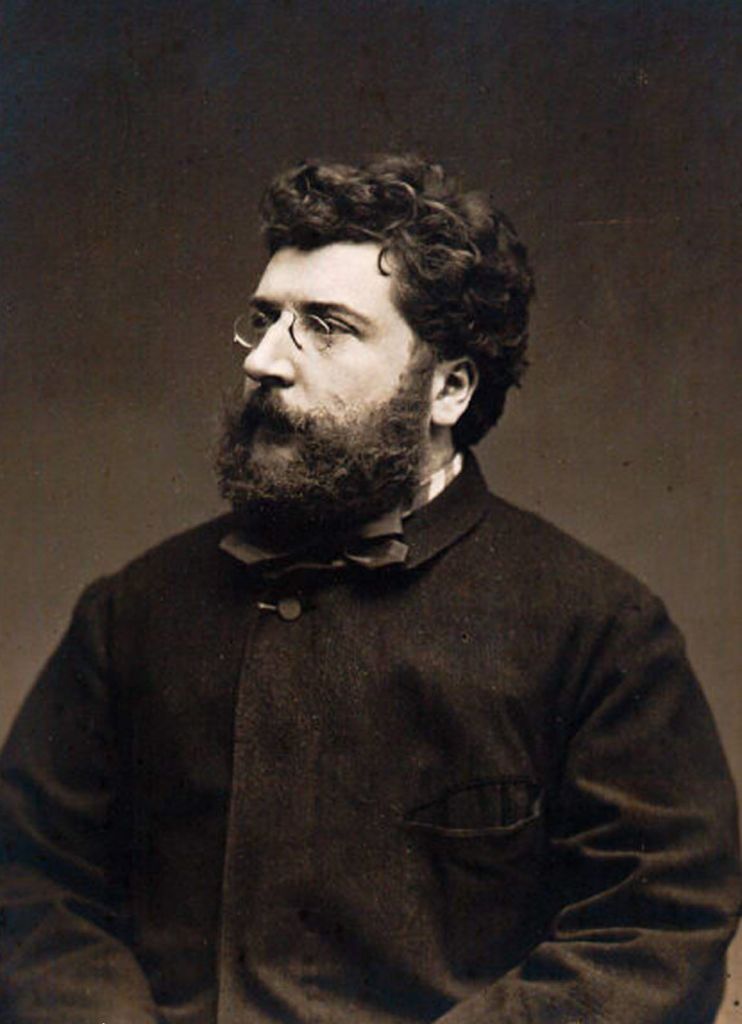
The French composer Georges Bizet died on this day in 1875. Primarily remembered for the opera Carmen, Bizet had many more strings to his bow, as a composer for the stage, the orchestra and the solo voice. One of his most popular orchestral works is the fresh-faced SymphonyinCmajor, which you can enjoy below:
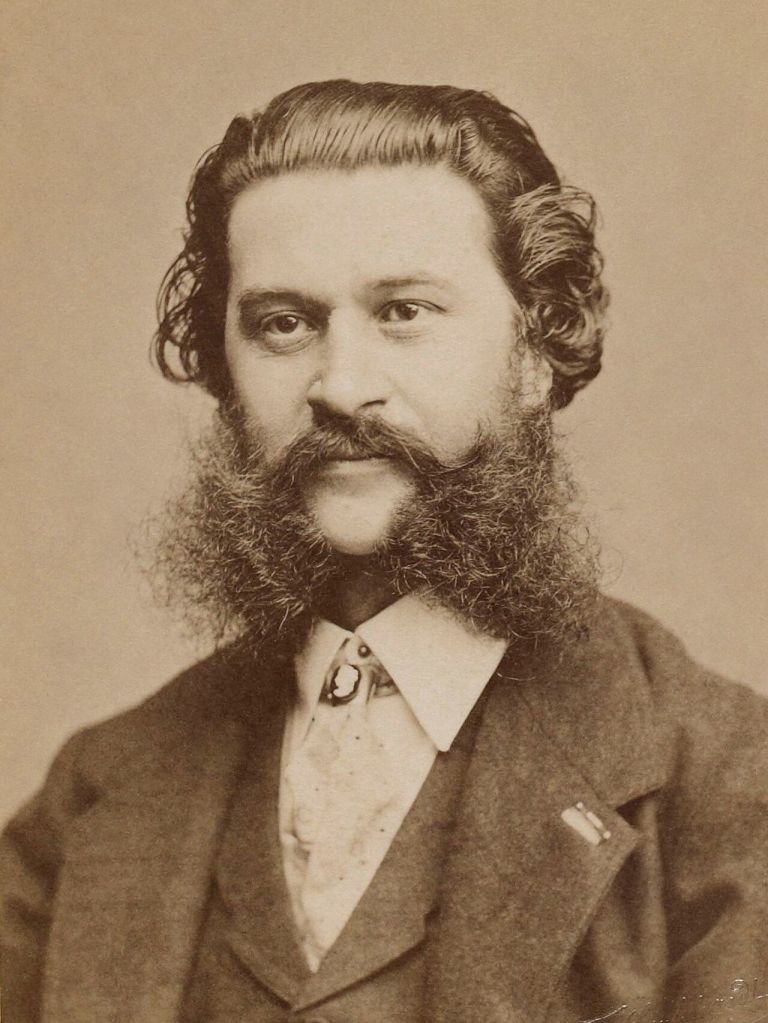
Meanwhile today also marks 200 years since the birth of the king of the waltz, Johann Strauss II. Among the miniature masterpieces in triple time that are such a feature of Johann’s output is the classic waltz OnTheBeautifulBlueDanube, performed below:



 Arcana.fm