BBC Proms 2023 – Felix Klieser, Bournemouth Symphony Orchestra / Kirill Karabits – Karabits, Mozart & Rachmaninoff

Prom 24 – Felix Klieser (horn), Bournemouth Symphony Orchestra / Kirill Karabits

Karabits Concerto for Orchestra no.1 ‘A Musical Gift to Kyiv’ (1980-81) [UK premiere]
Mozart Horn Concerto no.4 in E flat major K495 (1786)
Rachmaninoff Symphony no.2 in E minor Op.27 (1906-08)

Royal Albert Hall, London
Wednesday 2 August 2023

by Richard Whitehouse photos by Mark Allan / BBC

While not exactly a ‘best kept secret’, Kirill Karabits’ tenure at the helm of the Bournemouth Symphony Orchestra (soon to enter its 16th season) might have attracted even greater national attention than has been the case, with this evening’s Prom offering various pointers as to why.

One of Karabits’ concerns has been promotion of music from Eastern Europe in general and in particular Ukraine, where the role played by his father Ivan (1945-2002) was considerable. Written across the 1980s, the latter’s three Concertos for Orchestra follow on from those by his Russian forebear Rodion Shchedrin by homing in on facets of post-war music in a direct and accessible fashion. As its title indicates, his first such piece commemorates the Ukrainian capital – here the 1500th anniversary of its founding – over the course of a single movement whose monumental if never impersonal introduction leads into a series of evocatively scored episodes that culminate in a shimmering climax replete with the pealing of bells. The ending, as atmospheric as it proves unexpected, is just the most striking aspect of this engaging work.

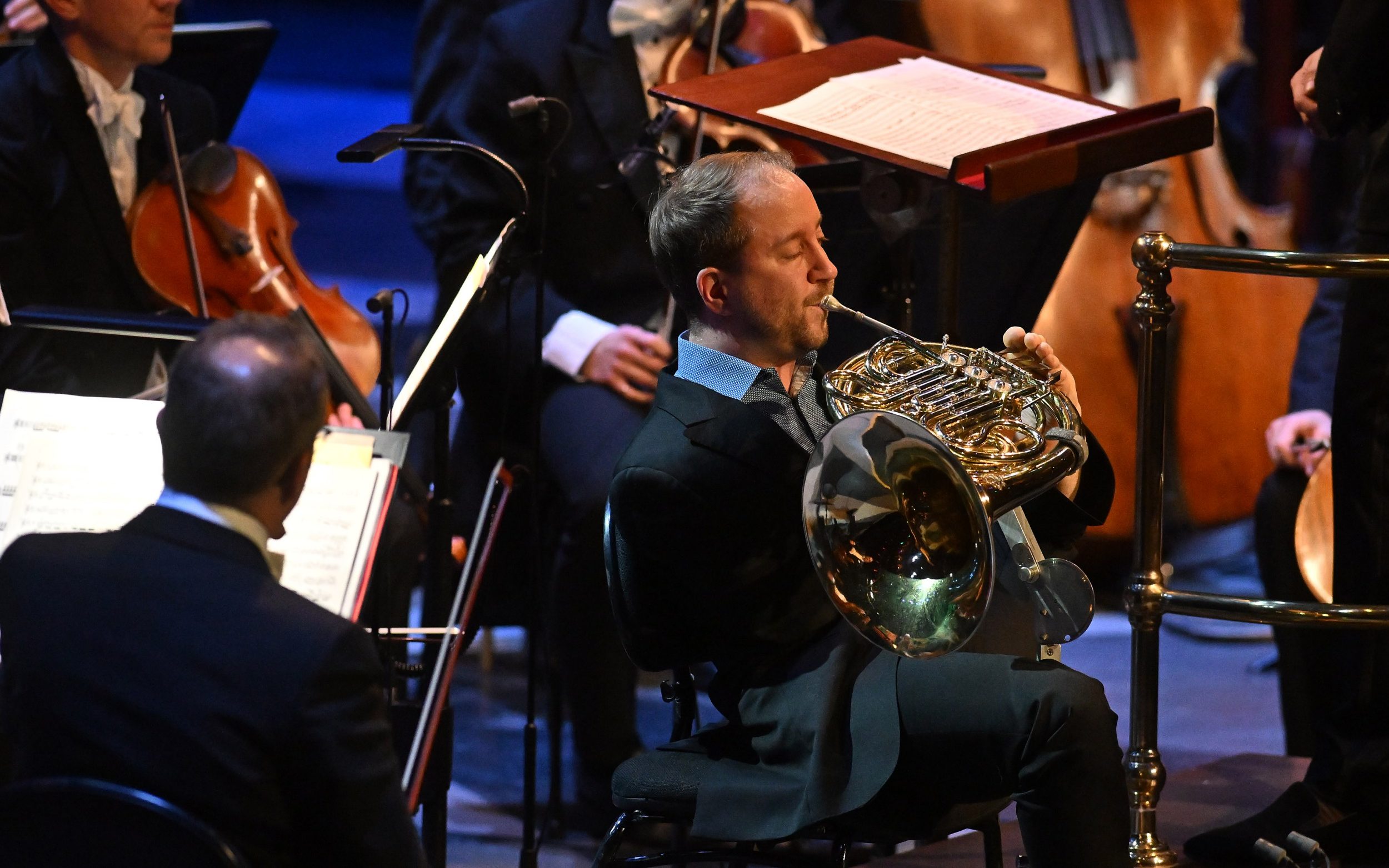
Equally unexpected, for those previously unaware, was the emergence of Felix Klieser on the Albert Hall platform to play Mozart’s Fourth Horn Concerto with his left foot. Not that those listening on the radio would have sensed anything unusual about this performance, Klieser’s warm and rounded tone a throwback to an earlier generation though melding seamlessly into the reduced orchestral forces. Most popular of its composer’s four such pieces (but not heard complete at the Proms for 34 years), its opening Allegro unfolded with an admirable balance between energy and grace; the Romanza exuding a charm that was never cloying and the final Rondo a pert humour. Clearly having enjoyed his appearance on this stage, Klieser returned for the finale of Mozart’s Third Horn Concerto with its even more overt hunting associations.

Prom 24 – The Bournemouth Symphony Orchestra conducted by Kiril Karabits (Felix Klieser horn) perform Ivan Karabits: Concerto for Orchestra No. 1, ‘A Musical Gift to Kyiv’ UK premiere, Wolfgang Amadeus Mozart: Horn Concerto No. 4 in E flat major and Sergey Rachmaninov: Symphony No. 2 in E minor at the Royal Albert Hall on Wednesday 2 August 2023 Photo by Mark Allan

Karabits (above) has not yet added Rachmaninoff to his Bournemouth discography, but his account of the Second Symphony suggests he should do so. A sombre yet alert introductory Largo set the course for an opening movement whose eschewal of histrionics did not preclude a powerfully cumulative response to its lengthy development or decisive take on its brief coda. The scherzo then had the requisite incisiveness, and if Karabits slightly over-indulged the ‘big tune’, there was no lack of impetus across its headily contrapuntal trio or glinting irony in its closing bars.

Almost over-familiar now, the slow movement demonstrably gained from a flowing and even lilting tempo such as encompassed its rapturous central section as securely as its serene main melody – with Barry Deacon the eloquent clarinettist on its first appearance. Uncut or not the finale can outstay its welcome, but Karabits duly had the measure of its festive progress – his headlong tempo making for a slightly jarring transition into the secondary theme, but with the gradual subsiding of activity at the centre then its stealthy re-accumulation assuredly handled.

Nor was the focus of his approach to this movement’s culmination in doubt, the return of the work’s ‘motto’ setting the seal on an engrossing and unusually cohesive reading which augurs well for this partnership even after Karabits relinquishes his post at the close of next season.

For more on the 2023 BBC Proms, visit the festival’s website at the BBC. Click on the names for more information on Felix Klieser, Kirill Karabits and the Bournemouth Symphony Orchestra – and composer Ivan Karabits
BBC Proms 2023 – NYO Jazz (USA) with Dee Dee Bridgewater

Prom 23 – NYO Jazz (USA) with Dee Dee Bridgewater

Dee Dee Bridgewater (vocals), NYO Jazz / Sean Jones (trumpet)

Duke Ellington trans. David Berger Braggin’ In Brass
Sean Jones The 29ers
Roy Hargrove arr. David Gibson Strasbourg/St. Denis
Duke Ellington arr. Slide Hampton Cottontail
Spencer Williams arr. John Clayton Basin Street Blues
Mongo Santamaría arr. Clayton Afro Blue
Newley / Bricusse Feeling Good
James Brown I Got You (I Feel Good)
Billie Holiday arr. Cecil Bridgewater Fine and Mellow
Leonard Lee arr. Frank Foster Let the Good Times Roll
Wycliffe Gordon We’re Still Here

Royal Albert Hall, London
Tuesday 1 August 2023, 10.15pm

by Richard Whitehouse photos by Chris Christodoulou / BBC

Jazz bands, battling or otherwise, have become something of a fixture for late-night Proms and this latest instance saw a debut at these concerts for NYO Jazz – together with a singer who has kept the role of jazz vocalist, long synonymous with big-bands, well and truly alive.

The latest incarnation of the jazz youth orchestras having emerged from Carnegie Hall over this past decade, NYO Jazz may have been relatively modest in numbers but lacked nothing in impact. That virtually all its members fell into the 18-25 category was duly belied by the sheer technical facility but also the versatility – whether individually or collectively – with which they ranged across the spectrum of styles as encompassed by the big-band medium, much of it suitably demonstrated by the 10 numbers that comprised this evening’s set-list.

The programme was launched in fine fashion with a sassy take on Duke Ellington’s Braggin’ in Brass, giving each of the orchestra sections its time in the spotlight. An energized presence as trumpeter and director, Sean Evans contributed a distinctive number in The 29ers, a tribute to jazzers born on the 29th of the month (not least Ellington); the prominence accorded brass and reeds complemented by limpid cameos for guitar and piano. Next was a smouldering take on Roy Hargrove’s Strasbourg / St Denis and notable for its intensive work-out on double bass.

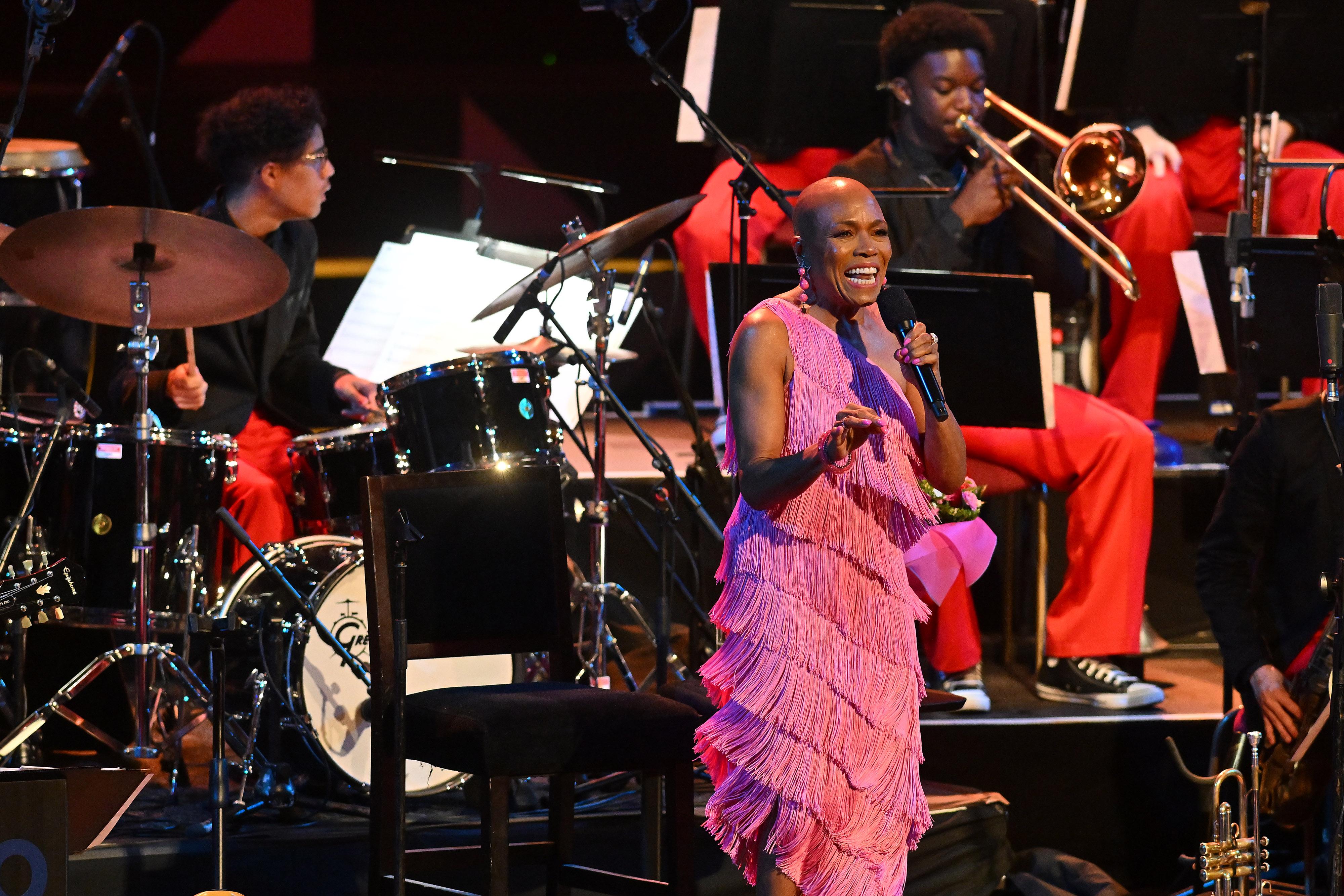
Dee Dee Bridgewater – singer, actor, magnetic stage-presence and one of a (surprisingly?) select handful of vocalists who have moved between the very different domains of jazz and pop – then took the stage for an animated take on Ellington’s Cottontail, her distinctive scat to the fore alongside the NYOJ’s reeds. This was followed by the sultry strains of Afro Blue by Mongo Santamaría, its Cuban antecedents evident through driving percussion and lyrics whose ‘shades of delight’ sentiment was everywhere apparent. It might have had a complex genesis but the Anthony Newley / Leslie Bricusse number Feeling Good, later immortalized by Nina Simone, segued effortlessly into the James Brown classic I Got You (I Feel Good) – this latter’s swaggering impetus abetted by a visceral solo contribution from baritone sax.

The tempo relaxed incrementally for a soulful take on Billie Holiday’s Fine and Mellow, its all-round looseness enhanced by contributions on double bass, drum-kit and piano. Spencer WilliamsBasin Street Blues is a breezy number whose homages to Ella Fitzgerald and Louis Armstrong were uncannily emulated by Bridgewater’s vocal. She rounded off her sequence with a roistering take on the Shirley Goodman / Leonard Lee number Let the Good Times Roll, made famous by B.B. King and whose roster of brass here featured a stentorian trumpet solo.

Throughout this set (evidently designed with the requirements of a late-night Prom in mind, and one where only a few punters were seen leaving before the close), the NYOJ musicians gave their all. Sean Jones took lead on vocal and trumpet for the fervent groove of Wycliffe Gordon’s We’re Still Here, notable for its contributions from piano and electric keyboard – which instruments partnered Jones in his calmly affectionate allusion to the Londonderry Air, just before the final moments let rip to the undoubted delight of those on and off stage.

For more on the 2023 BBC Proms, visit the festival’s website at the BBC. Click on the names for more information on NYO Jazz, Sean Jones and Dee Dee Bridgewater.

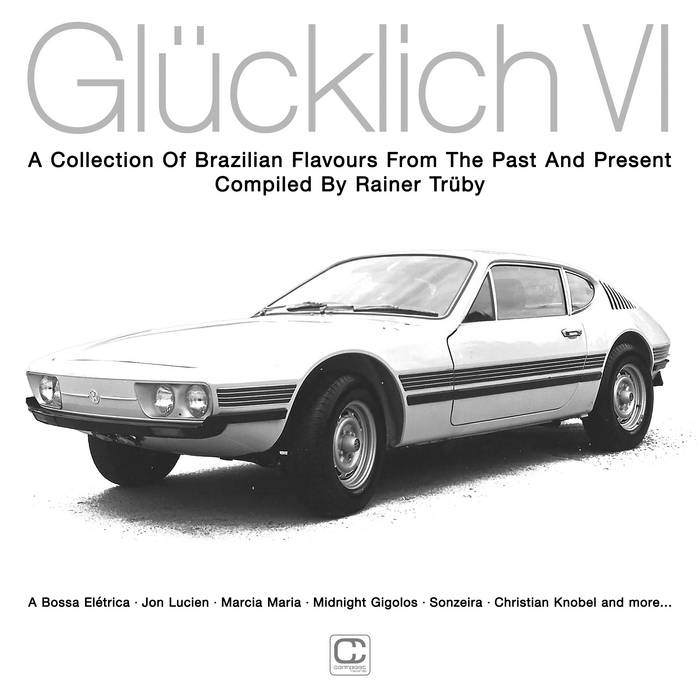
On Record – Various Artists: Glücklich VI compiled by Rainer Trüby (Compost Records)

by Ben Hogwood

What’s the story?

After a long time on hyetas, Rainer Trüby adds a sixth instalment to his Glücklich series, celebrating Brazilian and Brazilian-flavoured music, old and new.

Trüby is a fanatical collector, leaving no stone unturned in the pursuit of happiness, scooping up a number of rarities and vinyl-only gems along the way. It may be two decades since the last Glücklich release, but this one draws on all the elements that made the first five volumes essential for collectors and Brazilian music devotees.

What’s the music like?

Smile-inducing. If you have collected the series to date, you will know what to expect, but for the uninitiated the music here gives an instant, uplifting fix.

If Jon Lucien’s Come With Me To Rio doesn’t get you, with its promise of ‘doing the samba when they want’, then Debbie Cameron & Richard Boone‘s breezy Stop Foolin’ Yourself will. Jean-Marc Jafet‘s Offering goes with a swing, as does Marcia Maria’s piano-fuelled Brasil Nativo.

On the cool side sit Midnight Gigolos with Brother Samba and a winsome Portuguese-language cover of Roy Ayers from Swedes A Bossa Elétrica, Sob A Luz Do Sol.

Meanwhile Trüby himself gets in on the act with a sultry remix of the Gilles Peterson project, Sonzeira‘s The Mystery Of Man.

Does it all work?

Yes. The loving attention to detail extends throughout the tracklisting and as far as the artwork, which once again links Germany and Brazil – the car being a Volkswagen SP2 manufactured in Brazil between 1972 and 1976.

Is it recommended?

It is great to see Rainer Trüby picking up where he left off with this series, investing a great deal of love and devotion into the music. Because of that we get a winsome collection of music capable of bringing the sunshine to any summer.

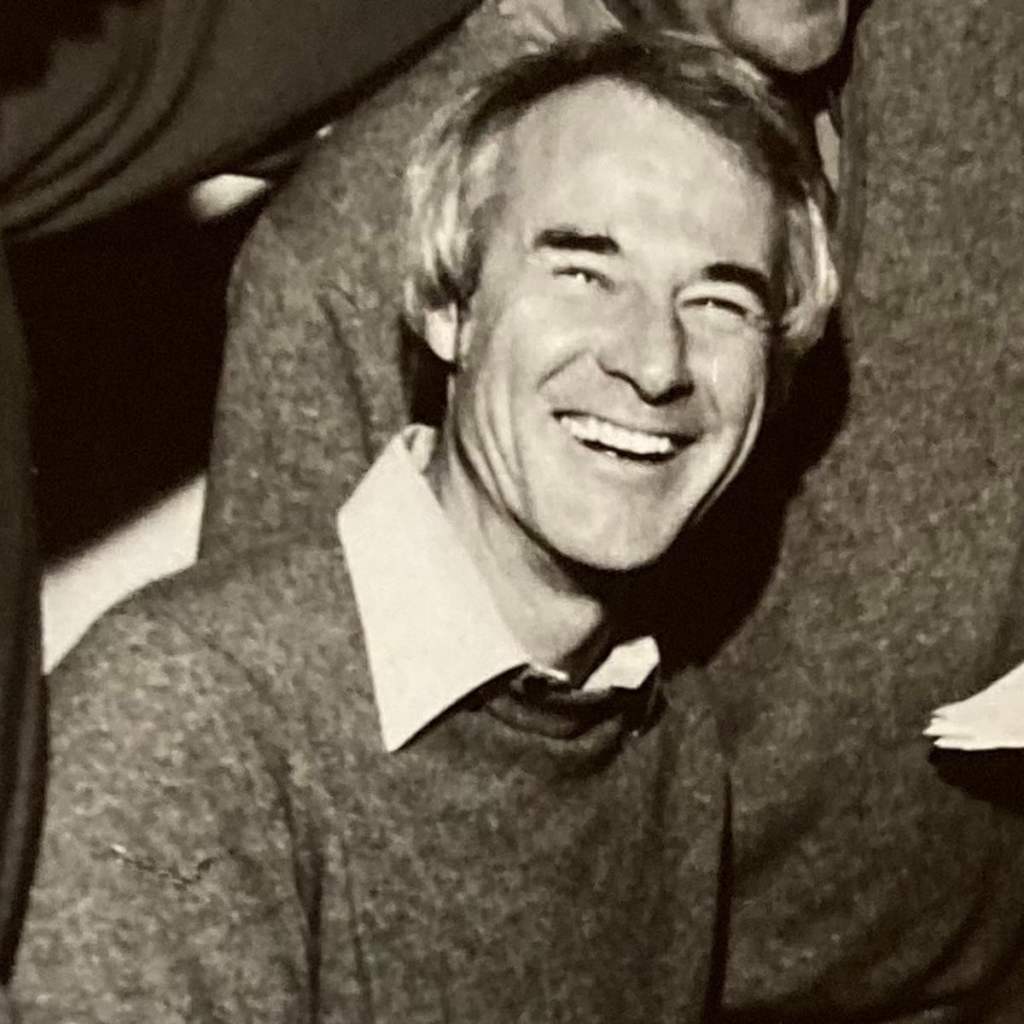
In appreciation – Jim Parker

by Ben Hogwood

Yesterday we heard of the sad news of the death of Jim Parker – who, as this wonderful Guardian obituary illustrates, was a composer of rare talent for the small screen.

One of Parker’s calling cards was the music to the much loved British TV mainstay Midsomer Murders. If you’ve watched any of the episodes you will be aware of the musical attention to detail in the scene setting, Parker providing a vivid guide to the action taking place on screen, and hamming up the drama as and when needed.

That’s before we get to the theme, of course, which has become one of the most distinctive on TV with its gurgling clarinet and spooky mellotron.

Switched On: OGRE Sound – WILDER (OGRE Sound)

by Ben Hogwood

What’s the story?

As OGRE Sound, Robin Ogden makes music for imaginary films.

In the case of WILDER, his brief is to explore isolation – or, in his words, ‘daily life as an allergenic catalyst for revolution; the closed community as incubator for human dysfunction’ or – deep breath – ‘the occultation of violent aberrance and taboo pathologies birthed from vicious (sub)urban boredom’.

What’s the music like?

Ogden’s words make more sense when the Ballardian soundscapes stretch out in front of the listener – but this is slow, intense music that reveals its secrets gradually, incrementally, keeping a firm grip on its structure. 

The mind’s eye has a constant picture thanks to Ogden’s descriptive writing, which can move from bleak vistas to richly layered soundscapes.

He employs big percussion for A Devil With His Horns and Wilder, while by contrast some of the shorter numbers prove to be disconcerting interludes. Intensity Is The Love Of The Beholder stretches out with sustained lines and a soft, consoling loop. Crucible is darker, glowering in the half light.

With its solid drum track and slightly quicker tempo, Children Of Revenge has an unmistakable ‘closing credits’ feel.

Does it all work?

It does. If you enjoyed the soundtracks to the likes of Stranger Things or The Rig then you’ll get a good deal from Ogden’s writing here. If anything some of the interludes could have been elongated to make more substantial numbers.

Is it recommended?

Yes – with power and precision, OGRE Sound makes a strong impression.