BBC Proms 2023 – Geneva Lewis, BBC National Orchestra of Wales / Jaime Martín – Pejačević, Grace Williams & Holst

Prom 32 – Geneva Lewis (violin), BBC National Orchestra of Wales / Jaime Martín

Pejačević Overture in D minor Op.49 (1919) [Proms premiere]
Williams Violin Concerto (1950) [Proms premiere]
Holst The Planets Op.32 (1914-17)

Royal Albert Hall, London
Tuesday 8 August 2023

by Richard Whitehouse photos by Chris Christodoulou / BBC

Although this evening’s Prom did not quite conform to that ‘overture – concerto – symphony’ format it came quite close, with its first half bringing to the attention of a near-capacity house two representative pieces by women composers who most definitely warrant greater exposure.

The centenary of Dora Pejačević’s death has duly consolidated what was already a burgeoning reputation curtailed by her untimely demise at only 37. Written two years after her impressive Symphony, which Sakari Oramo has performed and recorded (and will revive at these concerts on August 14th) to great acclaim, the Overture is a curtain-raiser as succinct as it is eventful – ably contrasting its respectively impetuous and equable main ideas in a tensile development, then on to a coda which rounds off this immensely appealing piece with decisive affirmation.

With Jaime Martín an animated podium presence, the BBC National Orchestra of Wales gave it a rousing rendition then was no less finely attuned to the very different ethos of the Violin Concerto by Grace Williams, which it premiered (as the BBC Welsh Orchestra) 73 years ago. There have been few performances since but, on the basis of that tonight, New Zealand-born Geneva Lewis is an eloquent advocate – even if the initial Liricamente arguably needed more purposeful sense of direction for its pensive and often searching inwardness not to risk inertia.

Not that Lewis’ unforced manner or tonal elegance were other than appropriate in this music, as was demonstrated even more directly in the central Andante with its impressionist eddying of melodic phrases and fastidious timbral shading. Following without pause, the final Allegro brought the work’s only fast music in which Lewis’s deftness and articulation gained through her assured coordination with BBCNOW. The cadenza was incisively despatched, while the ensuing coda brought the work to a close the more satisfying for its teasing unexpectedness.
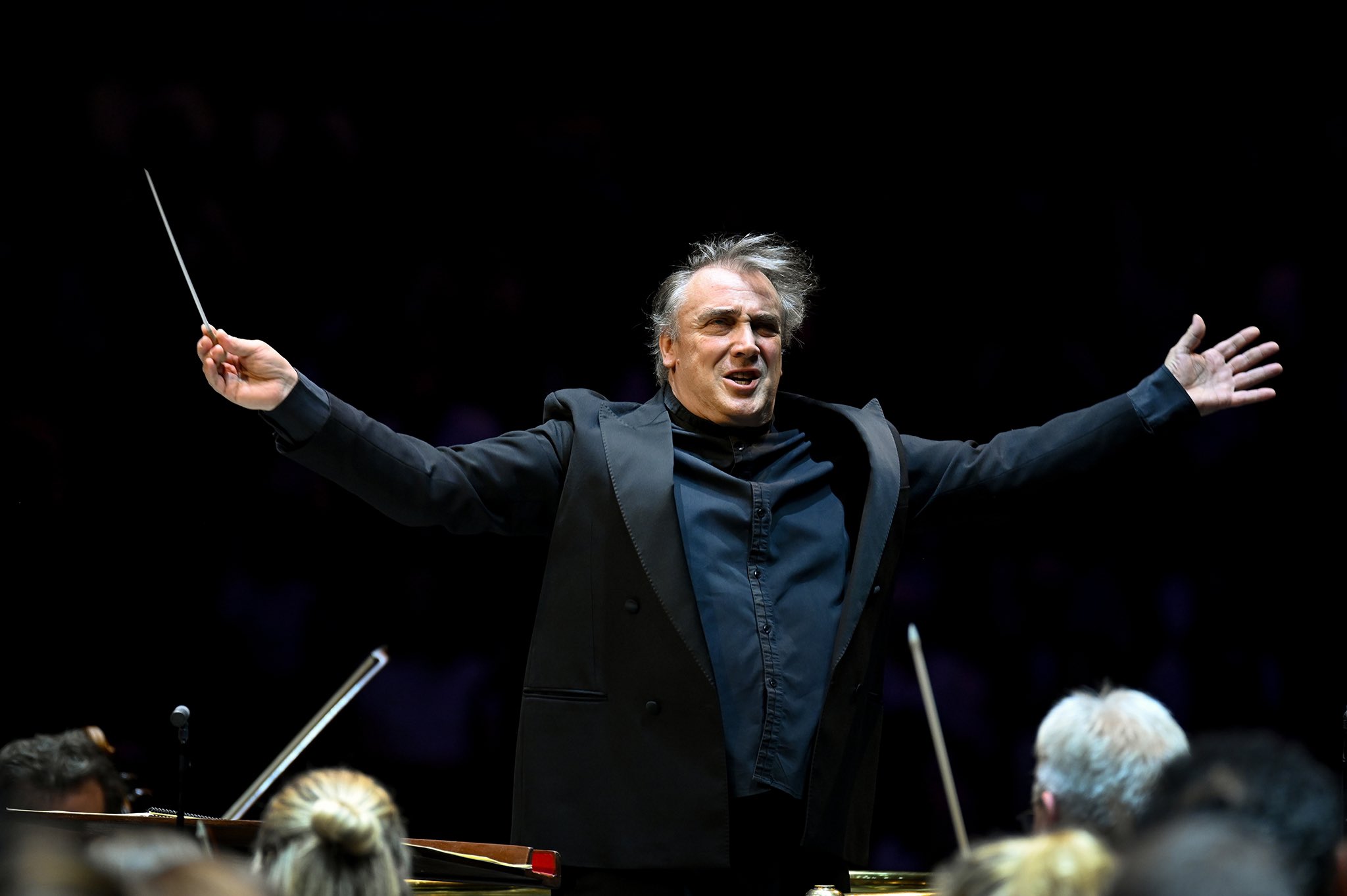
There cannot have been many Proms season this past half-century when Holst’s The Planets has not been played, and it would be good to have welcomed this account more consistently. As it was, the performance took time to recover from a Mars whose stolid tread and lack of textural clarity made for a less than gripping traversal. Venus was better, for all that Martín’s fluctuations of pulse undercut its essential raptness, and though Mercury started off with the requisite humour, some effortful playing in its latter stages left the music feeling earthbound.

This was less of an issue in Jupiter, whose outer sections had all the right verve and energy, even if the trio’s indelible tune verged on the blousy. Pacing its stark opening bars effectively, Martín rather rushed the baleful climax of Saturn, though the radiance of what followed was nothing if not eloquent and bought the best out of BBCNOW. Uranus was almost as fine in this respect, and if the central processional sounded affable rather than sardonic, the sudden emptiness of its closing stages prepared well enough for the otherworldliness of Neptune.

If Martín might have obtained even more hushed and inward playing in this final movement, a sensuous contribution from the London Symphony Chorus enhanced the music-making. An enjoyable reading, albeit one where the whole was less than the sum of its individual planets.

For more on the 2023 BBC Proms, visit the festival’s website at the BBC. You can also click on the link to listen to Dora Pejačević’s Cello Sonata, performed by Laura van der Heijden and Jâms Coleman as part of their Proms at Dewsbury concert on 6 August.

Meanwhile click on the names for more information on artists Geneva Lewis, Jaime Martín and the BBC National Orchestra of Wales – and for information on the composers Dora Pejačević, Grace Williams and Holst
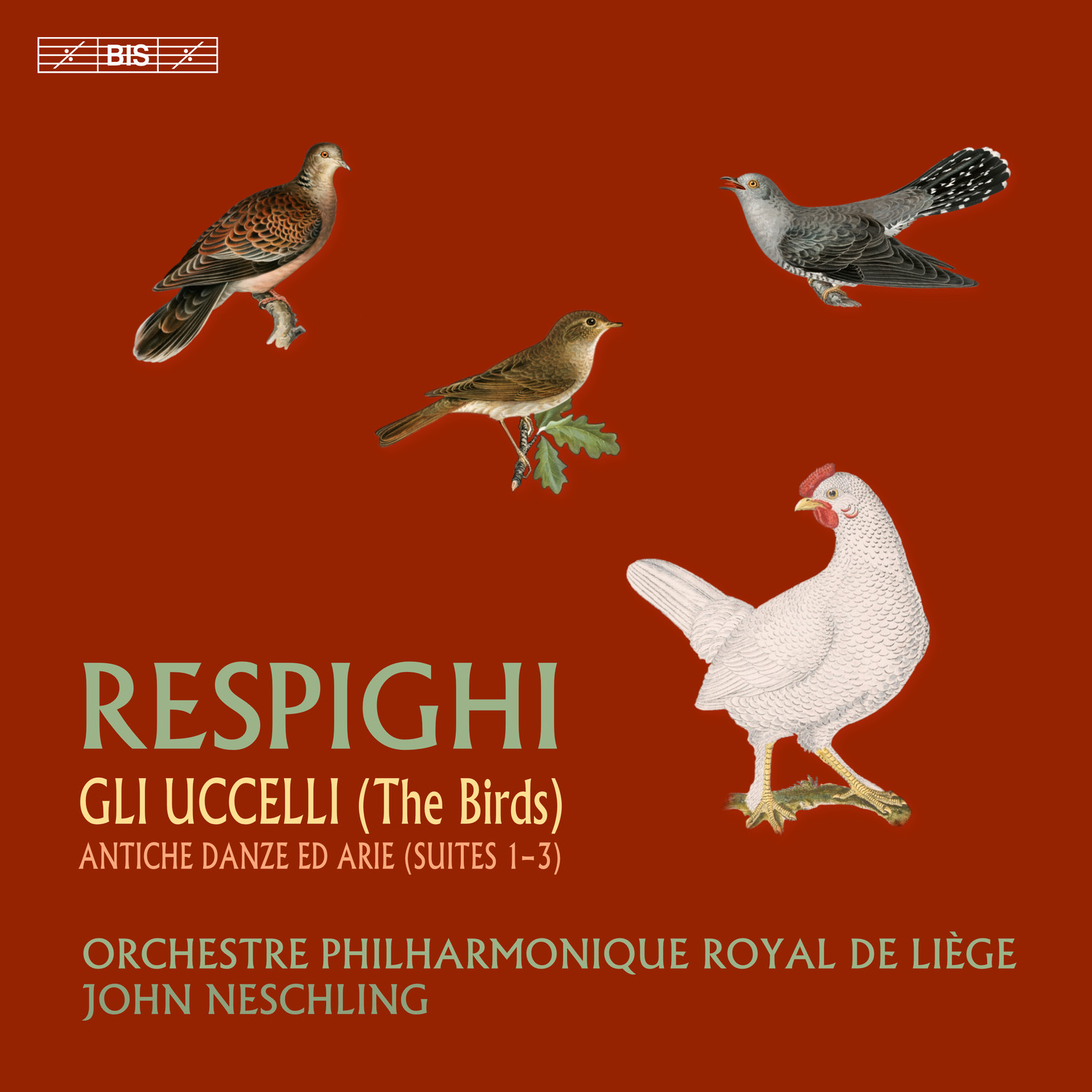
On record – Orchestre Philharmonique Royal de Liège / John Neschling – Respighi: The Birds & Ancient Dances and Airs (BIS)

Orchestre Philharmonique Royal de Liège / John Neschling

Respighi
Gli uccelli (The Birds) (1928)
Antiche danze ed arie (Ancient Airs and Dances):
Suite no.1 (1917)
Suite no.2 (1923)
Suite no.3 (1931)

BIS BIS 2540 SACD [75’30”]

Producer Ingo Petry
Engineer Fabian Frank

Recorded 5-9 July 2021 at Salle Philharmonique, Liège, Belgium

Written by Ben Hogwood

What’s the story?

With this release, BIS add a seventh instalment to their richly productive survey of orchestral music by Italian composer Ottorino Respighi. Known primarily for his colourful Roman trilogy, Respighi’s output is often restricted in its exposure, and the BIS series is providing an excellent guide to his craft as a master orchestrator and expansive, often flamboyant melodist.

What’s the music like?

With this collection, John Neschling and the Orchestre Philharmonique Royal de Liège look with Respighi to the past. Gli uccelli (The Birds) is a wonderful work, a suite of five character pieces profiling birds as originally seen through the eyes of 17th and 18th century composers in works for harpsichord or lute. With a little extra musical material and plenty of imagination Respighi brings the various species to life through the colours of a medium-sized symphony orchestra, using contemporary techniques but always letting the winsome melodies shine through.

The three suites of Ancient Airs and Dances show his knowledge and love of music from a more distant past, being orchestrations of works originally written for lute by Italian and French composers in the 16th and 17th centuries. They provide a wide emotional range, too, from the exuberance of the first two suites to the more solemn intonations of the third, which is for string orchestra only. Each suite is a progression of dance movements, meaning the listener’s foot will often be tapping, while by contrast the slower dances have an elegance and solemnity that gives them extra emotional impact.

Does it all work?

It does, especially in these performances, where Neschling leads the Liège orchestra in strongly characterized accounts. The Birds that is notable for its affection and flair, and listeners could easily play ‘guess the bird’ and be right more often than not! A beautiful oboe solo sets La colomba (The dove) aside, while flute, bassoon and horn are affectionate companions as they portray L’usignuolo (The nightingale). These contrast with the perky steps of La gallina (The hen), clucking as it struts around, not to mention a bracing Preludio and the wonderful ‘call and response’ of Il cucù (The cuckoo).

The Ancient Airs and Dances are just as good. Initially the tempo for Suite no.1 Balletto suggests it might be too slow, but the orchestral phrasing ensure this is not a problem and the ensuing Gagliarda has beautifully contrasting sections. The string soloists in the Villanella deserve credit for their obvious affection, while the brightly lit Passo mezzo e Mascherada closes an ideal performance.

The Suite no.2 begins with an alternately tender and exuberant Laura soave, which cuts to a bracing Danza rustica. The extended Campanae parisienses and Aria shows off Respighi’s talents as an orchestral painter, with emotive chorales for wind and strings, before a spirited Bergamasca.

The relatively sombre third suite is elegantly turned, with an attractive Italiana and Sicliana. These bisect the Arie di corte, where elegiac violas take the lead with brighter sections inbetween. The closing Passacaglia is increasingly dramatic, Neschling executing the darkness to light transition with power and panache.

Is it recommended?

Wholeheartedly. Collectors of the series will not hesitate, but this is also an ideal starting point for anyone interested in Respighi’s work. All concerned deserve a vote of thanks for versions of these works that go right to the top of the digital pile.

Stream

Buy

For more information on this release visit the BIS website

Switched On: Mr Scruff – Trouser Jazz (Ninja Tune)

by Ben Hogwood

What’s the story?

To celebrate the 20th anniversary of Mr Scruff’s second album, Ninja Tune are making it available as a 2LP reissue. This is excellent news for DJs and vinyl consumers, for as anyone will know the appeal of Mr Scruff lies not just in the music but in the accompanying art and package. To that end, the LPs are in blue and red vinyl, with artwork from Mr Scruff & Airside with – brilliantly – an ‘infinity peelable trouser sticker on the cover to reveal silver and gold foiled 20th anniversary trousers’.

What’s the music like?

The great thing about this reissue is that it lies wholly in the spirit of the album. Trouser Jazz was a breath of fresh air when it was released in 2002 and it remains the same today. Few tracks bring more cheer than the breezy Sweetsmoke, especially if you experience it via the video:

The vocal guests on Trouser Jazz are extremely well chosen, too – from the beautifully floated delivery of Seaming To, who graces Beyond and Valley Of The Sausages (!), to the fun rapping of Braintax on Vibrate.

There is also a winsome sense of humour running through the album. The well-chosen samples and original riffs brim with optimism, and have a brilliant sense of mischief about them. Listen to Shrimp, as its loose funk and jazzy overtones skate between the beats, or Ug, which has a bass line that is just plain weird. Shelf Wobbler is excellent, with its abundance of percussion and lithe hip hop beat, as is the vibrant sax on Champion Nibble. Scruff always gives good rhythm, but his music often carries a whiff of nostalgia, too. Come Alive wears a light melancholy, looking back towards the Style Council in its bass.

Does it all work?

It sounds as good now as it did in 2002!

Is it recommended?

If you didn’t buy it originally, what are you waiting for?

Listen

Buy

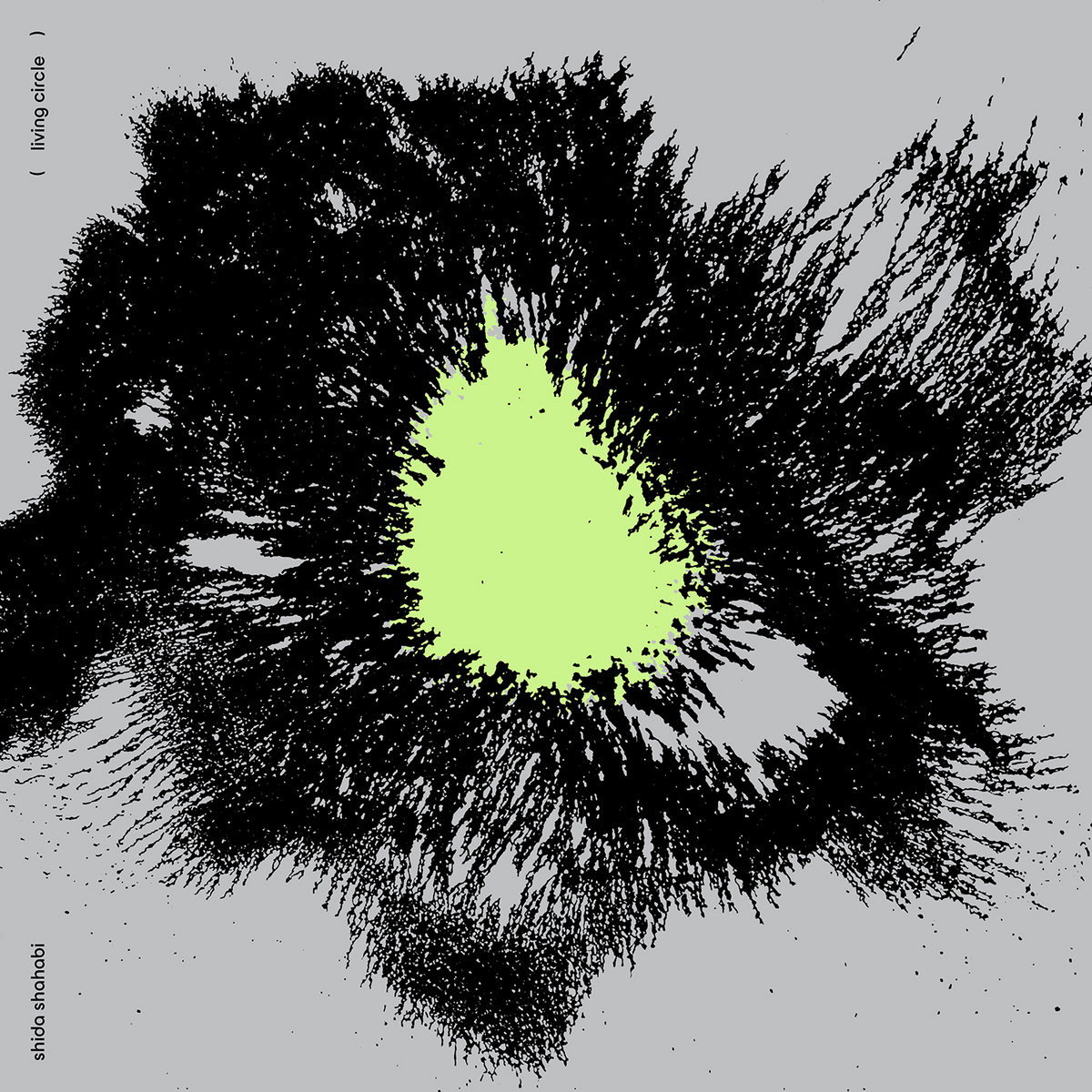
Switched On: Shida Shahabi – Living Circle (130701)

by Ben Hogwood

What’s the story?

For her second album, the Swedish-Iranian composer Shida Shahabi reaches beyond the intimacy of the piano, looking for bigger surrounds. Homes, her first album in 2018, drew acclaim for its intimacy and storytelling from the solo instrument, but this time the unhurried music has a bigger stage from which to make itself known.

What’s the music like?

Deep and meaningful. This time Shahabi operates within larger structures – two tracks push ten minutes, while two are just shy of seven. With that said, the seven tracks are effectively movements of the same suite.

Living Circle begins in meditative mood. Over a low drone, featuring scrunched up double bass parts for Gus Loxbo, a lone cello (Linnea Olsson) intones a chant of deep resonance for Kinsei. This opens out beautifully into the wide-open textures of Deep Violet Of Gold. The cello is present here too, in its rawest form, but the melodic lines reach for higher points to a backdrop of soft, cloudy textures. Gradually the backdrop cracks under the weight of white noise, and the track becomes a great whoosh of sound through which the low cello can still be heard, before reaching a remarkably powerful coda. The title track brings in softly tolling piano, over which the cello lines soar as though on the wind. The music takes slow twists and turns, telling a deeply spiritual tale.

After these two substantial tracks the music pulls back for a thoughtful meditation, beautifully managed in Aestus, which, like Deep Violet Of Gold, features the pure tones of vocalists Julia Ringdahl and Nina Kinert. Tecum is more of a portrait, shaded by electronics and a cloudy backdrop taking Shahabi’s music closer to the world of science fiction. The increasingly serrated bass tones suggest a threatening presence.

Remain is a calming response, initially with lightly brushed solo piano but with the gradual introduction of touching strings from the back to the front. To close, Tree Mountain is rich with thick ambience, one of those drones the listener can dive into, while the solitary cello intones again, recreating the atmosphere if not the same music as the start.

Does it all work?

It does – but for maximum impact listening to the whole album is recommended. An immersive listening experience is also more rewarding, either on headphones or a surround sound system, allowing Shahabi’s manipulations of perspective to cast their full spell.

Is it recommended?

Yes. Living Circle is an absorbing, compelling album that shows just how far Shida Shahabi is developing as a composer. Her music makes a lasting impression.

Listen

Buy

Switched On: Amongst The Pigeons – Embrace The Point Of No Return (Peace & Feathers)

by Ben Hogwood

What’s the story?

Two years on from Silence Will Be Assumed as Acceptance, Daniel Parsons dons the feathers once more for his fifth album under the pseudonym Amongst The Pigeons. While the excellent 2021 opus railed against the pandemic and its accompanying politics in the UK, this one charts a more personal journey.

Daniel has always been refreshingly open about the anxiety with which he has to battle on a regular basis, and armed with a weighty production arsenal he has come out all guns blazing to take it on. Alongside the writing of this album his discovery of the benefits of running means Embrace The Point Of No Return – its title inspired by a Disclosure song – has a distinctive and regular spring in its step.

What’s the music like?

This is an album that fizzes with kinetic energy, moving with purpose but enjoying the scenery on its journey too. Parsons’ knowledge of electronica past and present informs his musical moves, but that doesn’t mean his writing is derivative in any way – merely that it is economical with its abundance of inspiration. For this is a set of tracks packed with melodic content, busy rhythms and uplifting chord progressions.

Among the many highlights are Nightshade, where an excellent, slightly slower number is spiced up with Caribbean flavouring. Swipe For Latex has a cheery disposition, bright colours and distinctive earworms. The title of This Is More Than I Signed Up For suggests the point in any run where the runner is questioning why they’ve gone out in the wind and the rain, but again it is characteristically shot through with upbeat musical motifs. By contrast Who Do You Have To Go Home For? has a slightly softer centre as it answers the question.

Elswhere tracks like And Then We Dance Again and Shatter To Mend head for the middle of the floor, happy to lose themselves in musical bliss. Trespass, meanwhile, makes a successful and nippy getaway run.

As with previous albums Parsons doesn’t hang around, meaning each track, developed in his garden shed, is finished through economical means while throwing in some nice touches of humour.

Does it all work?

It certainly does. This is a wholly instrumental album, meaning the observations of Acceptance are not so immediate – but if you listen closely Embrace The Point Of No Return still has a lot to say.

Is it recommended?

Enthusiastically. Amongst The Pigeons has proved a consistently rewarding source of beat-driven music, and it delivers in spades again here. If, like Parsons, you want to counteract anxiety or if you are a keen runner, get this as part of your soundtrack. It is a very giving companion!

Listen

Buy