In concert – Boris Giltburg plays Ravel, Schumann & Prokofiev @ Wigmore Hall

boris-giltburg

Prokofiev Piano Sonata no.6 in A major Op.82 (1939-40)
Ravel Valses nobles et sentimentales (1911)
Schumann Carnaval Op.9 (1834-5)
Ravel La valse (1920)

Boris Giltburg (piano, above)

Wigmore Hall, London
Monday 4 October 2021

Written by Ben Hogwood

This review marks your correspondent’s first visit to the Wigmore Hall for 18 months – after weekly coverage of the hall’s wonderful Monday lunchtime series. It was so good to be back! In that time it seems the core audience has changed, dropping by a couple of decades at least. This could be due to understandable caution on the part of the older members of the audience to get back to the post-Coronavirus version of concert life, but it is more likely to be the regular streaming of concerts that has lured in a much younger generation. This concert was streamed (you can watch below) and, for the record, the audience were enthusiastic and immaculately behaved – in fact there was a celebratory atmosphere.

Boris Giltburg fully inhabited the positivity. The pianist was beginning a new, two-year look at the piano music of Ravel, and if this first instalment was anything to go by, we are in for a treat. Giltburg’s first selection concentrated on the waltz in its many forms – with two very different approaches to triple time from Ravel, complemented by Schumann and Prokofiev.

It was with the coruscating tones of the latter’s Piano Sonata no.6 in A major that Giltburg began, something of a shock to unaccustomed ears with its discordant language. This underrated work is first in a trilogy of sonatas written during World War Two. The impact was immediate and confrontational, delivered with impressive force but also control. The serrated edges of the first movement were complemented by a poetic second theme, and the tension relaxed a little further for the second movement’s witty march. The right hand of the piano drew parallels with the Ballet of the Unhatched Chicks from Mussorgsky’s Pictures At An Exhibition, as the left hand ascended with a probing melody. The slow movement had a softer, yearning heart, though the dissonant harmonies lingered around the edges, before the runaway theme of the finale took hold. This could easily be a silent film soundtrack, but its cat and mouse nature was challenged and ultimately caught by the reappearance of the first movement’s angular melody. Giltburg staged a profound drama between these elements before bringing the sonata to a shattering conclusion.

Ravel’s Valses nobles et sentimentales was next, providing a relatively controlled contrast to the Prokofiev’s unwieldly ways. Giltburg enjoyed the music greatly, swaying to the rhythms as he played. His control was immaculate but the rhythmic profile of the waltzes was instinctive, holding back or pressing forward as appropriate. A tender, intimate second waltz (marked Assez lent – avec une expression intense) brought the audience in closer, while the fourth waltz (Assez animé) twinkled in the night air. Giltburg could be forceful when needed, as in the first (Modéré) and seventh (Moins vif) waltzes, and his Épilogue was exquisitely voiced.

The second half began with Schumann’s Carnaval, a tableau of portraits and personal insights completed in the composer’s mid-twenties. Schumann’s ability to paint vivid pictures at the piano is rightly celebrated, and the sketches here were rich in colour and implied detail. Giltburg relished the extravert Florestan as much as he did the reserved poetry of Eusebius, both sections portraying the personality of Schumann himself. The nagging ‘answer’ motif of Pierrot left its mark, as did the repeated notes of Reconaissance. Meanwhile Papillons quoted from one of Schumann’s first piano pieces with a slightly shy countenance. Schumann’s portraits of Chopin and Paganini were once again fascinating in their insights, while finally the triumphant Marche des Davidsbündler contre les Philistins carried all before it in a triumphant account.

As did Ravel’s La valse, which followed, though here there was a very different outcome. La valse describes the destruction wrought by the First World War, its closing bars collapsing in vivid imagery, but it could just as easily describe elements of our civilization over the last few years. Giltburg seemed to inhabit that possibility, the warm-hearted dance dropping in temperature as his account progressed, until the end when it was rumbling throughout the piano in a self-destructive whirlpool. This is a fiendishly difficult transcription, but Giltburg made it seem effortless as he inhabited each and every twist and turn, hurling out the final pages with formidable power.

After this alarming turn of events we returned to the solace of Giltburg’s first encore, a limpid Intermezzo in A major Op.118/2 by Brahms, then marvelled at the passion in his second choice, Rachmaninov’s Prelude in G# minor Op.32/12. A memorable recital, and an auspicious start to what promises to be a great series. Best experienced in person rather than online though!

You can listen to the repertoire from Boris Giltburg’s concert on this Spotify playlist, which includes the pianist’s recordings of the Prokofiev, Schumann and Rachmaninov:

For more information on Boris Giltburg you can visit his website

On record – Nino Rota: Chamber Music (Éric Le Sage, Emmanuel Pahud & friends) (Alpha)

rota-alpha

Nino Rota
Trio for flute, violin and piano (1958)
Valzer Sul Nome Bach (1975)
Piccola Offerta Musicale (1943)
Nonetto (1959-1974)
Trio for cello, clarinet and piano (1973)
Prelude XIII; Prelude II (from 15 Preludes) (1964)

Emmanuel Pahud (flute), Eric Le Sage (piano), Daishin Kashimoto (violin), Paul Meyer (clarinet), François Meyer (oboe), Gilbert Audin (bassoon), Benoît de Barsony (horn), Joaquín Riquelme García (viola), Claudio Bohórquez (cello), Aurélien Pascal (cello), Olivier Thiery (double bass), 

Alpha ALPHA746 [62’25”]

Producer and Engineer Jean-Marc Laisné

Recorded 6-7 August 2020 at La Courroie, Entraigues-sur-la-Sorgue, France

Written by Ben Hogwood

What’s the story?

Nino Rota might be best known for his film scores, but a cursory exploration of his output reveals a whole lot more to his make-up. Most collections of his music tend to explore the orchestral works, which makes this release from Alpha of the chamber music even more gratifying. Their chosen selection ranges from works for one player (some of Rota’s small output for piano) to the substantial Nonet, a work which occupied the composer for more than two decades. The recordings were made by a group of illustrious soloists, headed by flautist Emmanuel Pahud and pianist Eric Le Sage.

What’s the music like?

The programme chosen here offers a very satisfying portrait of Rota the composer, and in particular the breadth of his work.

The Nonet is the principal piece, a substantial work at nearly half an hour in length. It is written for the same combination of nine instruments used by Martinů in his Nonet – flute, oboe, clarinet, bassoon, horn, violin, viola, cello and double bass.

Complementing this are two trios of roughly similar size. The Trio for flute, violin and piano of 1958 has a lively and unexpectedly driven first movement, initially surprising in its density but revealing a tender underside. The second movement takes more time for thought but soon the energy is back for a quick third movement, like the first two with some attractive tune-making.

The Trio for clarinet, cello and piano dates from 15 years earlier. I am surprised this combination of instruments hasn’t proved more popular since Beethoven, and this piece enjoys the interweaving of colours. The second theme in the march-like first movement is particularly attractive, with Russian flavouring to these ears. It is followed by an eloquent slow movement and a playful finale which trips along mischievously.

The short pieces here are rather lovely, none more so than the Piccola Offerta Musicale, written to mark the 60th birthday of Alfredo Casella in 1943. An attractive piece with a fountain of ideas, it is beautifully coloured and moves from slow, relatively sombre thoughts to bubbly exchanges.

Finally Eric Le Sage adds some excerpts from Rota’s small body of work for piano – two perky Valzer Sul Nome Bach, playing with Bach’s name in musical form (B – A – C – H (B flat) and two of the Fifteen Preludes from 1964. A graceful Prelude XIII and contemplative Prelude II provide a thoughtful postscript to the collection.

Does it all work?

Yes. The programming is ideal, and Rota’s colour combinations are consistently appealing, as is his ability to write a number of good tunes. His engaging development of them shows his ability as a composer of music in a more serious format, though it has to be said there is nothing staid at all about these works, happily!

Is it recommended?

It is, enthusiastically. Rota’s music is full of positive energy and lyricism, but it has depth too. The performances are all excellent, and contribute to the appeal of a disc which stands up really well to repeated listening. A fine achievement filling a gap in the repertoire that has been there all too long.

Listen

Buy

You can discover more about this release at the Outhere website, where you can also purchase the recording.

Switched On – Caribou: You Can Do It (City Slang)

If you’re after some positive Sunday affirmations, look no further!

It may have been out a few weeks, but Caribou‘s single You Can Do It has been steadily burning its way into peoples’ consciousness.

It is a wonderfully uplifting track, from the rapid-fire vocal ‘you can do it’ to the slightly oblique riffing Caribou (aka Dan Snaith) conjures from his keyboards. It’s not a great deal removed from the Chemical Brothers in that respect, but the output could only be from the same pen that wrote the wonderful Sun and Can’t Do Without You and many others.

Add in a video with dogs soaring to catch frisbees, and what’s not to like? Enjoy below:

You Can Do It is out now on City Slang, with Caribou due to play Brixton Academy on 22 October.

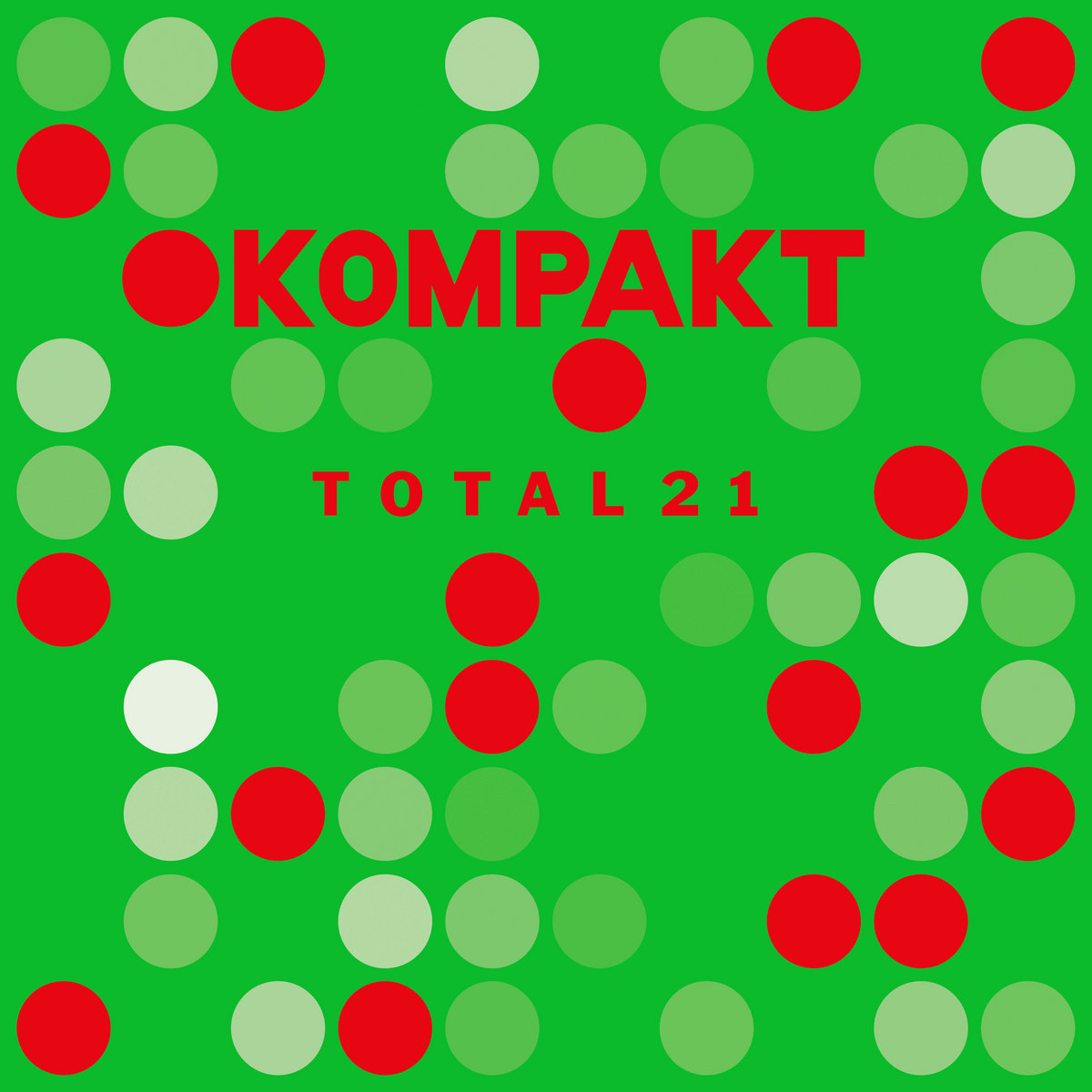
Switched On – Various Artists: Total 21 (Kompakt)

total-kompakt-21

reviewed by Ben Hogwood

What’s the story?

Kompakt’s annual compilation series rolls on, but on hitting the coming of age number the Cologne label have decided to put it on a diet. Slimmed down to a single disc / four sides of vinyl, it is a leaner beast but still packs in 13 tracks that cast the net across the label’s output.

Seasoned Kompakt regulars such as John Tejada, Jürgen Paape, Voigt & Voigt, Gui Boratto and label founder Michael Mayer rub shoulders with new talent to these pages – Kollmorgen, The Bionaut and Nicky Elisabeth.

What’s the music like?

Kompakt’s approach to techno is always pleasingly varied, and this set of tracks spreads itself nicely across the tempo and emotional spectrum. It doesn’t take long for us to be transported to warmer climes in the company of Jürgen Paape, whose La Guitarra Romantica is dreamy and exotic. The same words could apply to Roman Flügel’s remix of Nicky Elisabeth’s Celeste, though in truth this is a magical piece of work, beautifully floated above the deep beats.

“I Am A Dancer!”, proclaims the track from Marc Romboy & C.A.R. of the same name, an assertive piece of work shaking its booty from the off, while Jonathan Kaspar’s Von Draussen also hits the tougher spot with its rolling drum track. John Tejada contributes some typically thoughtful and nicely woven techno on Spectral Progressions, while Voigt & Voigt do similar with darker shades on Nicht Mein Job.

Michael Mayer’s contribution Happy plays around with spatial effects rather well, as does Sascha Funke’s Fasson, working in a nice broken beat and airy synths for good measure.

Does it all work?

It does. The decision to slim down to a CD’s worth of tracks pays off – not that the previous Total series instalments were overlong – but it works well because it brings the focus in to some really good compositions. The Kompakt catalogue is still in good shape, it would seem!

Is it recommended?

It is indeed. One for the seasoned Kompakt fans, but also an effective introduction to the label if you’re late to their recent output.

Stream

Buy

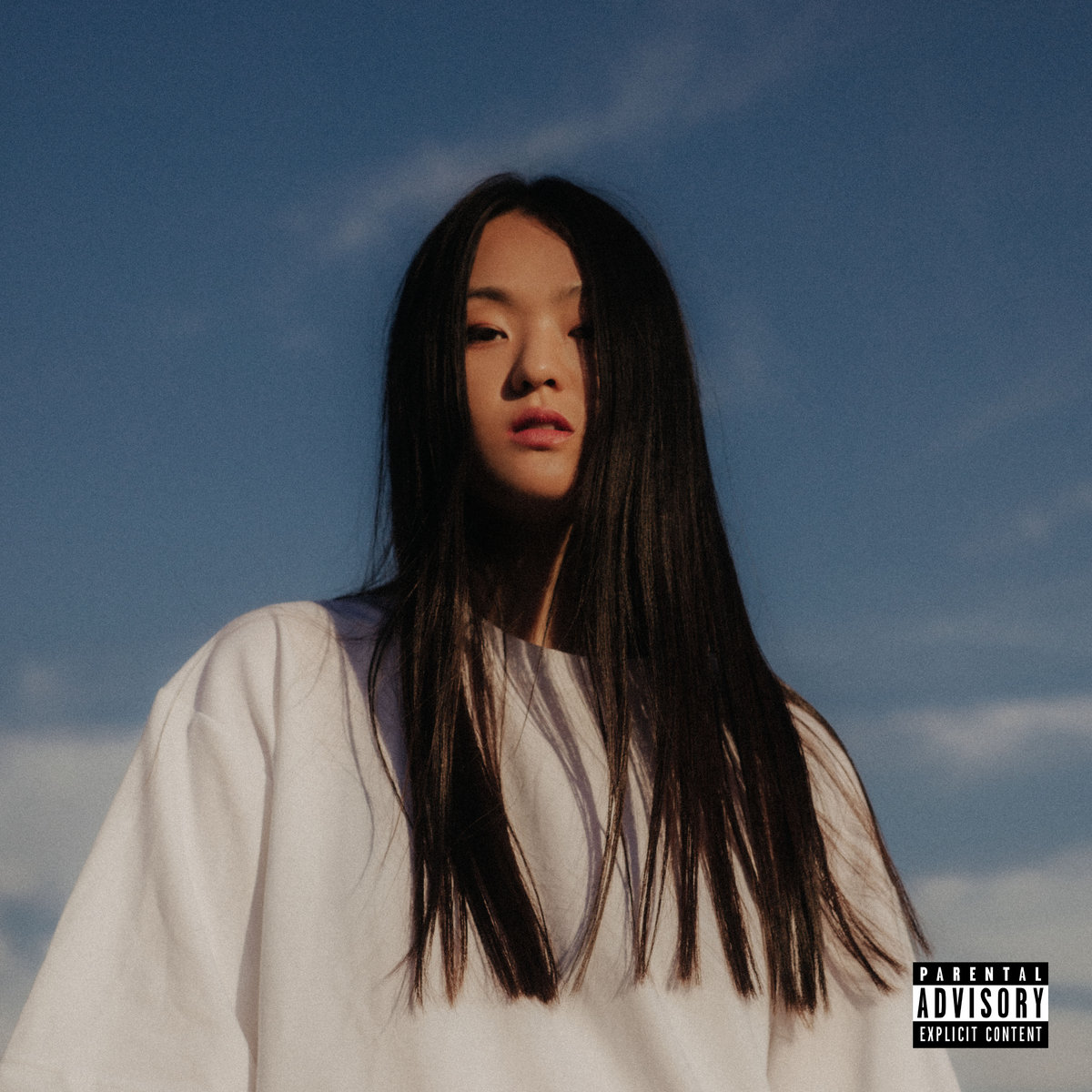
Switched On – Park Hye Jin: Before I Die (Ninja Tune)

park-hye-jin

reviewed by Ben Hogwood

What’s the story?

Park Hye Jin releases her first album on Ninja Tune, the culmination of a whirlwind couple of years for the South Korean. Now based in Los Angeles, she has built up a strong reputation for original electronic music through collaborations with Blood Orange, Nosaj Thing and Clams Casino & Take A Daytrip – their track Y Don’t U being especially successful.

Perhaps her biggest calling card yet however is the track Like this, caught by BBC Radio 1 and 6 Music and chosen for the soundtrack of FIFA 2021. It is one of the many reasons Before I Die is so highly anticipated.

What’s the music like?

Extremely varied. Pigeon holes don’t exist with Park Hye Jin around, for she can effortlessly turn her hand to so many styles, reflecting the human condition through a wide range of moods. While that might sound like a lazy observation, few artists can rise to this challenge with such infectious confidence.

She moves from the deadpan rap of Never Give Up to the direct come-on of Can I Get Your Number, from down tempo R&B numbers like the slightly warped Sunday ASAP to big dancefloor gunners such as Hey, Hey, Hey. Sometimes the lyrics involve straight-to-camera honesty, like I Need You, which is dressed with an old-style piano and briefly drenched in nostalgia.

This direct approach runs through the album, which is highly entertaining, often funny, sometimes tender – but almost always hitting the mark with its sharp riffing and clever beatmaking.

Does it all work?

It does. Before I Die is over in a flash, with many of the tracks well under three minutes – showing Hye Jin’s ‘all killer and no filler’ approach, which works really well. In the course of the 15 episodes you really feel like you get to know her as a person, what makes her tick and what pisses her off, and to end with the level-headed i jus wanna be happy is right on the money.

Is it recommended?

It is. Park Hye Jin’s original approach takes dance music back to its first principles, working through an often thrilling range of beats and emotions. She is without question an artist to watch.

Stream

Buy