
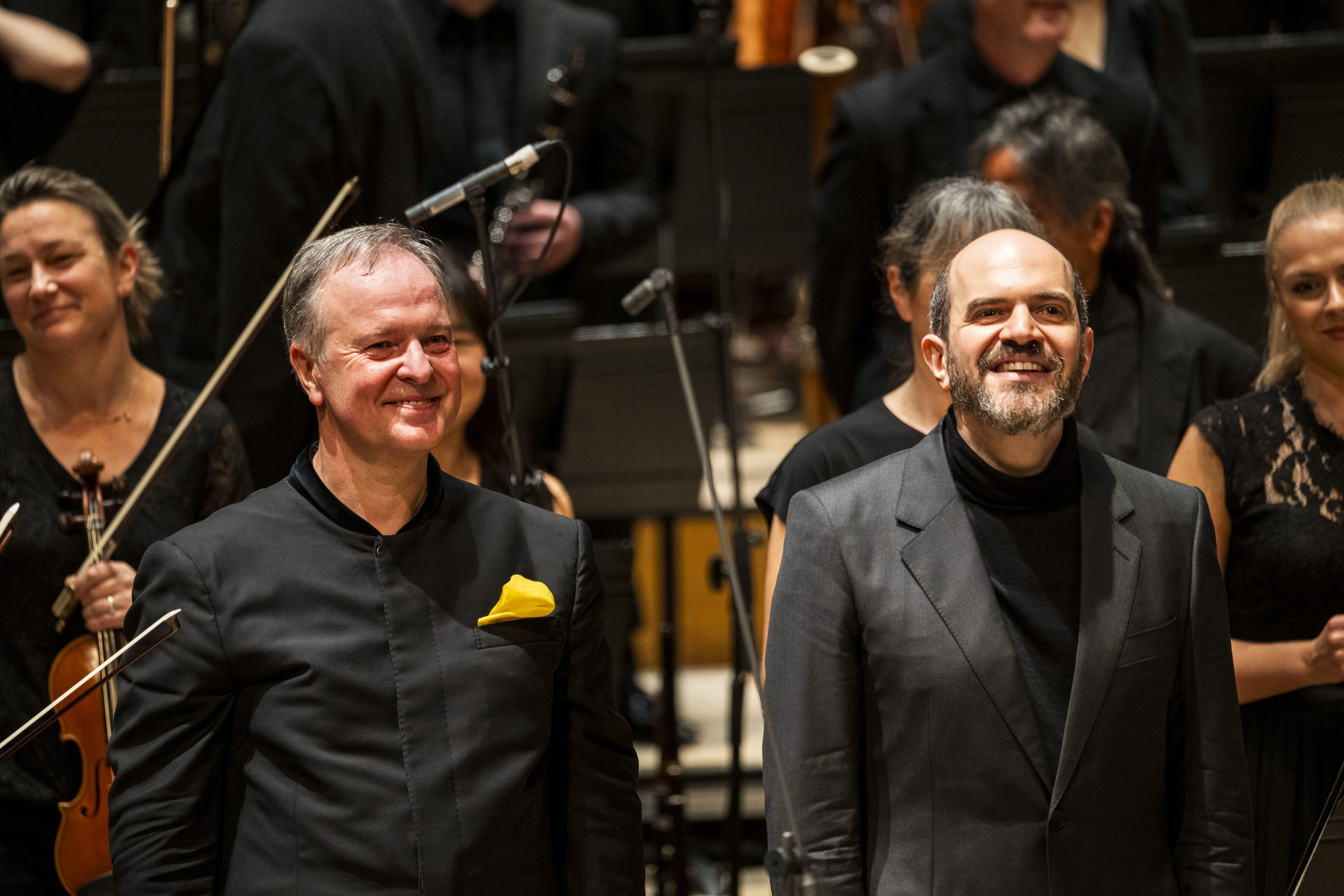
Kirill Gerstein (piano), BBC Symphony Chorus (lower voices), BBC Symphony Orchestra / Sakari Oramo
Bacewicz Symphony no.2 (1951)
Busoni Piano Concerto in C major Op. 39 (1901-04)
Barbican Hall, London
Friday 1 November 2024
Reviewed by Richard Whitehouse Pictures (c) BBC / Sarah-Louise Bennett
Wait years for a performance of Busoni’s Piano Concerto then (at least) two come (almost) at once. As 2024 sees the centenary of the composer’s death and it is much his largest work for the concert hall, this was doubtless to be expected though a welcome occurrence all the same.
Having first played it in Boston seven years ago (later released on Myrios), Kirill Gerstein (below) and Sakari Oramo were intent on utilizing an experience unusual in the context of this work. This was evident at the outset of its Prologo e introito – the long orchestral introduction having a cumulative impetus that carried into the soloist’s imposing entry, with this physicality finding contrast in the delicacy of passagework and the sensitivity of dialogue later in this movement. Nor was there any lack of capriciousness in a Pezzo giocoso whose more ambivalent asides pointedly underlined, and its more populist elements always integrated into the ongoing flow.
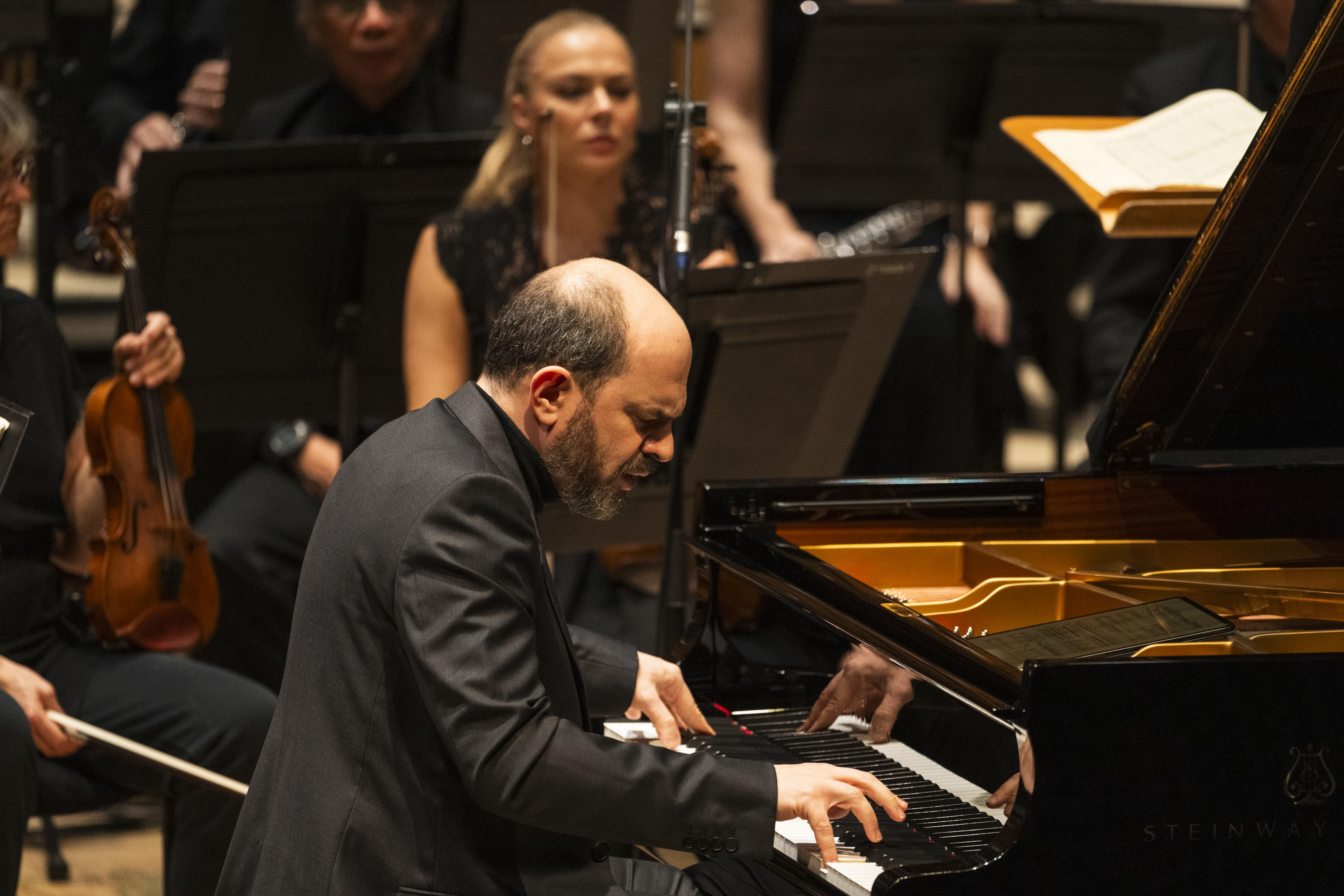
Centrepiece in every respect, Pezzo serioso made a memorable impression. The sombreness of its introduction complemented by the undulating poise of Gerstein’s playing in the ensuing barcarolle section, before a remorseless build up of intensity towards its central climax found piano and orchestra in true accord; the re-emergence of earlier themes of a pathos abetted by a conclusion whose gently insistent rhythmic undertow led to an ending of exquisite finesse.
Rarely can the All’italiana have conveyed such scintillating appeal at this headlong a tempo, making for a tarantella of infectious wit but one whose ever more daring flights of fancy never threatened to lose focus – the BBC Symphony Orchestra responded with unfailing conviction, while the climactic cadenza made for a seamless link into the Cantico. Here male voices, placed at the rear of the platform instead of offstage, assumed the musical foreground as this finale built in a rising arc of tension to an apotheosis of a triumph the more cathartic for its sense of release.
How Busoni’s epic work comes over in performance is in part determined by what has been heard earlier in the programme. Tonight’s concert got it just right with a rare hearing (at least in the UK) for the Second Symphony from Polish composer and violinist Grażyna Bacewicz.
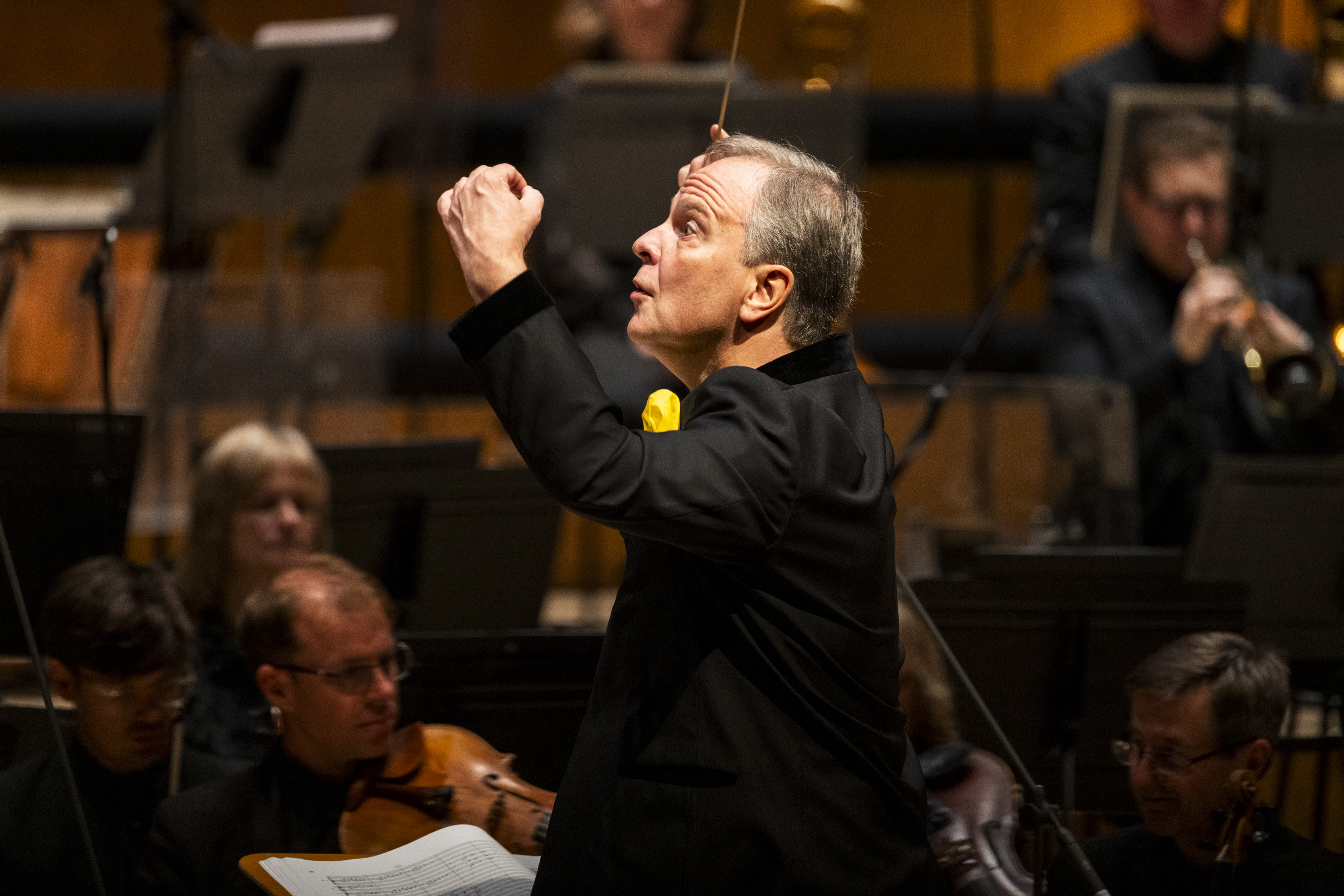
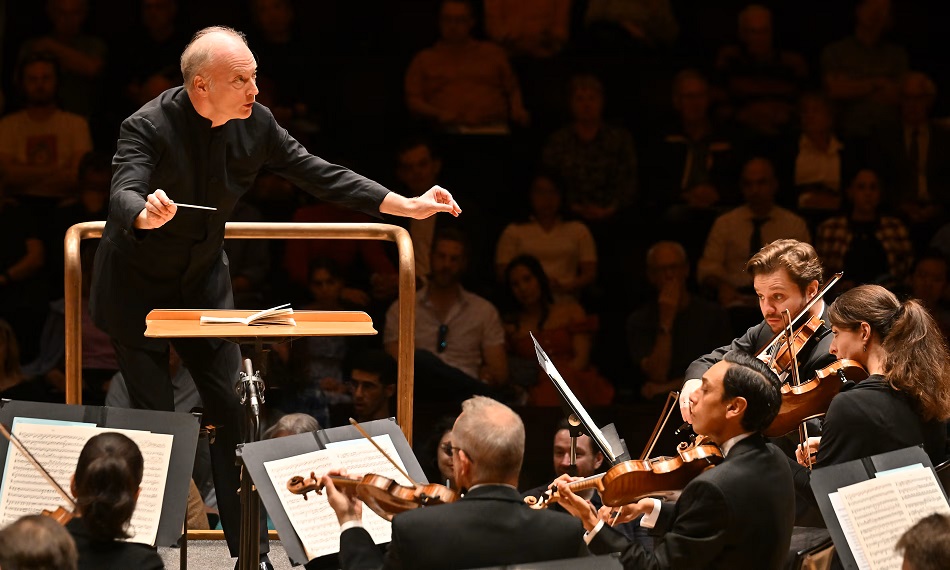
Oramo (above) had previously given notice of his sympathy for her music via recordings of the Third and Fourth Symphonies (Chandos), and this performance did not disappoint. Playing for just over 20 minutes, the Second has a variety of incident and overall impact out of all proportion to its length – whether in the opening movement as this alternates between equivocation and resolve, the eloquence of a Lento in which Bacewicz’s orchestration is at its most resourceful, a Scherzo whose poetic asides never threatened to offset its prevailing vivacity, then a Finale that (as with Roussel’s Fourth Symphony which may have provided the model) ended almost too soon yet whose incisiveness always felt apposite to the whole. Throughout, Bacewicz was conscious of the implications of Socialist Realism while steering clear decisively of its values.
Hopefully this and Bacewicz’s First Symphony will be appearing in due course as a follow-up volume. For now, it gave ready enhancement to a concert whose enterprise and conviction are further proof, is such were needed, of that continued rapport between Oramo and the BBCSO.
For details on their 2024-25 season, head to the BBC Symphony Orchestra website. Click on the names to read more about pianist Kirill Gerstein, conductor Sakari Oramo and composer Grażyna Bacewicz
Published post no.2,351 – Sunday 3 November 2024


 Arcana.fm