Proms premieres – Birmingham Contemporary Music Group

bcmg

Birmingham Contemporary Music Group

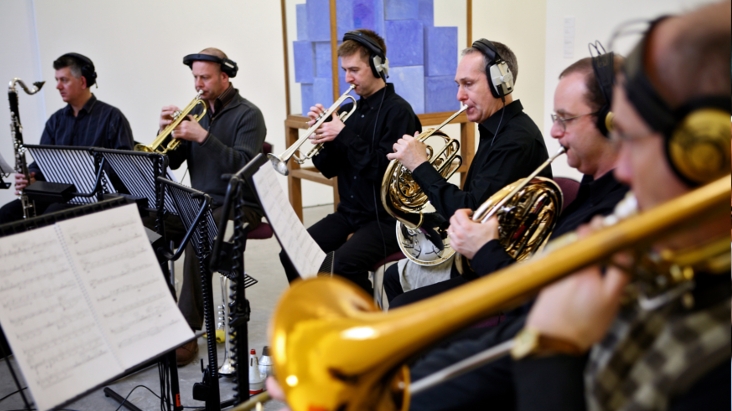
Proms premieres – Johannes Schöllhorn, Shiori Usui, Betsy Jolas and Joanna Lee
Ulrich Heinen (cello), Hilary Summers (contralto), Birmingham Contemporary Music Group / Franck Ollu (Proms Saturday Matinee 1)

BBC iPlayer link

http://www.bbc.co.uk/events/e9h9rz#b063d52d

What’s the story behind the pieces?

Four Proms premieres in one concert here, given by the ever-enterprising Birmingham Contemporary Music Group. They begin with Johannes Schöllhorn’s arrangements of three Boulez Notations, plus a transcription for ensemble of a fragment from each of the thirteen originals – one bar from each, in fact! The arrangements are Notations 2, 11 & 10, while the collage is La treizième.

Shiori Usui’s piece has an extremely macabre background, and is not for the faint-hearted! Ophiocordyceps unilateralis s.l. is a nasty little fungus – as in an infectious fungus that completely eats up the ants that are unfortunate enough to capture it. Usui was struck by an image of one in a nature magazine, and this gave her the sounds she wanted to create.

Betsy Jolas, meanwhile, says of Wanderlied in an onstage interview that “I was trying to make the listeners imagine an old woman going from town to town as a storyteller”. The old woman in this case is a cello, accompanied by the instrumental ensemble – and we are warned of a ‘surprise’ at the end.

Finally Joanna Lee’s Hammer of Solitude, for singer and ensemble. This was written with Boulez in mind, and when she looked at individual movement titles of his she was taken to writing about the poet and novelist Sylvia Plath, and her life, using text by Rory Malarkey. This is a bleak piece indeed, for Lee chooses to devote the last of the three songs to Plath’s suicide.

Did you know?

The Birmingham Contemporary Music Group has premiered over 160 works in its 27-year existence. It was born from the City of Birmingham Symphony Orchestra in 1987.

Initial verdict

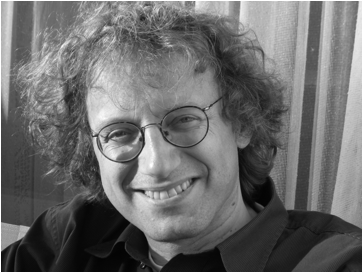
Johannes SchöllhornNotations 2, 11 & 10; La treizième

johannes-schollhorn

An energetic set of pieces, benefiting from incredibly well drilled performances. With sharp phrases, these brief thoughts are distilled into really short paragraphs, with only the briefest period of relaxation. There is a wonderful rumble on the bass drum to finish La treizième, which is a great concept if rather difficult to follow!

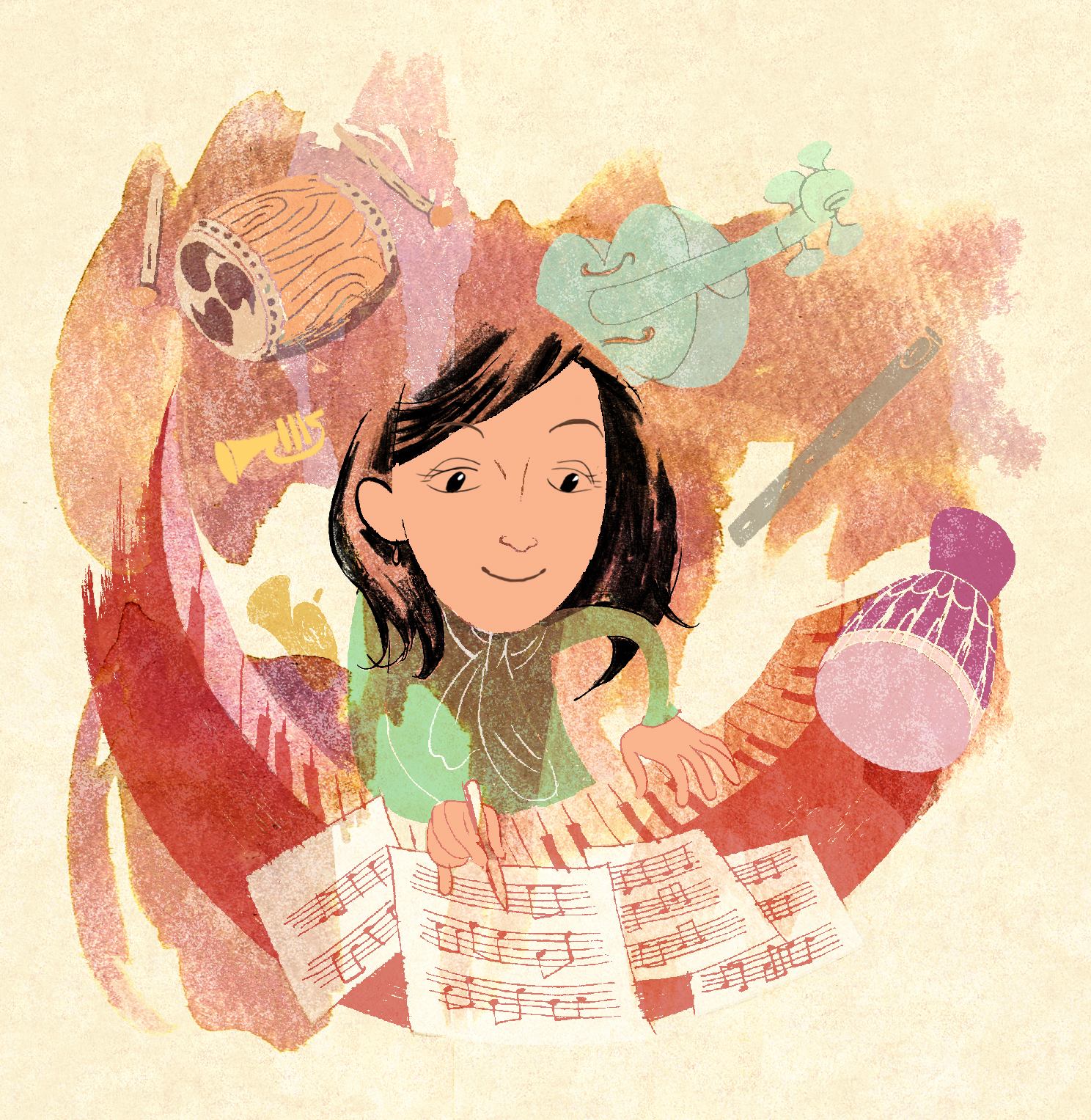
Shiori Usui Ophiocordyceps unilateralis s.l.

shiori-usui

Drawing by Fumio Obata

Usui has certainly picked a grisly but rather captivating subject for a new composition, and given the scenario the music is very vivid – uncomfortably so in fact!

There is a striking, bluesy clarinet solo midway through, but, but by this time the ant appears to be giving up the ghost.

Then we hear some very ominous loud brass with a thumping bass drum, before macabre sounds signal the beginning of the end for the ant. Usui captures the forest and its clicks and murmurs with some imaginative scoring, while also conveying the really grotesque side of Mother Nature.

Betsy JolasWanderlied (from 21:28)

betsy-jolas

The cello feels restless from the beginning of this piece, while the rest of the ensemble appear to be painting the picture of a wider expanse, through which the old woman is travelling.

Not surprisingly the old woman takes the lead in the conversation throughout, and is very expressive. Its tone of speech is very much in the human range

The ‘surprise’ appears to be a form of hidden track, where the audience think the music has stopped, and begin to applaud, and then find that it hasn’t.

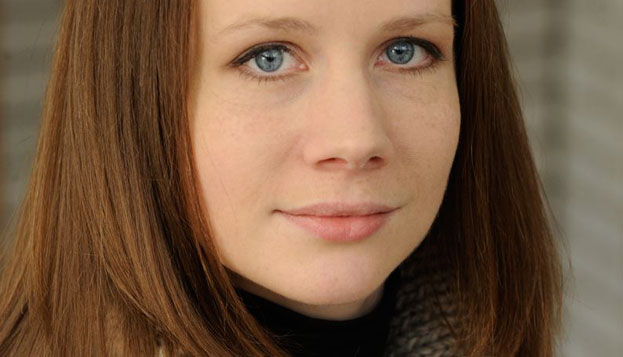
Joanna LeeHammer of Solitude

joanna-lee

The first song, Hammer Alone In The House, features a very distinctive half spoken / half sung vocal from the alto, above some atmospheric orchestral colouring. The Love Song has a little more tenderness, but The Suicide is much less forgiving. It is surely very difficult to portray such a bleak and decisive moment in music, but Lee does so powerfully.

Second hearing

Tbc!

Where can I hear more?

Right here! Embedded are sound clips for each composer’s work:

Johannes Schöllhorn

Shiori Usui

Betsy Jolas

Joanna Lee
Proms premiere – Cheryl Frances-Hoad

cheryl-frances-hoad

The Beginning of the World by Cheryl Frances-Hoad

The Cardinall’s Musick / Andrew Carwood (Proms Chamber Music 1)

Duration: 10 minutes

BBC iPlayer link

http://www.bbc.co.uk/programmes/p02xll6r/player

What’s the story behind the piece?

Talking in an interview for this site, Cheryl Frances-Hoad explains:

“The Cardinall’s Musick wanted a piece for eight voices (double SATB choir) (soprano-alto-tenor-bass) that was a homage to Tallis, and about 7 minutes long (I ended up writing a piece that’s closer to 9 minutes). They suggested some words (I eventually selected my own) but were otherwise completely free about how I should approach the commission.

Tallis lived in Greenwich towards the end of his life, which lead me on to reading about the refinements of timekeeping and the calendar during his lifetime, which then lead on to discovering that there was a major astrological event that happened whilst he was alive…which came to symbolize (to me) the massive changes that occurred during Tallis’s lifetime (including for instance the Reformation)…which lead to discovering Tycho Brahe’s (A Danish astronomer) ‘Treatise on the Great Comet of 1577’….

Read the full interview here

Did you know?

Cheryl was chosen as a featured composer on BBC Radio 3’s Composer of the Week (‘Five under 35, March 2015)

Initial verdict

The first and immediately striking thing about From the Beginning of the World was the relevance of the words to today’s climate. In a week where NASA received ground breaking pictures of Pluto and Charon this tale of an earlier astronomical event – the ‘comet with a very long tail’ resonated strongly, especially with its talk of ‘Mighty and destructive wind storms’, ‘Poisonings of the air’ and ‘Terrible earthquakes’.

Cheryl Frances-Hoad’s music only enhanced the dramatic impact. Written as a homage to Tallis its acappella setting carried the same freedom through the air – but here the harmonies were daring, rich with added notes, the most distinctive melodies tending to use wide leaps and drops. This heightened the feeling of unease – especially when the tritone was used to highlight the ‘great wars and bloodsheddings’.

The end of the text is curious, the author questioning suddenly that the comet might not destroy the earth after all – but the damage has been done in all the worrying beforehand, and it was on this that Frances-Hoad’s music really made its mark.

The performance, subtly directed by Andrew Carwood, was one of clarity and pure intensity.

Second hearing

tbc!

Where can I hear more?

Cheryl has a Soundcloud site, where you can hear another of her works for choir, This is A Blessing:

Proms Interview: Cheryl Frances-Hoad – From the Beginning of the World

cheryl-frances-hoad
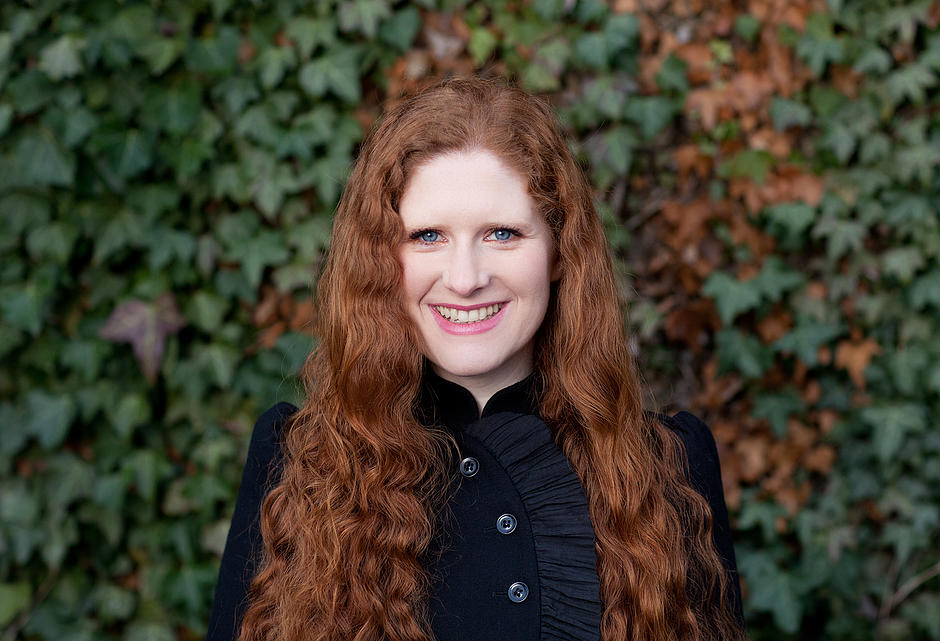
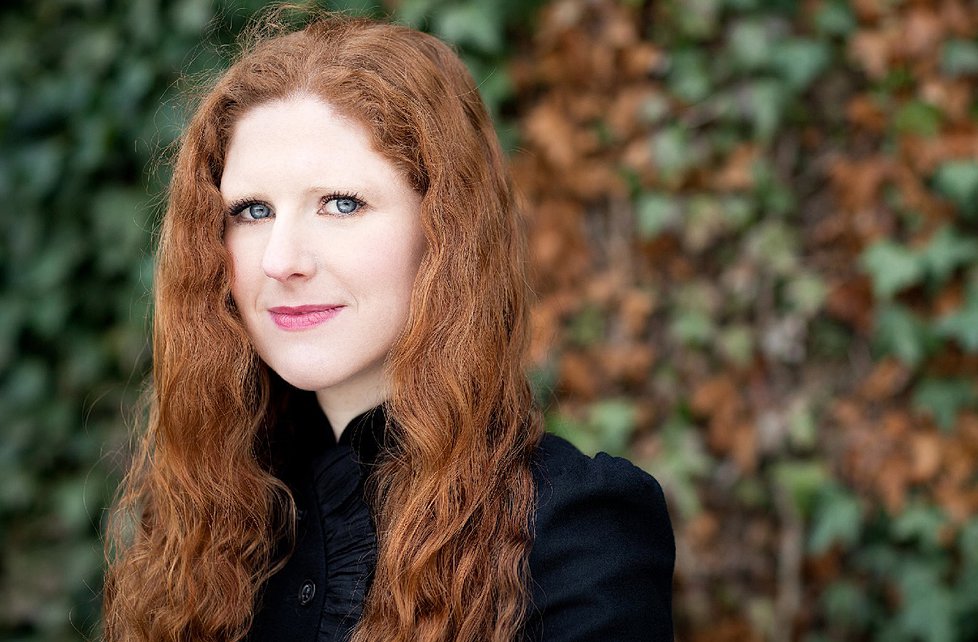
Cheryl Frances-Hoad Photography by Mat Smith Photography

Ahead of an appraisal of her new piece on this site, here is an interview with composer Cheryl Frances-Hoad about The Beginning of the World, a commission for the BBC Proms – to be performed in the company of the music of Thomas Tallis. Cheryl talked with Arcana about rubbing shoulders with one of the greats of English music – and the thrill of writing for the BBC Proms:

When did the BBC approach you with this commission?

Actually it was the Cardinall’s Musick who approached me, in March of last year (my piece isn’t an official BBC commission, although it is a Prom Premiere. Originally my new work was supposed to be premiered in Leeds, but the timings didn’t work out, so, it was decided that it would be premiered at the Proms instead. Leeds is a wonderful city, but in this case I’m glad the original premiere date didn’t work out! 🙂

Was there a particular brief?

Yes, the Cardinall’s Musick wanted a piece for eight voices (double SATB choir) (soprano-alto-tenor-bass) that was a homage to Tallis, and about 7 minutes long (I ended up writing a piece that’s closer to 9 minutes). They suggested some words (I eventually selected my own) but were otherwise completely free about how I should approach the commission.

In the Proms guide the working title for your new work was ‘Homage to Tallis’. At what point did it become ‘From the Beginning of the World’?

At the time we had to list the piece in the Proms brochure, I still had absolutely no idea what the piece was going to be called (or, I think, what text I was going to use – I only finished the piece on the 20th June!)

I got a bit stuck when I began to think about this piece – Tallis is such a wonderful composer but I found a lots of the texts he set, well, a bit boring (mostly because a large amount were in Latin). I wanted to find an exciting text that was somehow relevant to Tallis and contemporary times, but for about a month I was utterly stuck.

I plodded through a two foot high pile of books about Tallis but got nowhere. But, little by little (and at this stage with quite a lot of help from Google) I started connecting things – Tallis lived in Greenwich towards the end of his life, which lead me on to reading about the refinements of timekeeping and the calender during his lifetime, which then lead on to discovering that there was a major astrological event that happened whilst he was alive…which came to symbolize (to me) the massive changes that occurred during Tallis’s lifetime (including for instance the Reformation)…which lead to discovering Tycho Brahe’s (A Danish astronomer) ‘Treatise on the Great Comet of 1577’….

Where does the text come from?

Tycho Brahe‘s German Treatise on the Great Comet of 1577.  I spent several weeks in libraries attempting to find a suitable text. Whether Tallis knew about the comet is unknown of course, but this seismic event, to me, seemed emblematic of all the great changes that occurred during his lifetime, in areas such as religion, the calendar, and time-keeping (finding out that Tallis lived out his last days in Greenwich was an extra bonus).

The text also seems to speak to contemporary times: whilst Brahe may have thought the comet’s birth would cause the sun to ‘bring unnatural heat’, nowadays we know that its ‘venom [will be] spewed over the lands’ due to mankind’s continued pillaging of the earth’s natural resources, a fact which our political ‘pseudo-prophets’ seem to deem less important than saving us from a false austerity.

The full text of From the Beginning of the World

Then it comes to pass that something new is born in the heavens

Contrary to the custom of nature
And all mankind holds it to be a great wonder.

Videte Miraculum  (Behold the miracle)
A miracle of the heavens.

From the beginning of the world
From the uppermost sphere of the fixed stars
This new birth reveals itself
A comet with a very long tail.
Something new can be generated in the heavens.

Gloria Patri et Filio et Spiritui Sancto (Glory to the Father, and to the Son, and to the Holy Ghost)

But what do such unnatural births mean?

Creator caeli et terrae! (Creator of Heaven and Earth),
Respice humilitatem nostram (Be mindful of our lowliness)
Peccavi (Have mercy)

Great mortality among mankind.
Mighty and destructive wind storms
Peccavi
Poisonings of the air
Peccavi
Terrible earthquakes
Great harm by fire.

Great mortality among mankind.
The sun will bring unnatural heat
The sun will bring harmful, unnatural heat
It will spew its venom over the lands

Great mortality among mankind
Gruesome pestilence
Incurable pains
(Pestilential)

Those who deal with political regimes
Will be much stifled
(Creator caeli et terrae)
Those who seek their own honour as pseudo prophets
(Respice humilitatem nostram)
Will be punished, punished.

Great wars and bloodsheddings.
Peccavi
Miserere Nostri  (Have mercy on us)

However, there are actually no reliable grounds
For predicting the end of the world from this comet.
It thus behooves us to use well our short life here on earth,
So that we may praise him for all eternity.
Our short life here on earth…
Amen.

The music itself is very influenced by Tallis, and canons and imitation abound. During my time as a ‘cellist at the Yehudi Menuhin School, I performed Ralph Vaughan Williams’s Fantasia on a Theme of Thomas Tallis many times, and so From the Beginning of the World, which also uses Tallis’s Third Mode Melody from the English Hymnal, is really a homage to both composers.

How would you describe the piece?

At this point of interview I haven’t heard the piece yet (I have to wait until Saturday 18th to hear it for the first time!) But, I hope it is a tremendously dramatic piece, perhaps a bit melodramatic! (also see paragraph above this question…)

Is it daunting knowing the work will be performed around such a well-loved work as Spem in alium, or does that become an inspiration as it is a homage to Tallis himself?

It was inspiring when I was composing, but now it’s daunting. It’s silly, I’ve written far bigger pieces than the one that’s to be premiered on the 20th, but I have to say I’m getting incredibly nervous for this premiere! I really hope I haven’t gone and written a dud! However! I’ve consciously both based this piece closely on Tallis, AND tried to do some things that are very different in style – so, at the very least, my piece will stand out hopefully!

How does it feel to be writing a piece for the Proms?

Really exciting!

Does it help that the concert is available on the iPlayer afterwards, for people to get a chance to properly get to know the piece?

Absolutely! And this year, all the Proms are also downloadable which is wonderful! Particularly as my piece is being performed at lunchtime, I imagine many people won’t be able to listen live, so it’s so wonderful to be able to nag people to listen to it on iPlayer for 30 days after the premiere!

The BBC are actively encouraging new music with programs like ‘Five Under 35’ – do you feel the corporation is stronger than ever in its support for current composers at the Proms?

I’m not really sure to be honest – I’ve been exceptionally lucky to have been chosen as one of the Five under 35 (as part of the International Women’s Day celebrations) and feature in the Proms – but I’m not sure how connected the two are.

You can listen to the world premiere of Cheryl Frances-Hoad’s FromThe Beginning of the World as part of the first Proms Chamber Music concert of the season, given by the Cardinall’s Musick and Andrew Carwood, by clicking here

You will shortly be able to hear Cheryl’s thoughts on how it went – and an Arcana appraisal – on the site in the next few days.

For more information on Cheryl you can visit her website – and as a taster here is a recent YouTube post of her Mazurka for violin and piano: