Switched On – Carl Craig: Landcruising (Expanded Edition) (Cherry Red)

by Ben Hogwood

What’s the story?

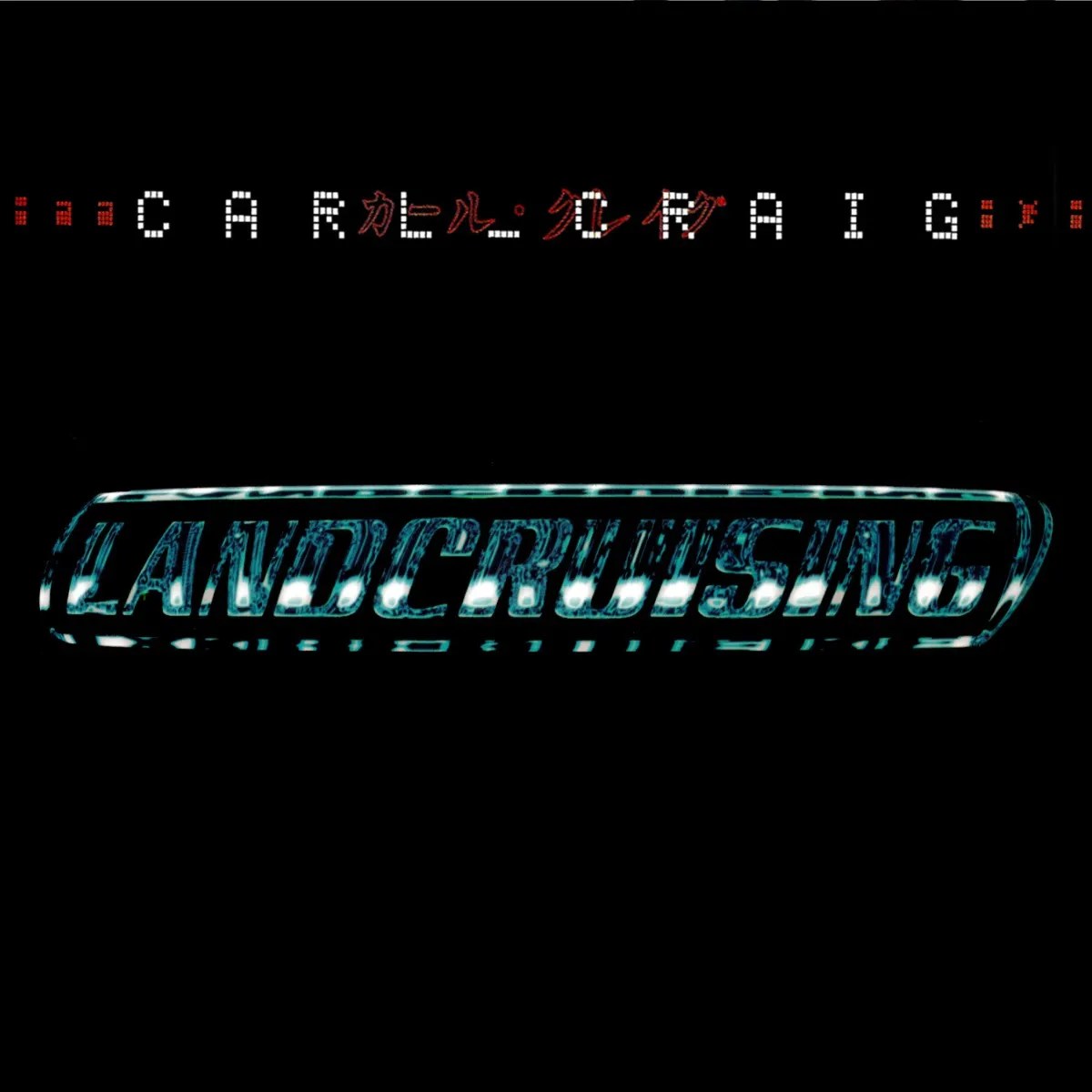
The durability of techno as a form of music is emphasized by the fact that some of the landmark albums in its recent history are reaching significant landmarks. Carl Craig’s Landcruising is one such long player, the Detroit producer’s debut album, originally released on Blanco Y Negro, clocking up 30 years in the game. In a sense the album is a response to classic electronic travel albums such as Kraftwerk’s Trans Europe Express, but was apparently conceived as a soundtrack to driving round his home city of Detroit.

What’s the music like?

Thirty years old it may be, but Landcruising still has the air of the future about it. He achieves this through a combination of movement and serenity that gives the music a rarefied light. Mind Of A Machine has a distinctive snare drum pattern and floating synths, while a free form jazz makes itself known over the contours of Science Fiction, along with a subtle homage to Jean-Michel Jarre.

Technology is more imposing, a little bit threatening even, as is Landcruising itself, though both capture the movement and ever-changing panorama of the window views. Meanwhile Einbahn’s minimal profile and the urgency of They Were are also captivating. Although some of the rhythms are forward and dominating there is also an intricacy at work in Craig’s compositions, the music carefully and delicately shaded at times.

As bonus material there are four added mixes of Science Fiction, with a particularly good contribution from Kenny Larkin, and some evocative notes in suitable font from Bill Brewster, whose note – “the point is not the destination but the journey” – sums the album up perfectly.

Does it all work?

It does. The idea that techno could not create music of meaning or emotion is never further from the truth than it is here.

Is it recommended?

It is – one of the essential documents in Detroit’s storied musical history, and a landmark album in the history of techno. It sounds as modern as it ever did!

Listen / Buy

For more information, head to the Cherry Red Records website

Published post no.2,619 – Thursday 7 August 2025

Switched On – Future Loop Foundation: The Planet Dog Years (Cherry Red Records)

by Ben Hogwood

What’s the story?

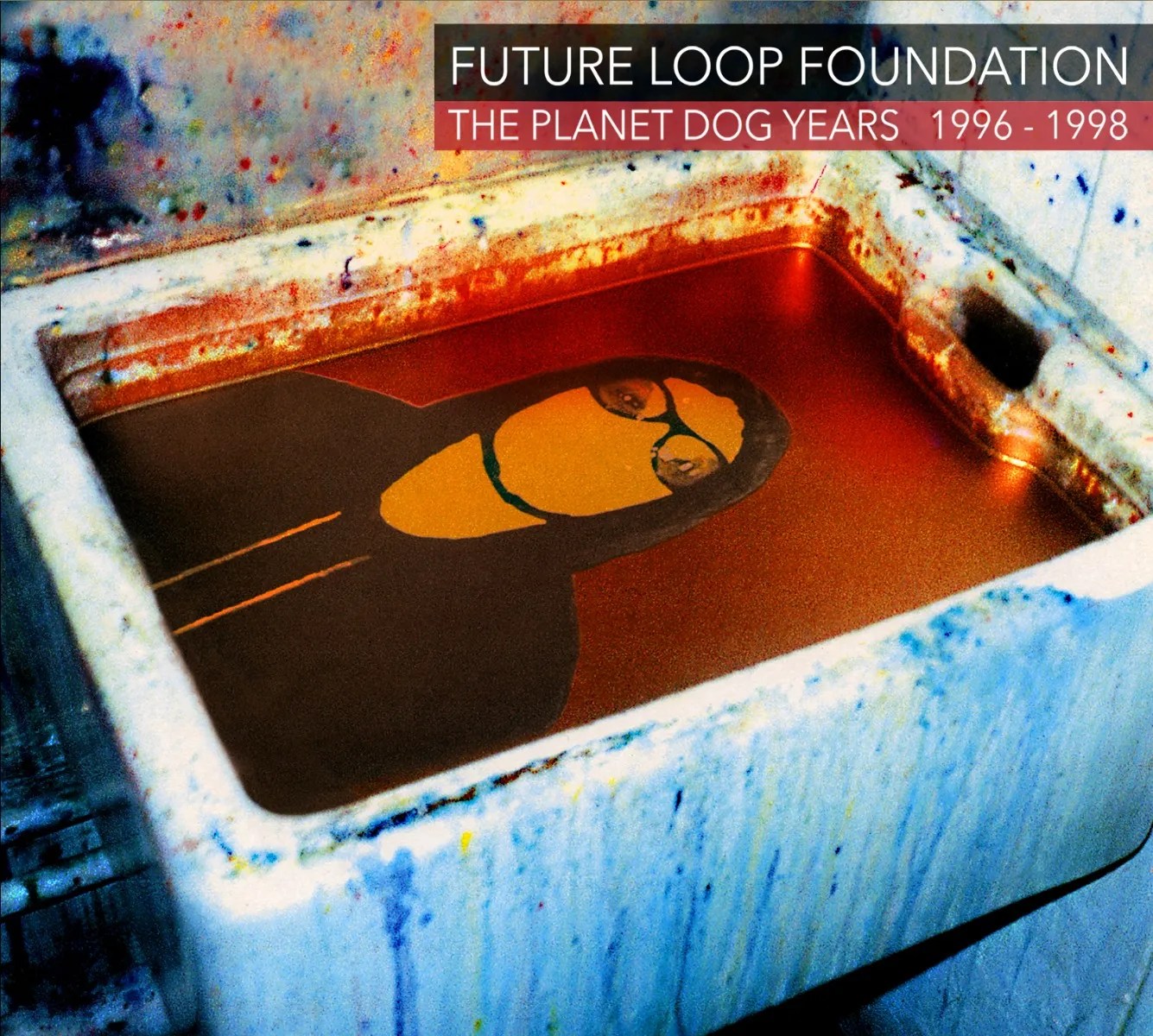
Renowned producer Mark Barrott used the alias Future Loop Foundation in the mid-1990s, and under it he made two albums of ambient drum and bass, along with a number of EPs. Here they have been assembled with a clutch of stand-alone tracks and remixes, previously unreleased demos and a live track.

The two albums in question are Time And Bass, from 1996, and Conditions For Living, released two years later – made at a time when the reach of drum and bass was extending well beyond the club and into the home.

What’s the music like?

There are plenty of highs in Barrott’s music as Future Loop Foundation, right from the heady Discovery, with which Time And Bass begins. The clipped rhythm and spacey backdrop are perfect chill out material but there is a mass of positive energy here, enforced by the swirly textures of Kinetic Pioneers. The piano-led Journey’s End is a treat, but what stands out about the first album is Barrott’s consistency, setting a warm summery mood but utilising rhythms with a huge amount of movement and drive.

The beats get stronger and heavier on Conditions For Living, and the mood gets darker as the title track asks, “what kind of world are we living in?” Sadly it’s as relevant now as it was then. Barrott takes more risks here, to good effect on the woozy, mysterious Omerta, which blossoms into a bassy track with piano floating above. There is some inventive, long form drum and bass here, and the quickfire beats of Moog Road are a particular thrill. Karma packs a punch, suggesting a lesson learned.

The set of singles and bonus tracks is the ideal complement. Sonic Drift blends piano, warm chords and the syncopated rhythms that Barrott made a signature of his style, while the Lo-Fi Dub of Discovery shows how versatile the music could be when reworked. Darwin Sound skates along energetically, while an energetic live version of Shake The Ghost wraps things up.

Does it all work?

It does. Some of the tracks are lengthy – a habit of the time in the mid-1990s – but in this case that gives the listener a good deal of time to get fully immersed in the music. Barrott’s productions are excellent.

Is it recommended?

Absolutely. The music is very much of its time…but happily 1990s drum ‘n’ bass has aged extremely well, and the Future Loop Foundation with it. Great stuff that is well worth revisiting.

For fans of… Alex Reece, LTJ Bukem, Adam F., 4hero

Listen / Buy

For streaming and purchase details, visit the Cherry Red Records website

Published post no.2,506 – Thursday 17 April 2025

On record: James Taylor – The Rochester Mass (Cherry Red)

james-taylor

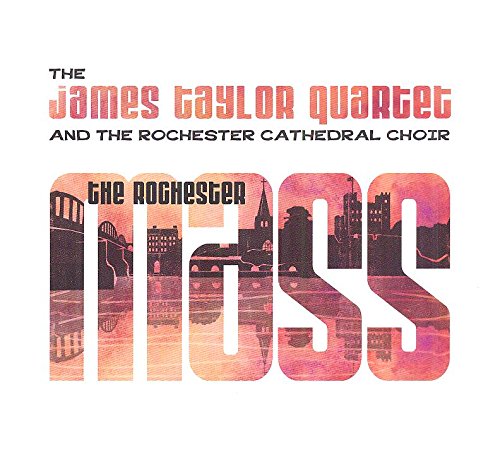
Ever felt the need for a ‘funk mass’? Well James Taylor has, and this year The Rochester Mass received its premiere at the Queen Elizabeth Hall in April, before a performance in the cathedral of its home city in June. It was the South Bank who commissioned the work, which James wrote in memory of his late father Clive. The recording features choristers from Rochester Cathedral, as well as the fulsome organ.

What’s the music like?

Rather curiously, Taylor opts to present the mass in reverse order, so we begin with the jerky motif of the Sanctus, working through the Agnus Dei (complete with flute cadenza) to the Benedictus, Gloria and finally the Kyrie.

There is more than a passing reference to Leonard Bernstein’s setting of the Mass, a much bigger work but one that also operates with a policy of musical freedom. James Taylor doesn’t let his music go in quite the same way Bernstein did, preferring to opt for a little more ecclesiastical control. This means he is not self-indulgent in the way so many of these adaptations can be (remember Rick Wakeman’s The Gospels?!) but that he still pushes a boundary or two.

Part two of the Sanctus shows that Taylor can achieve a really grand sound with choir and organ – there is an impressive climax – and the response is a kind of joyous wig-out that sounds a lot better than it reads on paper.

Does it all work?

More or less. It is quite difficult to work out what gives this piece a special connection with Rochester, other than the performers being from the Kent town – and it is not quite clear why Taylor felt the need to reverse the order of the movements. But these are perhaps over-fussy points, because the music itself is meaningful and direct, and achieves the difficult balance of bringing funk into more classical structures without losing its identity. It also has the obvious emotion generated by the passing of Taylor’s father.

On occasion the music can sound forced – the Agnus Dei Duet being a good example – but that is balanced by music of fresh spontaneity, such as the unexpectedly gorgeous Flute Cadenza linking Parts One and Two of the Agnus Dei. In the closing Kyrie you get the feeling Taylor has mastered the unusual blend of cathedral choir and funk group. A unique sound indeed!

Is it recommended?

Yes, if you want to hear something different – and if you want to hear a creative way of taking on one of music’s most traditional forms.

Listen

The Rochester Mass can be heard on Spotify here: