New music – Clarice Jensen: Unity

Clarice Jensen unveils new single Unity from her upcoming fourth solo album In holiday clothing, out of the great darkness.

Composer and cellist Clarice Jensen unveiled Unity, the second single taken from her upcoming fourth solo album, In holiday clothing, out of the great darkness, out on October 17, 2025 via FatCat Records’ 130701 imprint.

In ‘Unity’, Jensen builds a symmetrical four-chord pattern that repeats steadily, through looping. Upon this she imposes a scampering arpeggio pattern that is irregular and additive, elongating itself through the repeats. She says,’The concept of unity suggests that many are being joined as a whole. In mathematics it is literally the number one. Unity depicts the multitudes (the evolving arpeggios) contained within a unified whole (the four-chord motif), examining the implications of one, or solo, or solitude and how oneness can imply both solitude and interconnectedness.’

‘Unity’ is the second glimpse of Jensen’s new material, following July’s ‘From a to b’. Jensen has been performing ‘from a to b’ as a solo piece while touring with My Chemical Romance, where it has resonated strongly with audiences. The track explores the idea of how and when a solo line becomes two, and how a singular melodic voice can become its own counterpoint.

In holiday clothing, out of the great darkness showcases Jensen’s distinctive compositional approach, in which she improvises and layers her cello through shifting loops and a chain of electronic effects, exploring a series of rich, drone-based sound fields. Pulsing, visceral and full of color, her work is deeply immersive, marked by a wonderful sense of restraint and an almost hallucinatory clarity. The album was recorded as part of the Visiting Artist Programme at Studio Richter Mahr, the creative space co-founded by Yulia Mahr and Max Richter in Oxfordshire, England.

Having made a solo move to the Berkshire Mountains in upstate New York in September 2020 after many years living in Brooklyn, Jensen found herself confronting and enjoying a newfound solitude as the non-stop movement and collaboration of city life as a musician had come to a standstill. The first LP she made post-move – Esthesis, released on 130701 in 2022 – is largely devoid of cello, synth heavy, and examines emotions in a self-conscious way from an isolated point of view that is nearly one-dimensional.

Jensen sets new parameters for In holiday clothing, placing the acoustic sound of the cello at the fore, and affecting the sound only through a few effects (octave displacement, delay, tremolo and looping). ‘It felt necessary to return to the rich acoustic sound of the cello that I’ve loved and produced for nearly my entire life, and to return to an expression of emotion that’s multi-dimensional and sincere,’ she notes.

As a soloist, Jensen endeavors to establish a new tradition of solo cello performance that integrates electronics with the storied and beloved performance practice intrinsic to the instrument. She places great importance on finding and working with effects pedals that integrate well with the cello, and avoids overt use of plugins or playback. Jensen considers the solo cello works of Johann Sebastian Bach as a central backdrop to this new album. Bach’s Solo Cello Suites display a rich range of voices created by one instrument. Having found ways to expand the sound and voice of the instrument through electronics, Jensen found it fitting to return to Bach’s works – music she has played for many years – as a way to touch back in with the tradition of the instrument.

As a composer, Jensen insists that the programmatic elements of her albums align and ring true. This album’s title is taken from the quote from Rainer Maria Rilke’s Letters to a Young Poet, ‘… what steps forth, in holiday clothing, out of the great darkness’. She writes, “the quote from Rilke had been bouncing around my mind for many years; the visualisation of musical ideas being born and echoing inside a ‘great darkness,’ then emerging ‘in holiday clothing’ felt very beautiful and tangible, and this essay, which to me is a manifesto in celebration of solitude, depicts what so many artists and composers experience when they endeavor solitary work. This album reflects a personal and conceptual exploration of what solo means.”

In holiday clothing, out of the great darkness is due out on 17th October 2025, and is available for pre-order on vinyl and pre-save on supporting digital streaming platforms.
Arcana’s best of 2022

by Ben Hogwood

How has 2022 been for you? It has been a difficult year for so many, and I don’t know about you, but I find music takes on an even more important part of our lives when the going gets tough. This year we have been able to rely on a consistently strong line of releases, giving us extra resolve and relief from the day-to-day.

Arcana has reviewed a lot of music this year. What we tend to do on these pages is concentrate on music and artists that we know are likely to be good – and we assemble our thoughts on them so you can then make your own investigations. Classical music is usually our starting point, but from there we travel afar to the outer reaches of electronica, dance and contemporary music.

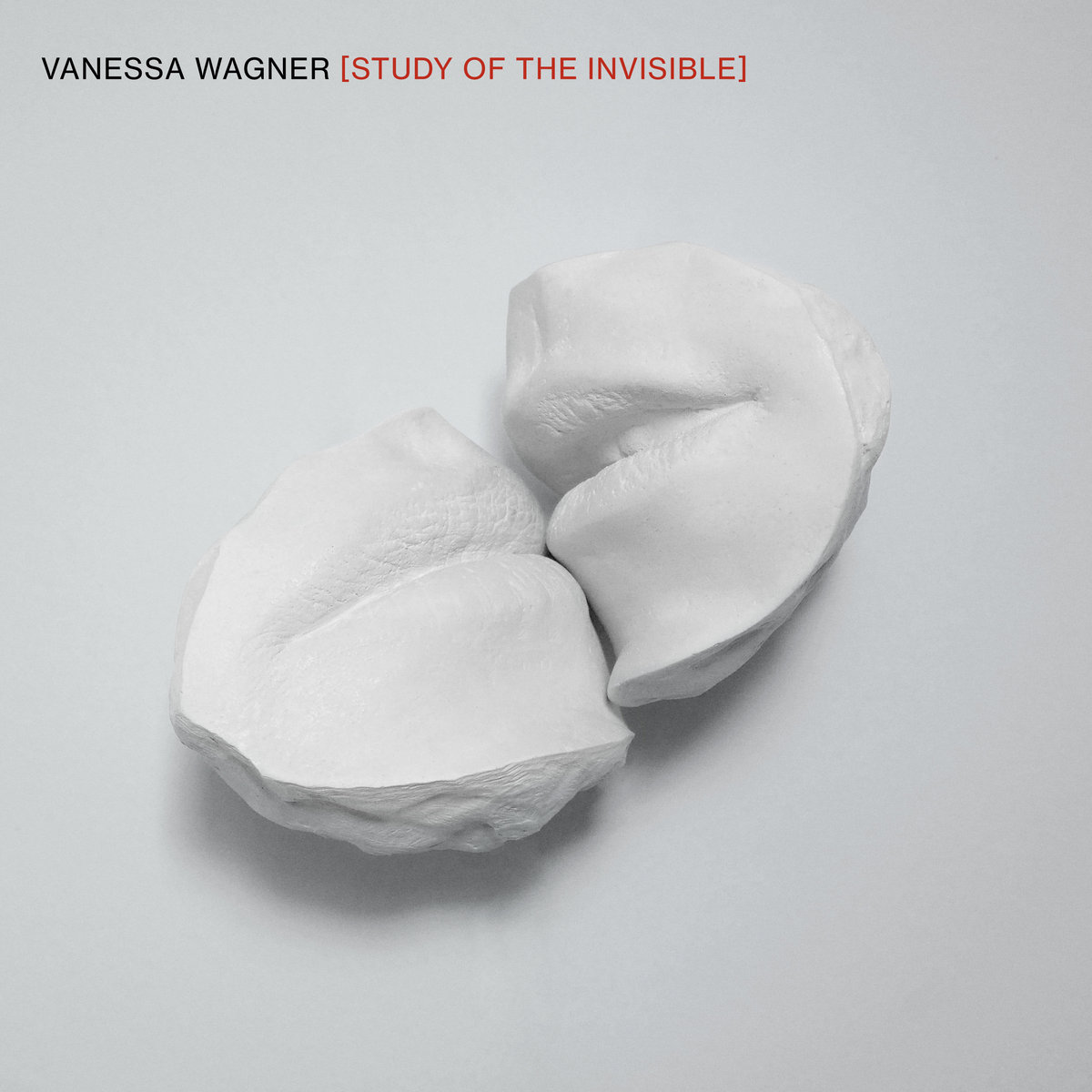
It was another strong year for electronic music of an ambient dimension. Switched On is the area of Arcana concentrating on new music in this area, and without putting too many musical names on these albums, we really enjoyed a good deal of slower stuff. Starting with a single instrument, Vanessa Wagner’s Study of the Invisible (above) made an understated but lasting impression, particularly with Caroline Shaw’s Gustave Le Grey at its heart. Vanessa plays with poise and expression, and this wonderfully curated selection worked so well.

Meanwhile long term favourite Erland Cooper charmed with his pure, still music written to soundtrack the Superbloom installation at the Tower Of London, Music For Growing Flowers (above). Speaking of earthy sounds, Sonic Cathedral gave us twilight wonders from Pye Corner Audio and, with a little more country in the mix, Sunset Dreams from Mark Peters.

At the hottest part of summer, Arthur King’s music was extremely evocative in Changing Landscapes – as was that of Deepchord, making a return to the long player from Detroit with Functional Designs. Steve Davis, meanwhile (yes, that Steve Davis!) was busy enhancing his reputation as part of the electronic trio Utopia Strong and their excellent album International Treasure

More studied electronica gems should also be shouted from the rooftops – we are lucky to have British artists of the calibre of Bibio, Gold Panda and Plaid, each returning with excellent new albums. Meanwhile Clarice Jensen took her cello as a starting point on new album Esthesis, making music of great colour and descriptive power to counter the onset of lockdown. Also facing the elements head-on was Daniel Avery, whose new album Ultra Truth was a powerful statement indeed:

There were some very strong releases on the classical side of things, as record companies dusted themselves down and started to include orchestral recordings again on their release schedules post-pandemic. Leading the way were the Sinfonia of London under John Wilson, a throwback to the golden age of orchestral recording in their challenging schedules for Chandos. With Hollywood, British and French music all covered, one in particular stood out, with the orchestral music of John Ireland given its rightful place in the spotlight:

Speaking of French music, a charmer from the Orchestre National des Pays de la Loire and Pascal Rophé proved the ideal hot weather soundtrack as it explored orchestral versions of Debussy keyboard works. Their accounts of the Petite Suite, La boîte à joujoux and Children’s Corner were full of colour and character.

This year saw the 150th anniversary of the birth of Ralph Vaughan Williams, one of the finest British composers of the 20th century. Somm Recordings made a memorable tribute by way of the undervalued string quartets, these lovely autumnal works given vibrant performances from the Tippett Quartet.

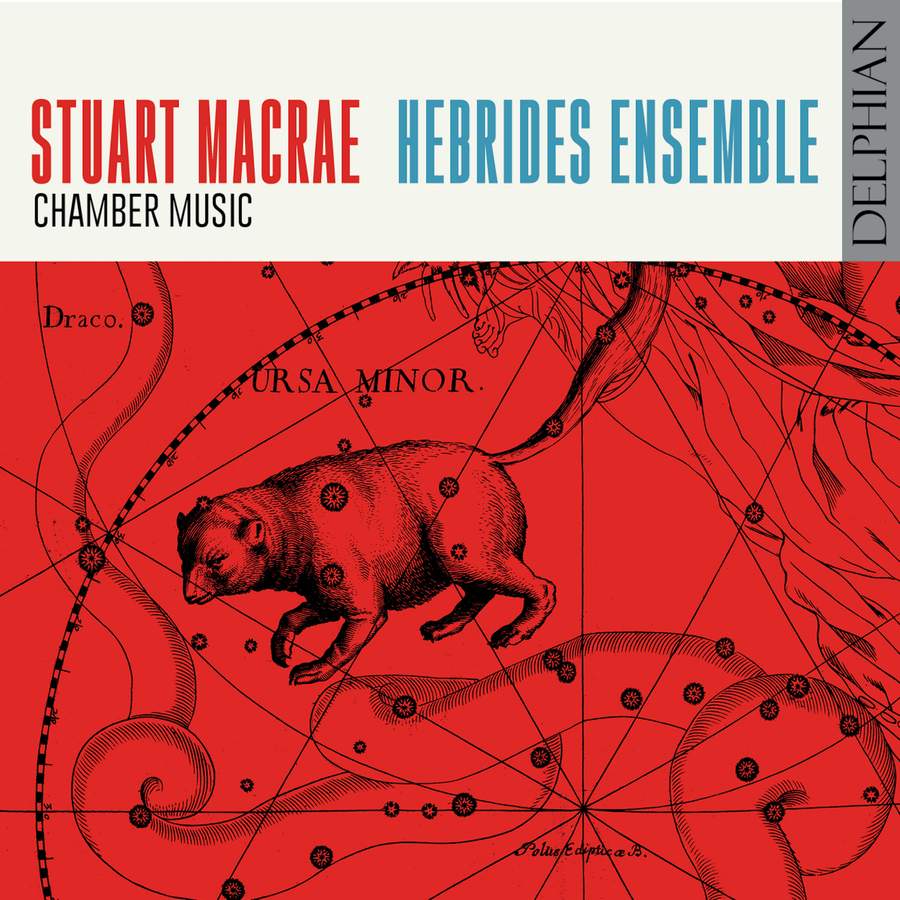
Contemporary classical music put in some very strong appearances this year, and few more than Stuart Macrae, showing off the quality of his chamber music on an album from the Hebrides Ensemble on the excellent Delphian label. We enjoyed a number of online and in-person concerts from the English Symphony Orchestra and Kenneth Woods, which were capped by an outstanding recording of Adrian Williams’ Symphony no.1, a commendable raising of the flag for new British music

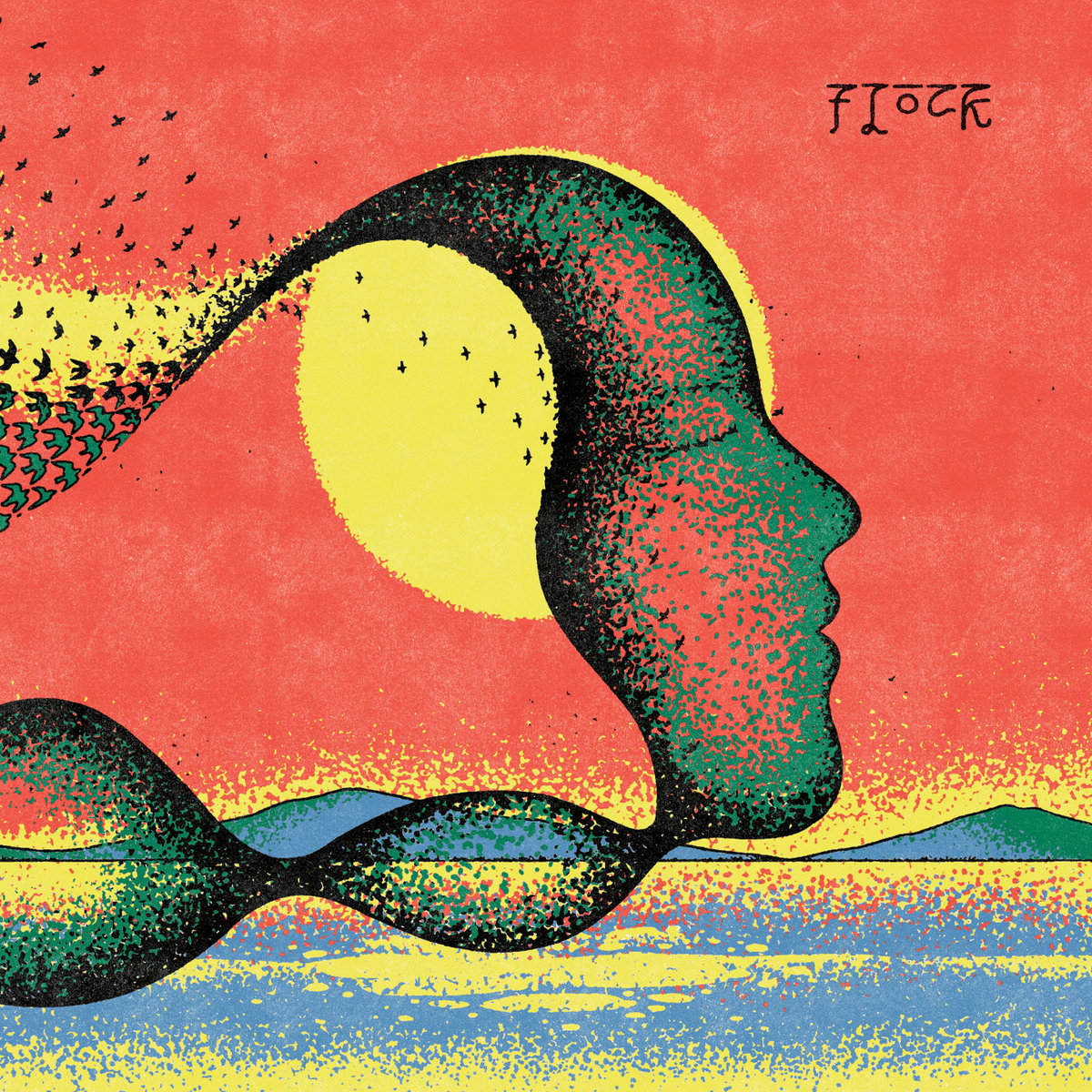
During 2022 we made a couple of visits to the outskirts of jazz, in the company of super group Flocktheir excellent self titled debut – and a triumphant and experimental return from Szun Waves.

On the dancier side of things, Heavenly Recordings excelled themselves this year with no fewer than six collections of remixes! We loved the first two instalments, which acted as a prelude to the utterly essential third and fourth volumes which brought together remixes from the much missed Andrew Weatherall.

The Haçienda celebrated 40 years since its inception with a handsome package from Cherry Red, while the best DJ mix honour goes to Cinthie – her contribution to !K7’s DJ Kicks mix series really was a thing of pure dancefloor enjoyment. So, too, was a John Morales-edited compilation devoted to the art of Teddy Pendergrass, vocalist for Harold Melvin & The Blue Notes.

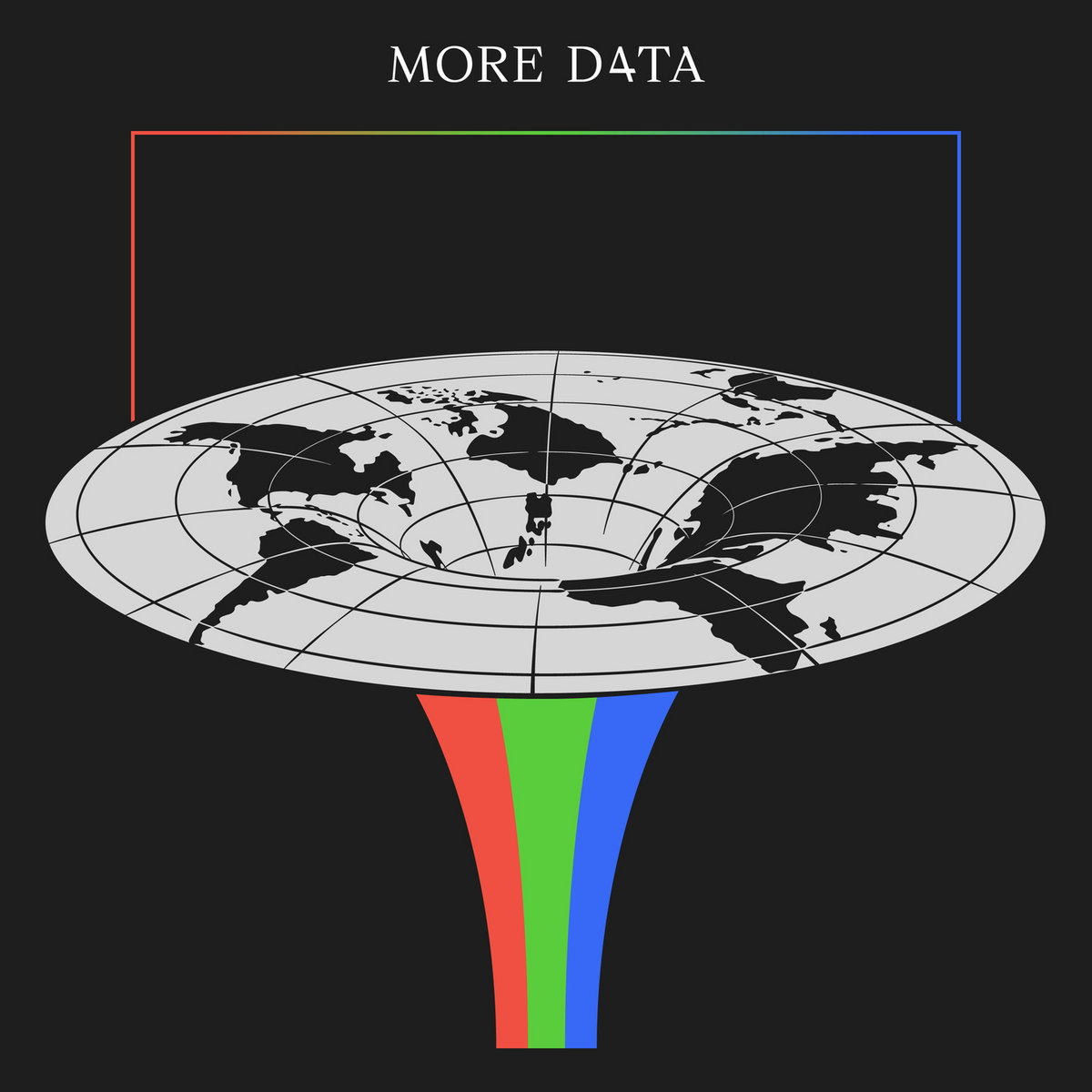
Cultured music for the discerning dancefloor came our way from Au Suisse, a welcome reunion for Morgan Geist and Kelley Polar, and also from Hot Chip, who further explored their emotions with an excellent and heartfelt eighth album. Moderat, returning after a long absence, went more for the jugular with the thrilling More D4ta

With all that said and done, what would an Arcana album of the year look like? Something like this…the most listened to long player of the year in these parts, Fleeting Future – a vibrant offering from Akusmi which channelled all sorts of intriguing influences into something wonderfully original:

We will have a few more reviews to come over this week – but for now, we thank all our readers for your visits and wish you a happy, peaceful and regenerative Christmas holiday season. Oh, and a Happy New Year for 2023!

On Record – Jóhann Jóhannsson: Drone Mass (Deutsche Grammophon)

drone-mass

written by Ben Hogwood

What’s the story?

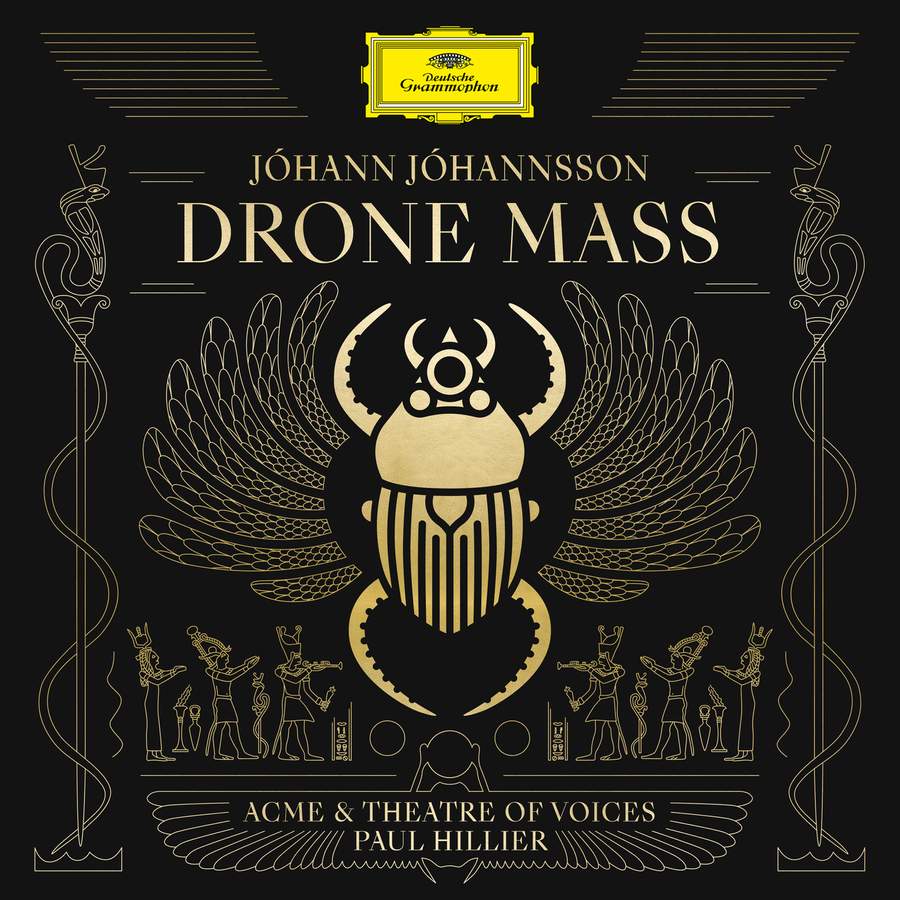
Drone Mass is one of the last completed works from the late and much missed Jóhann Jóhannsson. It was commissioned by the American Contemporary Music Ensemble, and given its first performance in 2015, at the Temple of Dendur in New York’s Metropolitan Music of Art. Jóhannsson took part in early performances of the work, but due to his sudden and sad death in 2018 was not present for this recording, made by ACME and their director Clarice Jensen in 2019. Joining the members of the ensemble were Theatre of Voices, conducted by Paul Hillier, who also took part in the early performances.

As Jensen makes clear in the booklet, Drone Mass is ‘neither a setting of the mass nor a piece that simply drones’ – but it is a sacred piece that has recurring drones throughout the work. It also has new technology as a background theme, Jóhannsson using his mastery of electronic music to write about drones as a force in the world today. The work’s vocals are drawn from the ancient Nag Hammadi scriptures and are written in Coptic, leading to a billing for Drone Mass as ‘an electroacoustic oratorio’.

What’s the music like?

The music takes its lead from the vocals, bringing together elements of ancient polyphony and new, drone-filled electronic textures. Because of this it is possible to approach Jóhannsson’s music from several directions, hearing old, unaccompanied melodies that can switch to electronics with little to no warning. The two work well together, especially as Jóhannsson’s music moves at a relatively slow pace. His language takes its lead from the ‘holy minimalism’ of Arvo Pärt and John Tavener, but is never derivative, searching as it does for a successful fusion of old and new methods of communication.

That search breeds a great deal of tension, which brings depth to the Drone Mass. The work starts with what sounds like an old, ornamented melody on One is True that gradually evolves into a substantial statement from all performing forces. Two Is Apochryphal is a meditative study with high, remarkably pure vocals, then Triptych In Mass contrasts plaintive violin arpeggios with two vocal lines, one drone like and the other much more mannered. The emotional centre of the work, however, lies in the two Divine Objects settings. Part one has a particularly haunting motif which develops into a powerfully wrought statement.

Does it all work?

It does. Although its constituent sections work well out of context, the Drone Mass is at its most effective when heard beginning to end in one sitting, taking shape and growing slowly but surely as it proceeds. The standard of performance is commendably high, too – thanks to outstanding singing from the Theatre of Voices, holding the sustained notes with impressive surety and accuracy. Meanwhile ACME provide the exquisitely shaded instrumental contributions.

Is it recommended?

Yes, without hesitation. Often pieces like this go for too many gestures or try to hit the harmonic sweet spots too often. Jóhann Jóhannsson is different, writing fluently to a larger scale, with music that grows in stature across its hour-long length. It leaves us with much to ponder, the only shame of course being that its composer is no longer around to hear what a fine recording has been made in his honour. In Drone Mass, he leaves a deeply felt and starkly effective representation of our times.

Stream

Buy

You can purchase this compilation at the Deutsche Grammophon website, where you can hear more clips and read more about the project.