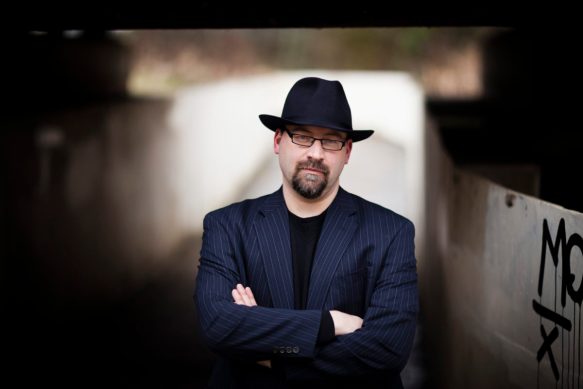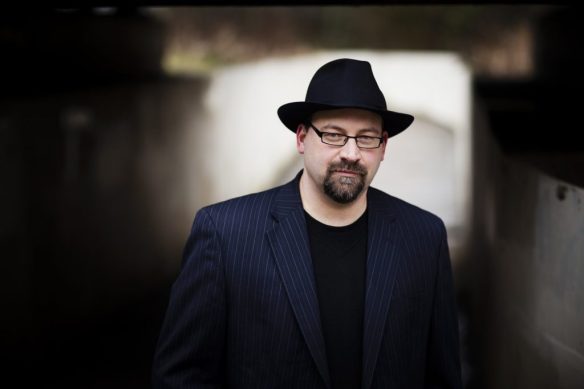
Pavel Šporcl (violin), English Symphony Orchestra / Kenneth Woods (above)
Cadogan Hall, London
Sunday 9 June 2019 (3pm)
Taylor Symphony no.5 Op.59 (2018)
Mendelssohn Violin Concerto in E minor Op.64 (1844)
Beethoven Symphony no.5 in C minor Op.67 (1808)
Written by Richard Whitehouse, who also introduced the concert with Matthew from the Cadogan Hall platform
This debut at Cadogan Hall by the English Symphony Orchestra was also the third in its 21st Century Symphony Project, having previously included the Third by Philip Sawyers and the Ninth from David Matthews. This afternoon brought the Fifth Symphony of Matthew Taylor (below).

Symphonism goes back to the start of Taylor’s composing career, his Sinfonia Brevis having been completed at just 21. The present work is only his second such piece in four movements, but here the formal and expressive emphasis feels very different. Indeed, the opening Allegro is unprecedented in his output for its tensile volatility (not unlike that of Beethoven’s Serioso Quartet), its driving impetus and explosive culmination creating a momentum pointedly left unfulfilled by the ensuing intermezzi: the first (a tribute to composer and teacher Cy Lloyd) as terse and equivocal as the second (a tribute to Angela Simpson, wife of composer Robert Simpson) is poised and wistful. It remains for the final Adagio (a tribute to Taylor’s mother Brigid) to secure that eloquent apotheosis towards which the whole work had been headed.
The ESO responded with playing of sustained emotional power such as carried through this movement’s plangent twin climaxes and on to its resigned coda. Not that there was any lack of commitment earlier – Kenneth Woods having set a suitably headlong tempo for the first movement as left his players unfazed, then characterizing the central intermezzi with regard for their subtly different auras. A fine rendering of a piece which amply reinforces Taylor’s standing as a symphonist of stature. Hopefully further hearings will not be long in coming.

The rest of this concert consisted of standard repertoire, but there was nothing routine about the performances. Pavel Šporcl (above) was soloist in Mendelssohn’s Violin Concerto, notable for the trenchancy and forward impetus of its opening movement – not least the structurally crucial cadenza placed between development and reprise, then the alternately easeful and searching Andante. The finale had no lack of wit or insouciance – Šporcl duly returning for a dynamic account of the Fifth Caprice by Paganini, its coruscating passagework delivered with aplomb.
After the interval, Beethoven’s Fifth Symphony received a reading as attentive to the smaller detail as to its overall trajectory. The initial Allegro was incisive though never inflexible, not least in delineating the myriad variants on its indelible four-note ‘motto’, and if the Andante evinced a marginal lack of grandeur at its relatively swift tempo, those teasing asides which open-out its expressive course were deftly underlined.
Using the Clive Brown edition of this piece, Woods (rightly) opted to include the second-time repeat of scherzo and trio – giving it an enhanced presence as ideally complemented the finale’s ensuing majesty. There was little to fault in the latter’s uninhibited course: whether, or not, this edition places greater emphasis on the piccolo part, the clarity with which it emerged itself proved something of a revelation.
A memorable conclusion to a concert which also underlined the importance of this project in bringing together past and present of the symphony as a genre of ongoing and vital relevance. Next year sees a third instalment in the guise of the First Symphony by James Francis Brown.
Further listening
Toccata Classics have previously issued an album of Matthew Taylor orchestral music, recorded with the BBC Symphony Orchestra and Garry Walker. The composer’s Second Symphony and Viola Concerto can be heard here:
Pavel Šporcl can be heard in violin concertos by Richard Strauss and Korngold on the album below:
For more information on Matthew Taylor, visit the composer’s website Meanwhile Kenneth Woods has a detailed website of writing and engagements here, and you can read more about the English Symphony Orchestra here

 Raphael Wallfisch (cello, above), English Symphony Orchestra / Kenneth Woods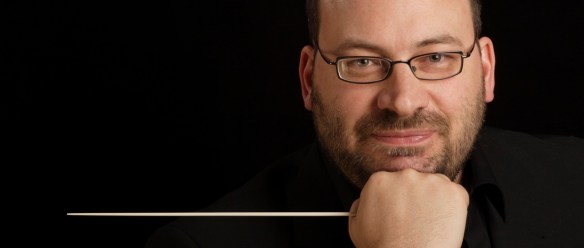
 April Fredrick (whose impressive account of Strauss’s Four Last Songs in the first of these concerts is required listening) then took the stage for a medley drawn from the second act of Humperdinck’s timeless Hänsel und Gretel, trebling up as the Sandman and then both main characters in a reminder that the enchanting essence of this opera is seldom without its more ambivalent, even ominous undertones in the treatment of childhood. Moreover, this chamber reduction brought an intimacy that more closely aligned the music to its origins as a singspiel.