Switched On – Amphior: Another Presence (Glacial Movements)

amphior

reviewed by Ben Hogwood

What’s the story?

This was made during the first Covid lockdown, described by its author as ‘a strange vacuum of feeling lonely and isolated’. However Amphior – aka Mathias Hammerstrøm – emerged from the period with a positive outcome, connecting with himself as a person and addressing some long-held feelings on introversion and sensitivity. Another Presence allowed him to express those feelings and be more himself in the process.

What’s the music like?

Haunting. It is possible to hear what sound like disembodied voices in many of these tracks, and though they are not noticeably lyric-based there is a primeval vocal quality to a lot of Amphior’s writing.

Void, the first track, has wisps of sound in the middle ground, some of them vocal, above a distorted and cracked profile underfoot, like standing on a large geological feature in a cold wind. The voices become more ominous in the course of the second track Phantasm, as does the darker musical language. After these two heavier pieces of music, Imaginary Shelter is just what’s needed, a comforting wash of sound and soothing harmonies. Dream Traveler offers the same welcoming cushion, though is consciously on the move, with that sounds like slow footsteps in the snow. The slow walking continues, with gradually changing vistas, as Sleepwalker takes in a range of colours both dark and light, before Pathfinder pans right out again. The warm colours of Another Presence find Amphior returning to a settled harmonic base, from which What Was Lost offers thick ambience if a hint of unresolved conflict, before ultimately fading away on the wind.

Does it all work?

Yes. Through the eight tracks here Amphior captures both the claustrophobia and strange, twisted freedom lockdown seemed to offer in equal measure, the qualities complementing each other while never becoming fully satisfying. Here the music is ultimately satisfying, finding its resolution from darker thoughts and feelings earlier on.

Is it recommended?

Yes. Another Presence is an affecting and occasionally disquieting listen, moving at a very slow pace as it examines feelings and experiences held deep beneath the surface. Ultimately those examinations bring forward a positive and deeper calm, the listener able to appreciate the long form ambience of this extremely descriptive album.

Stream

Buy

 

Guest mix – John Sellekaers

It is our great pleasure to welcome John Sellekaers to the Arcana playlist section.

In fact the Brussels-based, Canadian born musician has gone one further and contributed an hour-long mix which, to be honest, is an absolute treat. Just a few seconds of Andrew Wasylyk’s Blossomlessness #2 is all it will need for you to mentally cast off the cares of modern living and float into pure musical ambience.

The mix develops with some lovely contributions from Simon McCorry, Atom TM, Loscil and Mark Van Hoen to name just a few, and gradually Sellekaers introduces more beat-based work to his equation – before pulling back and letting the music create a wonderful amount of space.

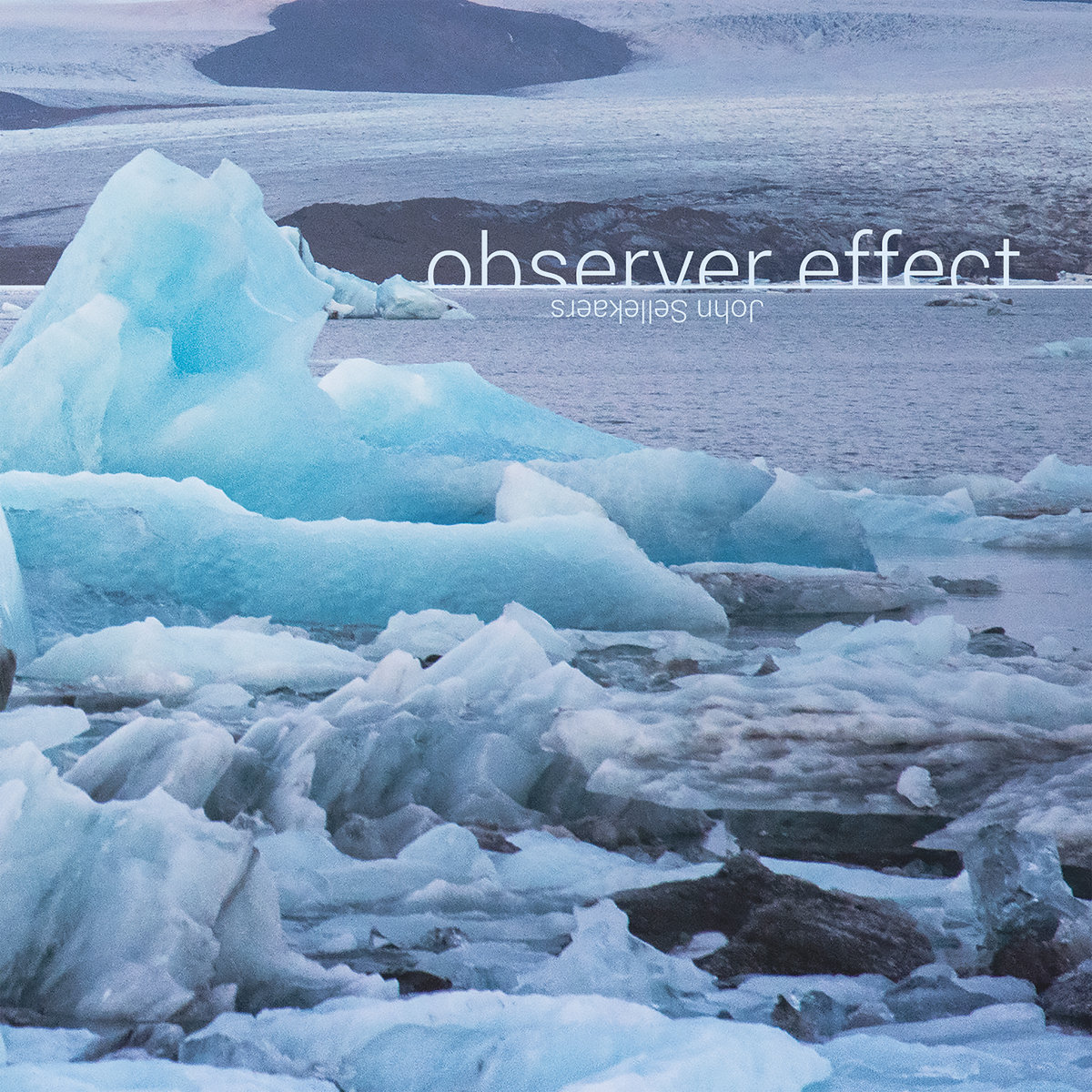
Arcana reviewed John’s new Observer Effects album on the Glacial Movements label back in August, finding its immersive ambience ‘coldly effective’ – a compliment to the purity of his productions. The same applies to his DJing, as you will find here.

Our thanks to John for this wonderful selection of music:

Switched On: John Sellekaers: Observer Effect (Glacial Movements)

john-sellekaers

reviewed by Ben Hogwood

What’s the story?

Observer Effect is an album fed by history, countless stories and books’, reports John Sellekaers. The Brussels-based musician, who also works in other art forms as an engineer, photographer and designer, is approaching this album through the view of a pioneer explorer. He is imagining the experience of visiting a new region for the first time in history, pondering how his arrival in an undiscovered area changes the previously unseen habitat – and exploring the effect it has on him. Given Glacial Movements‘ musical history the points of reference that come to mind are the North and South poles, and the remote areas on their approach – or even another planet entirely.

What’s the music like?

Observer Effect starts like an extended tidal system. Big, single chords ebb and flow with a reassuring regularity. Occasionally a less certain sound imposes on the cycle but generally the outlook is one of vast ambience. Slowly the landscape passes by, the listener seemingly positioned on a slow moving method of transport with the scope to take in wide vistas. Gradually the scenes change over time, but occasionally a darker side is revealed, as though the introduction of man-made elements is threatening the natural change.

A thicker treble pitch makes itself known at the start of On The Trail, an intense and sustained note, and as this track evolves a more distorted sound, like a long guitar note, creeps into the consciousness. After this burst of intensity, a dense blanket of sound descends for Shelter, which takes on more definitive brush strokes. In The Lightest Night takes on eerie harmonies and a strong current of uncertainty, heightened by the displaced harmonies of Optical Haze Pt. 1, which plays with the listener’s perspective, especially on headphones, before charting a much deeper course towards the end.

Parasomnia creaks as though under stress from something, before the substantial Water Sky takes a repeated phrase of one note and runs with it, the tidal system returning to the listener’s consciousness. Finally Optical Haze Pt. 2 offers a calmer scene and ultimately rest.

Does it all work?

It does – and is most effective when listened to as a whole. Sellekaer’s music is unusual, for it manages to imply melodies while using very few notes, and emotions are portrayed through texture just as much as harmony. It is coldly effective, difficult to always relate to on a human level but compelling all the same.

Is it recommended?

Yes. Observer Effect proves a worthy addition to the Glacial Movements canon of immersive ambience, telling a powerful story in its relatively few notes. Fans of the label need not hesitate.

Stream

Buy

Switched On – Amongst The Pigeons: Silence Will Be Assumed As Acceptance

atp

reviewed by Ben Hogwood

What’s the story?

‘We need to save humanity, because no one else will’. The stark outlook at the beginning of Daniel Parsons’ third album as Amongst The Pigeons sets the scene for a 12-track salvo against the choppy waters we find ourselves navigating. It is a first-hand response to the pandemic, the destruction of the environment, social and racial injustice, and much more besides. It is delivered through his own inimitable set of gadgetry from a garden shed outside Worthing, with home-produced music whose message travels far and wide.

What’s the music like?

Silence Will Be Assumed As Acceptance has an extremely satisfying structure, featuring a raft of carefully chosen electronics but with Parsons’ own voice opening and closing. Some of the track titles are clearly borne of the last year – N.V.O.D. especially. Standing for Natural Vectors Of Disease, this track collaborates with Richard Wiseman to call out the government on their response to the pandemic, amongst other things. There is barely concealed anger here, channeled through a hard hitting burst of electronics, and it is typical of the album’s ability to make a forceful point without resorting to cliché.

Colour Blind achieves a similar aim, Parsons’ urgent vocal nicely blended with Ollie Barron’s chorus, and while N.V.O.D. is angry, Holding My Breath works an emotive blend of flickering electronics and the well-matched vocals of Tiger Mendoza and Charis Cooper. More tender moments can be enjoyed in Bring The Stars Closer, where the cooing of singer Emma King is complemented by poolside grooves.

Before The Storm Hits is a satisfying blend of stabbing bass and a soulful vocal from Fast Trains, a complement to Megan Lundford’s persuasive tones on the following After The Storm. The beats are busy but never too obtrusive, Parsons working a healthy quotient of riffs and some really effective percussive effects. The balance is ideal, typified by the rich voice of Hannah Katy Lewis, set to quickly turning studio cogs.

The album works like a mix, with each track segued into the next, and the panning effects Parsons works in work really well on headphones. On occasion the bass hits satisfying depths, too, none more so than the fine instrumental Can You Manage? Do You Understand?

However the album’s defining moment proves to be the inspired use of a Charlie Chaplin speech on You The People. Developing like a Chemical Brothers track, it exhorts us to ‘create happiness’, to ‘make this life a wonderful adventure’. Spread Hope, with The Sad Song Co., delivers a similar if more understated message.

Does it all work?

Handsomely. Silence Will Be Assumed As Acceptance is a lean beast, scooting through its dozen tracks in under 40 minutes with no padding at all. Its message is powerful but never ‘preachy’, and the busy electronics complement the vocals rather than smothering them. A word, too, for some striking artwork from Ella Manongdo, matching the album’s impact.

Is it recommended?

Yes, enthusiastically – an album full of incident and heart but with strong underlying messages that are fiercely relevant to today’s world. It is a shot in the arm – or should I say shoulder?!

Stream

Buy


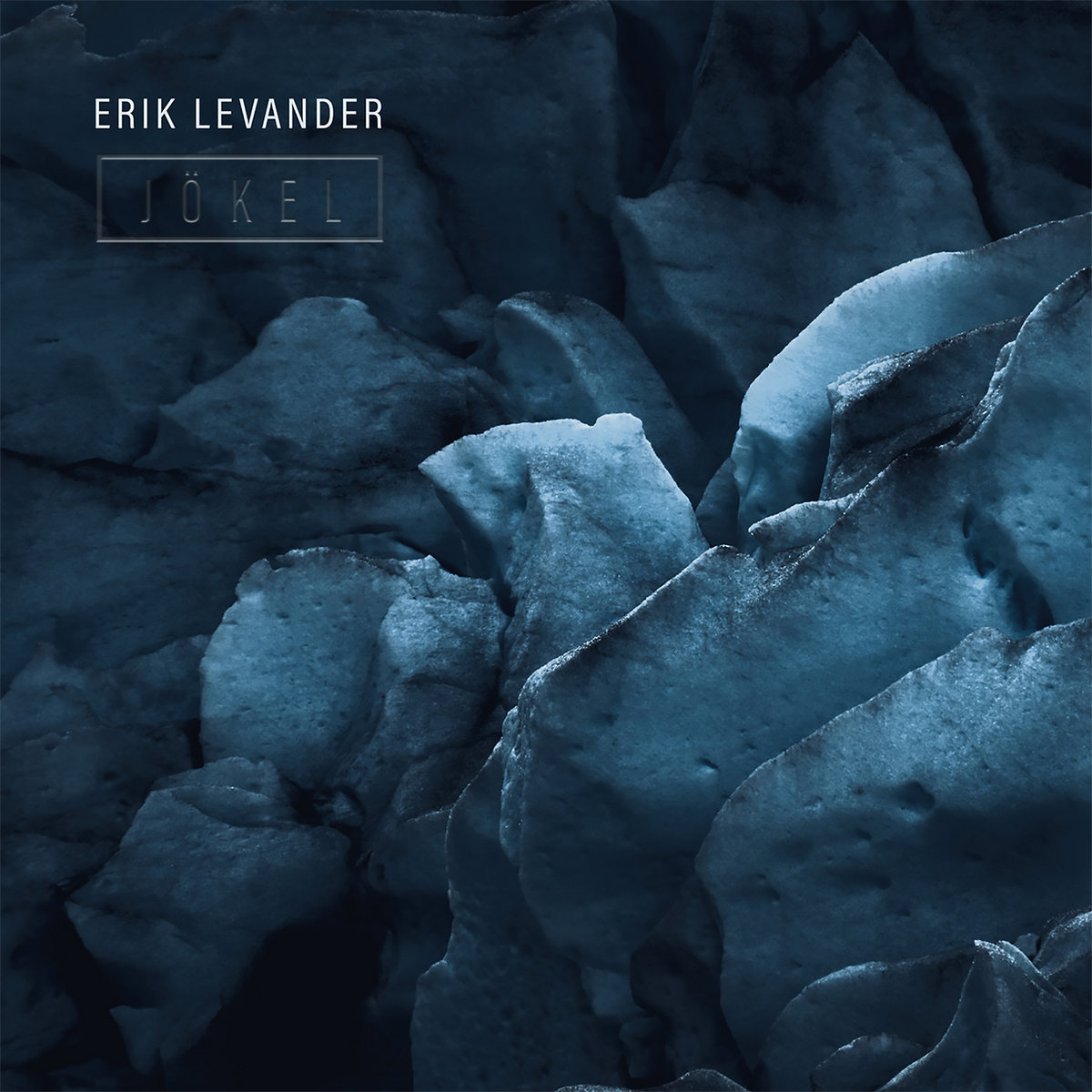
Switched On – Erik Levander: Jökel (Glacial Movements)

erik-levander

reviewed by Ben Hogwood

What’s the story?

‘Jökel’ is the Swedish word for glacier, with its roots in the Icelandic word ‘Jökull’. It is an entirely appropriate title for Erik Levander’s latest album, borne out of a visit to the Mýrdalsjökull glacier in Iceland (seen below). He crafted a clutch of imaginary field recordings from the visit, inviting the listener to join him on a natural journey around and through this natural phenomenon.

What’s the music like?

Among his plentiful output, this will surely be one of Levander’s more minimal albums to date. Yet that is an entirely valid approach as he looks to capture the slow, incremental progress of the glacier, while also recognising the fact it sits on top of a volcano.

There are no melodies as such here, but the five tracks are compelling as they slowly develop in front of the listener’s ears. Tröskel (Threshold) has an ominous knocking sound that reoccurs as though natural bumps were going on that could lead to something much more substantial down the line. This is a theme developed in the longer Expansion, where the sound widens its perspective and more obvious pitches appear, winding outwards and upwards. This is quite chilling on headphones, before the comfort of the sounds submersed in thick ambience, as though wrapped up in ice.

Myrdalsjökull_01From there we move to Avstånd, where it is possible to discern pieces breaking off the main flow, the ambience still thick behind, before hissing and dripping sounds start to dominate the treble, again a spooky effect on headphones. Yta introduces the most definite pitches we have heard so far, rooted to a single chord initially but then changing to a pitch laden with overtones as the perspective changes. Finally, Massa (Mass) draws back a bit, letting us appreciate the sheer size of the construction, the wind audible over the snow and ice.

The five tracks last just over 50 minutes, and are definitely best heard as a whole in order for the listener to walk with Levander along the edge of this remarkable construction.

Does it all work?

Yes. Levander’s soundscapes are remarkably descriptive, sending a shiver of cold down the spine. This is not comfortable music, and when the listener has the subject matter to hand it is easy to think of the anguish involved with the melting of our glaciers. Levander successfully portrays his subject but with a fair bit of discomfort involved.

Is it recommended?

Yes. Jökel sits comfortably within the spectrum of the Glacial Movements label, and is a compelling document of a visit that clearly had a strong emotional effect on the Swedish artist. 

Stream

Buy