
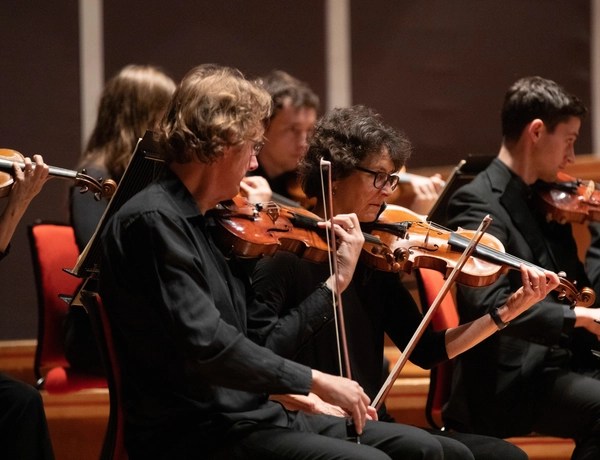
In concert – Ryan Wang, CBSO / Pierre Bleuse: Ravel, Liszt & Bartók

Ryan Wang (piano), City of Birmingham Symphony Orchestra / Pierre Bleuse

Ravel Ma mère l’Oye – ballet (1910-11); Rapsodie Espagole ((1907-08)
Liszt Piano Concerto no.1 in E flat major S124 (1849, rev. 1855)
Bartók The Miraculous Mandarin BB82 – suite (1918-24)

Symphony Hall, Birmingham
Thursday 4 December 2025

Reviewed by Richard Whitehouse Photo of Pierre Bleuse (c) Marine Pierrot Detry

His marking the centenaries of Berio and Boulez at this year’s Proms confirmed Pierre Bleuse (music director of the Ensemble Intercontemporain) as a conducting force to be reckoned with, duly reaffirmed by this afternoon’s concert with the City of Birmingham Symphony Orchestra.
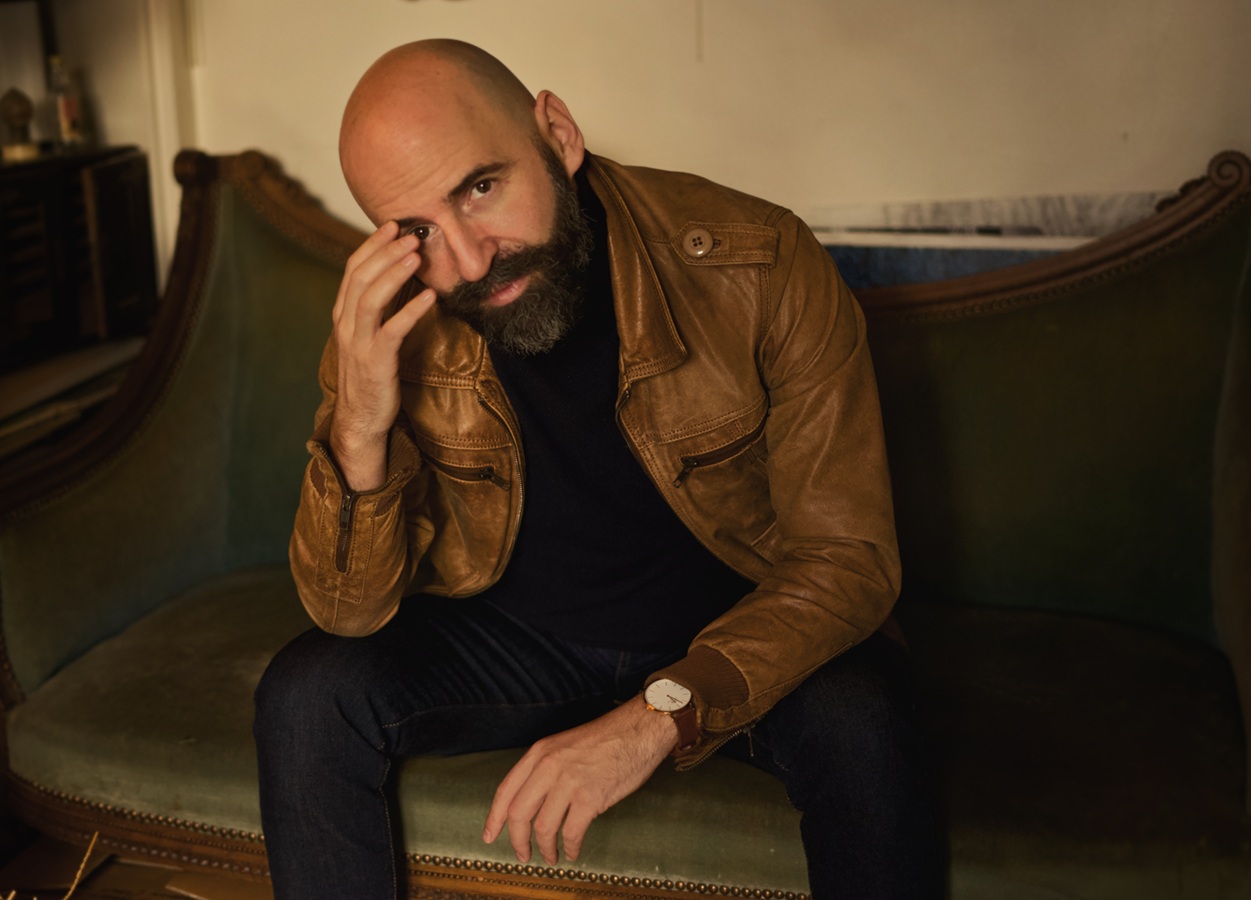
The CBSO has an association with the ballet incarnation of Ravel’s Mother Goose stretching to Simon Rattle and beyond to Louis Frémaux. After an evocative Prelude then a winningly nonchalant Spinning-Wheel Dance, Bleuse (above) brought out the plaintiveness in Pavane of the Sleeping Beauty’ then the subtly nuanced humour in Conversation of Beauty and the Beast; pointing up the piquancy of Tom Thumb then the whimsicality of Laideronnette, Empress of the Pagodas. Interpretively as well as musically, the best was saved until last – the deftest of transitions leading into a Fairy Garden of artless eloquence. Throughout this memorable performance, woodwind playing was consistently beguiling – not least during that approach to an apotheosis such as benefitted from Bleuse’s refusal to overstate its emotional rhetoric.

Nothing wrong with an all-Ravel first half, even if Rapsodie Espagnole may not have been the ideal continuation. Yet that sultry aura exuded by Prélude à la nuit felt almost tangible, as was the ominous unease of Malagueña and the rarefied elegance of Habanera, before the mounting excitement of Feria carried all before it. Bleuse successfully brought out the nostalgic resonances at the centre of this finale, and even if the closing bars lacked a degree of visceral excitement, the sense of a cohesive or cumulative whole could hardly be denied.
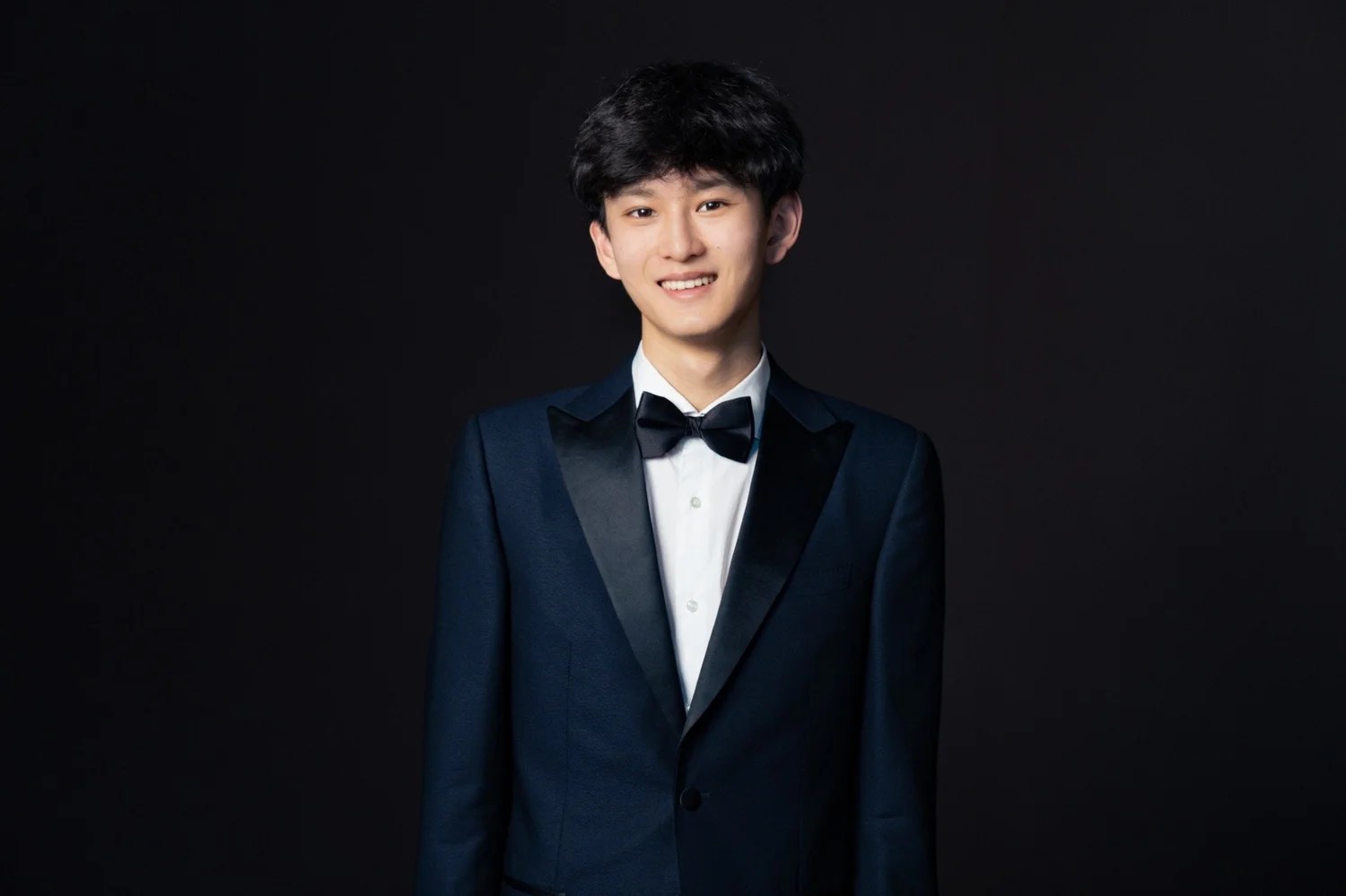
After the interval, a welcome hearing (less frequent these days than might be imagined) for Liszt’s First Piano Concerto. Executed with the right panache and an absence of histrionics, its formal succinctness and cyclical ingenuity are its own justification; not least as rendered with such attention to detail or expressive impetus by Ryan Wang (above). The winner of last year’s BBC Young Musician competition, he evidently has technique to spare while being equally capable of a delicacy and understatement ideally suited to the pensive ‘slow movement’ or the teasingly playful ‘scherzo’. The opening section was enhanced by a poetic contribution from clarinettist Oliver Janes, while the ‘finale’ headed to an exhilarating peroration. Wang duly acknowledged the applause with his leonine rendering of Chopin’s ‘Heroic’ Polonaise.

The programme ended with the suite from Bartók’s pantomime The Miraculous Mandarin. This is music which all too easily descends into overkill, but Bleuse kept a firm grip on its progress from the frenetic opening evocation of urban traffic, via its mounting anticipation with the arrival of the three ‘clients’, through to a bewitchingly shaped encounter between the mandarin and the woman. Nor was there any absence of virtuosity in a climactic chase-sequence, even while the emphasis on its rallentando markings proved a little too intrusive.

Most surprising, however, was a relatively prolonged silence after its explosive ending. Was the audience nonplussed by its once-infamous scenario, or was it unaware of this supposedly familiar music? Whatever, the performance assuredly seal the seal on an impressive concert.

For more information on the 2025-26 season head to the City of Birmingham Symphony Orchestra website. Click on the names to read more about soloist Ryan Wang and conductor Pierre Bleuse

Published post no.2,740 – Sunday 7 December 2025

In concert – Thomas Trotter, CBSO / Pierre Bleuse: Saint-Saëns ‘Organ’ Symphony; Ravel, Poulenc & Holmès

Thomas Trotter (organ, above), City of Birmingham Symphony Orchestra / Pierre Bleuse

Ravel Le Tombeau de Couperin (1914-17, orch. 1919)
Poulenc Organ Concerto in G minor FP93 (1934-8)
Holmès La Nuit et l’Amour (1888)
Saint-Saëns Symphony no.3 in C minor Op.78 ‘Organ’ (1885-6)

Symphony Hall, Birmingham
Wednesday 20 September 2023 (2.15pm)

Reviewed by Richard Whitehouse

It hardly seems 40 years since Thomas Trotter took on the post of Birmingham City Organist in succession to the venerable George Thalben-Ball, and it was good to see his local orchestra marking the occasion with a programme which featured two staples from the organ repertoire.

Some 85 years on and it might be hard to imagine just how radical (or, better still, subversive) Poulenc’s Organ Concerto was through its juxtaposing elements both serious and populist in a continuous sequence that comes together precisely because of this stylistic incongruity. Not that Trotter betrayed any such doubts in what proved a tautly cumulative reading; aspects of the Baroque and Classical colliding with a sombre if never wantonly earnest Romanticism in which strings melded seamlessly with the soloist while timpani underpinned climactic points. Pierre Bleuse ensured a steady gathering of tension over the lengthy central span of slow(ish) music, with the final stages making the most of that music-hall element as makes the fateful ensuing recessional then baleful closing cadence more decisive in its stark emotional impact.

Organ transcription of Ravel’s Le Tombeau de Couperin is not unknown, but this afternoon’s performance was of the composer’s familiar orchestral version. Bleuse (below) conveyed the reticent elation of the Prélude, and while his expressive emphases made the Forlane overly studied in its knowingness, the wistful elegance of the Minuet sounded as disarming as was Yurie Aramaki’s oboe playing. Nor was any lack of poise in the central sections of the Rigaudon, even if Bleuse’s slightly stolid tempo in those either side sacrificed some of the music’s elan.

Composer, artist and feminist Augusta Holmès left a substantial output whose ambition may outstrip its attainment but includes such gems as La Nuit et l’Amour. Originally an interlude in her symphonic ode Ludus pro patria, it had established itself as an autonomous item well before becoming a staple of late-night music programmes – its canny amalgam of sensuous harmonies and heady lyricism recalling such contemporaries as Massenet and Godard, albeit with her engagingly personal twist which communicated itself readily in this performance.

Saint-Saëns was guarded with his assessment of Holmès, but his remark on her ‘flamboyant orchestration’ feels no less applicable to the Organ Symphony such as constitutes his greatest orchestral achievement and of which the City of Birmingham Symphony has given numerous memorable outings. While not among these, this account still left little to be desired – Bleuse launching the first part with keen expectancy before steering a purposeful if slightly dogged course through the ensuing Allegro. Seated up high at the organ console (rather than adjacent to the orchestra as with the Poulenc), Trotter made the most of the Adagio’s luminous timbral registrations which complemented the similarly burnished orchestration, while there was no lack of vigour or vivacity in the ‘scherzo’ section that bursts in at the start of the second part.

It is easy to make the ‘finale’ overbearing in its grandiloquence, but Trotter resisted any such temptation – he and Bleuse conveying the impetus and excitement of this music as it headed through passages of chorale and fugue toward a peroration as satisfying as it was irresistible.

You can read all about the 2023/24 season and book tickets at the CBSO website. Click on the artist names for more information on organist Thomas Trotter and conductor Pierre Bleuse