by Ben Hogwood, with text lifted from the press release
Pye Corner Audio has announced a forthcoming new album, More Songs About The Sun, due for release on June 19. His second studio album for Sonic Cathedral is a sequel of sorts to 2022’s acclaimed Let’s Emerge!
The first single, Cycle, is out now on all digital platforms and you can watch the video here:
“Cycle is probably the most direct ‘pop’ song that I’ve written,” explains Pye Corner Audio, aka Martin Jenkins, of the track, which was teased on last week’s vernal equinox and is released today, just ahead of the start of British Summer Time this weekend.
It’s an instant hit of sunshine, the portentous synth intro soon giving way to an indie-dance banger with a rare outing on vocals by Martin and added shoegaze / psych guitars from his sometime Sonic Cathedral labelmate (and Ride / Oasis member) Andy Bell.
You can watch the video below, and also listen / purchase on Bandcamp:
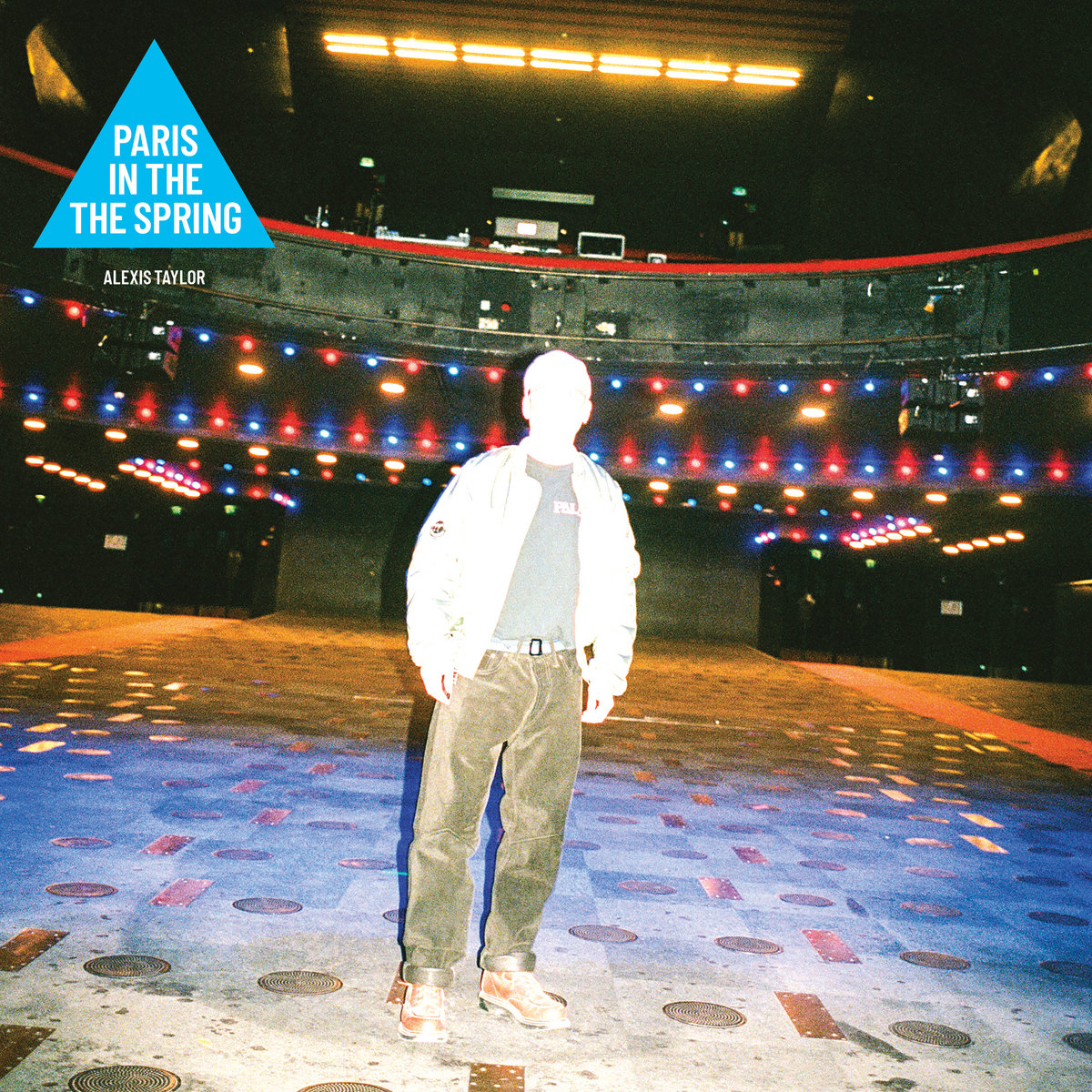
In which the Hot Chip frontman and vocalist Alexis Taylor completes his seventh solo album, this time casting the musical net far and wide with the help of good friend Nicolas Godin, one half of Air.
Nicolas and son Pablo share studio duties on an album whose collaborators also include The Avalanches and Étienne de Crécy, Lola Kirke and, perhaps most strikingly, Scritti Politti mastermind Green Gartside.
What’s the music like?
Given Taylor’s distinctive voice, a lot of the music is instantly recognisable when it comes to the author, but the stylistic departures from Hot Chip’s successful blueprint of soulful club house are frequent and on occasion daring.
These are some of the most emotive songs yet that Alexis has committed to record, especially Colombia, where he moves through bitter regret, and For A Toy, where he asks, “Why do I keep on fucking up the only thing I have ever loved?” There is always wry humour within arm’s reach, though, and in this particular song he is helped by the pure tones of Pale Blue’s Elizabeth Wright.
Elswhere the mood is much more positive, and mp3s Can Make You Cry, On A Whim, the successful hook-up with Gartside, and the outstanding Out Of Phase, with Lola Kirke, all hit the spot. A brave and wholly successful cover of The Rolling Stones‘ Wild Horses shows a vulnerable side, while The Avalanches and Étienne de Crécy fuel dancefloor happiness on I Can Feel Your Love.
Does it all work?
Mostly – and very enjoyably. Taylor really pushes himself creatively, and clearly enjoys doing so.
Is it recommended?
Yes, very much so – Hot Chip fans will love it, and the way in which Alexis Taylor crosses stylistic boundaries with creative freedom is a cause for celebration. Not many vocalists would be this brave, or this successful in their endeavours!
Mike Cadoo returns as Dryft with his fifth album under the moniker, a mere 26 years after he started with Cell.
This is a follow up to From Stasis, released five years ago, and in the words of the press release we find Cadoo “presenting crisper, more immediate compositions”.
What’s the music like?
A compelling mixture of bold beats and dense yet beautifully ambient musical material.
Cadoo has a really strong sense of timing, knowing when to push forward with energetic rhythm tracks and equally when to introduce a weightless keyboard breakdown, without compromising forward momentum.
There is a great deal going on throughout Particle, but with Cadoo’s pacing the likes of Actacrume work especially well, this track dropping a piledriving rhythm just over two and a half minutes in.
Bentithrum is superb, adding weighty beats of concrete to its floated keyboard lines, while Particle itself is a magnificently brooding track, its big beats and expansive soundscape the ideal match. Low Fixture is great, too, with big musical boots on the ground.
Does it all work?
It does – Cadoo’s music evolves consistently and readily, with free inspiration, but remains an ambient listen in spite of some of its sharply pointed beats.
Is it recommended?
Yes, enthusiastically – with the caveat that you really should investigate the other four Dryft albums. This spacey treat goes a long way.
by Ben Hogwood, with text lifted from the press release
Electronic musician BUNKR, the project under which James Dean operates, has announced new album Signal for release on 24 April 2026. The long player is prefaced by the release of two new tracks, 96 Refraction and Eyes Like Mirrors.
96 Refraction channels a drum and bass beat similar to what you might have heard in that year, with some deeply appealing widescreen musical movement, BUNKR’s music projecting into the distance. Eyes Like Mirrors covers a similarly large space, with washes of ambient sound that drift like spray.
On his Bandcamp page, BUNKR sets the scene for the new album. “It began with a flash of light over the Surrey Hills. A phosphorescent sphere pierced the night sky above Pitch Hill then promptly vanished as quickly as it had appeared, witnessed by a group of friends and later reported in the local papers. Stranger still was its proximity to the Mullard Space Science Laboratory, tucked deep in the woods nearby. Whether cosmic or coincidental, the moment left its mark — a signal from elsewhere, fleeting but unforgettable…”
The new album “is shaped by these formative encounters with space, sound, and the unknown…” while musically it “expands BUNKR’s world of detailed, immersive electronics. Shimmering ambient textures drift against polyrhythmic patterns and breaks; synth lines pulse like coded transmissions; fragments of rave energy flicker and dissolve into wide, cinematic soundscapes.”
As James says, it promises to be “a record rooted in the landscapes of youth, but tuned to the infinite possibilities of the horizon.”
Midnight Zone is a film by visual artist Julian Charrière, and its plot is described in the accompanying text to this release on the Bandcamp site of Californian musician and producer Laurel Halo.
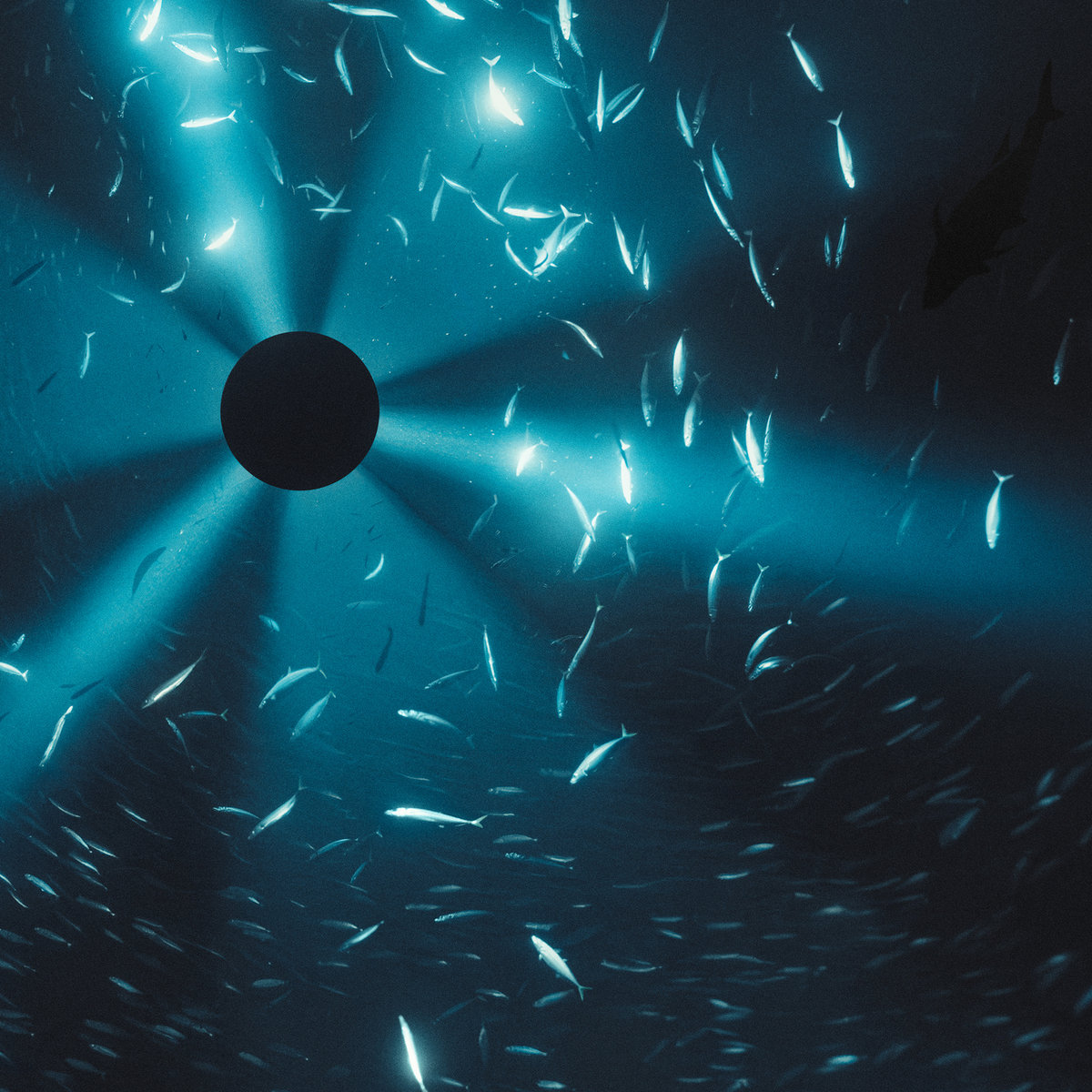
“Following the path of a drifting Fresnel lighthouse lens as it descends through the Clarion-Clipperton Fracture Zone — a remote abyssal plain in the Pacific Ocean, rich in rare metals and increasingly targeted for deep-sea mining — the film traces a descent into one of Earth’s last untouched ecosystems.
Charrière’s film reveals the deep not as void, but as a luminous biome teeming with fragile life: bioluminescent creatures, swirling schools of fish, and elusive predators. The suspended lens becomes an abyssal campfire, attracting species caught in the tides of uncertainty, their futures hanging in the balance.”
Laurel Halo has the unenviable task of representing these remarkable scenes in music, though her previous sonic excursions suggest she would be the right composer for the task! She composed the soundtrack was on a Montage 8 synthesizer and Yamaha TransAcoustic piano at the Yamaha studios in New York City, to which she added stacks of violin and viola da gamba.
What’s the music like?
Very deep – and remarkably evocative of the film itself. This accuracy of description is felt from the outset of its first track, Sunlight Zone, where drones suggest the vast emptiness of the ocean, but where there are glints of light and unexplainable life forms, some with shapes fully revealed but others with hidden depths.
Halo’s compositions suggest an uncertain journey of no fixed destination, the music drifting but through richly coloured waters. The end goal is not clear, but there is nonetheless a contentment in the time and place, in spite of a great deal of surface tension.
Not surprisingly the music travels slowly, with no discernible rhythm, though Sunlight Zone does build with ominous power. Midnight Zone is a mixture of longer form pieces and shorter interludes. The bigger structures have remarkable depth – Oreison hangs in suspension but evokes a vast space, with ambient industrial noises that gradually take hold above the big drones. Twilight Zone exists in a similarly huge space, but the shorter Fracture, Abyss and Polymetallic Nodule show Laurel Halo’s capacity for a wide variety of drone-driven musical pictures.
Hadal – a word relating to the deepest parts of the ocean – is an appropriately formless, dark track, yet one teeming with mysterious activity.
Finally we return to Sunlight Zone, this time in the company of strings, a feeling akin to returning to the surface after a big dive.
Does it all work?
As an accurate description of its subject material, Midnight Zone could not be more appropriate, yet you will have realised that appreciation of the music depends on the listening conditions. Sitting in a stereo picture in a quiet environment brings the most reward – as does accompanying reading about the Clarion-Clipperton Fracture Zone, and its breathtaking natural qualities.
Is it recommended?
It is. Midnight Zone offers deep contemplation, and the overwhelming hope that the riches under the surface of the ocean are maintained and not destroyed. Richly coloured and thickly scored, it has an ambience that is equal parts comforting and awe-inspiring.



 Arcana.fm