In concert – Sheku Kanneh-Mason, Marie-Christine Zupancic, CBSO / Mirga Gražinytė-Tyla: Vaughan Williams, Haydn, Elgar, Weinberg & Britten

Vaughan Williams Fantasia on a Theme of Thomas Tallis (1910)
Haydn Cello Concerto no.1 in C major Hob.VIIb/1 (c1761)
Elgar Sospiri Op.70 (1914)
Weinberg Flute Concerto no.1 Op.75 (1961)
Britten The Young Person’s Guide to the Orchestra Op.34 (1945)

Sheku Kanneh-Mason (cello), Marie-Christine Zupancic (flute), City of Birmingham Symphony Orchestra / Mirga Gražinytė-Tyla

Symphony Hall, Birmingham
Wednesday 6 October 2022

Reviewed by Richard Whitehouse

Shortly to embark on its first tour of the United States in almost a quarter-century, the City of Birmingham Symphony Orchestra tonight played some of the pieces to be included there – a diverse selection that amounted to a cohesive and well-balanced programme on its own terms.

Opening the concert was one of those pieces heard on the CBSO’s album The British Project, and while this orchestra has performed Vaughan Williams’s Fantasia on a Theme of Thomas Tallis often, Mirga Gražinyte-Tyla relatively swift traversal compelled attention. The opening stages felt a little detached – the offstage ‘orchestra’, placed offstage-left, more a background presence than active participant – but the string quartet contribution was eloquently rendered while the approach to the main climax was as unerringly judged as that resonant final chord.

Sheku Kanneh-Mason has been playing Haydn’s cello concertos extensively, so there was no doubting the control and insight brought to the C major work – earliest of the pair and poised between the Baroque and Classical eras in its combining formal lucidity with melodic poise. Kanneh-Mason was mindful of the opening movement’s Moderato indication, maintaining a steady and never headlong tempo that allowed his tonal finesse and elegance of phrasing full rein. The Adagio could have had greater inward intensity, but not that stealthy transition into the return of the main theme, and the final Allegro had wit and incisiveness aplenty. A much-reduced CBSO was responsive in support – Kanneh-Mason offering an unlikely yet appealing pizzicato take on Bacharach’s I Say a Little Prayer (found on his new album Song) as encore.

There cannot have been many times when Elgar’s Sospiri began the second half, but it did so this evening to enticing effect. MG-T drew out its pathos without no trace of affectation, and if the organ part was missing, the strings’ burnished eloquence was more than compensation.

After last week’s public premiere of his Jewish Rhapsody, MG-T turned to (relatively) more familiar Weinberg with his First Flute Concerto. It also proved an ideal showcase for Marie-Christine Zupancic, longstanding section-leader of the CBSO, to demonstrate her prowess as soloist – whether in the energetic interplay of the initial Allegro, deftly understated threnody of the Adagio, or whimsical humour of an Allegro that anticipates Weinberg finales to come. The strings responded with alacrity to a piece now taking its place in a still-limited repertoire.

Britten‘s The Young Person’s Guide to the Orchestra has not been out of the repertoire in 77 years and it remains not just the finest educational work of its kind but an impressive showpiece in its own right. With the CBSO heard at full strength for the only time tonight, MG-T directed a performance which only fell short in the rather stolid rendering of the theme at the start. The traversal through the four orchestral sections threw up various distinctive cameos, while the closing fugue duly put the orchestra back together for what was an exhilarating apotheosis.

This was not quite the end, MG-T introducing the encore to feature on tour – Thomas Adès’s O Albion (from his quartet Arcadiana), here suitably evocative even if the irony of playing so -named a piece to a Birmingham audience can hardly have been lost on most of those present.

You can read all about the 2022/23 season and book tickets at the CBSO website. For more information on the artists, click on the names of Mirga Gražinyte-Tyla, Sheku Kanneh-Mason, Marie-Christine Zupancic for more information, and head to the website of Mieczyslaw Weinberg for more information on the composer.

Playlist – Late Elgar

by Ben Hogwood

If you’re reading this in the UK you will have noticed the sharpness in the air, an unmistakeable sign that summer is giving way to autumn.

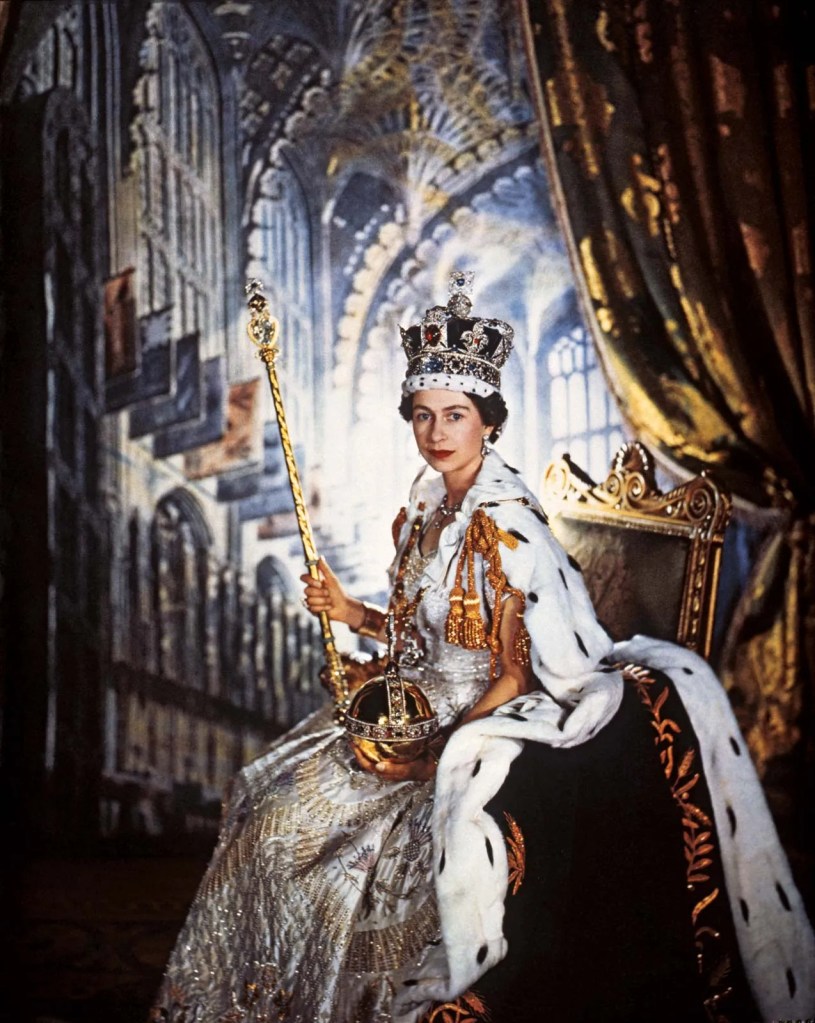
At this time of year my musical thoughts often turn to late Elgar (above), and four works in particular that unwittingly depict the changing of the seasons with a striking clarity. Those four pieces are, in order of publication, the Violin Sonata in E minor Op.82, the String Quartet in E minor Op.83, the Piano Quintet in A minor Op.84 and the Cello Concerto in E minor Op.85.

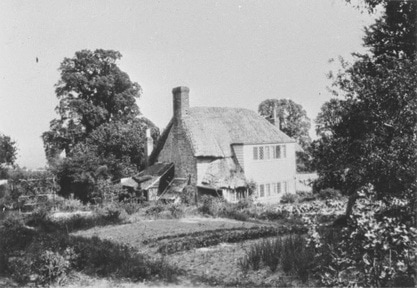
Each piece – in a minor key – was written at Brinkwells (above), a thatched cottage in Sussex where Elgar had spent the previous summer with wife Alice and daughter Carice. The Violin Sonata was completed in summer 1918:

Immediately after the composer began the String Quartet, finished just before Christmas 1918:

Spring 1919 saw the completion of the Piano Quintet…

…before the Cello Concerto, one of his crowning glories, was completed in time for an October 1919 premiere:

They are the last four major compositions completed by Elgar – and you can listen to complete recordings of each one on this Spotify playlist:

In Memoriam Queen Elizabeth II

Listening to Elgar’s Cello Concerto and remembering, in gratitude. RIP Queen Elizabeth II, and thank you for your life of service and example to the people of the United Kingdom.

Playlist – Spring Serenades

To celebrate the month of May, and what should in theory be a passage of warmer weather (!), Arcana is celebrating the art of the Serenade in a playlist.

Serenades have been a form in classical music for a good 250 years now, elevated to a higher form by Mozart but also perfected by 19th century composers such as Tchaikovksy, Dvorak and Brahms.

This playlist chooses selections from some of the best, venturing into the 20th century for examples by Elgar, Britten and Swedish composer Dag Wirén, while drawing on wonderful ‘drawing room’ music from the 18th century by composers including Mozart, Beethoven and Hummel.

Find a quiet hour if you can, and enjoy…

Online concert – English String Orchestra / Kenneth Woods: Elgar Festival Highlights 2 – Elgar’s Strings

elgar-festival-2

Truscott Elegy for Strings (1944)
Tippett Little Music for Strings (1946)
Elgar Serenade in E minor, Op. 20 (1892)
Chambers The Tall-Eared Fox and the Wild-Eyed Man (1994)

English String Orchestra / Kenneth Woods

Live performances at Guildhall, Worcester, Friday 29 October 2021

A further highlight from last year’s Elgar Festival, in the guise of an attractive miscellany that drew on the abundant body of music for strings, and which was persuasively rendered by the English String Orchestra that has been associated with this repertoire across several decades.

Interesting its principal conductor Kenneth Woods should have proposed a moratorium on the ESO’s performances of Elgar’s Serenade, as the three-year break evidently worked in favour of a piece here emerging as fresh and unjaded – whether in the capering motion of the initial Allegro as was ‘pleasurable’ indeed, the soulful intensity of a Larghetto centred on one of its composer’s most affecting melodies, or a final Allegretto which combines thematic elements with the deftest precision. 130 years on and this piece exhibits no signs of losing its appeal.

eso-woods

Sir Michael Tippett’s Little Music for Strings does seem to be gaining performances, which is only to the good of music as characteristic and accessible as this. Woods was rightly intent on imparting unity to the whole – tempering the rhetoric of the Prelude so it segued into the Fugue with its accumulation of textural weight and expressive intensity, before infusing the Air with a plaintiveness to which the vigorous Finale provided a natural foil. ESO performances in the presence of the composer need not detract from the excellence of its present-day incarnation.

The highlight, however, had come at the start with a revival of the Elegy by Harold Truscott. If the 22 piano sonatas are his greatest achievement, this is surely the piece to make his name more widely known – most likely his expression of acute regret over a failed relationship, and music that went unheard and unacknowledged in his lifetime. The ESO projected its questing tonal trajectory (redolent of later Nielsen) and plangent eloquence with unfailing conviction, so reinforcing its evident claim for a place near the heart of the repertoire for string orchestra.

A relative easing of emotional tension across this programme was made manifest by the final piece. Little known this side of the pond, Evan Chambers is widely respected as a composer and teacher – the present piece evincing his enthusiasm for Irish traditional music through its interplay of jigs which duly underpin the heady evocation that is The Tall-Eared Fox and the Wild-Eyed Man. That inspiration came from an encounter on the west coast of Wales serves to point up the playful irony of music such as strings and conductor alike attacked with relish.

An enjoyable piece, then, with which to round off a recital that was engaging and absorbing by turns. The ESO can be heard in further highlights from last year’s Elgar Festival towards the end of May – by which time, the 2022 edition will be only a few days away from starting.

This concert is available to view on the English Symphony Orchestra website from 29 April – 3 May

For further information on the 2022 Elgar Festival click here. For more on composer Harold Truscott click here, and for more on Evan Chambers click here. For more on the English String Orchestra, click here – and their conductor Kenneth Woods, click here