Arcana at the Opera – Balfe: The Rose of Castile @ Wexford Festival Opera

Don Florio / Conor Cooper; Don Sallust / Jonah Halton; Don Pedro / Rory Musgrave; Queen Elvira of Leon / Eleri Gwilym

Only in Wexford could their compact version of Michael William Balfe’s The Rose of Castile (1857), presented as a ‘pocket opera’ in the National Opera House’s smaller Jerome Hynes Stage, carry the faintest air of disloyalty alongside it. Balfe spent part of his childhood in Wexford, before studying in London, Rome, and Paris, and his legacy was tended in Ireland long after his death in 1870: Joyce punned on The Rose of Castile in Ulysses, while ‘I Dreamt I Dwelt in Marble Halls’, the best-known aria from The Bohemian Girl (1843), received the honour of an Enya cover in 1991. Full productions of The Rose of Castile headlined the first Wexford Festival of Music and the Arts in 1951 (excerpts available on YouTube) and the fortieth anniversary of the Festival in 1991; it shows how far Balfe’s star has fallen – or how many other composers  Wexford has rehabilitated – for the seventy-fifth anniversary to demote The Rose of Castile to a seventy-minute reduction.
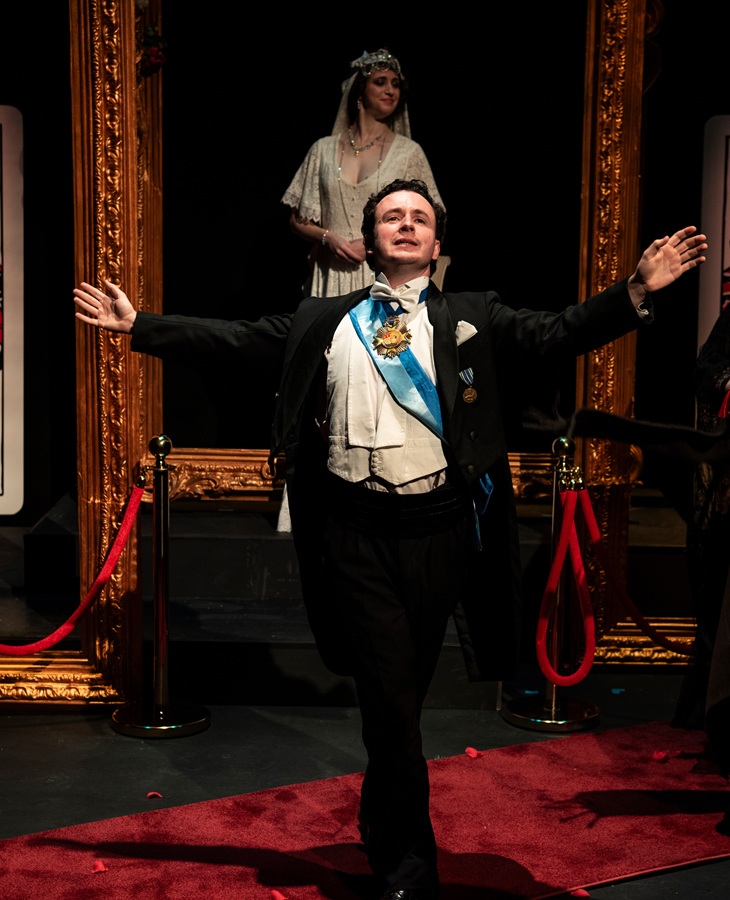
Manuel / Eamonn Walsh; Queen Elvira of Leon / Eleri Gwilym

It was probably the right decision. The Rose of Castile is competent if slightly bloodless late bel canto. At his best, Balfe can produce as gorgeous a lyric line as Bellini, and his coloratura writing is pacy, but his drinking songs and laughing choruses are easier to lose patience with. Music director Rebecca Warren kept a firm hand on the score on the Hynes Stage’s Victorian toned piano.
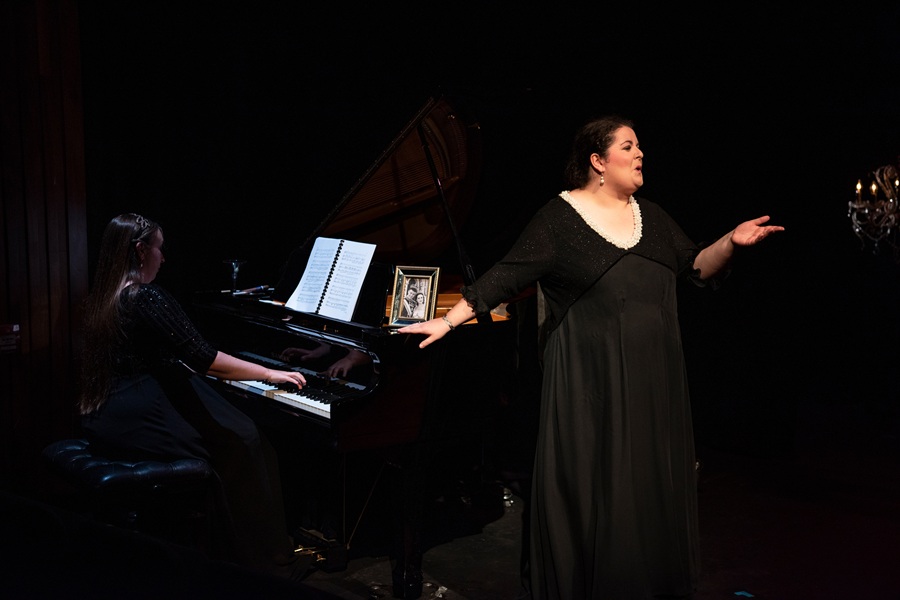
Music Director / Rebecca Warren; Donna Carmen / Erin Fflur

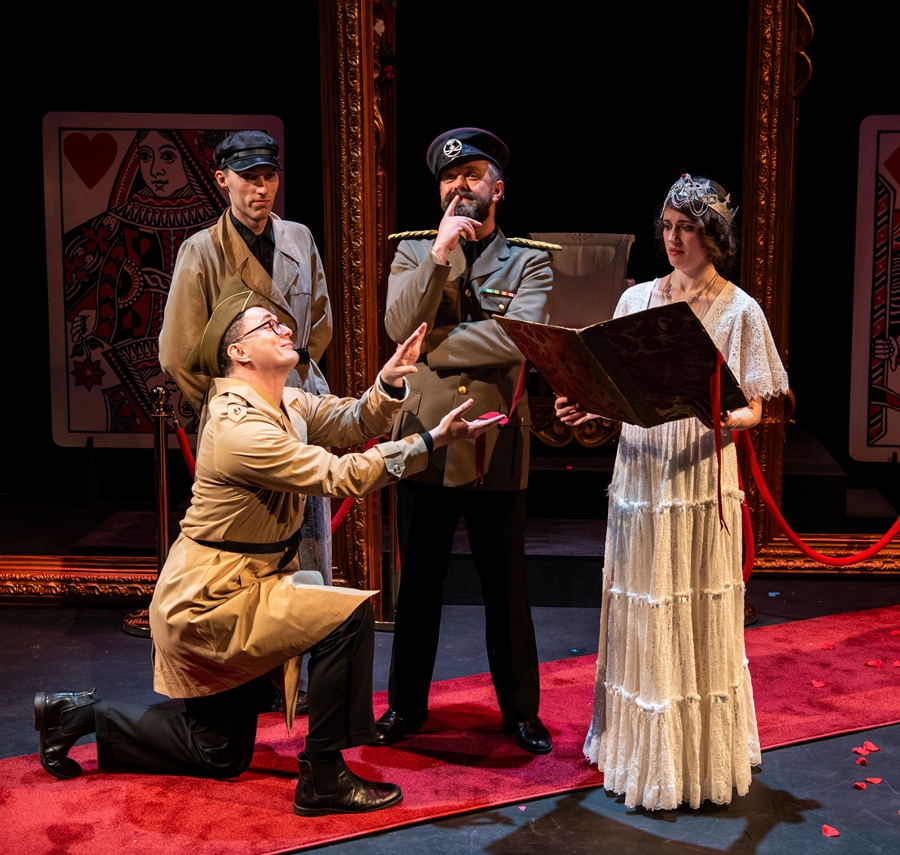
The plot is similarly Victorian: Spanish royals slumming it in disguise, plotting cousins, mistaken identities, and love and virtue triumphant in the end. To make sense of the reduced version, stage director Heather Hadrill introduced a hard-boiled gumshoe narrator (Peter McCamley, with a juicy New York accent) to recap the plot, which was updated from medieval Spain to the 1920s. Besides flapper dresses and Peaky Blinders headgear, designer Lisa Krügel produced a striking set on the small stage where gilded frames and oversized playing cards did duty for a nightclub and the royal palace.
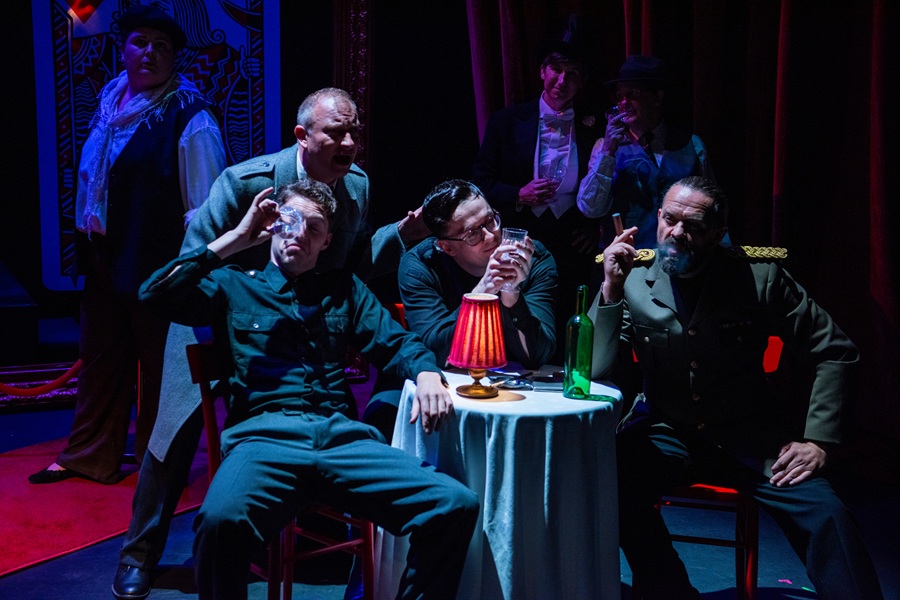
Narrator / Peter Camley; Don Sallust / Jonah Halton; Don Florio / Conor Cooper; Don Pedro / Rory Musgrave

The cast all took their mission seriously. They were knowing rather than tongue-in-cheek, and had uniformly flawless diction. Especial praise for Eleri Gwilym, as Queen Elvira, who has a spectacular bel canto voice and flowing coloratura. Likewise, Irish tenor Eamonn Walsh as Manuel the muleteer (and maybe more) is also a very compelling bel cantist. ‘Twas rank and fame that tempted thee’, an aria that became a popular drawing room ballad (and also made it into Ulysses), stopped precisely short of being over-sentimental. Honourable mentions to Rory Musgrave as scheming Don Pedro, Conor Cooper and Jonah Halton as his accomplices, and Erin Fflur as Donna Carmen, Elvira’s maid of honour. A bright and well drilled ensemble did full justice to a Wexford stalwart.

The Rose of Castile runs as part of Wexford Festival Opera on 16, 20, 22, 24, 26, 29, 31 October 2026

Published post no.3,053 – Tuesday 18 October 2026
Arcana at the Opera – Mascagni: Iris @ Wexford Festival Opera

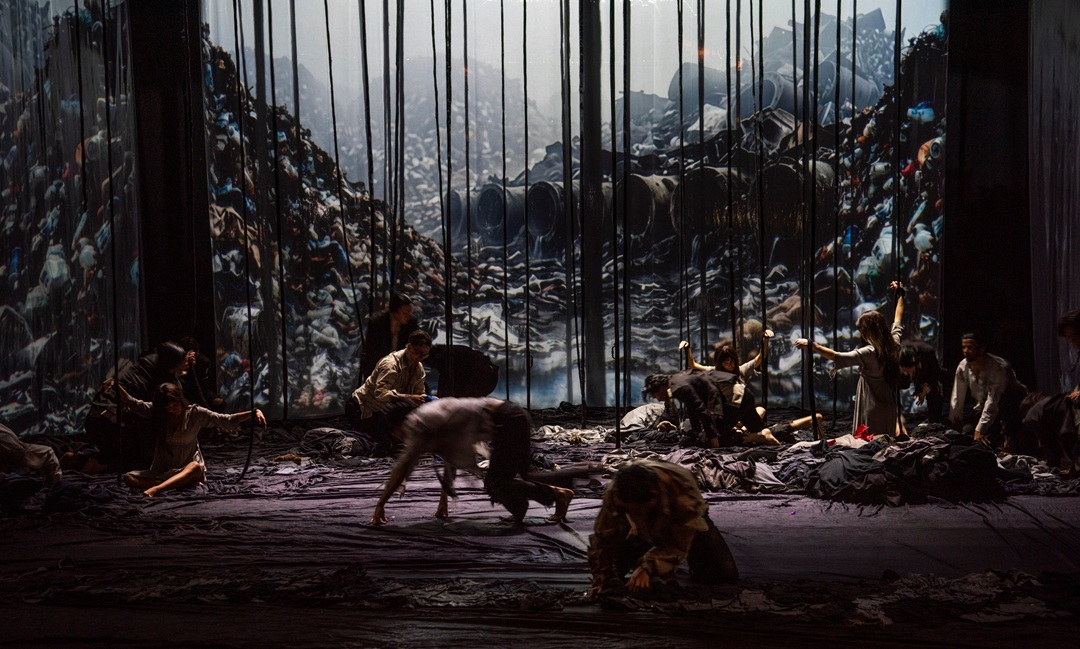
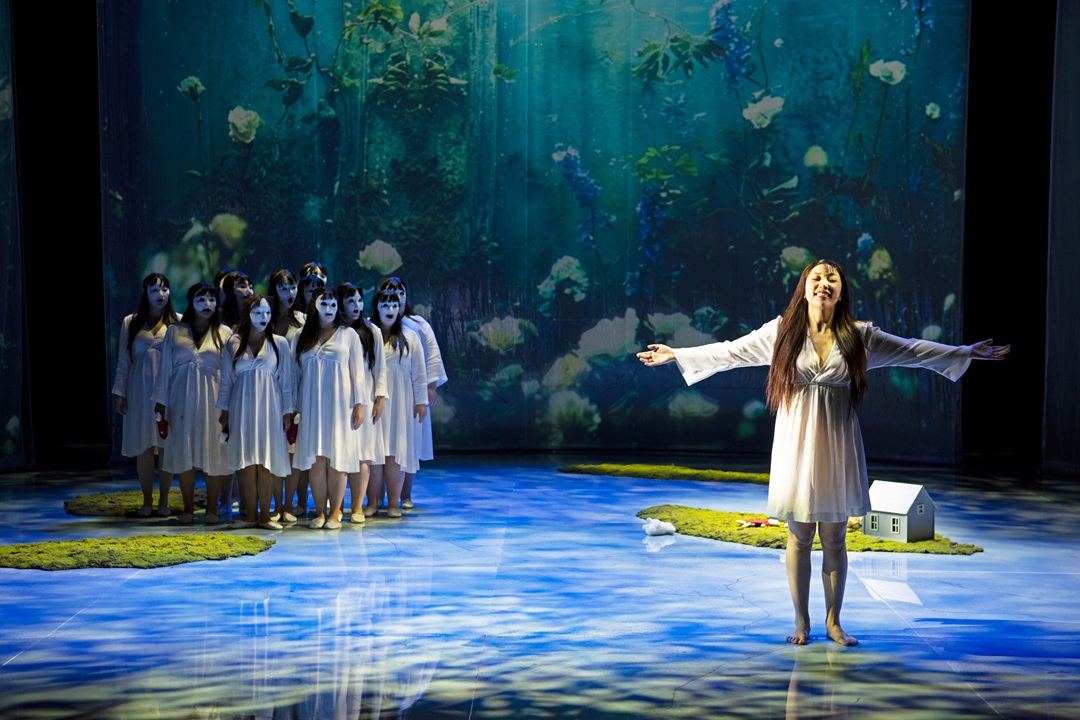
Leyla Gu and members of the chorus in Iris, by Pietro Mascagni, O’Reilly Theatre National Opera House Wexford

Rosetta Cucchi, Francesco Cilluffo, and a well-picked cast make the strongest possible case for an unsettling but still rewarding work.

Reviewed by Tom Hardwick Photos by Padraig Grant

Wexford Opera Festival began their seventy-fifth anniversary season with a convincing production of Pietro Mascagni’s 1898 Iris. Set in Japan, it springs from the same vein of late nineteenth century japonisme that produced both The Mikado and Madama Butterfly (and Luigi Illica wrote both Puccini’s and Mascagni’s libretti), but its plot makes it a much harder pill to swallow. The young Iris’s sunlit, bucolic life playing with her dolls and caring for her blind father is invaded by the rake Osaka and the procurer Kyoto (Illica may never have visited Japan, but he had certainly seen it on the map). Osaka is desperate to possess Iris, so Kyoto distracts her with a puppet show in which Osaka appears as the son of the Sun God and abducts her. They take her to Kyoto’s geisha house where Osaka, no longer divine, fails to seduce her. Iris begs to go home but he discards her. Kyoto puts Iris on show to passers-by in the red-light district: her father, who has traced her there, finds her and curses her. She throws herself into the sewers, where ragpickers strip her dying body. A sea of flowers raises her to the sun, where at last she finds peace.

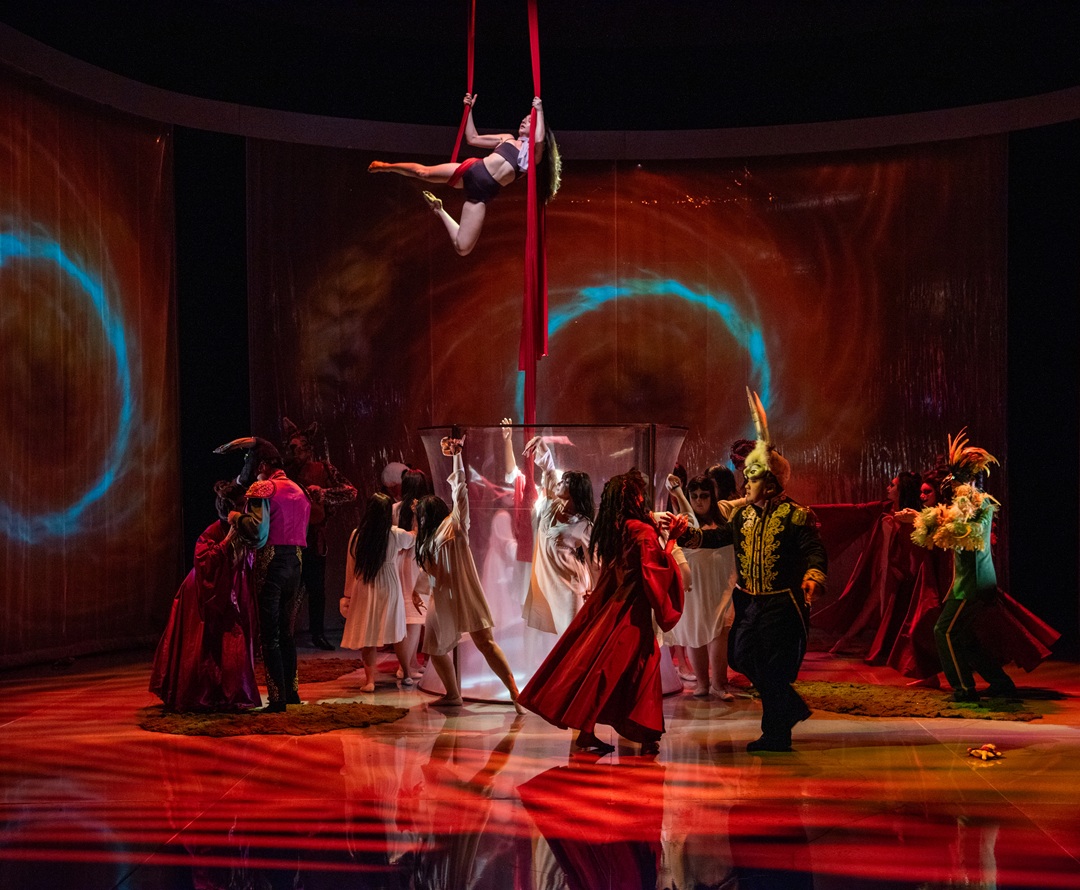
Yu Shao, Meilir Jones, Joshua Baxter, dancers, chorus in Iris, by Pietro Mascagni, O’Reilly Theatre National Opera House Wexford

Iris is an unrelenting, unsparing story of a young woman’s exploitation by men which offers little uplift, and it is not difficult to see why it isn’t frequently performed. Rosetta Cucchi, Wexford’s artistic director, first came to Wexford in 1995 to work on the festival’s first production of Iris, and chose to direct her own version this year. Devoid of Orientalist distraction, the production sees the world through Iris’s eyes, made visible through Thomas Achitz’s striking video projections and Tiziano Santi’s spare but telling sets: kudos to both for creating a last act rubbish heap that managed to be both repellent and elegant.

Jolyon Loy, Yuchen Pan, Hannah Scully, dancers, chorus in Iris, by Pietro Mascagni, O’Reilly Theatre National Opera House Wexford

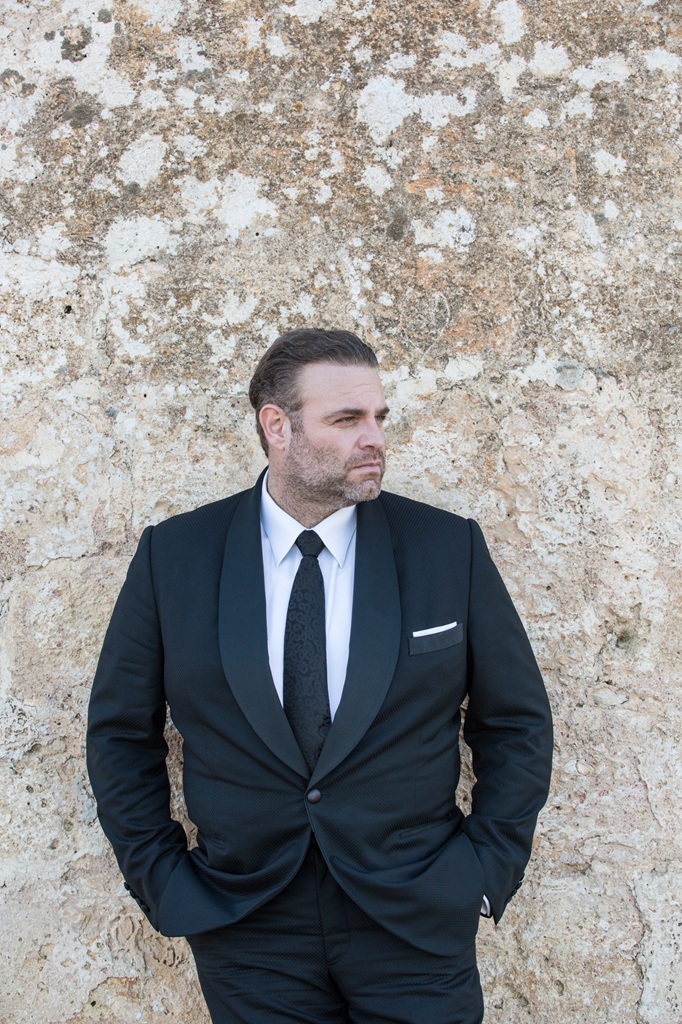
Leyla Gu, as Iris, kept her voice in check as the unspoiled girl of the first act, before unleashing her reserves in the second and third acts. Her second act ‘octopus aria’, describing a temple screen decorated with a scene of a young woman being smothered by an octopus (curious readers search for images of the original at their own risk), grew to an engrossing, queasy climax. Long-standing Wexford collaborator Joseph Calleja sang Osaka with conviction: ‘apri la tua finestra’, an extremely popular stand-alone aria during Mascagni’s lifetime, was almost irresistible. Younger baritone Jolyon Loy was a sinister leather jacketed Kyoto who moved from smooth to snarling. Wexford always takes care with smaller roles, and tenor Yu Shao shone as the beggar and ragpicker.

The opera begins and ends with the powerful, radiant Hymn to the Sun, probably the opera’s best-known piece, where the Wexford Chorus were well drilled by Andrew Synnott and sparely, effectively choreographed. Iris is conductor Francesco Cilluffo’s third Mascagni for Wexford, and he gave a lyrical account of the score. There is hard-won redemption of a sort in Iris’s final transfiguration from the gutter to the sky (taken literally, as Leyla Gu was hoisted up as the curtain fell). It’s a tribute to the director and cast that the journey never felt impossible, nor the destination a let-down.

Iris runs as part of Wexford Festival Opera on 15, 20, 23, 28 and 31 October 2026

Published post no.3,051 – Sunday 18 October 2026

News – Wexford Festival Opera 75th Anniversay Season

From the press release:

Wexford Festival Opera announces that one of the world’s most acclaimed operatic tenors, Joseph Calleja, will return to the Wexford stage for the Festival’s 75th Anniversary season, running from 15 – 31 October 2026. The Maltese tenor first graced the Wexford stage in 1998 at the age of 20, at the start of his illustrious career. Calleja will perform the role of Osaka in Mascagni’s Iris on 15, 23, 28 and 31 October, and will also feature in the Festival’s fundraising gala on 17 October alongside fellow opera superstars Ermonela Jaho, Daniela Barcellona, and Giorgi Manoshvili.

The fundraising gala concert, Cróí na Féile (The Heart of the Festival) – takes place at the National Opera House, Wexford, on Saturday 17 October. In what is expected to be a highlight of the 75th season, Ermonela Jaho, Daniela Barcellona, Joseph Calleja, and Giorgi Manoshvili will join forces with the National Symphony Orchestra Ireland, conducted by Daniele Callegari (who first conducted at Wexford Festival Opera in 1998), to perform music by Puccini, Verdi and more.

In Irish, ‘Croí na Féile’ translates to The Heart of Festival (or The Heart of Generosity). It is a phrase used to describe a place, or a person, with a generous heart and represents the warm and welcoming spirit of Wexford that has always been central to the Festival’s identity. 

Here, Ermonela Jaho shares her Wexford Festival Opera story:

Ermonela Jaho said: “My first time in Wexford was in 1999. Performing at the Festival felt truly significant. It was an extraordinary school for me, not only as an artist but also as a human being. Many great opera singers had taken their first steps there. Becoming part of that artistic family was very meaningful to me.”

In this video, Joseph Calleja shares his Wexford story:

Commenting on his return to Wexford Festival Opera Joseph Calleja said:
“My Wexford story started in 1998 when I was 20 years old and just one year into my professional career. The impact of Wexford Festival Opera on my career has been massive. It is an incredible platform and has been the launchpad for so many great careers. I’m so looking forward to returning this year for the concert, and also to perform on the main stage in Mascagni’s Iris. Come and watch the stars of the next 10, 20, 30 years. See you there.”

Furthermore, we are delighted to announce 14 distinguished Ambassadors who will champion this landmark year. From legendary singers to visionary directors, these artists represent a ‘who’s who’ of the global opera world and share a connection to the Festival. They will champion this milestone year and celebrate the Festival’s unique mission of presenting forgotten or rarely performed works. The Ambassadors are Juan Diego Flórez, Joseph Calleja, Ermonela Jaho, Sinead Campbell Wallace, Claudia Boyle, Mariangela Sicilia, Celine Byrne, Daniela Barcellona, Aigul Akhmetshina, Paula Murrihy, Giorgi Manoshvili, Michele Mariotti, David Pountney, and Damiano Michieletto. Some Ambassadors credit the Festival as being the springboard for their global careers, having first graced our stages before going on to conquer the world’s greatest opera houses. We are honoured to have their support as they share why this milestone year is simply unmissable.

The 75th Wexford Festival Opera will run from 15 – 31 October 2026. Priority booking opens for Friends of the Festival on 22 April with general booking opening on 6 May. Full programme will be available on wexfordopera.com from 26 March.

Wexford Festival Opera would like to acknowledge and thank The Arts Council, Wexford County Council, Fáilte Ireland/Ireland’s Ancient East and the Festival’s Friends, Sponsors, and Donors for their invaluable and continued support.

Published post no.2,834 – Sunday 22 March 2026

Arcana at the Opera – Verdi: Le Touvère @ Wexford Festival Opera


Reviewed by Tom Hardwick


If the Wexford Festival is known and acclaimed for its commitment to reviving obscurer corners of the operatic repertoire, how could it also manage to open its 2025 season with one of Giuseppe Verdi’s best-known works? The instant success of Il Trovatore after its première in Rome in 1853 encouraged the financially astute composer to revise it for the lucrative Paris market, which preferred operas in French, before pirate versions of the score could deprive him of rights and royalties.

Verdi transformed Il Trovatore into Le Trouvère, revising the score to take account of the French text, adding a ballet to conform to the format of the Paris Opera (and justify his fee), tweaking the final scene, and overseeing the first performance in February 1857. Le Trouvère enjoyed a long reign in France and its colonies, before falling from favour by the 1930s. Musicological research led by David Lawton has encouraged revivals and the production of a critical edition of Le Trouvère. If Wexford could have its cake and eat it with this very familiar rarity, there’s an eeriness in hearing unanticipated words to very familiar melodies – who would have guessed “di quella pira” rendered down to “bûcher infame” – which remains slightly disconcerting.


Director Ben Barnes brought forward Verdi’s plot, originally set in medieval Spain and encompassing love triangles, civil war, burnings at the stake, and a gipsy’s curse, to the Spanish Civil War. The rebellious troubadour Manrique is now a dashing bicycle-mounted leader of an Anarcho-Syndicalist detachment; the Comte de Luna, his rival for Leonore, is a smartly uniformed Nationalist, albeit one who seems very happy to break into convents (shouldn’t it have been the other way round?). Liam Doona’s single set, with lofty shuttered openings upstage, flexibly suggested bivouacs, cafes and prison cells, as well as the bedroom where Leonore and Manrique finally manage to spend some time before fate and duty tear them apart.

The major difference between Il Trovatore and Le Trouvère is the ballet sequence at the start of Act III. Although rarely performed, the music showcases Verdi’s talent for orchestral writing, and the Wexford Festival Opera Orchestra sparkled under conductor Marcus Bosch. In 1857 the ballet illustrated the colourful life of a gypsy encampment, but it presents a problem for contemporary directors lacking the huge corps de ballet and budget of the Paris Opera. Ben Barnes used newsreel footage of the Spanish Civil War, and three rifle-toting dancers, to turn the ballet into the Comte de Luna’s uneasy dreams, but it remained one of the slacker parts of a production that usually kept the action belting along; in the last act the imprisoned Manrique and the gypsy Azucena (his mother – or is she?) even rose rather squeakily through the floor to avoid a scene change and keep the melodies unfurling.

The Wexford Festival Opera Chorus convinced as revolutionaries, soldiers, monks, and (especially) nuns, but the grand scenes only serve to outline the relationships between the four leads. Kseniia Nikolaieva sang Azucena powerfully but with few consonants, while Giorgi Lomiselli grew into the Comte de Luna and put some depth into one of Verdi’s less engaging baddies. Lydia Grindatto as Leonore showed no signs of the illness that was announced at curtain up, and Eduardo Niave, whose French accent was the best in the cast, was a young and charismatic Manrique. A solid – and sold out – start to the 2025 Festival.

You can watch this production of Le Trouvère below:

Arcana at the Opera – Wexford Festival Opera present Verdi’s Le Trouvère

Stand by for a review of this production, due tomorrow on Arcana (internet permitting, as I’ve just moved house!) – but thanks to Wexford / RTÉ you can enjoy the production online: