
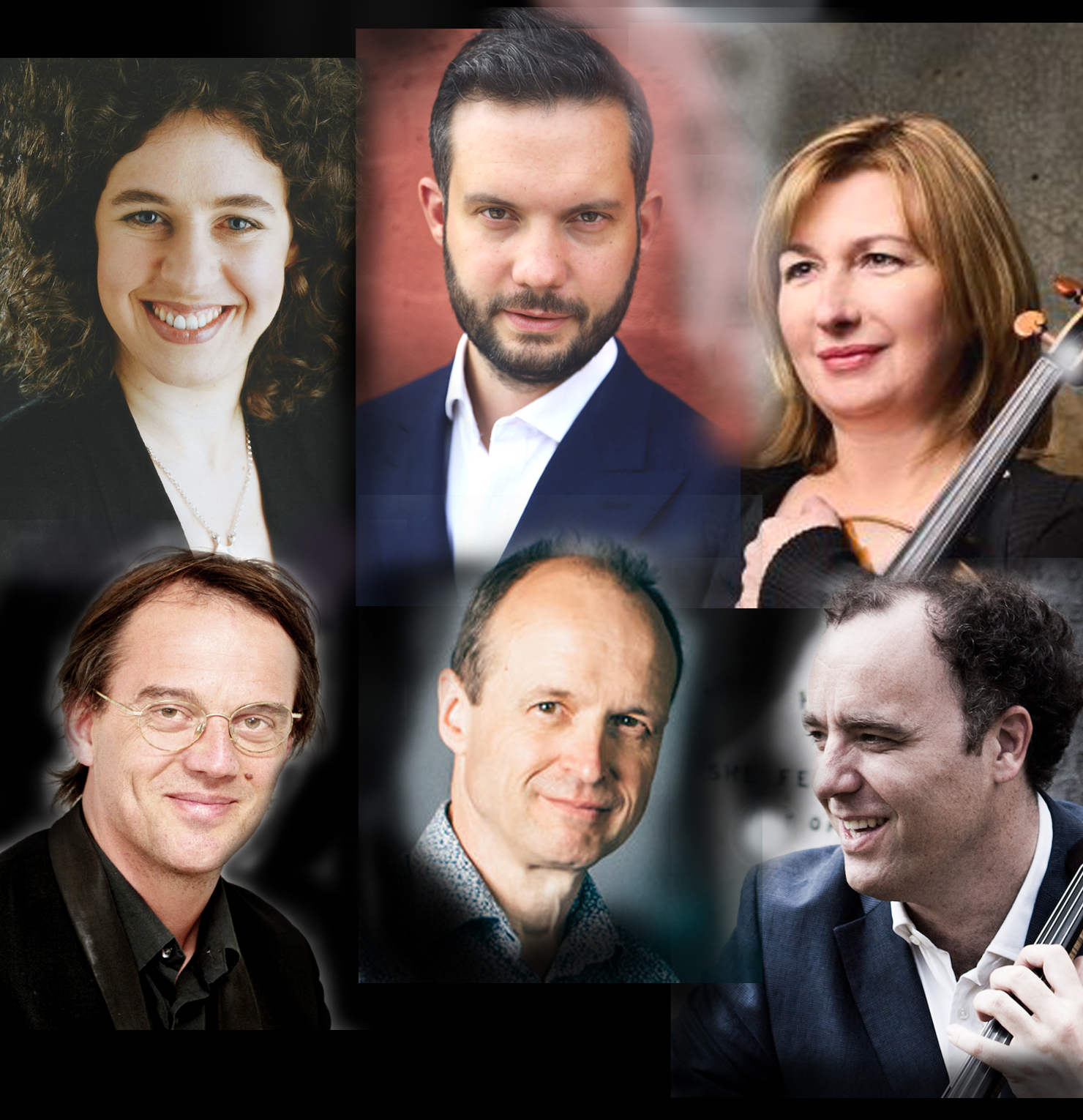
In concert – Nash Ensemble @ Wigmore Hall: Side by Side & Nash Inventions

Side by Side

Royal Academy of Music Students [Christopher Vettraino (oboe), Silvia Bettoli, Johan Stone (horns), Magdalena Riedl (violin), Gordon Cervoni (viola)], Members of the Nash Ensemble – Adrian Brendel (cello), Alasdair Beatson (piano)

Colin Matthews Time Stands Still (2004)
Balency-Bearn Entre-Deux (2022)
Alberga No-Man’s-Land Lullaby (1996)
Keting before we were ocean (2021)
Colin Matthews Dual (2021)
Abrahamsen Congratulations Greeting (2022)

Nash Inventions

Claire Booth (soprano), Mark Padmore (tenor), Nash Ensemble [(Philippa Davies (flute), Gareth Hulse (oboe), Richard Hosford, Marie Lloyd (clarinets), Richard Watkins (horn), Sally Pryce (harp), Benjamin Nabarro, Michael Gurevich (violins), Lars Anders Tomter, Jennifer Stumm (violas), Adrian Brendel (cello), Graham Mitchell (double bass), Alasdair Beatson (piano)] / Martyn Brabbins

Casken Misted Land (2017)
Colin Matthews Seascapes (2021)
Anderson Van Gough Blue (2015); Three Songs (2018-22) [World Premiere of THUS]
Benjamin Viola, Viola (1997)
Turnage A Constant Obsession (2007)

Wigmore Hall, London
Tuesday 28 March 2023 (5pm and 7.30pm)

Reviewed by Richard Whitehouse

It has become such a fixture on the London calendar that Nash Inventions, given annually by the Nash Ensemble at Wigmore Hall, could easily be taken for granted. As tonight’s concert proved, however, the range and quality of those works performed is anything but predictable.

His long-time drawing inspiration from the landscape of the North-East might suggest Misted Land as a ready-made title for John Casken. Yet this quintet for clarinet and strings focusses on emotion as much, if not more than evocation by unfolding from the intangible impressions of its initial movement, via impulsive contrasts of its intermezzo, to a finale whose visceral progress is curtailed by a timely return to the initial equivocation. Richard Hosford made the most of his alternately insinuating and forceful writing in a piece that well deserved revival.
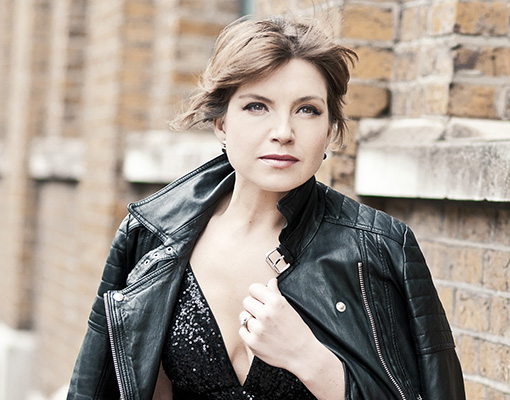
Although settings by Michael Tippett early on confirmed the musicality of his verse, Sidney Keyes (1922-43) has been relatively little set – making this selection by Colin Matthews in Seascapes the more welcome. From the unforced rhetoric of The Island City, it takes in the fleeting sensations of From : North Sea and the tense rumination of Night Estuary; a brief Interlude leading to the heartfelt expression of Seascape – one of Keyes’s greatest poems, in which Claire Booth’s commanding eloquence (above) more than vindicated the cycle as a whole.

Last in an informal trilogy centred on the colour, Van Gough Blue sees Julian Anderson pay tribute to this artist in a sequence traversing dawn to night. A speculative emergence of sound and texture in l’Aube, soleil naissant precedes the heady rhythmic and melodic interplay of Les Vignobles then mounting animation of Les Alpilles. Nothing, though, prepares for the inward rapture of Eygalières or the dance toward destruction of la nuit, peindre les étoiles: pieces wholly characteristic of this composer and as finely realized as anything he has written.

Further music by Anderson followed the interval – three in an ongoing series for soprano and ensemble identical to, but very different in usage from, that of Schoenberg’s Pierrot Lunaire. The viscerally sensual overload of Mallarmé’s Le Tombeau d’Edgar Poe (here made a tribute to Debussy in the centenary of his death) contrasted with the disarming sincerity of le 3 Mai – an email by composer Ahmed Essyad written during the pandemic, then lines by Longfellow in THUS – Claire Booth here enacting what is less a setting than a musical riposte to its text.

Writing what had become a tribute to Takemitsu 18 months after his death, George Benjamin turned what might have reflected the viola’s innate introspection into an intensive exploration by two of these instruments of how they might discover rhythmic then melodic and harmonic accord. Music diverse in content and logical in its unfolding, its technical challenges remain considerable – making this performance by Jennifer Stumm (having replaced Timothy Ridout at short notice) and Lars Anders Tomter the more engaging through its audible conviction.
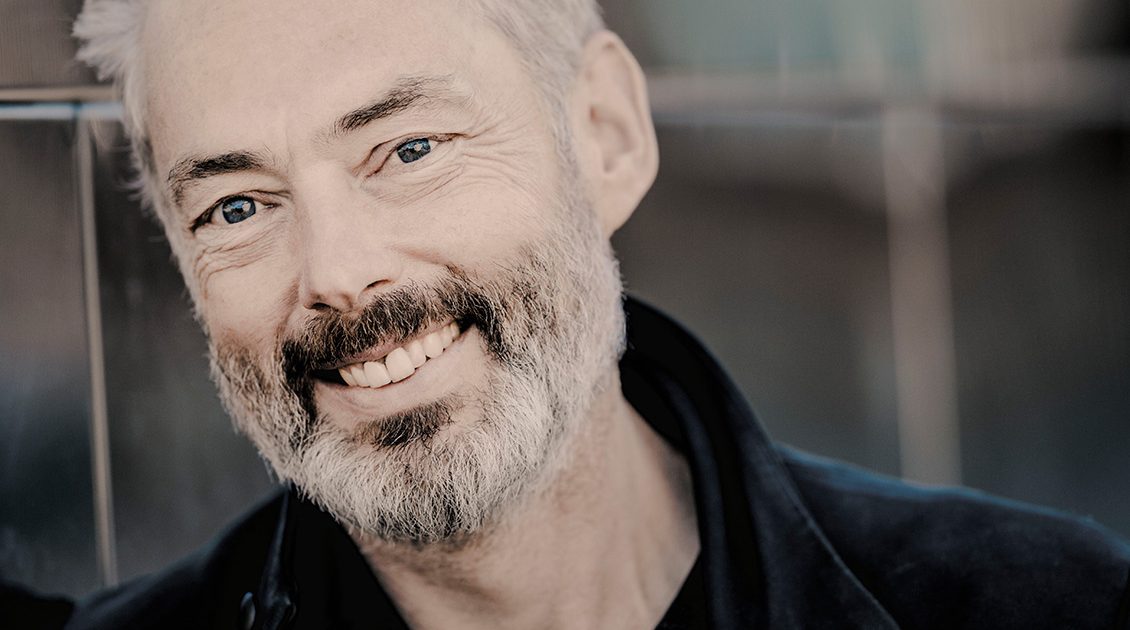
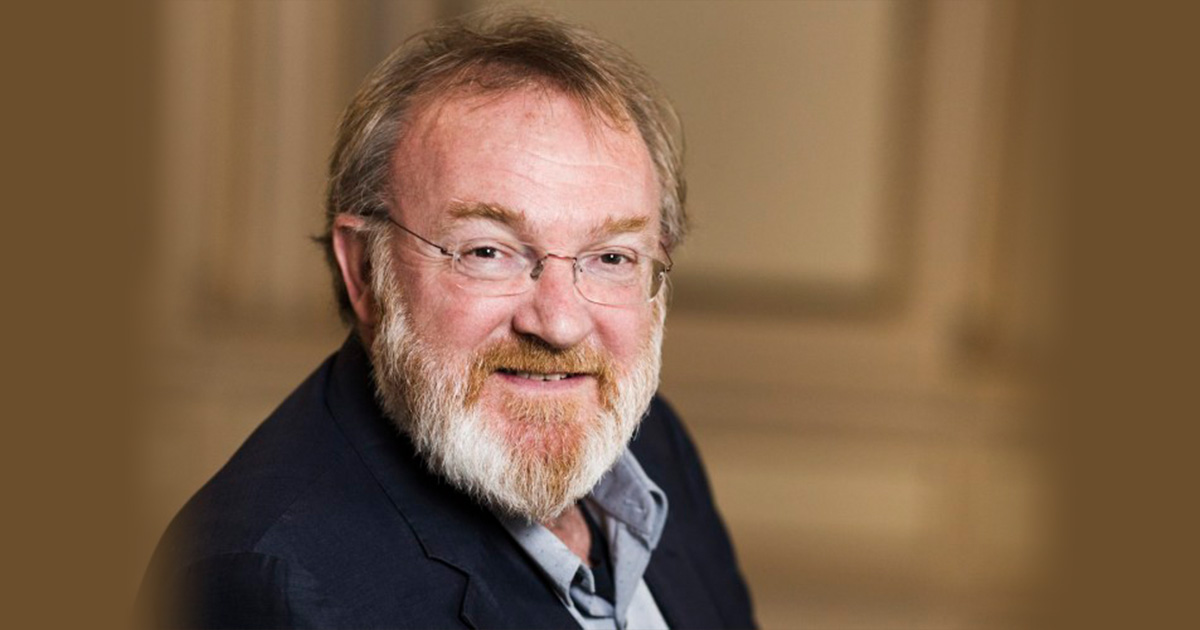
It might come a fair way back in his sizable output, but the song-cycle A Constant Obsession remains among Mark-Anthony Turnage’s finest vocal works. This reflection on ‘love’ – what it might be, what it becomes and what it could have been – is articulated across five settings of Keats, Hardy, Edward Thomas, Graves and Tennyson; its course predicted in a ‘Prologue’ and encapsulated in the bleakly humorous final poem. Mark Padmore (above) conveyed its measure now as 14 years before, as did Martyn Brabbins (below) with his attentive and unobtrusive direction.
The early evening slot brought together players from the Nash and Royal Academy of Music. Entre-Deux saw Andrea Balency-Béarn opening out the timbral and harmonic space between pitches with discreet elegance, and No-Man’s-Land Lullaby found Eleanor Alberga working toward a totemic melody with combative fervency. Sun Keting contributed music laced with nostalgia but also indignation in before we were ocean while, in Congratulations Greeting, Hans Abrahamsen commemorated the RAM’s bicentenary in lively and resourceful terms.

Colin Matthews provided a more quixotic take on that event in the subtle contrasted sections of Dual, with his music also opening and concluding this selection. Time Stands Still marked Simon Rattle’s 50th birthday in (surprisingly?) inward and even inscrutable terms, while 23 Frames marked the 30th anniversary of the Nash through that number of miniatures whose character felt as distinctive as their order was random. The outcome found this composer as his most entertaining, with no complaints if several ‘frames’ exceeded their 30-second remit.

A lengthy evening, then, and an impressive showcase for the Nash in term of marking those achievements past or present. Now is hardly the time for any complacency regarding events such as this, which remains a template for what is possible in matters of artistic excellence.

Click here for the Nash Ensemble website, and here for the Royal Academy of Music
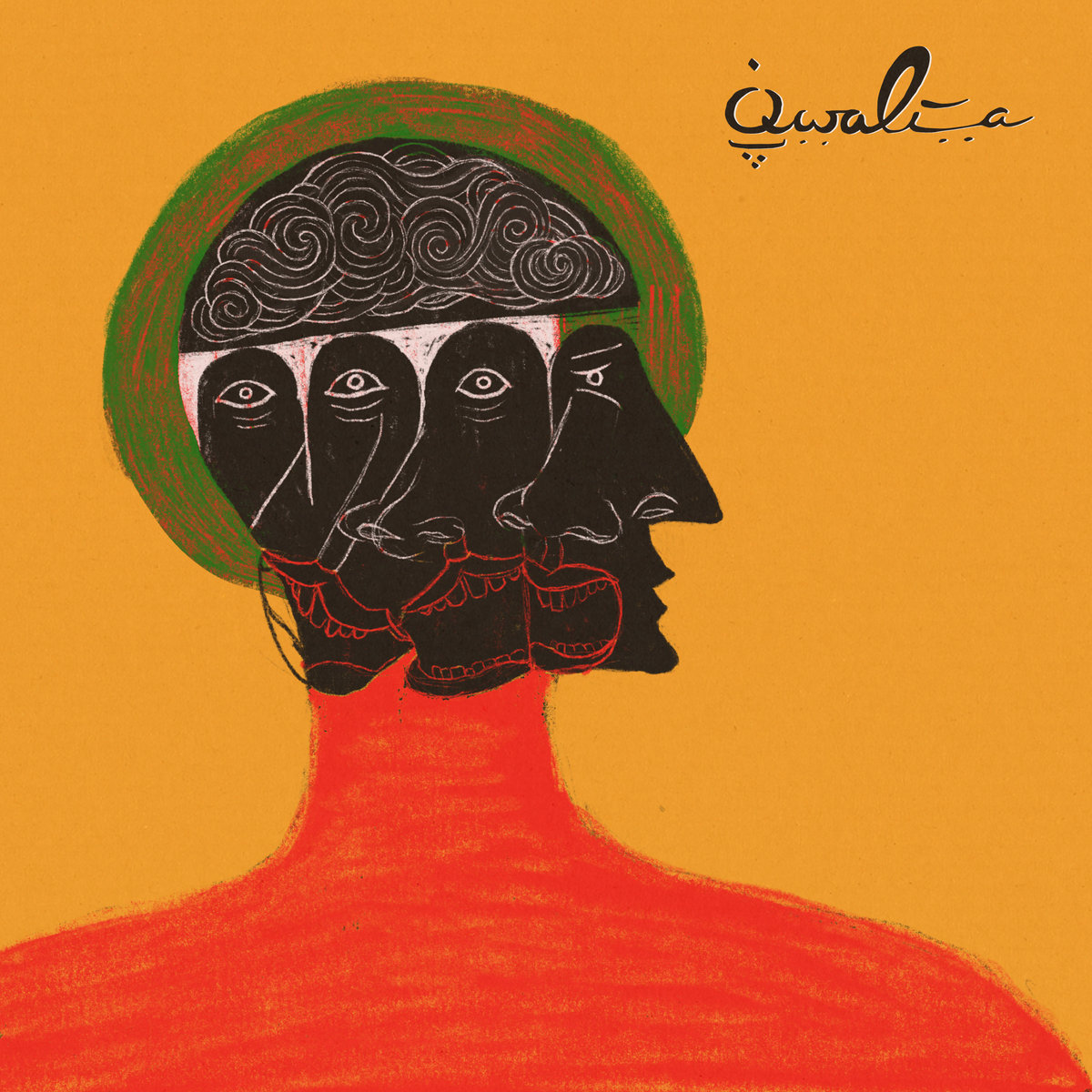
Switched On – Qwalia: Sound & Reason (Alberts Favourites)

by Ben Hogwood

What’s the story?

Qwalia are a quartet making music in the most instinctive way possible. The four musicians have illustrious connections – headed by drummer Yusuf Ahmed, they also include Tal Janes (guitar and vocals), Ben Reed (bass) and Joseph Costi (keyboard), All have plenty of experience with ‘featured’ artists such as Frank Ocean, Jordan Rakei, Orlando Weeks and Hayden Thorpe – but this project represents a healthy artistic freedom dating back to the pandemic.

Setting up in a studio for two days in April 2021, they made recordings of pure improvisation, since distilled into an album of seven tracks.

What’s the music like?

The drum tracks do dictate the outcome on this album, but in a wholly musical way. Listen to The Trip, a fine opener whose percussion track is complemented by plush synth line – or the title track, which has an easy, low slung groove and good vocals. Meanwhile Electric Highway has a slightly staggered gait, whereas Haven’t You Heard is spacious, syncopated and with a chance for the keyboards to wig out. The initially woozy Waghera actually has animated vocals, while In Your Own Words becomes a thoughtful piano contemplation over thoughtful drums.

Fool Me Once is one of the best moments, a first track that has a catchy line but opens out nicely, with spacey keyboards

Does it all work?

Yes – the instinctive approach reaps dividends, and the music bursts with ideas. The drum lead from Ahmed is very strong, too.

Is it recommended?

Yes. Jazz and funk bases are safely covered, with a healthy amount of experimentation too.

Listen

Buy

Switched On – John Atkinson: Energy Fields (AKP Recordings)

by Ben Hogwood

What’s the story?

Energy Fields is the response of composer John Atkinson to climate change. Over four tracks it presents field recordings from September 2019 at the Ucross Foundation in Wyoming.

Atkinson’s Bandcamp page describes ‘the largest coal-producing state in America, as well as a burgeoning hub for renewables and carbon capture. These sounds of electrical hums, shuddering coal mines, roaring refineries, and gently clanking wind turbines, along with groaning bison, chattering cranes, and other wildlife, are reshaped into four tracks of heavy drone that veer from anxiety to awe, and from anthropocentric to transcendent.’

What’s the music like?

At times, a riot of colour and activity – at other times reaching a zen level of calm. Spiritual Electricity switches on for a particularly bright opening, with sustained pitches and drones. It conjures up visions of dragonflies as the current passes through, before giving the impression of a radio drifting in and out of focus. Black Thunder has a darker, fragmented outlook, the same electronic fuzz now sounding sinister as it lurks in wait to quash any melodic cells.

By contrast Casper brings a lovely purity to its bright treble pitches, while World Wind is more obviously industrial in its outlook, but the workings are strangely comforting over a held drone and with hints of birdsong in the background. As a consonant harmony makes itself ever clearer, Atkinson’s music takes on a refreshing purity – and we are left with the chatter of the birds.

Does it all work?

Yes – in a very unhurried way, creating some vivid portraits of the Wyoming location. For immersive listening it is hard to rival.

Is it recommended?

It is. Escapism is an all-too common requirement in the music we consume these days, but John Atkinson ensures the trip is a deep and meaningful one.

Listen

Buy

Switched On – Neil Cowley: Battery Life (Mote)

by Ben Hogwood

What’s the story?

Battery Life is a wholly appropriate title for Neil Cowley’s second solo album. It reflects his experience of bittersweet memories – ‘like a battery, they come with a positive and a negative’, he says. Cowley will reveal all in a forthcoming interview with Arcana, but here he plays out the memories through his piano. He uses a slightly modified instrument, with dampeners often applied for more sensitive volume control, while the main melodic material is dressed with complementary electronics and percussion. These materials draw from ambient and semi-classical sources, though Cowley retains an approach that allows for free improvisation.

What’s the music like?

Intimate and often moving. Cowley avoids by some distance the trappings of arpeggiated piano music, staying well away from the café or the hotel bar and drawing the listener in to the front room or the studio.

In fact the feeling grows that as listeners we are sat right next to Cowley at the piano and able to read his thoughts as he plays. Often he will begin with musical fragments that then blossom into meaningful phrases or riffs on which other thoughts can build, often with percussion and ambient brush strokes for company.

Automata is a good example of Cowley’s careful production of the piano sound itself, employing dampeners and giving effective electronic displacements to the sound. Breaka combines short motifs and windswept atmospherics with a slow but solid rhythm, while more detached figures probe and build up momentum on Ticker Tape.

While a good deal of the tone is serious that does not stop more capricious thoughts, such as those on Scarab Beetle, where little hooks blossom into full blown flights of fancy. The closing Cord brings emotions to a height, still restrained yet deeply meaningful.

Does it all work?

It does. The thoughtful approach is an ideal base from which to work, but through the different tracks Cowley is able to apply instinct, humour and the bittersweet nostalgia that comes with memory recall. The use of perspective through the electronics and ambient effects is subtly applied but gives the music extra layers too.

Is it recommended?

Very much so – a fine and lasting sequel to Hall Of Mirrors, and an album that shows Neil Cowley to be an emotive artist whose fingers have plenty to say.

Listen

Buy

Online Concert: Steven Isserlis and friends @ Wigmore Hall – Boccherini

Steven Isserlis (cello), Jonian Ilias Kadesha (violin), Irène Duval (violin), Eivind Ringstad (viola), Tim Posner (cello), Lucy Shaw (double bass), Maggie Cole (harpsichord)

Boccherini
String Quintet in D minor Op.13/4 (1772)
Cello Sonata no.2 in C minor (pub. 1772)
Cello Concerto no.7 in G major (pub. 1770)

Wigmore Hall, Monday 20 March 1pm

by Ben Hogwood

Steven Isserlis has been a passionate advocate of the music of Luigi Boccherini for a number of years. One of his very first recordings, made for Virgin Classics, brought together a selection of the prolific composer’s works for cello, two of which were heard in this Wigmore Hall lunchtime concert.

Boccherini was born in Italy in 1743, but made his name and much of his living in Spain, where he lived from 1768 until his death. A prodigious cellist, he joined the string quartet in the court of Don Luis in Madrid and wrote himself into the musical equation, making an unusually weighted quintet with two cellos, a combination that became his calling card with over 100 works. While Mozart would go on to write for a string quintet with two violas in the late 1780s, Boccherini achieved a very different balance. His works may be functional in origin but they show fresh invention, distinctive colours and generous melodic appeal. Unfortunately that appeal has not regularly transferred to the concert hall, at least not in the UK – but on this evidence, where Boccherini’s music brightened a spring lunchtime, they should be available on the NHS!

We heard the String Quintet in D minor Op.13/4 from 1772, from early in the Madrid vocation – but clearly Boccherini was already at home in the two-cello idiom. A rich D minor setting found Tim Posner’s cello initially leading with a sonorous tune, before a genial second section in F major assigned plenty of melodic interest to each of the five players. With a relatively congested texture there was nonetheless a beautiful combination of melodies, though the development clouded over in outlook a little.

The second movement Andante gave first violinist Jonian Ilias Kadesha greater prominence, the other four instruments accompanying at walking pace. Soon the texture thinned to three for an extended cello solo, Isserlis’ wonderful tone rising to a high trill with graceful elegance. Boccherini didn’t leave his second cellist out, either, with Posner also enjoying a rich solo rising to the heights. The finale was a quickly executed fugue, with plenty of counterpoint to enjoy and a distinctive sighing chromatic motif passed between the instruments.

Boccherini wrote frequently and fluently for his principal instrument, including many sonatas with harpsichord. Isserlis and Maggie Cole gave a stylish performance of the Sonata in C minor, a work they have enjoyed since recording it in 1988. The assertive beginning established the home key with a strong theme, leading to more lyrical and ornamented melodic content. Isserlis proved very secure in the upper register, especially with a rising motif towards the end of the first movement. A soulful Largo followed, increasing florid and with a lovely resolution at the end. The economical piece soon cut to a triple time third movement, mixing chirpy motifs with longer, flowing passages with chords from the cello.

It is thought Boccherini wrote 12 concertos, of which the Cello Concerto no.7 in G major is one of the most popular. For this performance the group took an authentic figuration, all seven players on stage with Isserlis in the centre, flanked by first violin (Irène Duval) and viola (Eivind Ringstad). They were his foils in the solo passages, Isserlis revelling in the cello’s free spirit while they enjoyed busy counterpoint of their own. The bright figurations had a spring in their step, like a march Isserlis showing impeccable high register intonation. A grand cadenza sealed the deal in the first movement, while the perky finale had violins bright as a button and both cellos in their high reaches. In between was a radiant Adagio, set in B flat major and featuring some particularly beautiful and longer-phrased, ornamented melodies. This was one of those pieces where music making was a pleasure, pure and simple, with music suited to the rustic outdoors.

Perhaps inevitably – as Isserlis joked to the audience – there was an encore in the form of a popular snippet. Boccherini’s Minuet, itself from a string quintet, is his best-known movement and is often played separately on the radio. This concert proved there is a whole lot more where that came from.

You can listen to recordings of the works in this program on the Spotify playlist below, including Isserlis’ own versions of the sonata and concerto:

For more livestreamed concerts from the Wigmore Hall, click here