From the press release:
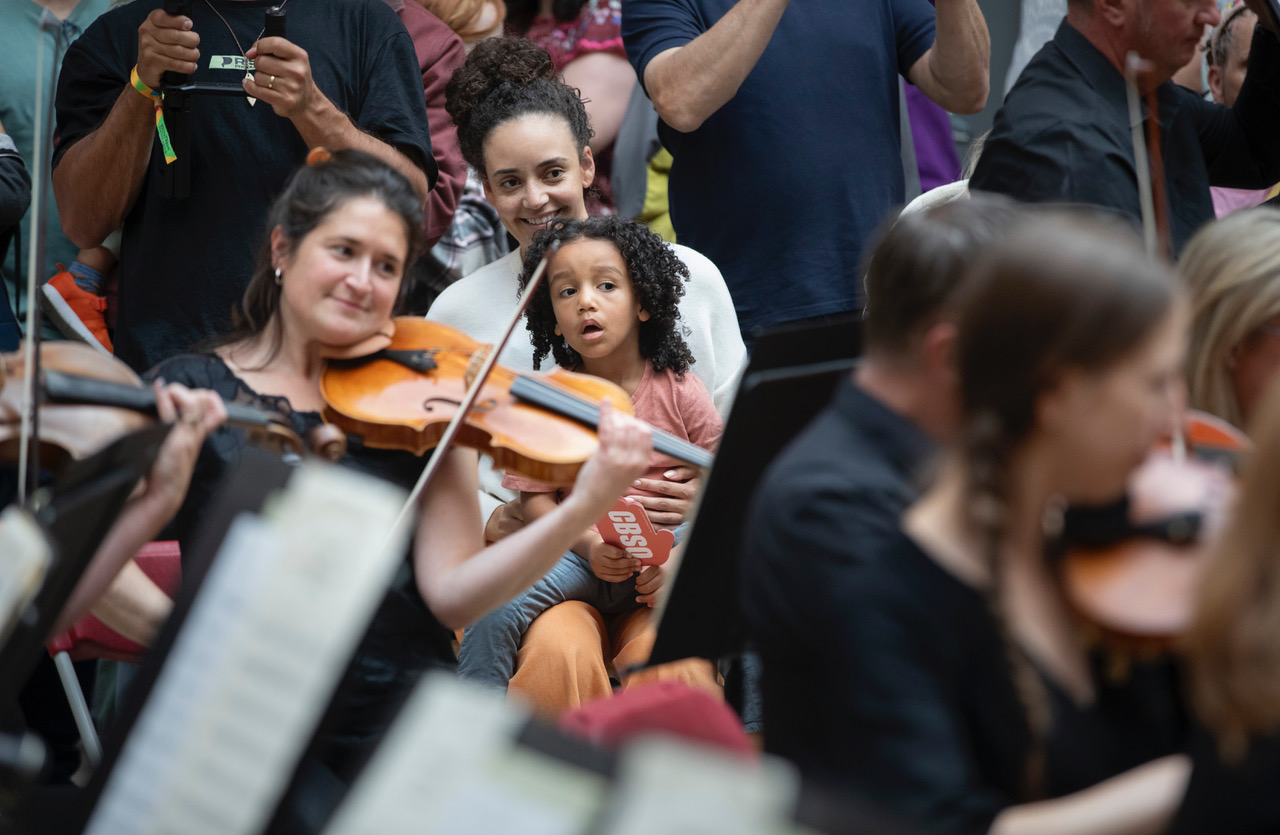
The City of Birmingham Symphony Orchestra (CBSO) returns this summer with its acclaimed week-long musical takeover, CBSO in the City. Running from Wednesday 23 to Monday 28 July 2025, this much-anticipated second edition reaffirms the CBSO’s commitment to reach new audiences across the West Midlands and develop deeper connections with the city it calls home.
Building on the success of 2024’s inaugural CBSO in the City, which saw over 25 free performances in iconic and everyday locations across Birmingham, the 2025 programme blends rich musical experiences with moments of joyful spontaneity – taking the orchestra out of the concert hall and into the heart of the community.
This year’s festival offers an exciting series of free, un-ticketed performances right across the city, bringing CBSO musicians to some of Birmingham’s most recognisable venues. Highlights include:
New Street Station: pop-up performances for commuters
Library of Birmingham: including a space-themed family concert & string quintet with sitar in their wellbeing space
Ikon Gallery and RBSA Gallery: showcasing chamber groups in gallery settings
Birmingham Museum & Art Gallery: featuring flute and harp duets
Birmingham Botanical Gardens: string quartets & wind quintets in serene garden surroundings
Black Country Living Museum: brass quintets adding musical flair to the historic setting
West Midlands Metro: a clarinet trio bringing music on the move
Each performance is designed to meet audiences where they are – whether in transit, at leisure, or exploring with family – while showcasing the full diversity of the orchestra. From Star Wars and Brahms in New Street Station, to strings & winds among the blooms at Birmingham’s Botanical Gardens, a string quartet at the Ikon Gallery, and even a clarinet trio riding the West Midlands Metro.
As part of the celebrations, the orchestra is calling on Birmingham residents to nominate their street for the chance to host an unforgettable pop-up performance later this year.
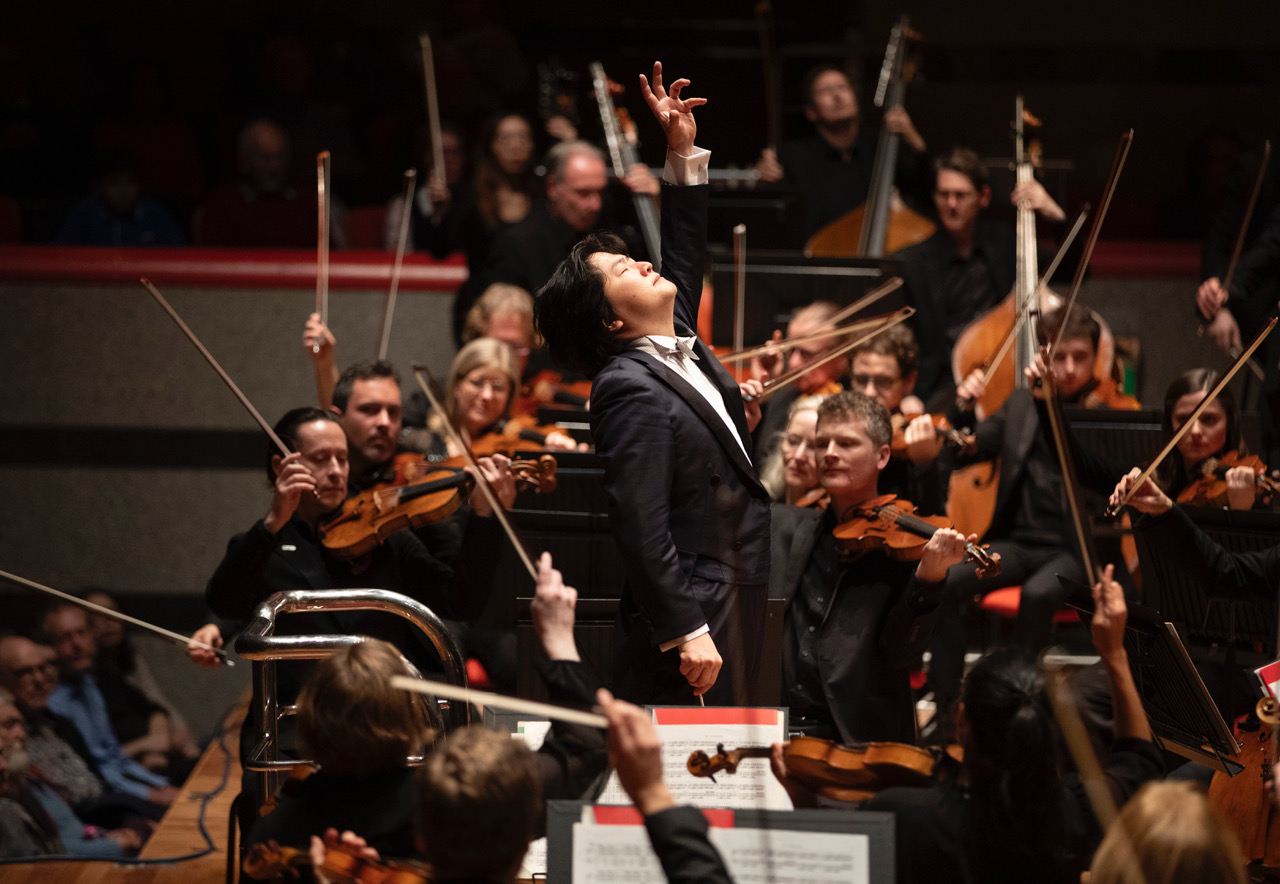
CBSO Music Director Kazuki Yamada (above) leads the spirit of this initiative. He says: “For me, music is about connection. Taking the orchestra outside the concert hall helps us meet people where they are – and share something powerful, beautiful and unexpected.”
CBSO Chief Executive Emma Stenning adds: “CBSO in the City promises to once again fill Birmingham with incredible music, reimagining the city’s spaces as stages for celebration and musical discovery. From familiar faces to new friends, we’re excited to delight audiences, share special moments, and celebrate the vibrant spirit of our city. We believe music is for everyone – and this is one of the most joyful ways we bring it to life.”
CBSO in the City is generously supported by John Osborn CBE and NBB Law.
While all events are free and unticketed, standard admission applies at the Birmingham Botanical Gardens, RBSA Gallery, and Black Country Living Museum.
Full event listings and times can be found at the CBSO website
Published post no.2,591 – Thursday 10 July 2025