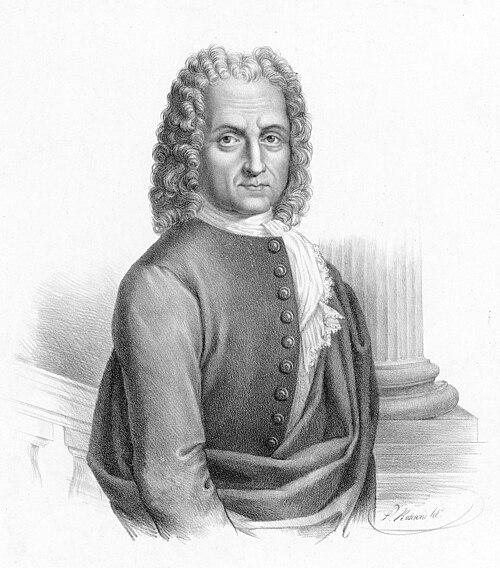
The second instalment of Bach at Easter is dedicated to one of the great master’s finest sacred pieces, the St. John Passion – telling the story in dramatic tones, as recorded by the Bach Collegium Japan when lockdown was imminent in 2020. You can listen below:
Over this long Easter weekend, and with it recently being the anniversary of Johann Sebastian Bach‘s birthday, it feels appropriate to share four favourite pieces with you.
The first is the Cello Suite no.2 in D minor, BWV1008. The deeply profound Prelude to this suite is often associated with Good Friday and the Crucifixion, and is followed by the traditional sequence of dances where Bach’s masterful writing can be fully appreciated. Having been fortunate to play this piece, I can confirm the music gives as much satisfaction to the performer as it does to the listener!
You can enjoy a performance from Yo-Yo Ma, live at the BBC Proms in 2015, below:
by Ben Hogwood Image of Ludwig van Beethoven in 1801, courtesy of Wikipedia
On this day in 1800 the premiere of Beethoven‘s game-changing Symphony no.1 took place, in Vienna’s Burgtheater.
You can read all about the work as part of Arcana’s ongoing Beethoven odyssey, and listen to a performance of the symphony given by the London Symphony Orchestra and Bernard Haitink here:
Taking time to pay tribute to an old, sadly departed friend. Martyn Granville would have been 62 today, and I realised I had not yet dedicated music to him on these pages, for Martyn sadly left us in May 2014. Here is his favourite classical piece, the wonderful Fantasia on a theme by Thomas Tallis by Vaughan Williams, from a lockdown session revealing its emotive core:
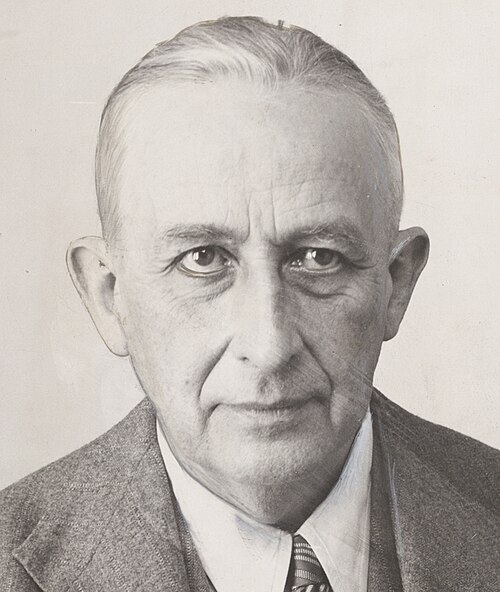
by Ben Hogwood Photo of Rachmaninoff, c1900, courtesy of Wikipedia
March 28 was a significant date in the life of Sergei Rachmaninoff. Sadly it was on this day that he died, in 1943 – but the event I have chosen to highlight is the infamous premiere performance of the Symphony no.1 in 1897.
The concert was an unmitigated disaster, due to under-rehearsal and the supposedly intoxicated state of its conductor, Alexander Glazunov. The negative reaction afforded the work caused Rachmaninoff great psychological harm, severely denting his confidence and casting a shadow over many future compositions. This was a great shame, for it is a powerful piece, with original development of its melodic material and an instinctive and fluid compositional style. The finale is lean, its raw power making a strong impact both in concert and on record.
The symphony was not revived until 1945, when a second performance took place under Alexander Gauk, since when the work has steadily gained in popularity. It has been helped by a number of excellent recordings, of which one is chosen here – the Concertgebouw Orchestra conducted by Rachmaninoff specialist Vladimir Ashkenazy: