The BBC Proms 2023 – bringing in the masses

Recent audience figures released by the BBC suggest the Proms have had a very big impact on new concertgoers this year. Here are some outtakes from the press release:

  • A record-breaking season online, with more than double the number of signed-in accounts accessing BBC Proms content on iPlayer and BBC Sounds compared to last year
  • Nearly 1 million people watched the First Night of the Proms on BBC Two, its strongest overnight TV audience since 2009
  • Proms content reached 3.2 million on TV during the opening weekend
  • A peak audience of 3.5 million people watched the Last Night of the Proms on BBC One
  • Well over half the Proms at the Royal Albert Hall have been total sell-outs
  • Average main evening attendance at the Hall was 93%, building on 85% in 2019

With Arcana’s blueprint being to bring classical music to those who might not normally listen to it (as well as sending electronic and pop music the other way!) this can only be described as fantastic news. The Director of the Proms is an incredibly difficult job to do – and having observed the juggling acts that previous incumbents have had to undertake to satisfy every different audience demand, I think it is fair to say David Pickard – and Roger Wright before him – have managed the changing habits of the last decade very impressively, not to mention the pandemic.

I have to admit that for me personally, the Proms are not as rewarding as they used to be. Yet this statement comes with a huge qualification, for I am 30 years into my classical music journey and first attended the festival in 1997. There have still been concerts that I have enjoyed immensely; I just attend less often than I used to.

The Proms should not be looking to satisfy my musical needs on a nightly basis. Instead it absolutely needs to be looking at the next generation of concertgoers, those who want to start out and get to know this wonderful area of music.

In order to bring them along, the festival needs to reach beyond the core classical at times, and that is why the range of artists – from The English Concert to Self Esteem to the premiere of Kurtág‘s End Game – is so important. Add in Anna Lapwood, Mariza, tributes to Northern Soul, Bollywood and Stevie Wonder, and one concert that I attended – the Jon Hopkins / BBC Symphony Orchestra collaboration – and you have greater inclusion than ever before.

Stood in the arena, I was aware that many around me were unfamiliar with the Proms or the Royal Albert Hall. What a memorable first visit they had! This is where a great opportunity exists, to give new concertgoers new memories that they will treasure. If their first visit is a success, it is fair to assume another one will follow – then another, and another…

Listening habits are changing in the era of streaming, and – like it or not – festivals like the Proms have a pressure (and even an obligation) to respond with concerts that their audiences will want to attend. To that end it is so important that seasoned classical concertgoers – while not being made to feel outcast – recognise that the make-up of some concerts in the season simply has to change, that it may well be the case that people applaud between movements, and that there may be a lot of distractions during the concert. Such things happen at pop gigs – and certainly did back in Beethoven’s day – and should be accommodated where possible.

I guess the point of this slightly rambling blog is to say that we have a duty (and hopefully a wish!) to pass on the love of classical music to other concertgoers – just as we do with our favourite bands. Let’s do that as much as we can!

Ben Hogwood

Music for a hot evening – Delius: In A Summer Garden

Delius’ garden in Grez-sur-Loing, France

by Ben Hogwood

Back in July 2015, Arcana posed the question ‘Is there a less fashionable British composer than Delius?

The thought was a response to the lack of Proms performances for his music over the years, a trend that continues to this day.

The piece played on that balmy July evening, however, made a winsome impression on this particular author, even though it is not one of his best known works. To quote from the review, “Delius’ mastery lies in his orchestration and harmony, with sultry added notes and hazy, impressionistic textures that evoke the laziness of a summer day.”

Since a good deal of Europe has been basking in hot weather this weekend, it is the ideal time to revisit this dreamy piece. Listen (and hopefully enjoy!) below:

Listening in – Nick Drake: Hazey Jane II

by Ben Hogwood

Yesterday Arcana carried a review of Richard Morton Jack’s new biography Nick Drake: The Life, thoughtfully penned by John Earls.

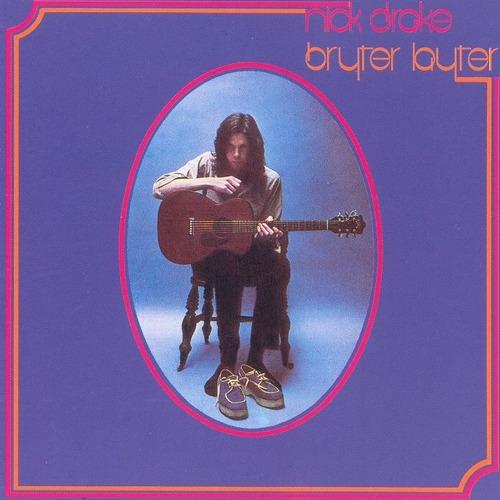
John referenced the song Hazey Jane II, from the Bryter Layter album of 1971. Here he rediscovered a starry line-up of session musicians – including trumpeters Kenny Wheeler and Henry Lowther and guitarist Richard Thompson. The brass parts were arranged by the masterful Robert Kirby, while Drake’s band members for this song – and the Bryter Layter album – are completed by Dave Pegg (bass guitar) and Dave Mattacks (drums)

Listen to the song below, and appreciate the exquisite instrumental colouring around Drake’s dreamy vocal:

In appreciation – Terry Hall

by Ben Hogwood

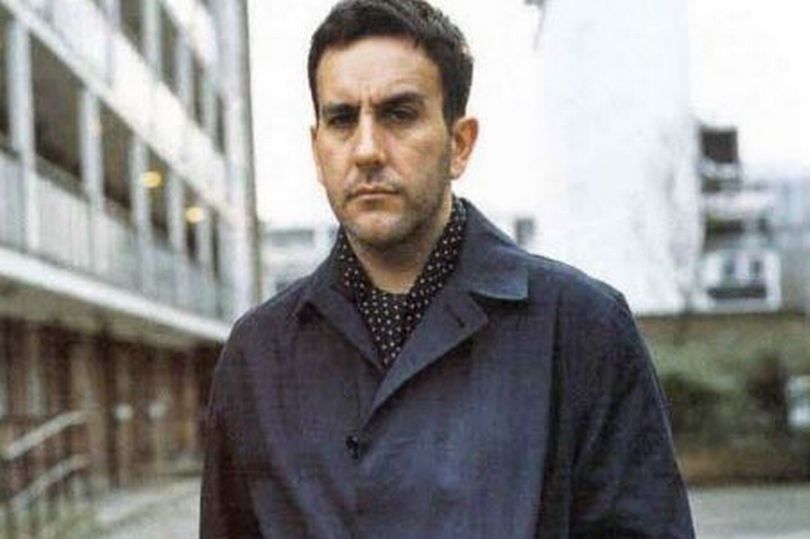
The world of music has been shocked by the news late last night that Terry Hall had died at the age of 63. Hall was singer and songwriter with three particularly influential bands – The Specials, Fun Boy Three and The Colourfield – but he also spread his wings to collaborate with a wide variety of musical figureheads.

Arcana has put together a playlist looking to cover a number of those sources, featuring some of his biggest hits with the bands above and several songwriting credits. Listening to the music brings a new sense of just how much of a mark Hall’s bands left on our cultural outlook.

Screen Grab: The music of Marriage – new BBC drama brings composer Caroline Shaw to the fore

This week the BBC have started showing the intriguing drama Marriage, which has superstar quality from its two lead characters, Sean Bean and Nicola Walker.

The series has split opinion in its accurate portrayal of every life in a marriage lasting 27 years – largely played out in real time. As the series has developed the many subtleties have combined to a plot that is gathering substance and meaning as time goes on, rather like life itself.

One of the most striking elements of the drama is its bold choice of signature tune, which again has divided opinion sharply. The chosen music is by composer Caroline Shaw (above) – the first couple of minutes of her Partita for unaccompanied choir, specifically the first movement Allemande.

Initially the voices sound like an extra part of Marriage, especially as the plot continues to play out, but as the voices come together in a firm pitch so too do the images, and the end credits roll.

You can listen to the full movement, which lasts six minutes, below – and enjoy Shaw’s wonderful layering of the voices, with spicy harmonic clashes and some vibrant writing for the small choir:

The Partita continues with three further movements, each based on an old dance form. The Sarabande is initially soothing and enchanting, before really letting rip with primal power halfway through. The Courante, the most substantial of the four movements, has a number of hypnotic effects and fresh faced harmonies, especially halfway through as it soars to unexpected heights.

Finally the Passacaglia has a lilting base to its music, and a spoken word commentary resumes as it did at the start of the piece, before the voices end powerfully in unison.

Here is a live performance, given by the dedicatees Roomful of Teeth – with whom the composer sings:

Aside from this high profile appearance, Shaw has been making quite a name for herself in recent years. In 2021, Nonesuch released the album Let The Soil Play Its Simple Part, written and performed with Sō Percussion:

Meanwhile the choral piece And the Swallow lingers particularly long in the memory:

You can discover more of Caroline’s music at her website