BBC Proms – Sayaka Shoji, RPO / Petrenko: Vaughan Williams, Respighi & Mendelssohn

vasily-petrenko

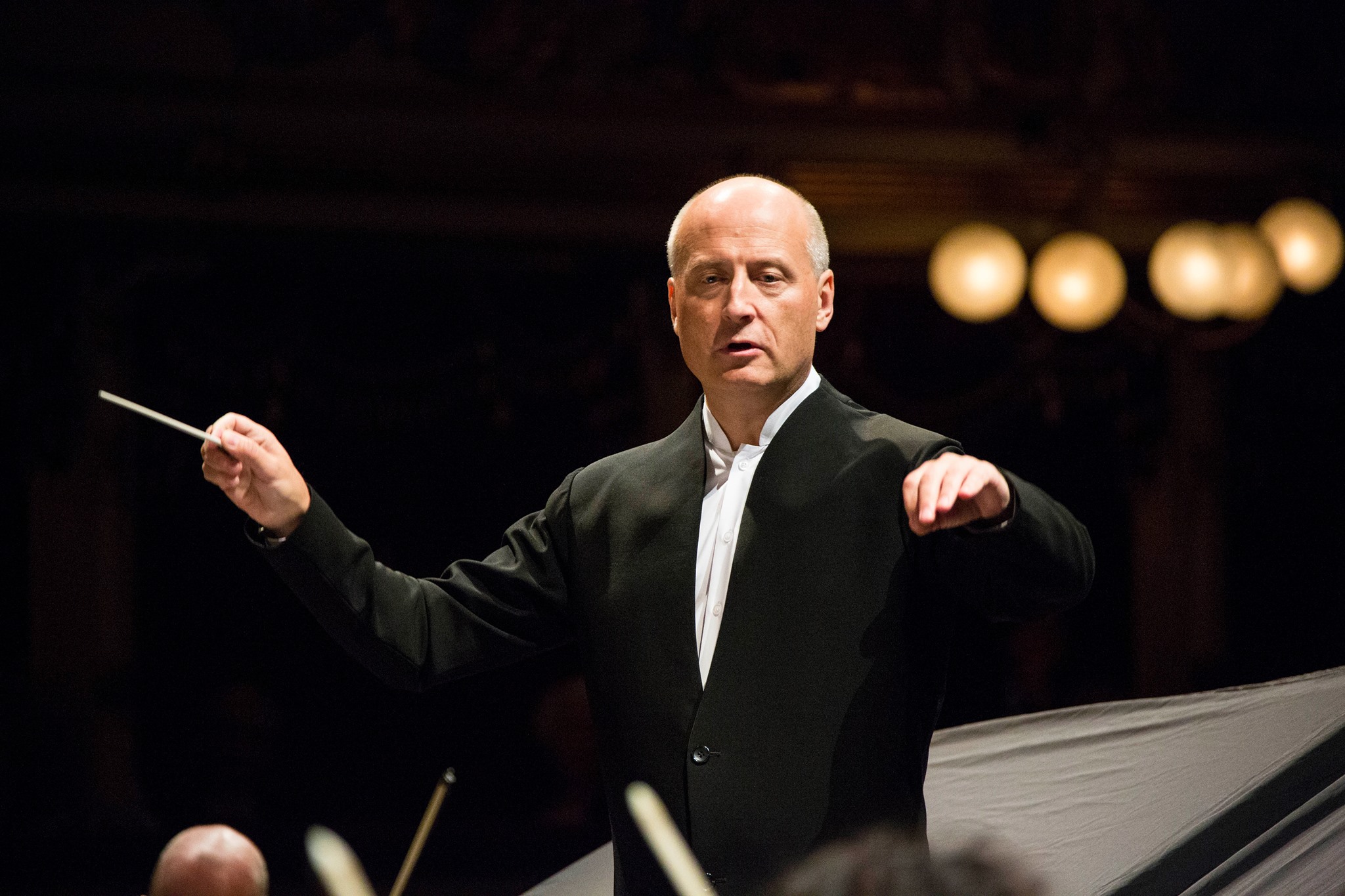
Sayaka Shoji (violin, below), Royal Philharmonic Orchestra / Vasily Petrenko (above)

Vaughan Williams Fantasia on a Theme by Thomas Tallis (1910)
Respighi
Concerto gregoriano (1921)
Mendelssohn
Symphony no.5 in D minor Op.107 (1830)

Royal Albert Hall, London
Wednesday 4 August 2021

Written by Ben Hogwood

A fascinating concert, notable on several counts. It marked the first Prom for Vasily Petrenko, recently transferred from Liverpool, in his new role as the Royal Philharmonic Orchestra’s music director. It featured three works paying tribute to a distant musical past – Vaughan Williams, Respighi and Mendelssohn expressing their admiration in very different ways. By way of an aside, it was your correspondent’s first live music in 17 months. A happy experience indeed!

In a sense my ears were in alignment with those who would have been at Gloucester Cathedral on 6 September 1910, for the world premiere of Vaughan WilliamsFantasia on a theme by Thomas Tallis. The Royal Albert Hall, in its current reduced capacity, offered a similar acoustic, suitable for a performance where the quietest statements could be clearly heard. In the wake of a pandemic, this was wholly appropriate music to be listening to.

The Fantasia is written for two string orchestras, the second of which, nine players strong, might normally be distributed high in the gallery. Here they were positioned on stage, upper left from the conductor’s viewpoint, and projected beautifully to the back of the arena. Petrenko did not linger over the serenity of the opening, but allowed Vaughan Williams’ invention plenty of space to breathe as the Fantasia formed. A sensitive audience ensured every little nuance could be heard, and the RPO strings – in particular the solo quartet within the main orchestra – played beautifully. Petrenko has recorded a good deal of Elgar with the Royal Liverpool Philharmonic, so it will be interesting to see if he decides to look at Vaughan Williams in equivalent detail.
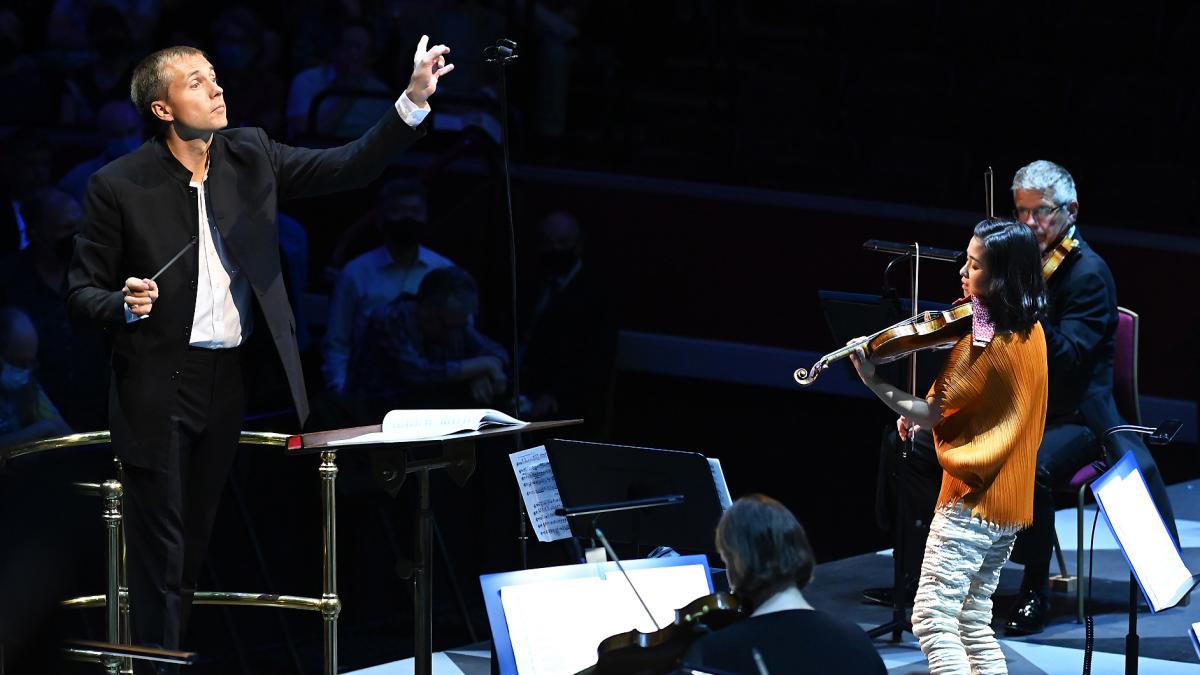
There followed a Proms premiere of a work written 100 years ago. As David Gutman’s excellent programme footnotes pointed out, Respighi has not enjoyed good representation at the festival over the years, and in general his music still languishes in the repertoire. This first account of the Concerto gregoriano could hardly have been more persuasive, with a passionate advocate in violin soloist Sayaka Shoji, who quarantined on her arrival in the UK prior to this performance. Respighi was a violinist, writing with skill for the instrument, but chose not to use this concerto as a display piece. Rather he paid homage to the Gregorian chants with which he had had been preoccupied in recent years, and he used these as the basis for a piece containing some particularly lush harmonies and idiosyncratic rhythms.

This was a compelling performance, Shoji soon into her groove and leading with faultless intonation in the high passages of the slow movement, carrying beautifully into the wide open spaces of the hall. She was aided by the horns and trombones of the RPO, positioned along the back of the orchestra, the punctuation of harp and celesta adding glitter to the edge of the sound.

The first movement found nicely judged contributions from oboe (John Roberts) and cor anglais (Patrick Flanaghan), with a sheen from the strings not unlike that of the Vaughan Williams. The third movement presented faster music and a greater sense of drama from its main theme, the brass again involved. This pulled back to peaceful climes, and a recap of the second movement material. Concerto gregoriano was certainly a work benefiting from a live performance, deserving of a higher profile.

Shoji was a sensitive performer, allowing Respighi’s music star billing, a sign of her maturity as a soloist. She also chose a wholly appropriate encore, the soft pizzicato beginning the Sarabande from Ysaÿe’s Sonata for solo violin no.4 (À Fritz Kreisler) the only audible noise in a rapt hall.

Mendelssohn wrote his Reformation symphony in 1830, making it the second in his output chronologically, but it was not published until long after his death. He appears not to have been wholly satisfied with it, leaving it unperformed. It carries a powerful impact, anticipating Schumann’s own D minor symphony (no.4) while including the Lutheran chorale Ein feste Burg ist unser Gott (A mighty fortress is our God). In this the composer, perhaps inevitably, was including Bach in his homage.

Petrenko had the work’s measure, leading us straight into the ‘sturm und drang’ of the first movement with its grim, D minor struggles. They were captivating, especially at the end of the introduction when rapt strings introduced the ‘Dresden Amen’, a striking alternative to the flurry of activity around them. The second movement had an attractive lilt, the third a nicely poised subject, before flautist Emer McDonough gave an impeccable solo to lead us into the finale. It fell to her to present the chorale theme, taken up with greater number and power by the rest of the orchestra. The mood turned from struggle to victory. Petrenko’s pacing was ideal, as was the phrasing, while the final reverberations of the chorale were more than sufficient in lieu of an encore.

This was a very fine if slightly understated first Prom for the RPO conductor in his new role, bringing the ideal combination of new and familiar. The orchestra appear to be in very good hands.

You can listen to a playlist of the works featured in this concert, including the violin encore, on Spotify below:

You can find more information on the BBC Proms at the festival’s homepage
In concert – English Symphony Orchestra / Kenneth Woods: New Notes

3choirs festival

English Symphony Orchestra / Kenneth Woods

Doolittle Woodwings (2018, arr. 2020) [Version premiere]
Elcock
Symphony no.8 Op.37 (2019-20) [World premiere]
Beethoven
Symphony no.7 in A major Op.92 (1811-12)

Town Hall, Kidderminster
Wednesday 28 July 2021 (2pm)

Written by Richard Whitehouse

It may have taken over 15 months, but the English Symphony Orchestra this afternoon gave its first concert with audience, as part of the Three Choirs Festival, in what was essentially an event rescheduled from last year that continued its estimable 21st Century Symphony Project.

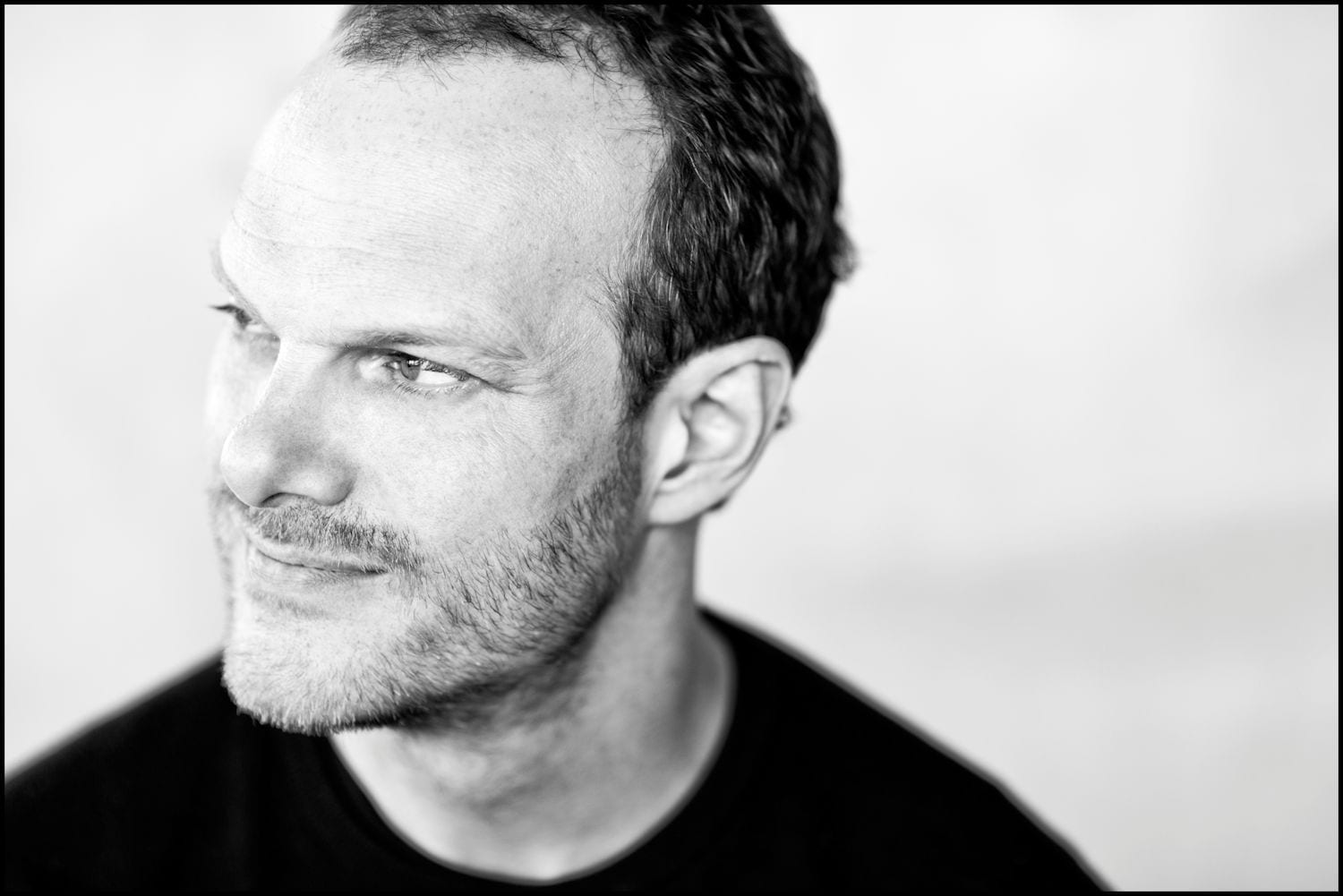
The premiere was that of the Eighth Symphony by Steve Elcock (above), born in Chesterfield in 1957 and resident in central France, whose music has only recently come to prominence via releases on the Toccata Classics label fronted by the redoubtable Martin Anderson. Symphonic writing has dominated Elcock’s output this past quarter-century, and if his latest piece has antecedents in a string quartet composed back in the early 1980s, there can be no doubt it continues those processes of organic evolution and integration central to the seven works that came before it.

The present piece reflects the impact of having heard the Sixth Symphony of Allan Pettersson (awaiting its UK premiere after 55 years), but whereas that hour-long epic centres on fateful arrival, Elcock’s 20-minute entity is more about striving towards a destination which remains tantalizingly beyond reach. Various pithy motifs are sounded in the opening pages, the earlier stages pursuing a productive interplay between relative stasis and dynamism as is thrown into relief by the emergence (10 minutes in) of a trumpet melody which crystallizes the course of this piece as it builds inexorably to a powerful climax then subsides into a searching postlude that recedes beyond earshot. Overt resolution may be avoided, yet the sense of cohesion and inevitability audible throughout its course makes for an engrossing and rewarding experience.

That was certainly the impression left by this well prepared and finely realized performance, notable for the way in which Elcock’s idiomatic while demanding string writing was realized with manifest conviction. A 10-strong wind ensemble (along with cello and double-bass) had opened the concert with Emily Doolittle’s Woodwings, the songs and calls of nine Canadian birds rendered over five characterful movements somewhere between Poulenc and Messiaen, with a finale whose relatively freeform structure made for an intriguing and enticing payoff.

After the interval, Beethoven‘s Seventh Symphony received a performance as uninhibited and exhilarating as the piece itself. That all repeats in the first, third and fourth movements is no longer the surprise it might once have been: more startling was Kenneth Woods’s decision – entirely justified – to proceed without a pause into the second movement, so underlining the A-A minor pivot which uncannily anticipates that of Mahler’s Sixth almost a century later. Other highlights were the bracing cross-rhythms of the transition into the first movement’s reprise, the flexible pacing of the scherzo’s trio melody– poised ideally between hymn and dance, then a finale whose coda threatened to breach the confines of Kidderminster’s Town Hall but whose ultimate elation clearly left its mark on the audience’s enthusiastic response.

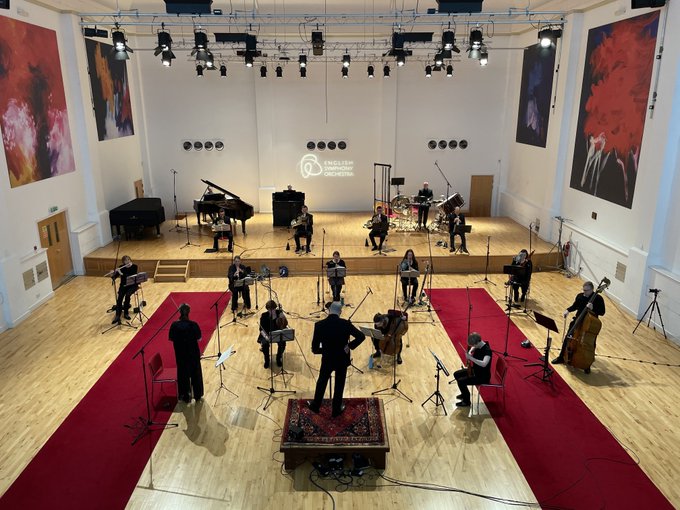
An impressive return to live performance from the ESO (above) and a harbinger of just what can be expected in its 2021/22 season. Before that comes another in this orchestra’s series of online concerts with a fascinating chamber realization of Bartók’s opera Duke Bluebeard’s Castle.

You can find information on the ESO’s next concert at their website, and more on their latest recording, ‘Fables’, here. For more on the composer Steve Elcock, head to his website – and for the recordings on Toccata Classics, click here

Online concert review – Lars Vogt, Estonian Festival Orchestra / Paavo Järvi @ Pärnu Festival – Mozart & Tubin

paavo-jarvi

Lars Vogt (piano), Estonian Festival Orchestra / Paavo Järvi (above)

Mozart Piano Concerto no.24 in C minor K491 (1786)
Tubin Music for strings (1963); Suite from The Goblin (Kratt, 1961)

Pärnu Concert Hall, Estonia
Wednesday 14 July 2021, available online

Written by Ben Hogwood
Picture of Lars Vogt (c) Giorgia Bertazzi

This attractive concert was one of the calling cards for the Pärnu Festival, an annual event marking the end of its first decade in the Southern Estonia city. Its patron, conductor Paavo Järvi, was conducting his ‘home’ orchestra, the Estonian Festival Orchestra, inspired by Lucerne’s festival orchestra, in a nicely devised program of Mozart and the seldom-heard composer Eduard Tubin.

To begin with, Järvi and the orchestra were joined by pianist Lars Vogt in one of Mozart’s stormier utterances, the Piano Concerto no.24 in C minor. Vogt has been an inspiration in his career but particularly of late, documenting his battle with cancer in an admirably forthright fashion. Part of his therapy is to play music, to the extent of playing on an upright piano during his chemotherapy sessions, and also to take every chance offered to him to playing music live.

This only heightened the admiration and enjoyment for his performance here, as with heartfelt playing Vogt got right to the centre of this most dramatic of Mozart’s concertos. Järvi followed his lead and was helped by some very fine wind playing, particularly in the slow movement. The first movement had a great deal of Sturm und Drang, the angular contours of the main theme ideally phrased. Vogt’s solo episodes were impeccably delivered but always had an ear towards the orchestra, where the strings gave incisive commentary. The final Allegretto allowed a bit more room for playful exchange, and there was a wonderful shaft of sunlight as the music turned from minor to major key, sensitively engineered by the conductor. As a suitable ⁹encore, Vogt chose Brahms’ Intermezzo in A major Op.118/2, watched appreciatively from the sidelines by Järvi.

Lars-Portrait-3-©-Giorgia-Bertazzi

Eduard Tubin‘s Music for Strings was an intriguing choice just after the interval, representing a desire for the festival to showcase the music of Estonia itself. Tubin, who died in 1982, is still under-represented on the stage, but this was the ideal platform from which to appreciate it. Music for Strings is a slightly elusive but compelling piece, resilient and attractively scored. It brings an economical and slightly classical approach, but with forward looking harmonic language. When the bass strings dug in during the passacaglia first movement the furrowed brow of Shostakovich could be glimpsed, yet the upper reaches of the violins felt as though the music was reaching further north. The second movement was more mysterious and questioning, while the finale, an Adagio, featured excellent solo violin playing from the unnamed Estonian Festival Orchestra concertmaster.

The program finished with a suite from Tubin’s 1943 ballet Kratt (The Goblin). Composition for the whole work began in 1938, making use of melodies from the Estonian Folklore Archive in Tartu. Although the Russian occupation of Estonia in 1940 forbade modern music, Kratt passed the sensors on account of its use of traditional themes, and not the way in which they were treated – which has reminiscences of Stravinsky and Prokofiev. Tubin constructed the shorter suite in 1961, to a commission from the Royal Stockholm Philharmonic Orchestra.

The ballet is based around a peasant who builds a magical figure (Kratt) in order to make him rich – but to do this he has to give three drops of blood to the devil. Perhaps not surprisingly the story does not run smoothly, with the peasant – and his soul – meeting a grisly end at the hands of the goblin. Yet the side plot of a love affair on the farm where the peasant lives brings more light hearted material.

Tubin’s music is ideal concert fayre, tuneful and with lively orchestration. Järvi ensured the syncopations of the dance numbers were sharply rendered, bringing through Tubin’s imaginative writing for wind and brass in particular. The final dance scene was the most captivating, with a soulful cor anglais solo leading into the driven rhythms of the Dance of the Exorcists, featuring the added punch of the orchestral piano. The Goat and The Cock were sharply characterised, bringing reminders of Mussorgsky’s Pictures At An Exhibition, before snarling brass punctuating the outgoing Dance Of The Northern Lights, a more rustic affair. The brass themselves were completely on point, especially in the final statement, warmly received by the audience.

This was a most enjoyable concert, confirming the warm atmosphere in which this festival operates. It is clear Paavo Järvi and friends are building something special here, and it is to be hoped when restrictions are finally lifted that the chance will arise to experience it in person.

You can watch the concert on the festival’s dedicated TV channel here

Lars Vogt talks about his music making after his cancer diagnosis in February and his ongoing treatment with Kate Molleson on BBC Radio 3’s Music Matters, available on BBC Sounds

For more information on the Pärnu Festival you can visit their website

In concert – Alina Ibragimova, CBSO / Joshua Weilerstein: Weir, Prokofiev & Beethoven

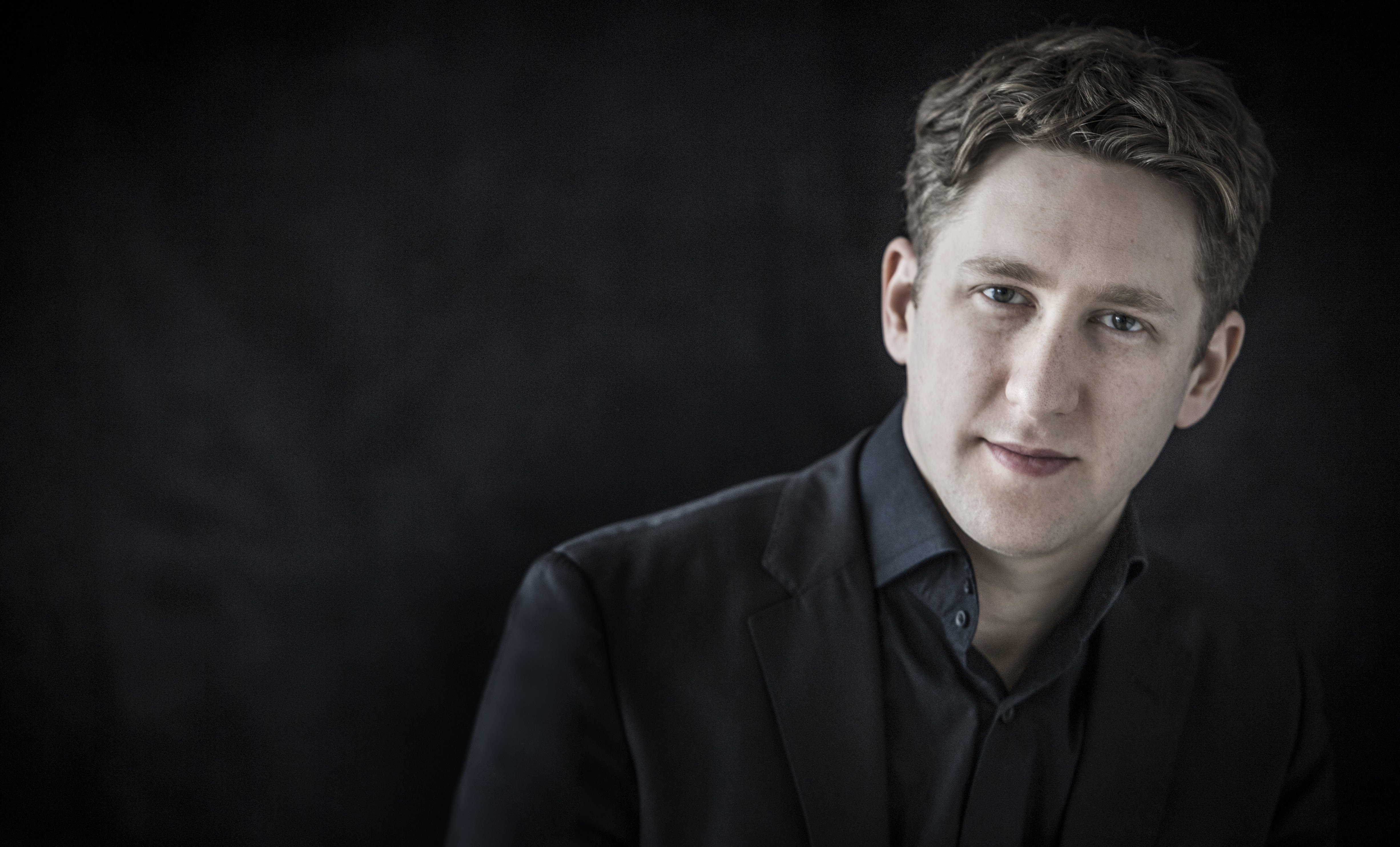
Joshua Weilerstein 58_credit Sim Canetty-Clark

Alina Ibragimova (violin, below), City of Birmingham Symphony Orchestra / Joshua Weilerstein

Weir Heroic Strokes of the Bow (1992)
Prokofiev
Violin Concerto no.1 in D major Op.19 (1915-17)
Beethoven
Symphony no.7 in A major Op.92 (1811-12)

Symphony Hall, Birmingham
Wednesday 7 July 2021 (6.30pm)

Written by Richard Whitehouse Photo of Joshua Weilerstein courtesy of Sim Canetty-Clark; Alina Ibragimova courtesy of Giorgia Bertazzi

While not the centenary season as had been anticipated, the City of Birmingham Symphony Orchestra’s current run of live concerts has nevertheless found the orchestra in great shape, reinforced by the final event that marked an equally unexpected if auspicious debut for Joshua Weilerstein.

He may have substituted the planned account of Schubert’s Fourth Symphony, but Weilerstein retained Judith Weir’s Heroic Strokes of the Bow to begin the programme. Although written before her spell as the CBSO’s Composer-in-Residence (1995-8), the present piece is among her most characteristic larger works – taking its cue from Paul Klee’s similarly titled painting for a 15-minute study in frustrated momentum, whereby violins pursue an eventful trajectory constantly undermined by rhythmic discontinuity. A belated coming to the fore of woodwind propels this music towards a peroration which never quite materializes prior to its subsiding then terse pay-off. Not a straightforward or necessarily rewarding piece to tackle, the CBSO strings still sounded engaged throughout a piece typical in its sense of ultimate anti-climax.

Alina Ibragimova then joined the orchestra for Prokofiev’s First Violin Concerto, its modest scale and prevailing inwardness only partly belying technical demands that were confidently surmounted here. The partnership with Weilerstein, moreover, was a good one – whether in the first movement’s gradual expressive opening-out from, then retreating-back to sustained lyricism, or the Scherzo’s cavorting high-jinx and playful nonchalance. Ibragimova’s tempo for the finale seemed initially a little too deliberate, but the panache of those brief orchestral tuttis then stealthy intensification to the rapturous return of the opening theme left no doubt as to either soloist’s or conductor’s sense of exactly where the music was going – the violin’s airy arabesques melding into the deftest of orchestral textures for the spellbinding final bars.

The inclusion of Beethoven’s Seventh Symphony made for a near full-length concert which, being given twice, says much for the CBSO’s collective stamina. Ensemble faltered slightly in the first movement’s introduction, relatively weighty as Weilerstein heard it, but the main Vivace proved unanimous in response as it was trenchant in conception – highlights being an uninhibited transition to the reprise, then inexorable build-up toward a coda whose clinching of the overall design felt more potent through a slight if perceptible acceleration at the close.

Weilerstein (rightly) went directly into the Allegretto, its alternation of pathos and sanguinity ideally gauged, then the scherzo exuded a joyous animation and its trio an eloquence which was no less apposite. The finale may have lacked its exposition repeat, but the seamlessness with which this movement unfolded left no feeling of its being sold short – not least through an astute judging of dynamic contrasts then a final peroration which, if it lacked for a degree of visceral excitement, none the less concluded this symphony with unwavering affirmation. Hopefully, Weilerstein will soon be returning to this orchestra. Next month, though, the CBSO heads to the Proms for a programme featuring Ruth Gipps’s Second Symphony and Brahms’s Third, along with a delayed premiere for Thomas Adès’s The Exterminating Angel Symphony.

You can find information on the CBSO’s appearance at the Proms at the festival’s website.

Live review – English Symphony Orchestra / Kenneth Woods: Mahler Symphony no.9

mahler-9-woods

Members of the English Symphony Orchestra / Kenneth Woods

Mahler arr. Simon Symphony no.9 in D major (1908-10, arr. 2011)

Wyastone Concert Hall, Monmouth
Recorded March 23-25 2021 for online broadcast, premieres 7 July 2021

Written by Richard Whitehouse

The chamber reductions of orchestral works, as pioneered by the Society for Private Musical Performances founded by Schoenberg after the First World War, has gained renewed impetus these past 15 months given the unfeasibility of full-scale performances. Few can have been as ambitious as Mahler’s Ninth Symphony – arranged by pianist and conductor Klaus Simon for an ensemble of single strings and woodwind (with doublings), two horns, trumpet, percussion (one player), piano and harmonium; its textural and motivic content thereby remaining intact.

This is evident in the opening Andante, arguably Mahler’s most perfectly realized symphonic movement, whose formal trajectory of interlocking arcs is made explicit so that its long-term expressive intensification and release become no less tangible. To this end, the roles of piano and harmonium are much more than the mere filling-out of texture – respectively articulating and reinforcing the harmonic profile through to a coda which more than usually clinches the overall tonal journey with a serenity the more poignant for its remaining, as yet, unfulfilled.

The ensuing Ländler was no less lucid in terms of its unfolding, Kenneth Woods resisting any temptation to play up the emotional contrasts across a movement whose deceptive blitheness of spirit is only gradually undermined (and a quality this music shares, doubtless unbeknown to the younger composer, with Ravel’s La valse). Equally significant is the way that Simon’s arrangement discreetly emphasizes disparities of timbre and texture, on the way to a closing section where the music only too audibly fragments into a bemused parody of how it began.

More questionable is the Rondo-Burleske – Woods’s underlying tempo for the outer sections, while enabling the music’s contrapuntal intricacy to emerge unimpeded, feeling too dogged to convey its frequently assaultive manner to the degree that the composer surely intended. This is less of an issue in a trio section whose aching regret was potently conveyed, with the stealthy regaining of tension no less in evidence. Animated and accurate, this final section again lacked that seething energy which propels the movement towards its anguished close.

No such questions affect the final Adagio – only equivocally conclusive now that the Tenth Symphony has all but been accepted into the Mahler canon, yet remaining a test of all-round cohesion such as this account rendered with unwavering conviction. Having thus gauged the balance between its alternate paragraphs, Woods assuredly controlled the winding down of tension towards a coda of inward rapture despite its sparseness of gesture – while affording the speculative dialogue between solo strings the necessary temporal and emotional space.

It hardly needs to be said that the playing of this 15-strong ensemble drawn from the English Symphony Orchestra was consistently attuned to the spirit of this music – as, too, is Simon’s methodical and apposite arrangement. Whether such reductions can continue to be relevant in the (presumed) aftermath of the pandemic, it would be a pity were these not to enjoy revival in their own right: revival, moreover, out of aesthetic rather than just didactic considerations, as this impressively conceived and executed rendition demonstrated to often moving effect.

You can watch the concert on the English Symphony Orchestra website here

Further information on Klaus Simon is here, while for further information on the Music from Wyastone series, you can click here. ‘Fiddles, Forests and Fowl Fables’ is now available from the English Symphony Orchestra Website.